

Oscar Health Raises $165M, Targets $1B Revenue and 260K Members in 2018, Files for IPO

Oscar Health
Online Medical Insurance Service Company
On March 28, VCBeat (WeChat ID: vcbeat) learned from CNBC that U.S. health insurance unicorn Oscar Health raised $165 million in a new round of financing. The round was led by Founders Fund, with participation from Khosla Ventures, General Catalyst, Thrive Capital, Fidelity Ventures, 8VC, Verily Life Sciences, and Capital G.
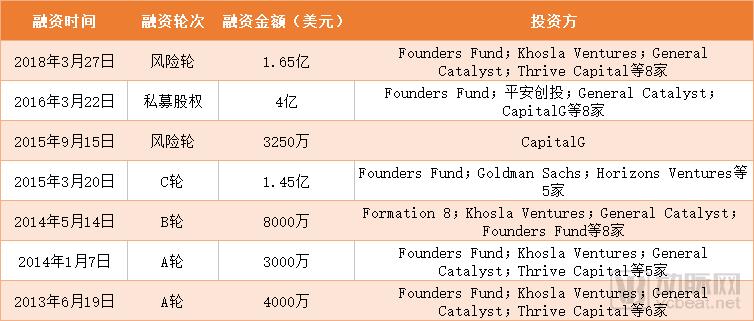
Oscar Health: Historical Financing Overview (Source: Crunchbase)
In previous funding rounds, Oscar Health raised nearly $900 million, achieving a valuation of over $3 billion. Among the investors were Verily Life Sciences and Capital G, two subsidiaries of Alphabet, Google’s parent company.
According to insiders, this round of financing has valued Oscar Health at $3.2 billion, up from $2.7 billion in 2016.
Providing Users with Superior Medical and Healthcare Services
Oscar was founded in 2012 by current CEO Mario Schlosser, Kevin Nazemi (who has since exited), and Joshua Kushner, the brother of senior advisor Jared Kushner.
It primarily provides health insurance services based on the Affordable Care Act. The company was initially founded in New York, and its service coverage has now expanded to five other states, including Texas and California.
Oscar Health describes itself as “the first technology-driven health insurance company in history.” In recent years, Oscar has begun charging higher premiums and now offers what it calls a “narrower network,” which uses technology to connect members with physicians, encouraging them to access a curated group of high-quality healthcare providers.
On Oscar Health’s personalized platform, users can select their desired physicians through a doctor-matching feature. The platform hosts hundreds of in-network providers, ranging from primary care physicians and pediatricians to gastroenterologists and cardiologists. This platform enhances member engagement within its health plans.
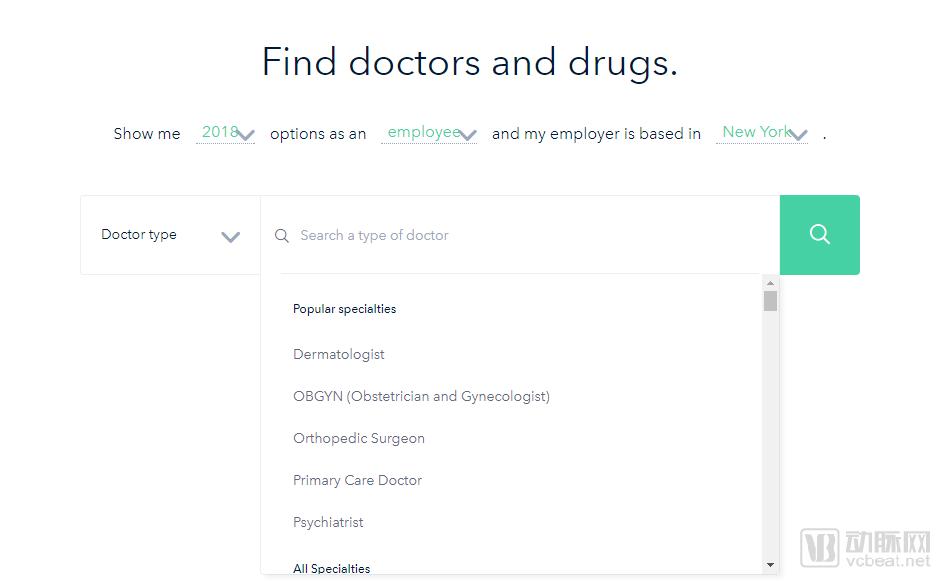
The company guides its members toward more affordable care options, while providing provider-side operational integration and user-friendly tools to key healthcare institution partners.
Oscar Health’s product offerings also include Doctor on Call, a telemedicine platform and built-in app that provides members with fast, low-cost virtual care services.
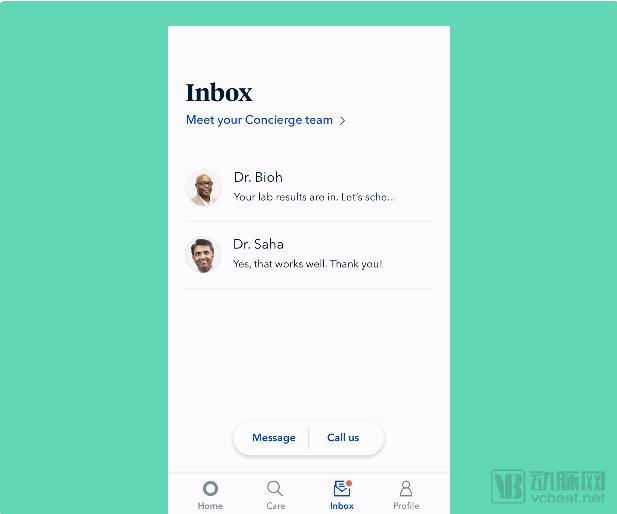
Doctor on Call App Interface
The company believes that a mobile application for individual users to schedule appointments and consult with doctors can enable it to outperform major insurers such as UnitedHealth and Aetna by focusing on customer service and technology.
Within the care services provided by Oscar Health, each member is assigned a care guidance team and a nurse. This means that every phone call or text message is handled by dedicated personnel rather than a call center. Members receive personalized care from a team familiar with their health status, which Oscar Health refers to as the “Concierge team.”

Meanwhile, Oscar Health also provides its members with opportunities to participate in free offline wellness activities, such as yoga classes, mental health services, prenatal courses, and meditation training, while offering vaccination and chronic disease management services.
Commentators have noted that Oscar Health’s approach is not about selecting healthy individuals as its customers, but rather about making its customers healthier.
In the U.S. insurance market, this company qualifies as a “unicorn.” It has drawn particular attention from investors partly due to the dividends of the Affordable Care Act (Obamacare) and partly because its technological and conceptual innovations have stirred up the long-stagnant U.S. health insurance market.
Oscar Health at a Developmental Turning Point
Although its CEO, Mario Schlosser, claimed that Oscar Health would “achieve profitability” in 2018, recently filed financial documents show that the startup generated $229 million in revenue and incurred a net loss of $127 million in 2017. This represents a higher loss ratio compared with 2016, when it reported $426 million in revenue and a net loss of $205 million.
Administrative expenses, medical claims processing, labor costs, and advertising and technology expenses account for more than half of Oscar Health's revenue.
Despite sustained losses, Oscar Health has not failed to attract capital. Following its recent business model pivot, investors have renewed their interest in the company. A review of its past funding rounds reveals that prominent investors such as Founders Fund, Khosla Ventures, Verily Life Sciences, and Capital G have participated in nearly every financing round.
AXIOS commented that despite raising substantial capital, Oscar Health remains “a small fish in the vast ocean of health insurance, with its market services mispriced and struggling year after year under costly expenses.” Nevertheless, even amid significant losses, Oscar Health continues to be an attractive investment target for investors.
Furthermore, the company has established close partnerships with medical institutions, particularly Cleveland Clinic, enabling it to control costs by negotiating more competitive prices with hospitals.
According to CNBC, Oscar Health achieved a state where gross profit exceeded expenses in 2017. This means that, after incurring tens of millions of dollars in losses from operating in New York, Texas, and California, the company collected more in premiums than it paid out in members’ medical claims. This indicates that the company is positioning itself for profitability, as each new member contributes to this goal.
Company CFO Brian West stated, “Oscar Health is on the verge of profitability, and the company is at a turning point in its development.”
The company stated that its 2018 medical loss ratio (MLR) was expected to align with the broader industry target of paying out approximately 85% of premium revenue in claims, representing a decrease of about 10 percentage points from 2017 (any figure exceeding 90% typically indicates that the company incurs a loss on each claim paid). According to the company, its gross premium income would reach $1 billion by the end of 2018.
Oscar Health is expanding at a pace of four to five cities per year and projects its membership will reach 260,000 by 2018, surpassing the peak recorded in 2017.