Pfizer, Merck, and Other Top-10 Pharma Companies Release White Paper on Solvent Selection Guidelines for Sustainable Drug Discovery

Pfizer
Pharmaceutical R&D Developer
Pfizer、Merck、Eli Lilly,Novartis、AstraZeneca, Vertex, and AmgenFocus on the Sustainability of Solvents in the Drug Discovery Phase, a systematic study based on over 400,000 drug discovery-related reactions indicates that 80-90% of pharmaceutical production waste streams are contributed by solvents,Jointly Proposed Green Alternative Conditions for Common Reactions, and expounded the role of miniaturization and high-throughput experimentation (HTE) in reducing solvent usage and optimizing solvent selection,Provides a comprehensive solution for the sustainability improvement of solvents in drug development.
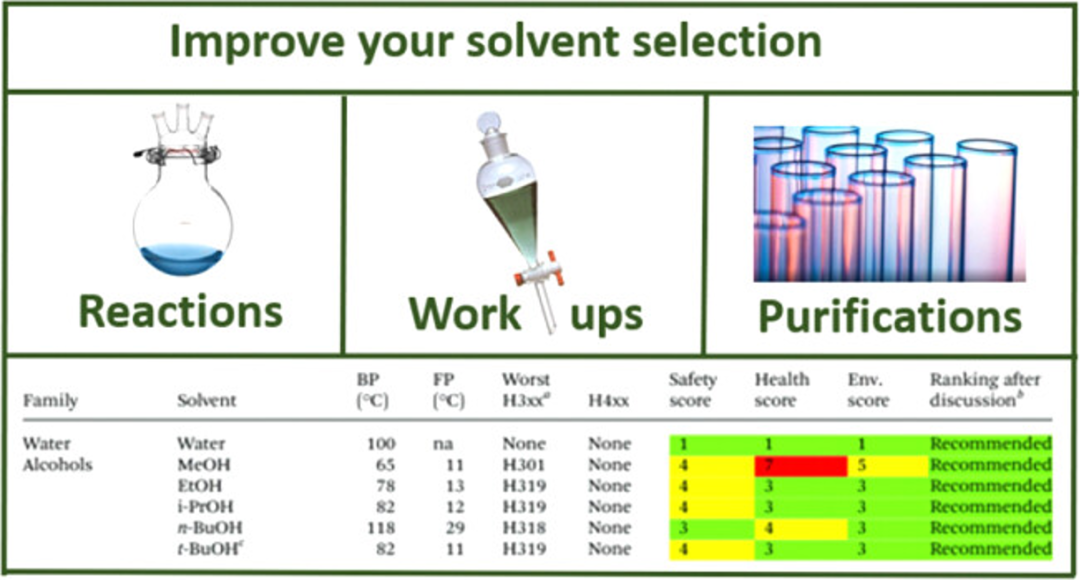

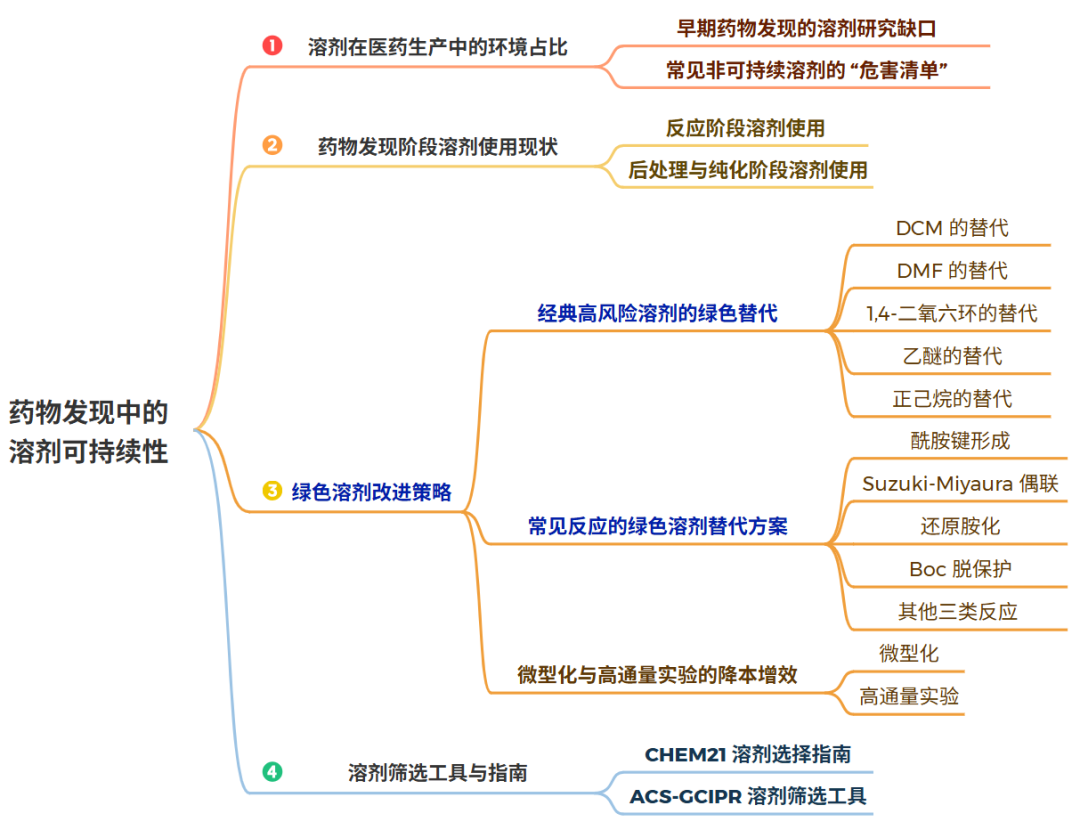
The Environmental Proportion of Solvents in Pharmaceutical Production
According to ACS-GCIPR data, solvents account for 80-90% of the waste stream mass in pharmaceutical production and 75-80% of the environmental impact over the entire life cycle.
Gap in Solvent Research for Early Drug Discovery
Existing solvent research mostly focuses on the late-stage production of APIs, while there is a lack of systematic data in the early stage of drug discovery (milligram-scale compound synthesis), and non-optimal solvents are often used due to the goal of "rapid compound acquisition." It is estimated that...3.5 million kg of waste generated annually up to the preclinical stage。
"Hazard List" of Common Non-Sustainable Solvents
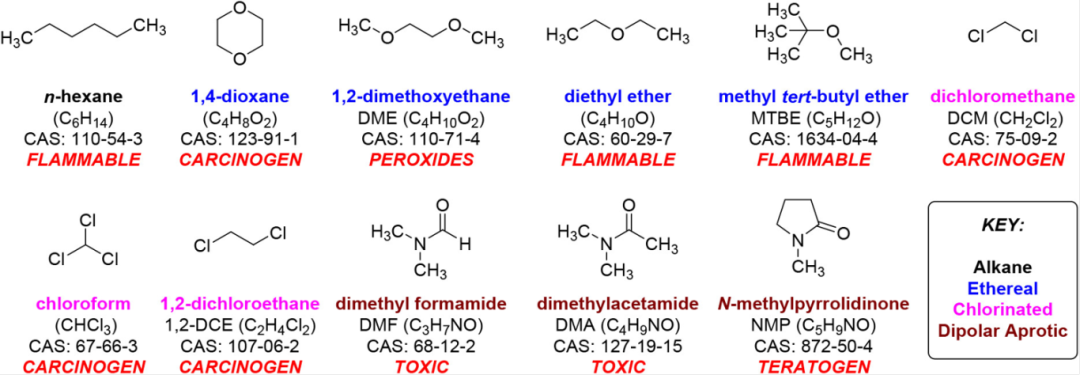
These frequently used solvents have long been clearly labeled for their hazards by the academic community and regulatory agencies:
Chlorinated Solvents:DCM and chloroform are suspected human carcinogens with no safe exposure threshold, and their combustion can produce highly toxic gases such as phosgene; 1,2-dichloroethane (DCE) is not only carcinogenic but also prone to forming explosive vapor mixtures.
Polar Aprotic Solvent:DMF and N,N-dimethylacetamide (DMAc) are listed as "Substances of Very High Concern (SVHC)" by the EU REACH regulation; the former has reproductive developmental toxicity, while the latter can cause liver damage. N-Methylpyrrolidone (NMP) is teratogenic and may lead to embryonic malformations.
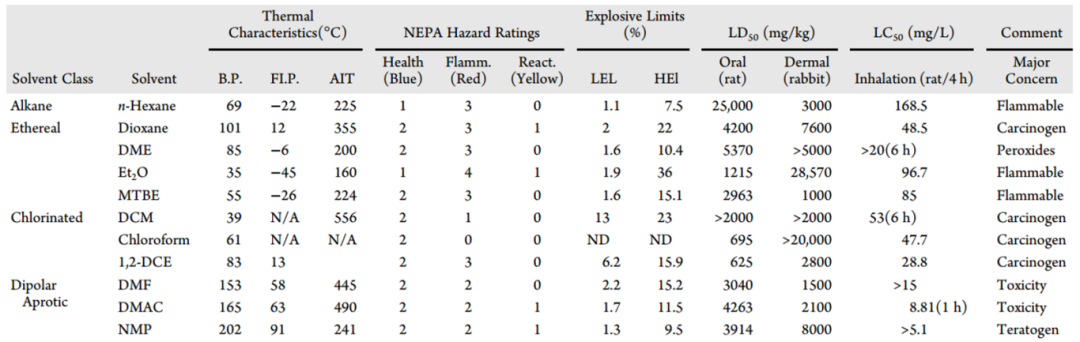
Ether Solvents:1,4-Dioxane has both carcinogenicity and peroxide explosion risk; diethyl ether has a flash point as low as -45°C, is flammable and explosive, and can cause liver damage, thus having long been phased out in the field of medical anesthesia.
Hydrocarbon Solvents:Hexane is highly volatile, and its vapors easily pose an explosion risk. It also has neurotoxic effects, and long-term exposure can lead to peripheral neuropathy.
Current Status of Solvent Use in the Drug Discovery Phase
Solvent Use in Reaction Phase
Data Source:An analysis of over 400,000 reactions from 2000 to 2021 in the "Journal of Medicinal Chemistry" showed that the top six types of reactions (amide synthesis, heterocyclic synthesis, etc.) accounted for 70% of the total number of reactions.
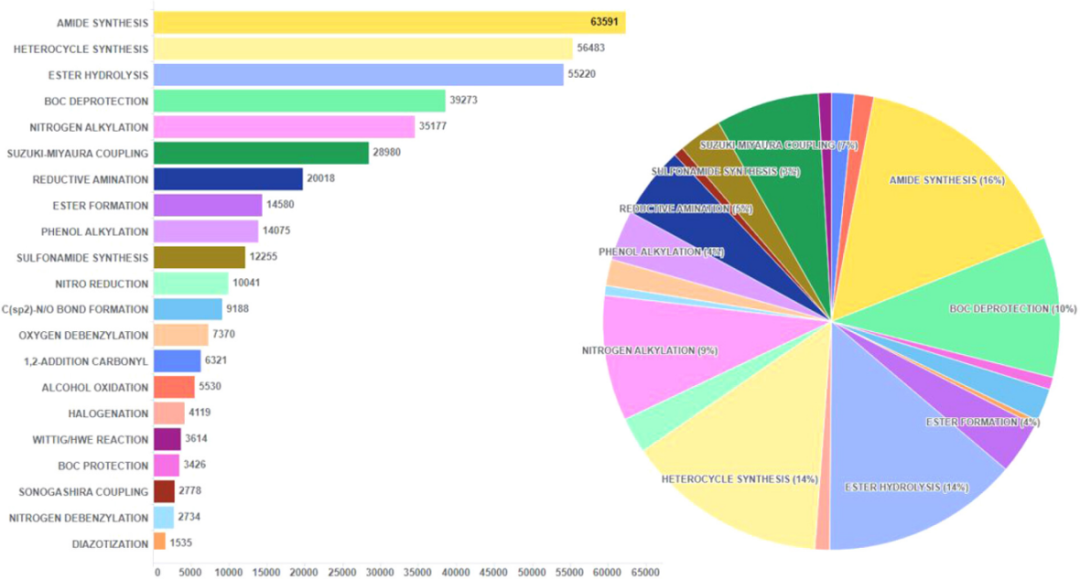
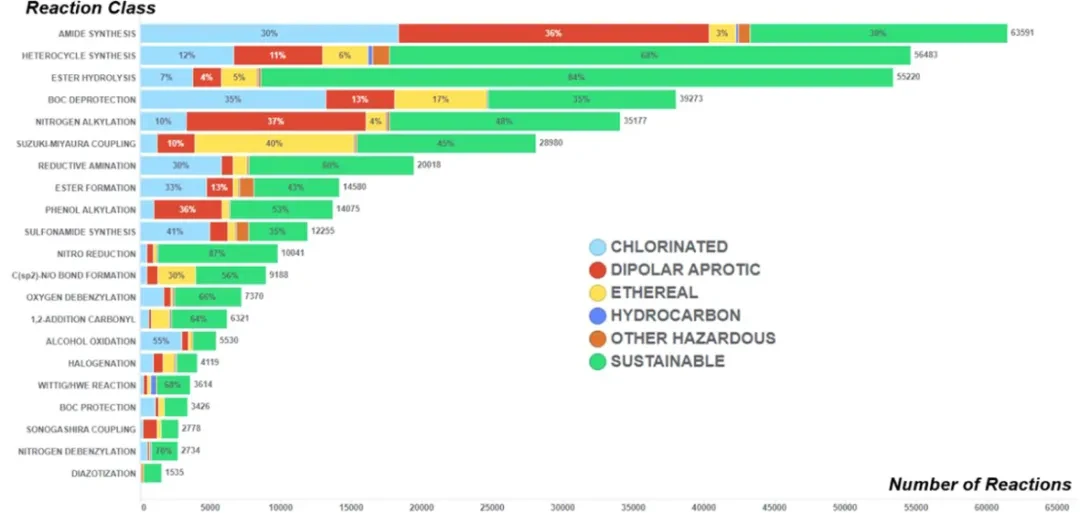
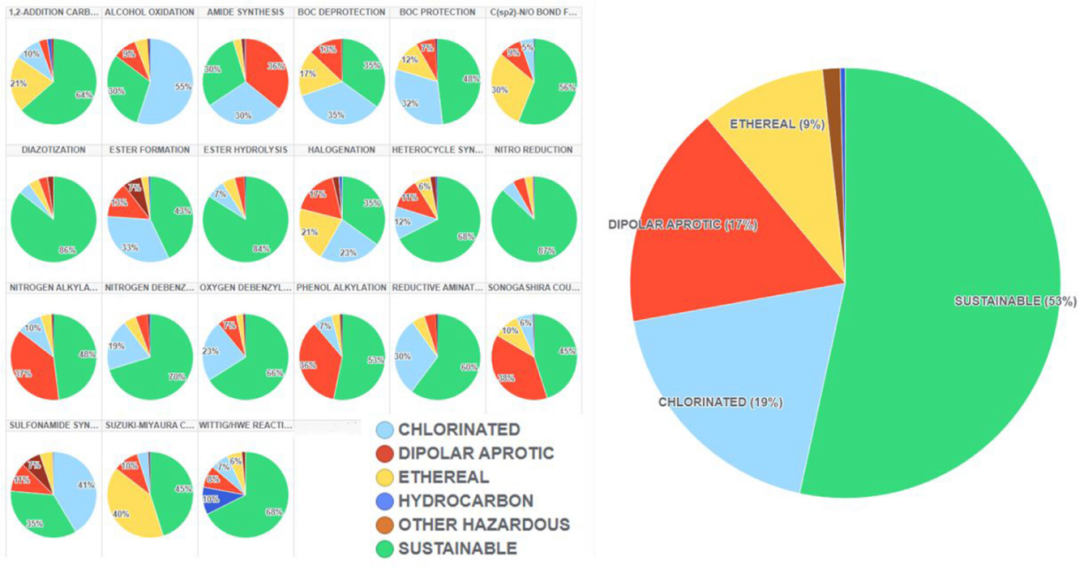
Core Issue:Over 40% of reactions use non-sustainable solvents, among which:
Amide Synthesis (Most Common Reaction, 63,000 Cases):28% with DCM, 36% with DMF, non-sustainable solvents account for over 70%;
Suzuki-Miyaura Coupling (29,000 cases):26% use 1,4-dioxane, 14% use DME, both are hazardous solvents;
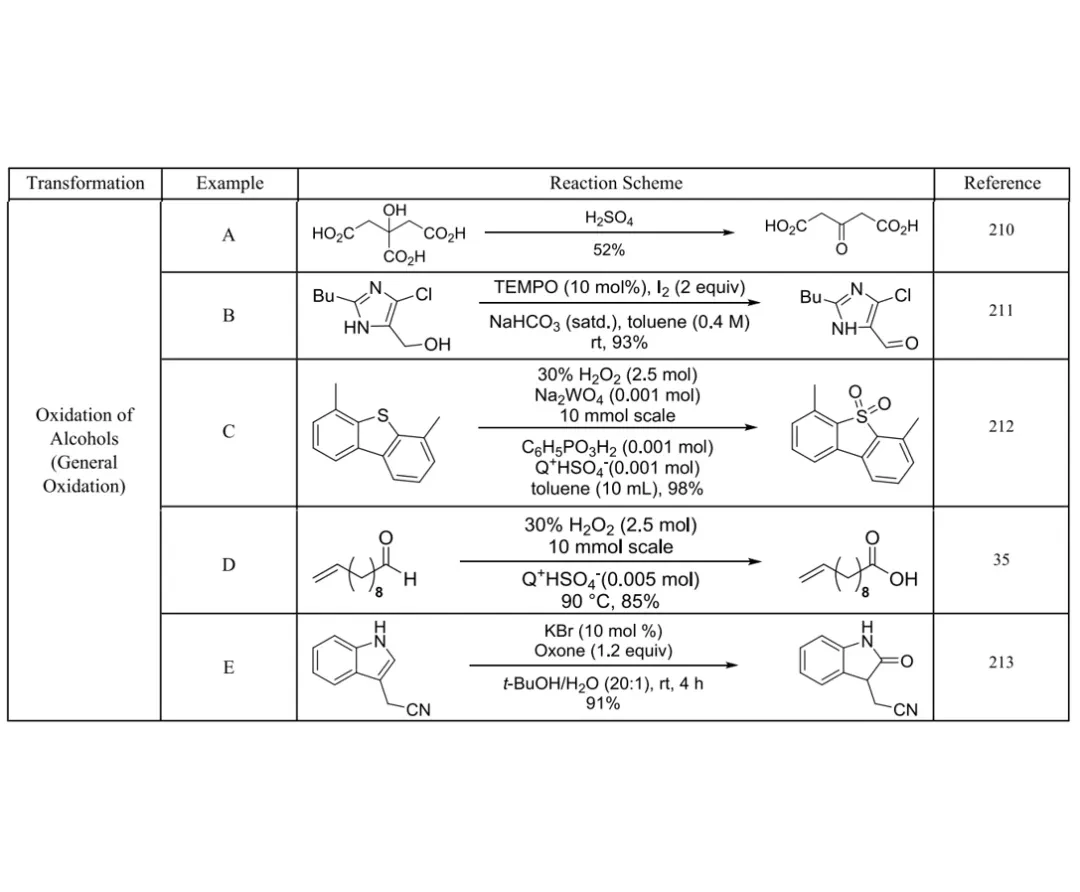
Alcohol Oxidation Reaction:54% with DCM (commonly paired with Dess-Martin reagent).
Solvent Use in Post-Processing and Purification Stages
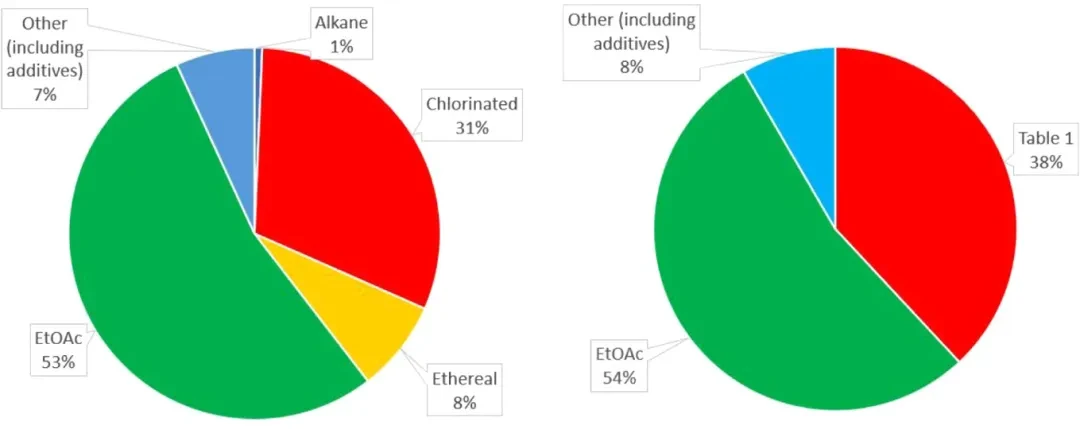
Post-processing:53% of the reactions adopt extraction post-treatment, where54% use ethyl acetate (a green solvent), but 31% use chlorinated solvents, and 7% use ether.(Flammable and prone to forming peroxides).
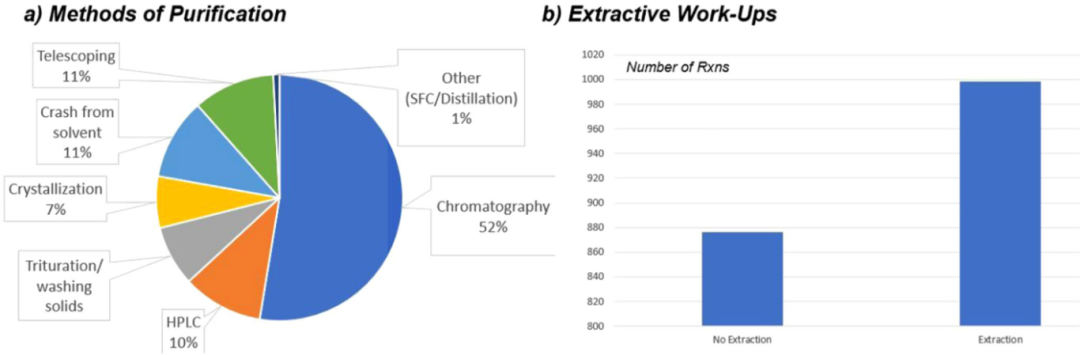
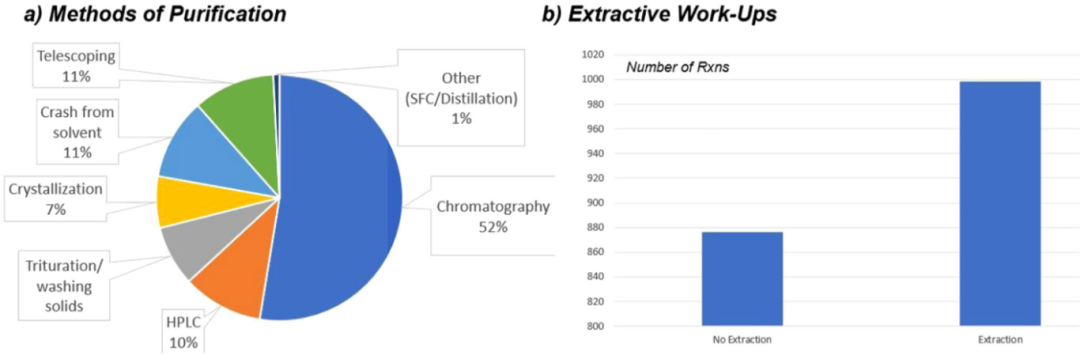
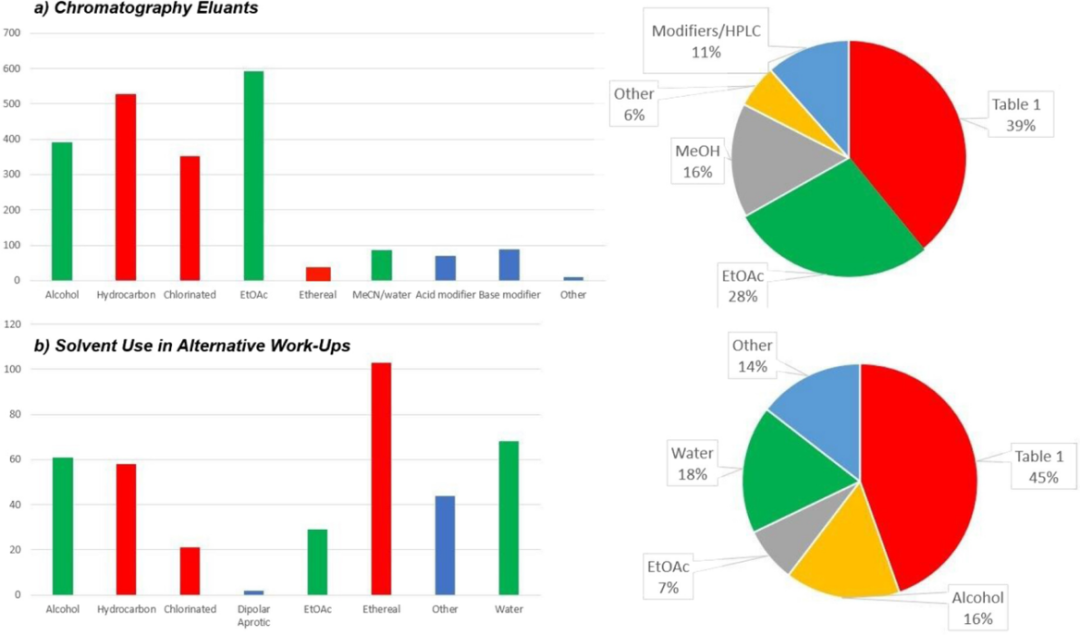
Purification:90% of the products rely on chromatographic purification, where normal-phase chromatography commonly uses n-hexane (non-green).Reversed-phase chromatography consumes high energy; Supercritical Fluid Chromatography (SFC) is only used in small amounts due to equipment limitations.
Green Solvent Improvement Strategy
General Strategy: Green Alternatives to Classic High-Risk Solvents
The study clarified the substitution directions for five core high-risk solvents, balancing practicality and sustainability:
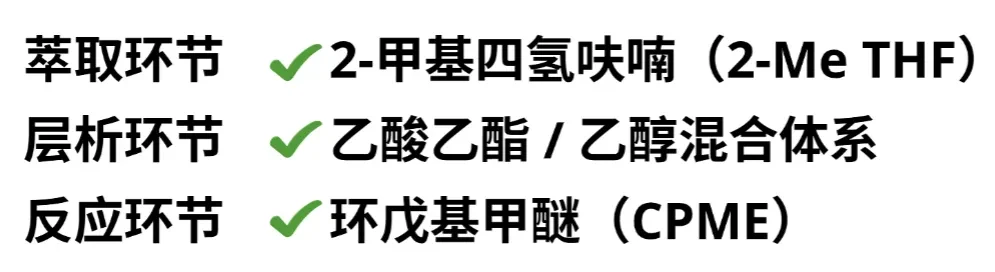
The extraction process can be used.2-MeTHF; Chromatography steps can be selectedEthyl acetate / ethanol mixed system, the separation effect of this system is close to that of DCM/methanol, and it has no carcinogenic risk; the reaction process can adoptCyclopentyl Methyl Ether (CPME), suitable for most conventional organic reactions, with significantly improved safety.
Polar compounds can be dissolved by selectingSulfolane or Dimethyl Sulfoxide (DMSO), the product separation can be achieved through aqueous phase precipitation; amide synthesis can be modified to useBio-based Alternatives to N-Methylpyrrolidone,Or directly adopt the aqueous system, efficient bonding can be achieved without the need for organic solvents.
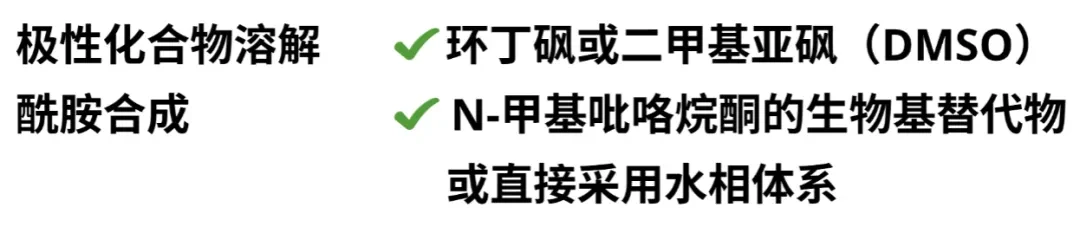
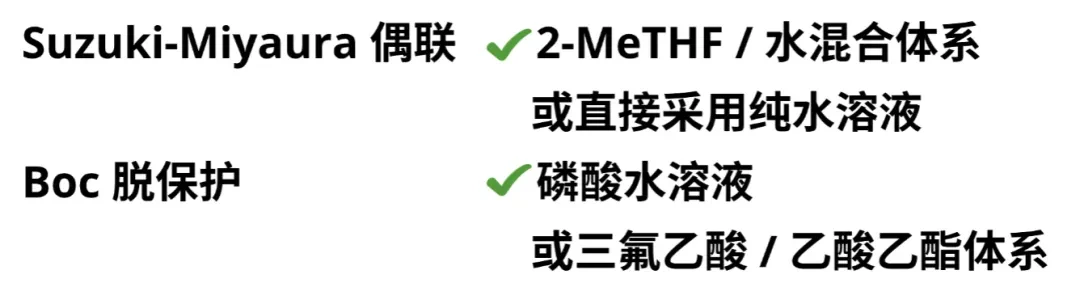
Suzuki-Miyaura Coupling Can Be Modified2-MeTHF / Water Mixture System, or directly use a pure aqueous solution (with the addition of the TPGS-750-M surfactant) to maintain reaction yield while avoiding carcinogenic risks; Boc deprotection can be replaced withPhosphoric acid aqueous solution or trifluoroacetic acid / ethyl acetate system, avoid the use of 1,4-dioxane.
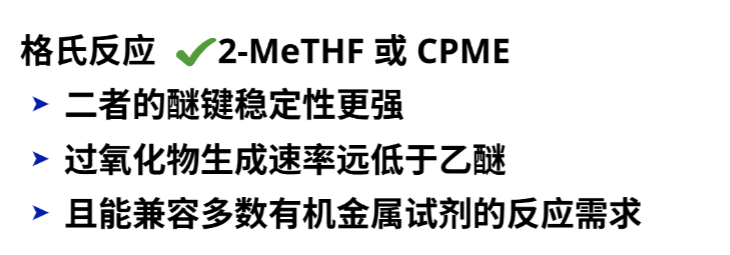
Grignard reaction can be selected2-MeTHF or CPME。
Normal Phase ChromatographyNon-polar eluent can be replaced with heptane., which has lower toxicity, weaker volatility, and a mixed system with ethyl acetate that enables direct precipitation of the product, simplifying the post-processing workflow.
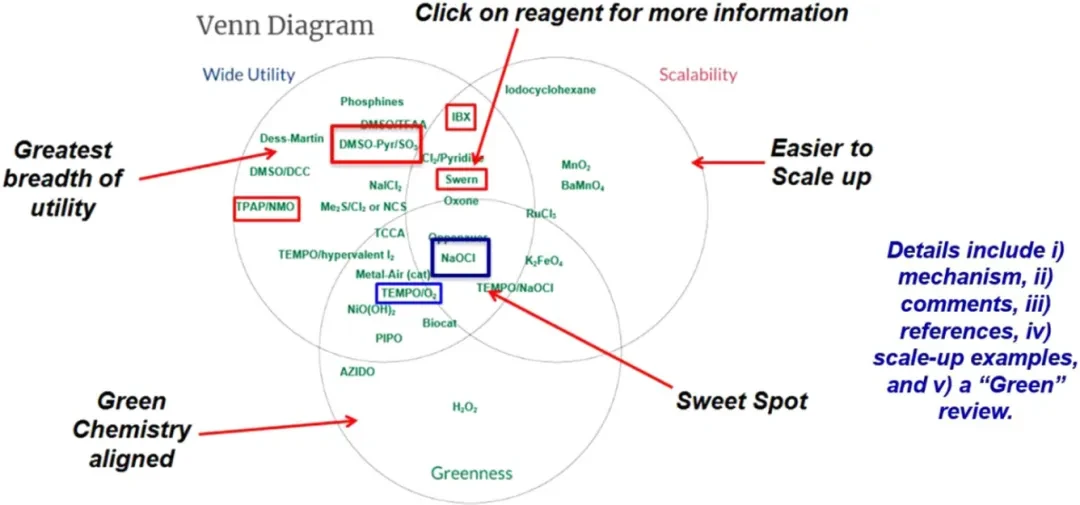
Targeted Treatment: Green Solvent Alternatives for Common Reactions
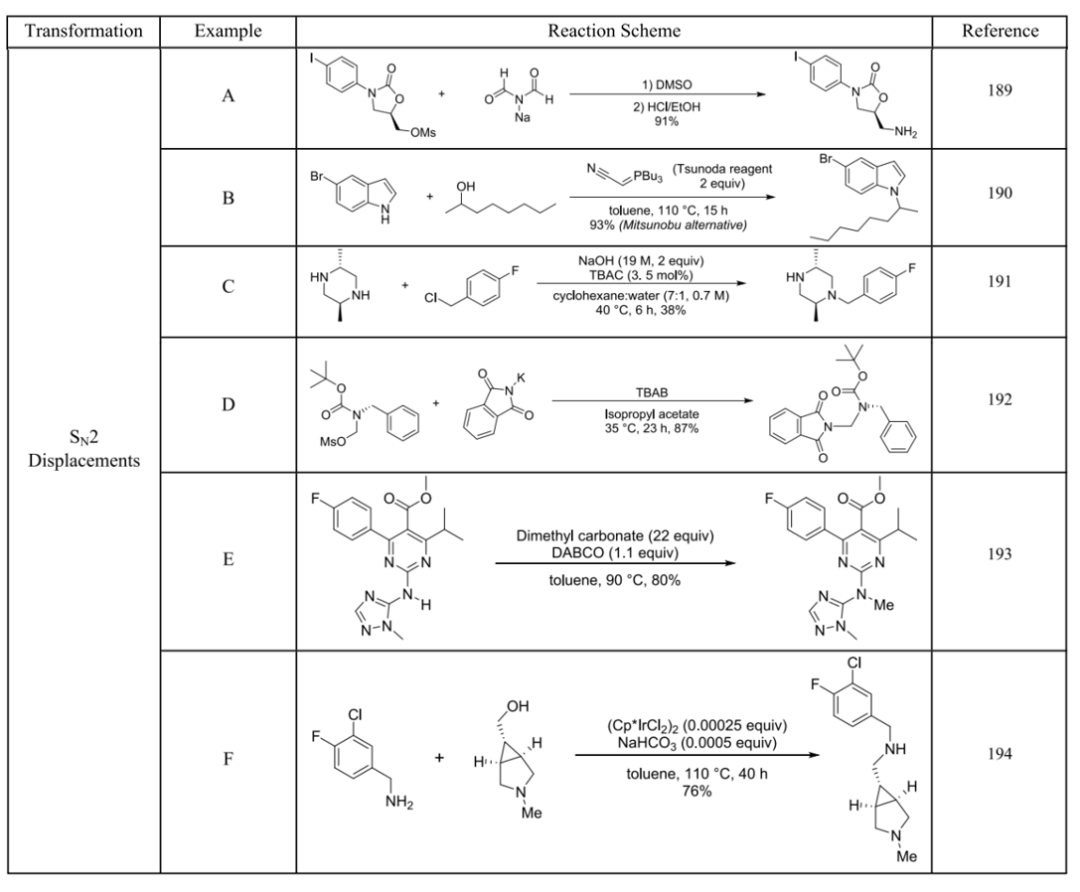
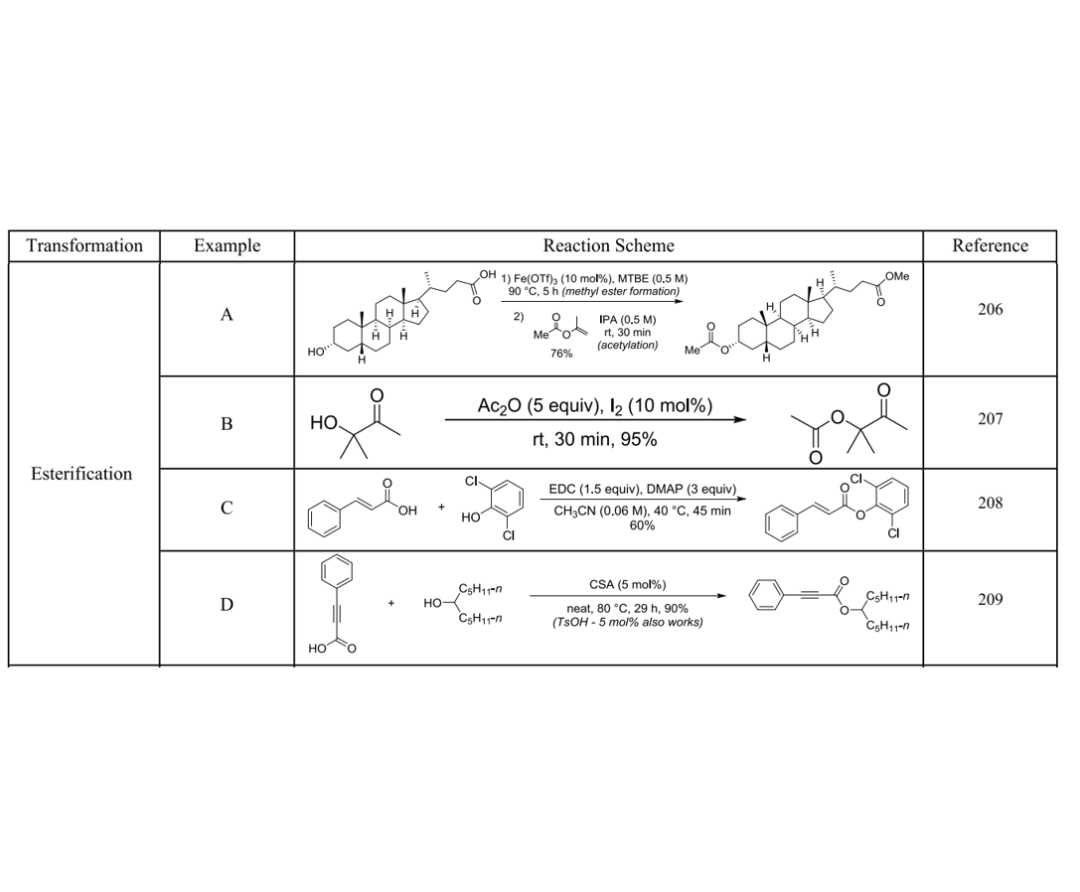
For the 10 most frequently used reactions in drug discovery, this article reviews established green alternative conditions, balancing reaction efficiency with sustainability.
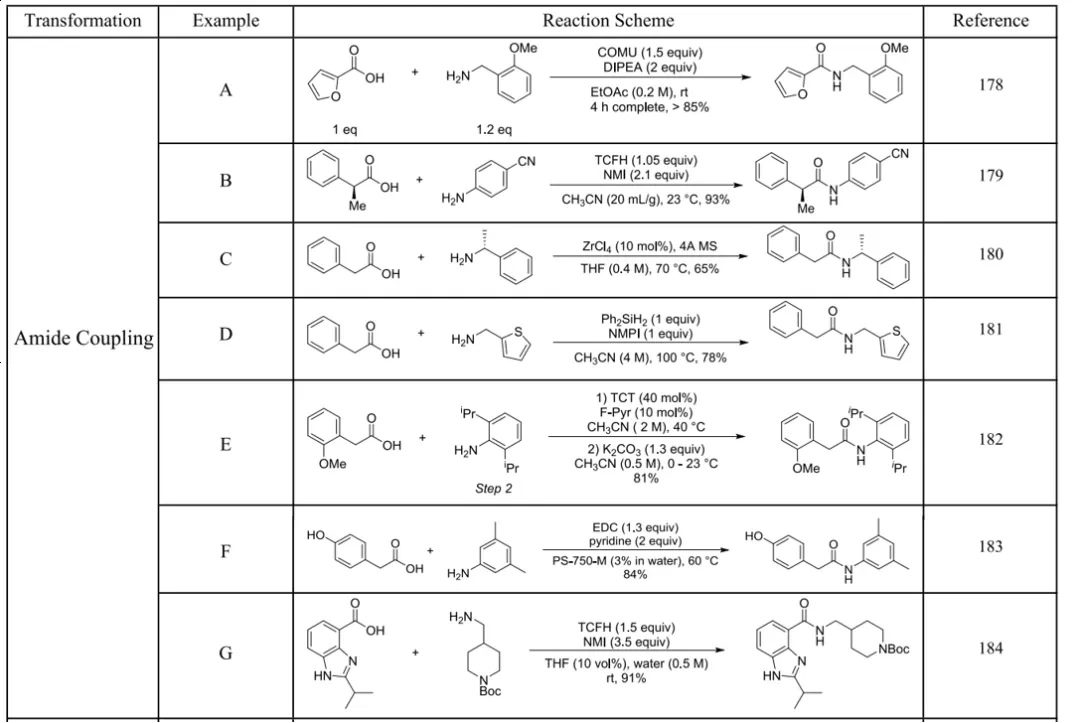
Traditional amide synthesis relies on DCM/DMF, whileGreen solutions can adopt aqueous phase + biodegradable surfactant Savie system, which can achieve efficient bonding without organic solvents and the product is easy to separate; alsoUse 2-MeTHF instead of DCM, while maintaining reactivity, reduce the difficulty of waste solvent treatment.
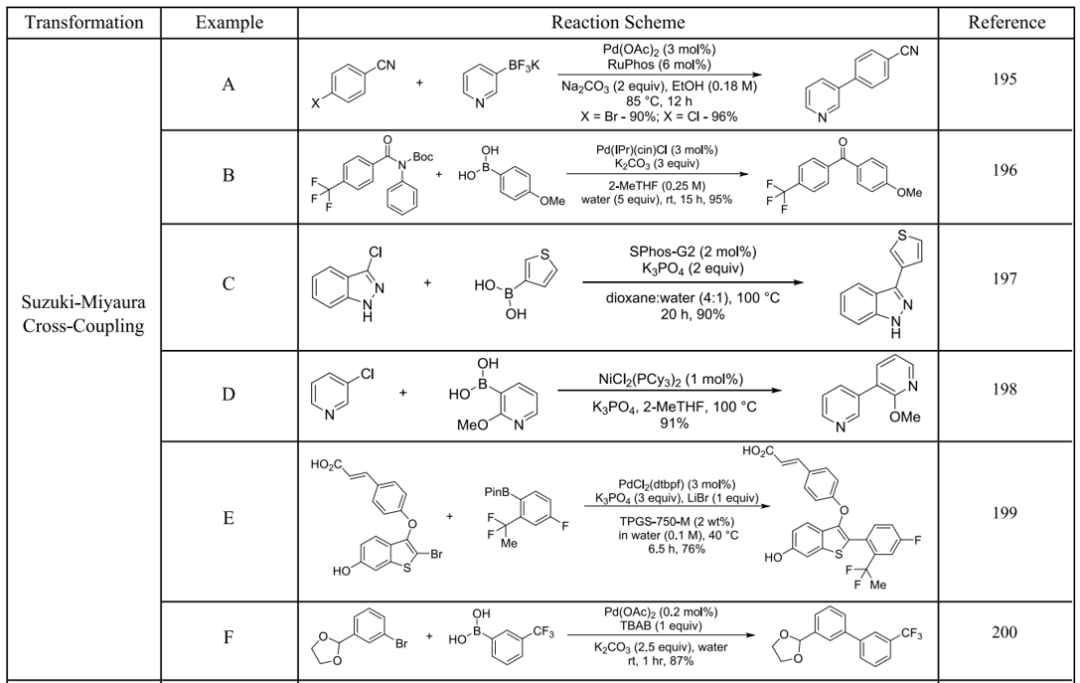
Palladium-catalyzed Suzuki coupling does not rely on 1,4-dioxane,Aqueous phase + TPGS-750-M surfactant system can achieve kilogram-scale amplification;2-MeTHF with K3PO4The combination of bases can also achieve efficient coupling of heterocyclic aromatics under mild conditions., and there is no risk of heavy metal residue.
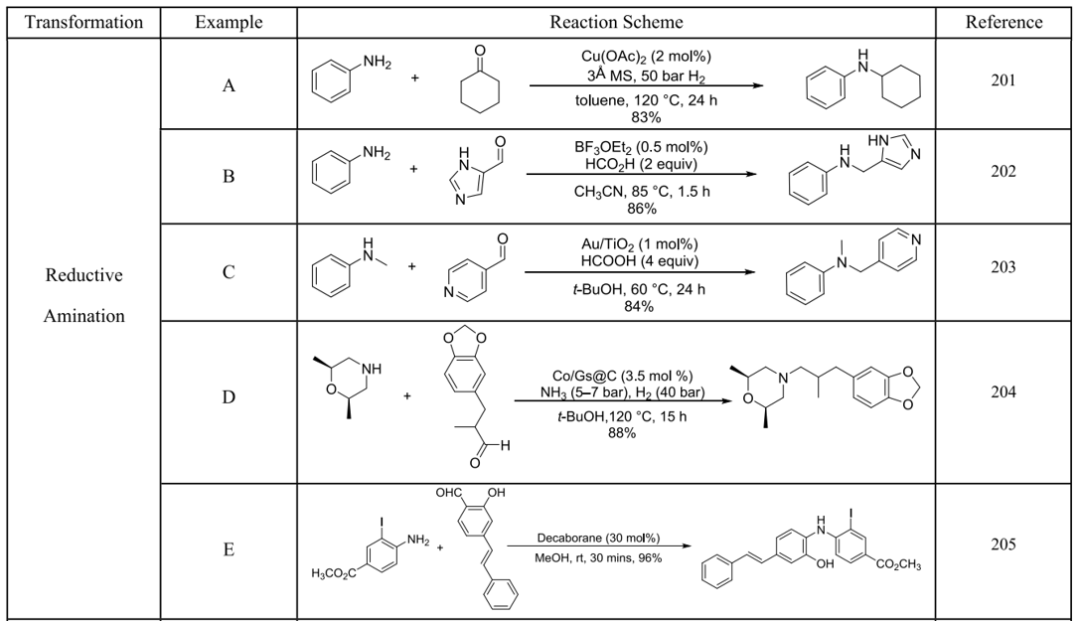
Traditional reductive amination often uses chlorinated solvents, whileFormic Acid / 1-Butanol System Enables "One-Pot" ReactionFormic acid serves as both a reducing agent and a solvent; after the reaction is completed, the product can be separated by simple distillation, significantly reducing solvent loss.
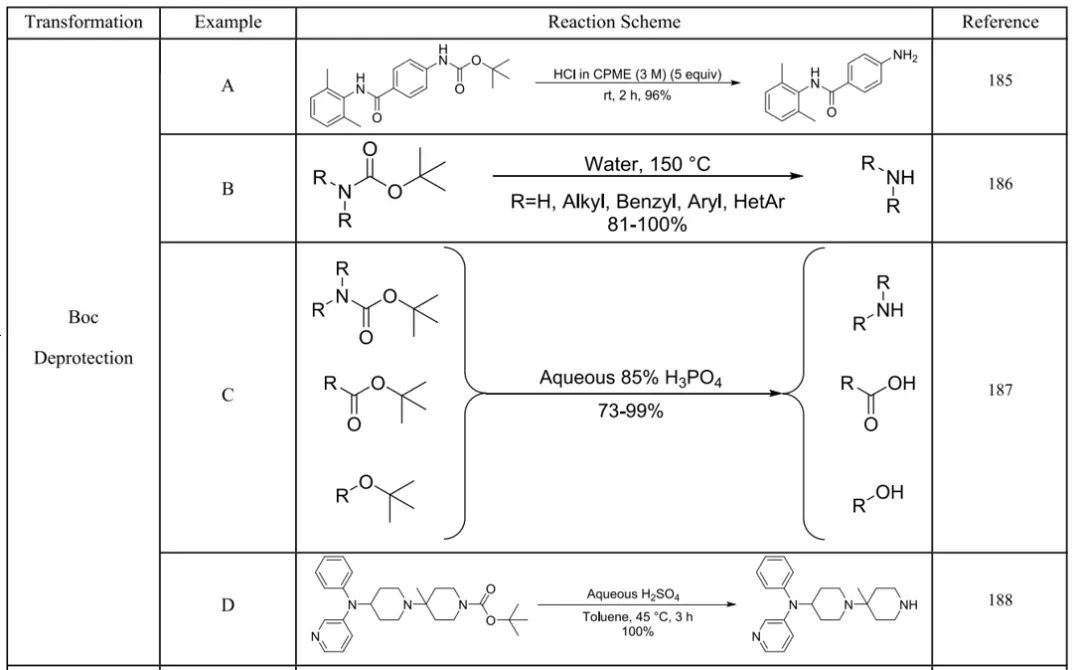
Deprotection with aqueous phosphoric acid at room temperature or with a trifluoroacetic acid / ethyl acetate mixed system, which ensures the efficiency of deprotection while avoiding the introduction of carcinogenic solvents.
Swipe left and right to view images
A New Approach: Cost Reduction and Efficiency Enhancement through Miniaturization and High-Throughput Experiments
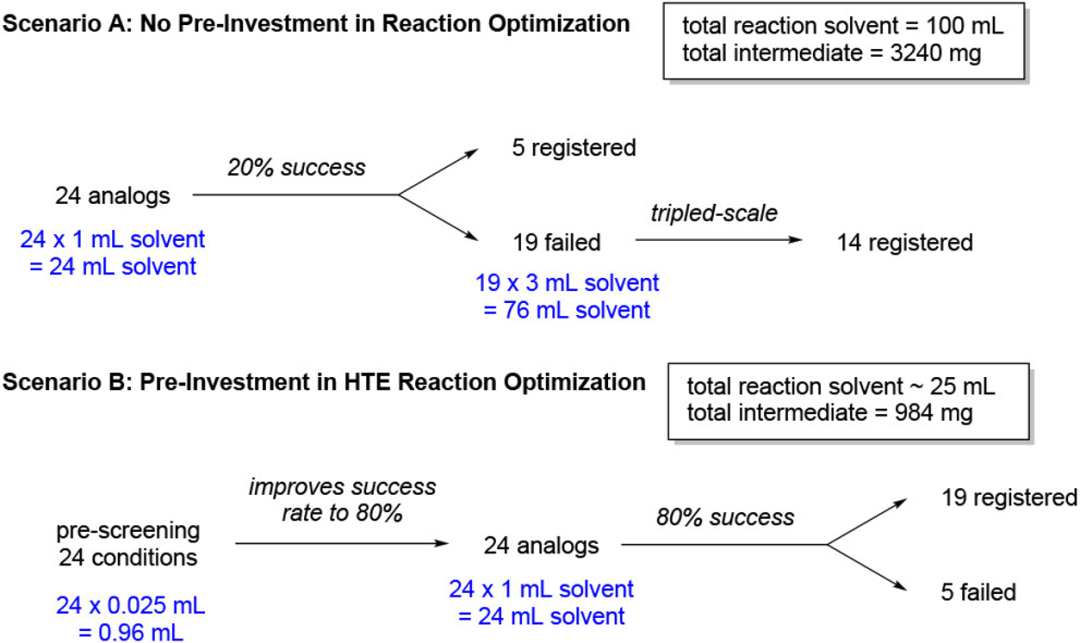
In addition to solvent substitution, the miniaturization of reaction scale and high-throughput experimentation (HTE) provide a new approach to solvent reduction, achieving the breakthrough of "conducting more experiments with less solvent."
Traditional reactions are often carried out in 1mL reaction vessels, whileMiniaturization technology can reduce the reaction volume to 25-100 μL.The total solvent volume of 40 microreactions is equivalent to that of one traditional reaction. More advanced 1536-well plate nanosynthesis (1.2μL/well) consumes less than 2mL of solvent for 1536 reactions, while meeting the milligram-scale product requirements in the early stages of drug discovery.
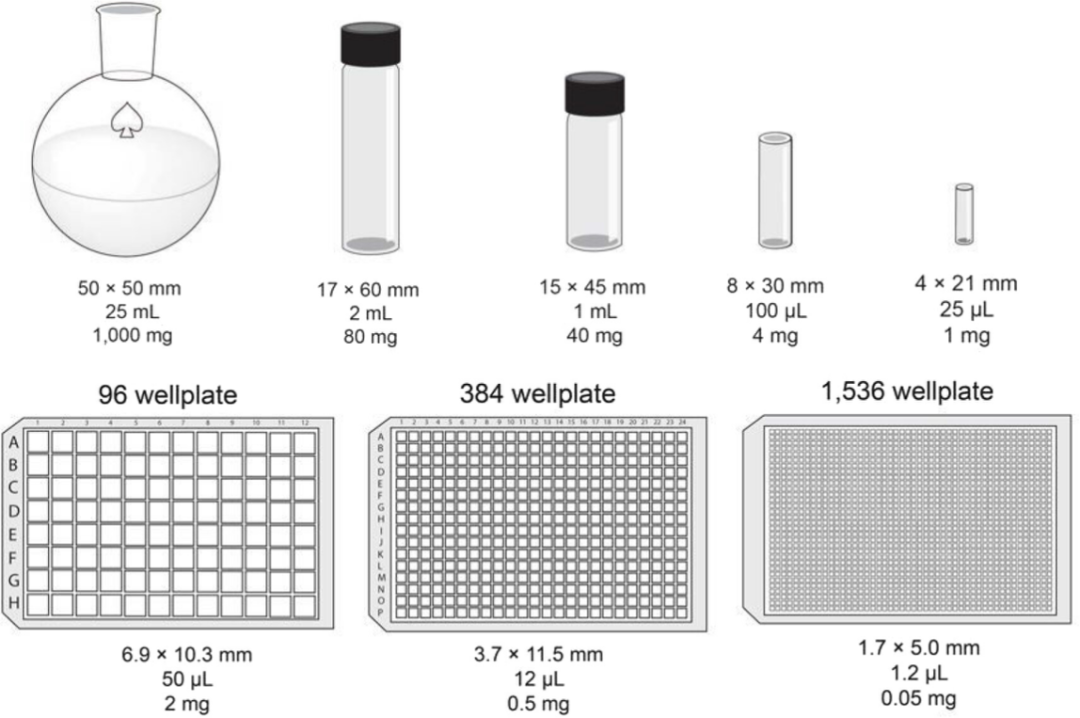
HTE technology can simultaneously conduct dozens or even hundreds of experiments in parallel, rapidly screening for the optimal solvent and reaction conditions.HTE can quickly optimize and increase the success probability of parallel synthesis, break through the limits of nanoscale synthesis, and minimize risks.
Solvent Screening Tools and Guidelines
CHEM21 Solvent Selection Guide
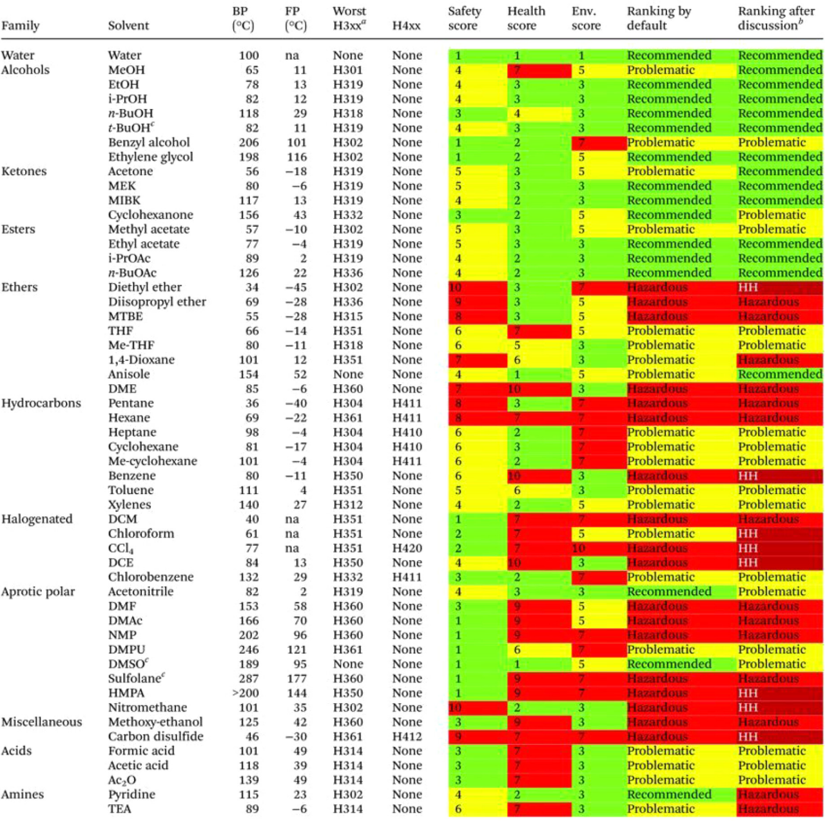
As the "gold standard" for initial solvent screening, this guideline scores 53 common solvents and various emerging green solvents (1-10 points) across three dimensions: safety, health, and environment, categorizing solvents into three classes:
Recommended Solvent:Water, ethanol, ethyl acetate, etc.`, these solvents are low-toxicity, have minimal environmental impact, and can meet the requirements of most conventional reactions;`
Problematic Solvent:Methanol, Isopropanol, etc., with certain acute toxicity or volatility, but can be used under control through protective measures;
Harmful Solvents:DCM, DMF, 1,4-Dioxane, etc., with clear carcinogenic, teratogenic, or explosive risks, need to be replaced as a priority.
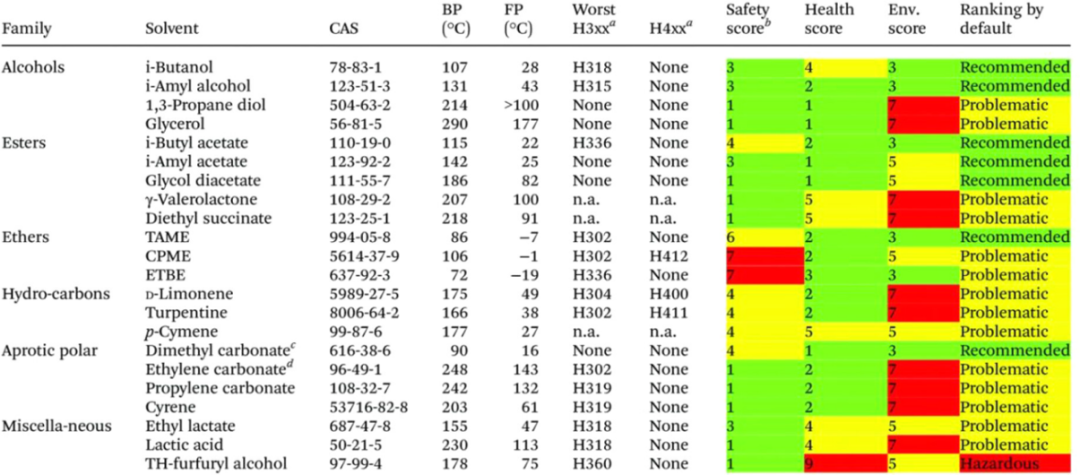
Emerging Green Solvents:Such as γ-valerolactone, ethyl lactate, there is a gap in toxicological/ecological data and further verification is needed.
ACS-GCIPR Solvent Screening Tool
Focus on Molecular Properties Rather Than the Solvent Itself, covering 272 solvents (including traditional/green solvents), integrating 30 physical and chemical properties (boiling point, dielectric constant, Hansen parameters, etc.).
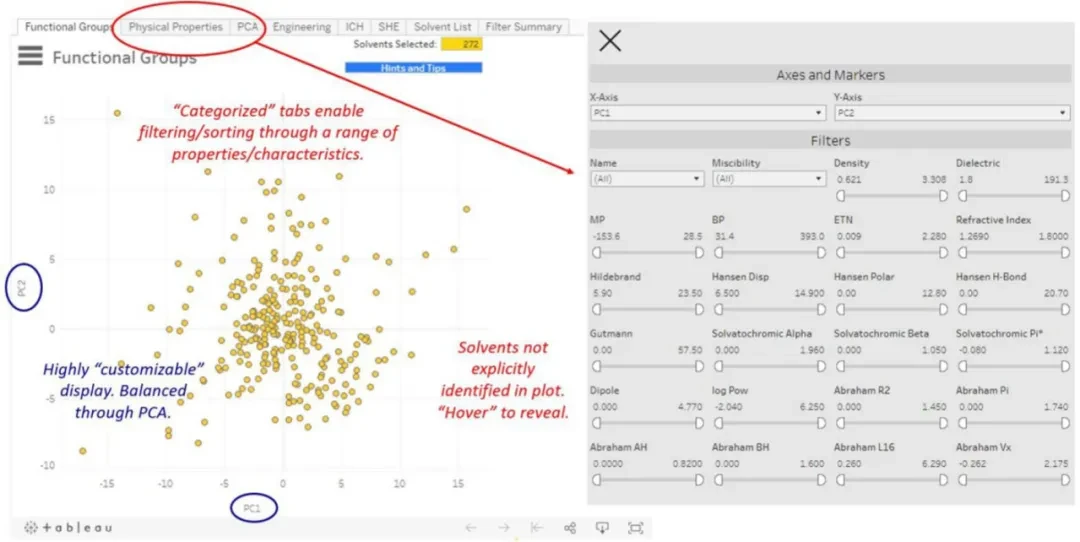
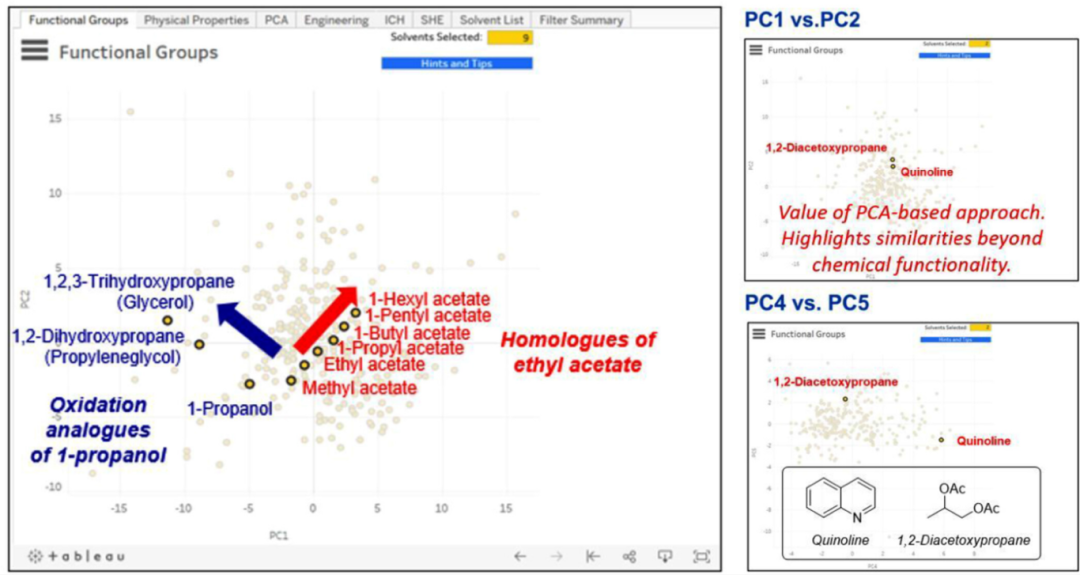
Based on Principal Component Analysis (PCA), solvents can be mapped to a 5-dimensional space, eliminating human bias.Identify functionally similar alternative solvents(such as the polarity matching of ester homologs).
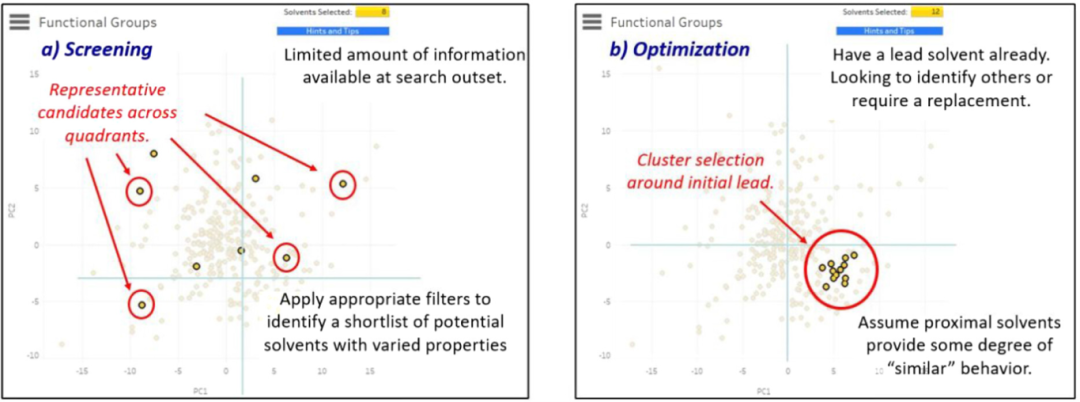
De-identification Screening:During the screening process, candidate solvents were matched solely based on properties such as polarity and hydrogen bonding ability required for the reaction, eliminating biases like "habitually using DCM for extraction" or "prioritizing DMF to dissolve poorly soluble substrates";
Multi-dimensional Attribute Matching:The PC1 dimension represents the overall lipophilicity-polarity of the solvent, the PC2 dimension reflects hydrogen bond binding ability, and PC3-PC5 encompass fine attributes such as solvent volume and three-dimensional structure, which can precisely match the solvent requirements of different reactions.
Scenario-based Application:In the solvent screening phase of new reactions, quickly lock in the optimal property range; in the substitution optimization phase of existing solvents, find functionally similar green alternatives.
Summary
In the early drug discovery stage, the issue of solvent non-sustainability is prominent, with over 40% of reactions relying on harmful solvents; by combining solvent screening tools (ACS-GCIPR/CHEM21), green condition substitutions, and miniaturization/HTE technologies, solvent consumption and environmental risks can be significantly reduced. Meanwhile, attention should be paid to the greening of the entire life cycle of solvents (including the production stage).
Disclaimer: The publication/reposting of this article is solely for the purpose of information dissemination, and does not represent the views of this official account or confirm the authenticity of its content. Any judgment made based on this content will be at your own risk.If there is any infringement, please inform us and we will delete it immediately!
Long press to follow this official account