State Council Endorses 'Internet + Healthcare' Initiative; China's Digital Economy Summit Held in Chongqing
One WeekFor industry updates, read VCBeat Weekly.
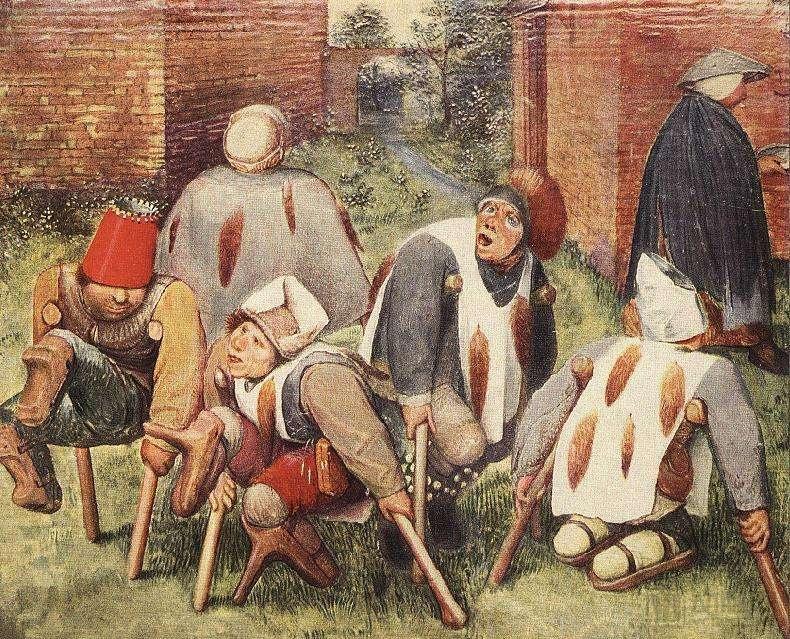
Work | The Beggars
Author | Pieter Bruegel
Visual History of Healthcare | Issue 20180415
This painting is by Pieter Bruegel the Elder, the greatest genre painter of the 16th-century Low Countries. It depicts five crippled beggars in a hospital built of red brick, painfully dragging their crutches and seemingly heading in different directions to beg.
During the same period, Pieter Bruegel also created a painting titled *Netherlandish Proverbs* (Bruegel Pieter Art Painting). The artwork reveals that people at the time lived in crowded and unsanitary conditions. Grains stored under such circumstances were highly susceptible to mold growth and mycotoxin contamination. Prolonged consumption of contaminated food led to lower-limb gangrene, often necessitating amputation, which explains the scenes depicted in the painting.
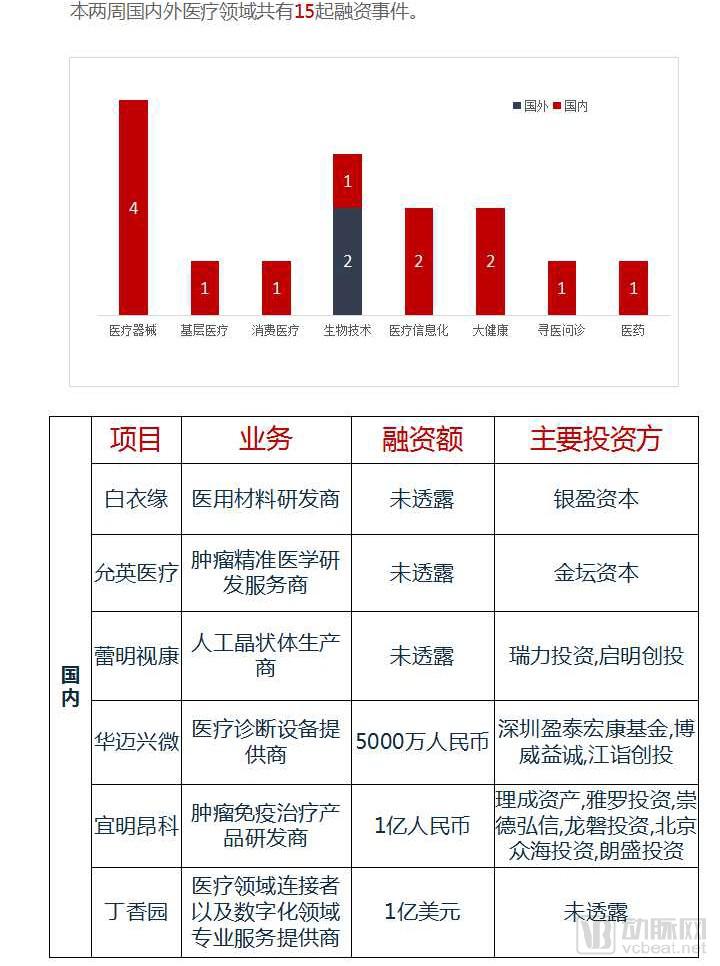
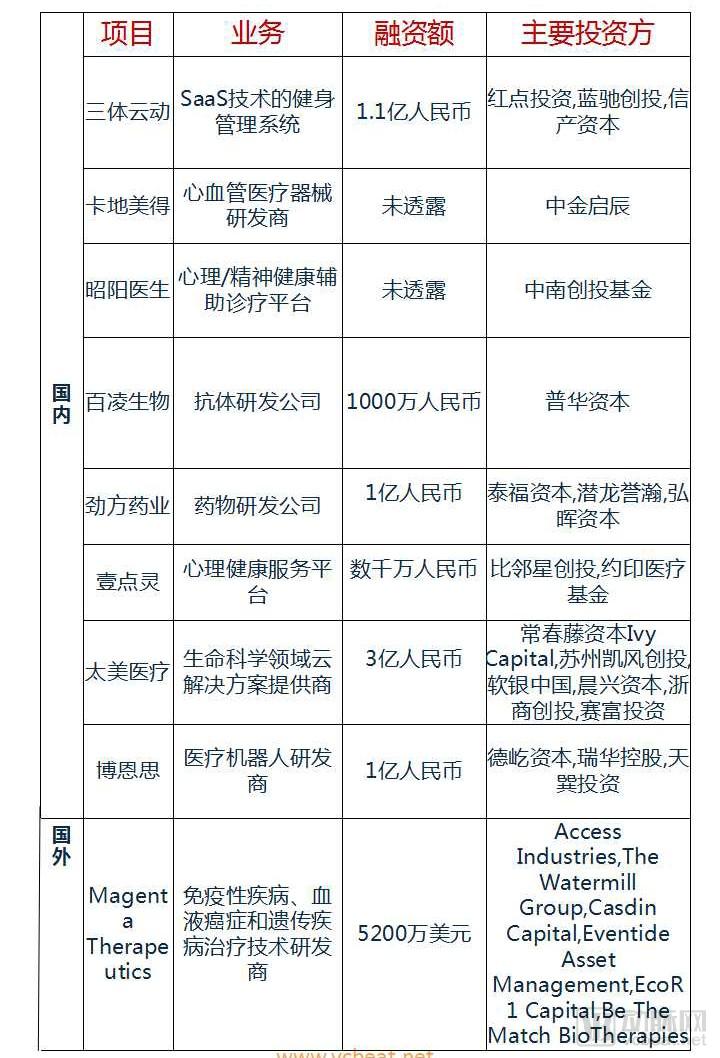
This week, the State Council’s executive meeting was convened to establish measures for developing “Internet Plus Healthcare,” aiming to alleviate difficulties in accessing medical care and improve public health. The meeting also decided to implement zero tariffs on imported anticancer drugs and encourage the import of innovative medicines. The 2018 China “Internet Plus” Digital Economy Summit was held in Chongqing. Borns Medical Robot completed a RMB 100 million Series A financing round to empower minimally invasive surgical robots with AI. Taimei Medical Technology secured RMB 300 million in Series D financing to accelerate the market launch of new drugs through informatization. The mental health service platform Yidianling raised tens of millions of RMB in Series A financing to develop AI applications and accelerate the R&D of intelligent psychological products. Biocytogen completed a RMB 410 million Series C financing round to build a comprehensive biopharmaceutical CRO company based on gene-edited animal models. The Guangdong Pharmaceutical Exchange Center joined hands with the Foshan Human Resources and Social Security Bureau to explore a new model for provincial-municipal joint centralized drug procurement. Tencent partnered with the UK-based digital health company Babylon Health to leverage artificial intelligence for health assessments…Master the Week's Industry Trends in 10 Minutes with VCBeat Weekly.
At this year’s Two Sessions, issues such as poverty caused by illness and the shortage of general practitioners in primary healthcare were once again highlighted. As one of the core institutions in primary healthcare, what is the positioning of community health service centers? Which regions have performed well? What best practices can be drawn from them? And what are the emerging trends? VCBeat has compiled an analysis on these topics.
According to statistics from the VCBeat database, there were 249 financing events in the global healthcare industry in Q1 2018, a year-on-year decrease of 13.5%, while the total financing amount exceeded US$6.5 billion, representing a year-on-year increase of 7.5%. Among all sectors, biotechnology attracted the most investment, ranking first in both the number of financing events and the total amount raised, with 52 deals and over US$2.5 billion secured.
Driven by the continued advancement of the separation between medical services and pharmaceutical sales, prescription outflow is reaching a tipping point for widespread expansion. In essence, prescription outflow represents a redistribution of profits from drug sales, naturally attracting intense competition from various market players. Pharmaceutical manufacturers, distributors, and retailers have made numerous attempts to capitalize on this trend, aggressively vying for market share.
VCBeat summarizes that there are five major models for prescription outflow. We have selected cases such as Shanghai Pharmaceuticals, Jointown Pharmaceutical Group, and Guoda Drugstore to provide an in-depth analysis of the business models for prescription outflow.
As the most bustling platform for new product launches in the Asia-Pacific region, this exhibition saw companies unveil a total of 600 new products. Major players such as GE HealthCare, Siemens, United Imaging, Philips, and Hisense Medical all introduced new offerings, particularly in the realm of digital healthcare products and solutions. Following the first day of the event, VCBeat promptly compiled a selection of impressive digital health innovations.
From the perspectives of industrial structure and business model, Ningxia’s form of internet healthcare aligns almost entirely with the national strategy to vigorously develop and promote the “Internet + Healthcare” initiative. In early April, just one week ago, VCBeat visited Ningxia to conduct an in-depth investigation into the practical achievements of the Internet Medical Consortium in Shizuishan City, aiming to gain a comprehensive understanding of the actual implementation of internet healthcare in Ningxia over the past year.
Saturday:Three Overseas Collaborations by Tencent That Aspiring Medical AI Entrepreneurs Must Know
Tencent has reached an agreement with Babylon Health, a renowned UK-based AI healthcare company, to leverage its artificial intelligence algorithms for pilot health assessments on the WeChat platform. This move represents Tencent’s strategy of introducing the capabilities of emerging companies with established overseas presence into the Chinese market through various forms of collaboration—a practice it has adopted before. In the realm of medical innovation, particularly in AI-driven healthcare, Tencent appears to be advancing a strategy of seeking overseas partners and leveraging external expertise to accelerate and deepen its healthcare business operations.
Consumer Healthcare:Invisalign: Annual Profit Reaches $1.3 Billion, Now Exploring Offline Retail Model
Artificial Intelligence:Bornes: Completes RMB 100 Million Series A Financing, Empowering Minimally Invasive Surgical Robots with AI
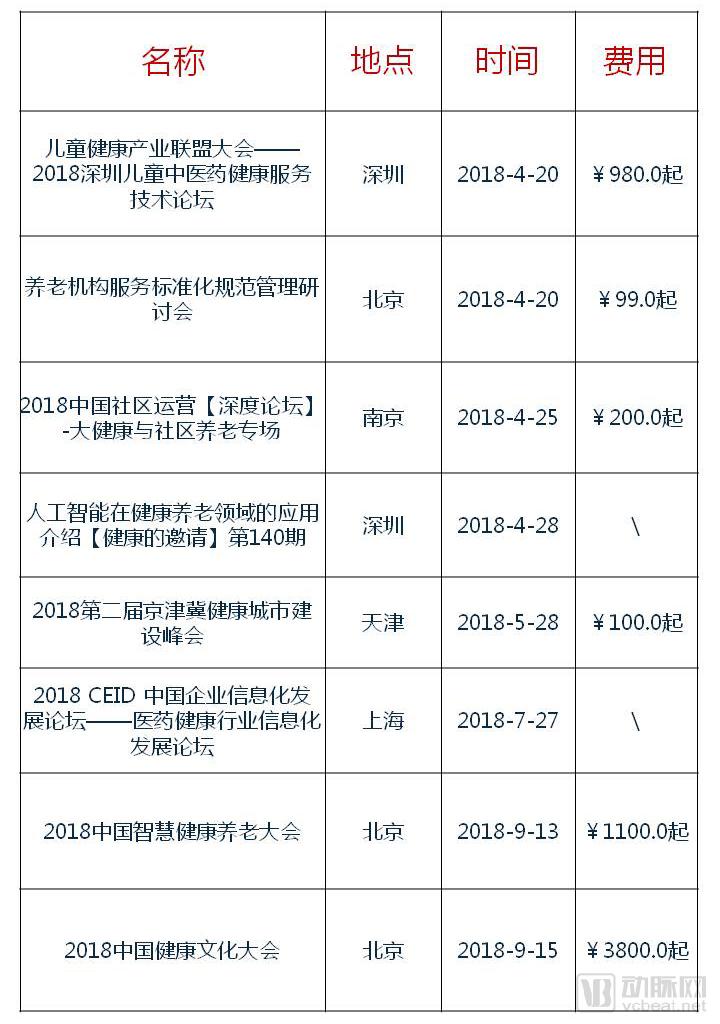
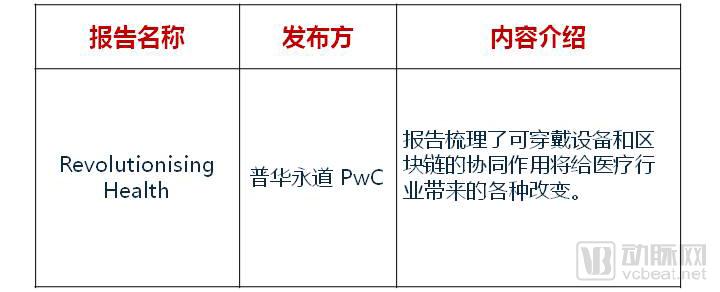
For more content, please visit the VCBeat Knowledge Base!