

Hezheng Integrated Medical Center, Backed by Hezheng Physician Group, Launches Innovative Post-Tumor Management Model
The “Latest 2018 National Cancer Report,” released by the National Cancer Center in February 2018, stated: “In 2014, an estimated 3.804 million new cases of malignant tumors occurred nationwide in China, with an average of seven people diagnosed with cancer every minute.”Note
Regardless of the probability, it is an indisputable fact that a significant number of cancer patients survive. Both patients and their families endure unbearable physical and psychological suffering, resulting in a substantial demand for cancer rehabilitation; however, there is a lack of formal medical institutions in China providing professional and effective treatments for this purpose. Fan Daiming, an academician of the Chinese Academy of Engineering, has publicly stated on numerous occasions that “the value of medicine lies in integration, the challenge lies in integration, and success lies in integration.”
On April 13, 2018, Hezheng Integrated Medicine Center held a press conference in Chongqing to announce its establishment. As the first new-type medical entity in China to practice the integrated medicine system, the center was established with the support of the Hezheng Physician Group.
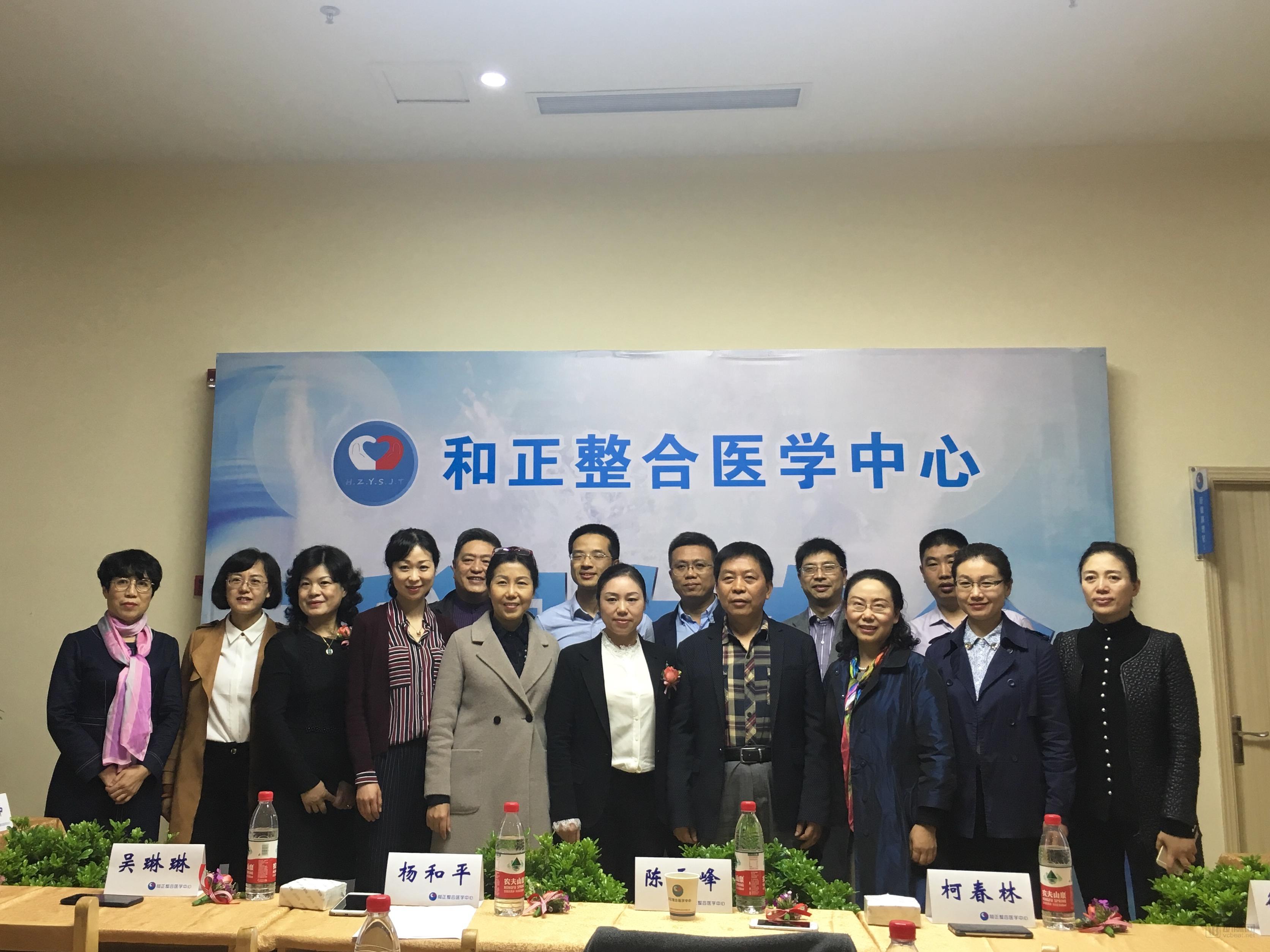
Jiang Jinyan, founder of Hezheng Doctor Group, is the fifth person from the right in the front row (Photo by VCBeat)
On the day of the press conference, experts including Professor Yang Heping from the Department of Respiratory Medicine at Southwest Hospital of Army Medical University, Associate Chief Physician Ke Chunlin from the Department of Radiation Oncology at the First Affiliated Hospital of Fujian Medical University, and Xu Wenhong, Secretary of the Youth League Committee at Gansu Provincial Cancer Hospital, were all in attendance. The event also attracted nearly 100 healthcare professionals from Chongqing, Sichuan, Fujian, Guizhou, Hong Kong, and other regions, who gathered to witness the launch and development of the Integrated Medicine Center, a novel healthcare model.
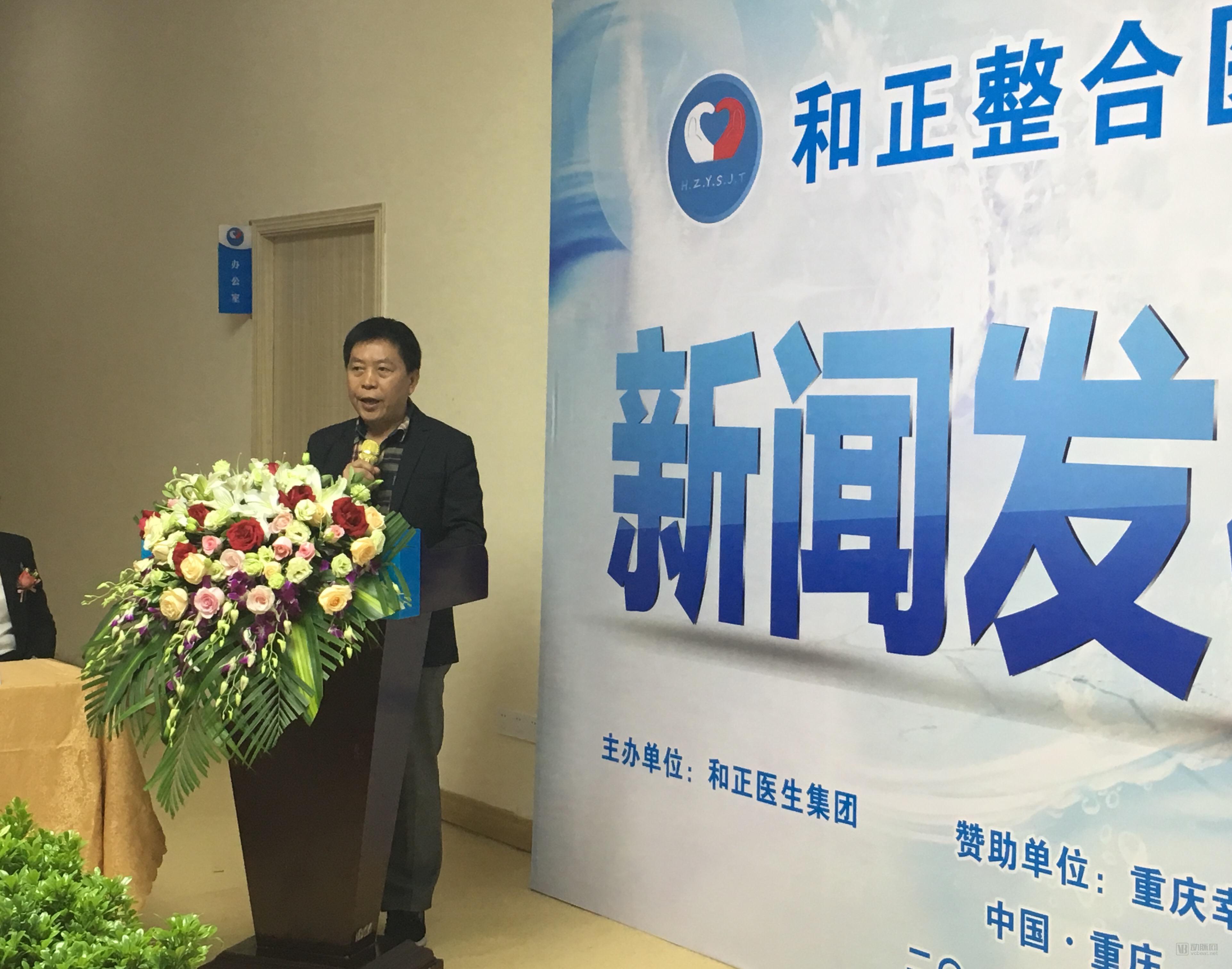
Professor Yang Heping, a respiratory specialist at Southwest Hospital of Army Medical University (Photo by VCBeat)
At the press conference, Dr. Jiang Jinyan, founder of Hezheng Doctor Group, first shared her entrepreneurial journey and announced the establishment of the center. Subsequently, Professor Yang Heping delivered a keynote speech on integrative medicine. During the salon held that day, attending healthcare professionals engaged in substantive, empathetic, and passionate discussions on the theme, “What Kind of Healthcare Should Be Provided in the New Era?”
Hezheng Doctor Group is the first medical innovation practice platform in Southwest China under the doctor group model. Established in 2016, the Group adheres to the service philosophy of “providing assistance to patients and granting physicians greater professional autonomy.” It actively contributes to improving China’s healthcare environment, optimizing the utilization of limited physician resources, assisting primary-care physicians in enhancing their clinical capabilities, and advancing medical technology. Guided by its responsibility and health ideals—“Health-related, Life-entrusted, Practicing Medicine with Love”—the Group fosters the professional ethos of every affiliated physician.
For Hezheng Medical Group, the Hezheng Integrative Medicine Center serves both as an implementation model and a training base. Through the center’s clinical practice, we explore the efficacy and role of integrative medicine in the management of cancer patients.
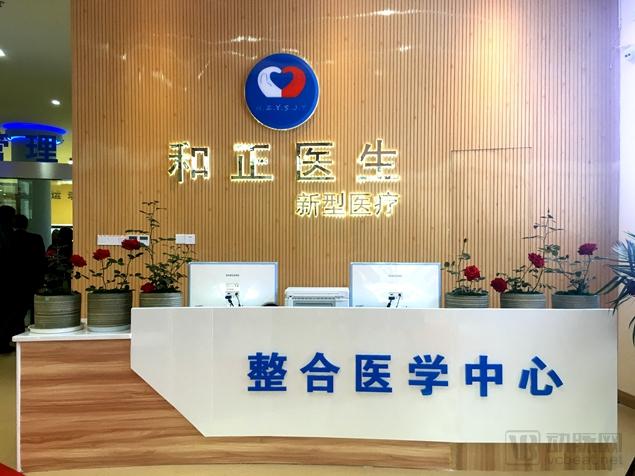
Actual View of Hezheng Integrated Medicine Center (Photographed by VCBeat)
Regarding the significance of establishing the Center for Integrative Medicine, Jiang Jinyan stated, “The etiology of cancer is complex. Patients at major hospitals primarily undergo surgery, radiotherapy, or chemotherapy, which merely remove the tumor—the ‘outcome’—without addressing the underlying cause. Therefore, we need to employ other approaches to help patients restore their body’s equilibrium. This is where integrative medicine becomes essential.”
Holistic Integrative MedicineHolistic Integrative Medicine, fully named as such, refers to a new medical system that starts from the wholeness of the human being. It organically integrates the most advanced theoretical knowledge from various fields of medicine with the most effective practical experience from clinical specialties. This system is further refined and adjusted based on the realities of social, environmental, and psychological factors, making it more aligned with and suitable for human health and the diagnosis and treatment of diseases. Holistic Integrative Medicine restores organs to the patient and symptoms to the disease, achieving equal emphasis on mind and body, parallel development of Traditional Chinese Medicine and Western medicine, simultaneous prevention and treatment, integrated medical care and health maintenance, and concurrent treatment of both the person and the disease, thereby returning healthcare to its humanistic roots.
The Integrated Medicine Center serves as the incubator for this healthcare model. Here, patients and their families will no longer encounter isolated oncologists, but rather mind-body medical teams led by them; they will no longer feel the coldness of hospital beds, but instead experience the warmth of compassionate care.
Guided by a humanistic spirit, the establishment of the Hezheng Integrative Medicine Center was originally intended to introduce the “3V” service model—Living (living authentically), Loving (loving sincerely), and Giving (giving genuinely)—with the aim of helping cancer patients rebuild a scientific lifestyle and embark on a distinctive journey with cancer.
Guided by the integrative medicine framework, Hezheng Integrative Medicine Center has developed the “Hezheng Integrated Health Management Program for Cancer Patients.” Adhering to the principles of “professionalism, safety, and efficacy,” the center designs health management protocols and processes structured around three-month cycles for patients. By rigorously selecting and repeatedly validating 30 core multidisciplinary indicators, it has established the “Hezheng Quality Control System for Health Management of Cancer Patients.”
Centered on oncology, the team extends into psychology, medical nutrition, sports medicine, traditional Chinese medicine, rehabilitation medicine, and health management, fostering interconnections among these disciplines to ultimately construct a novel healthcare model.
The central hand function team integrates techniques from Germany, Australia, Hong Kong, and other regions to develop a unique systematic decongestive therapy, providing effective management for lymphedema following breast cancer surgery, pelvic cancer surgery, and radiochemotherapy for nasopharyngeal carcinoma. Meanwhile, the psychology and nutrition teams are composed of professionals from top-tier tertiary hospitals, such as Southwest Hospital of the Third Military Medical University.
VCBeat observed on-site that the center features zones serving diverse departmental functions, including consultation rooms, an international multidisciplinary consultation room, a psychology room, a sports assessment area (Sports Pod), an exercise training room, and a nutrition education area. This departmental configuration is specifically designed to address the fragmentation of specialties in large hospitals, where patients often fail to receive comprehensive, multidisciplinary treatment plans.
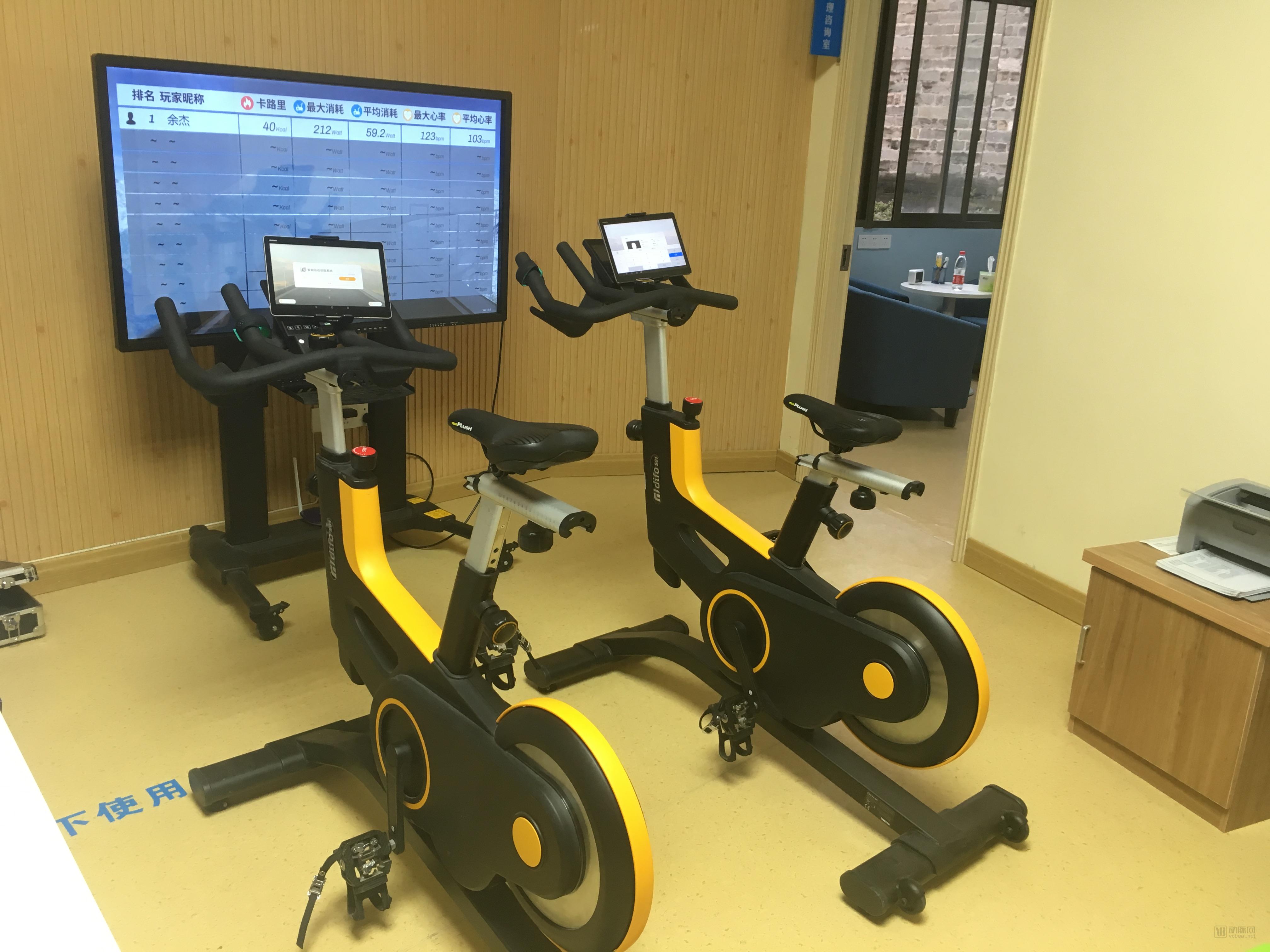
Exercise Assessment Area at Hezheng Integrated Medicine Center
Jiang Jinyan stated, “In clinical practice over the past few years, we have found that combining integrative medicine with intensive therapy enables cancer patients to better tolerate radiotherapy and chemotherapy, manage treatment-related adverse effects more effectively, and achieve prolonged survival even among those who are unable to undergo radiotherapy or chemotherapy.”
Note: As data from the National Cancer Registry Center are generally delayed by three years, the data released in this report are based on the 2014 registration records collected and aggregated by the National Cancer Registry Center from cancer registries across China.