

Lianxin Unveils Intelligent Ward Medication Management System at CMEF Spring 2018
From April 11 to 14, 2018, Lachesis presented its comprehensive smart ward solution at the 79th China Medical Equipment Fair (CMEF Spring 2018). During the event, Lachesis grandly unveiled its flagship new product for 2018—the Intelligent Ward Medication Management System.
2018 New Product Launch: Smart Pharmacy Deployed at the Ward Level
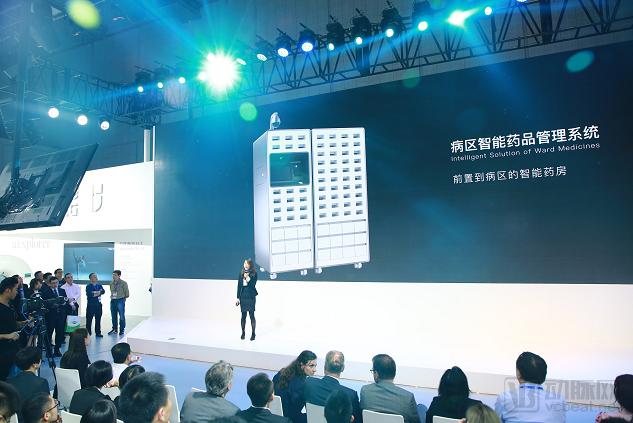
At the press conference, the Lachesis Ward Intelligent Medication Management System (hereinafter referred to as the “Intelligent Medicine Cabinet”) was unveiled for the first time.
Lachesis Intelligent Ward Medication Management System centers on ensuring medication safety by decentralizing the central pharmacy to the ward level as a satellite pharmacy, making it an indispensable component of hospital-wide medication management.
An integrated system comprising smart hardware, software, and a platform breaks the traditional drug delivery link from the pharmacy to the ward, optimizes the medication dispensing process, reduces patient waiting time for medications, and enables remote safe storage, automated dispensing, inventory and expiration date management, and precise tracking of ward medications.
Smart Ward: Establishing a Benchmark for Smart Hospital Development with Intelligent Nursing at Its Core
Leveraging technologies such as the Internet of Things (IoT), big data, and cloud computing, Lachesis Smart Ward integrates intelligent hardware and software applications with existing hospital facilities and systems to build an intelligent and efficient comprehensive management platform for medical staff and patients. This approach better ensures medical safety, adheres to a patient-centered philosophy, and delivers high-quality medical services.
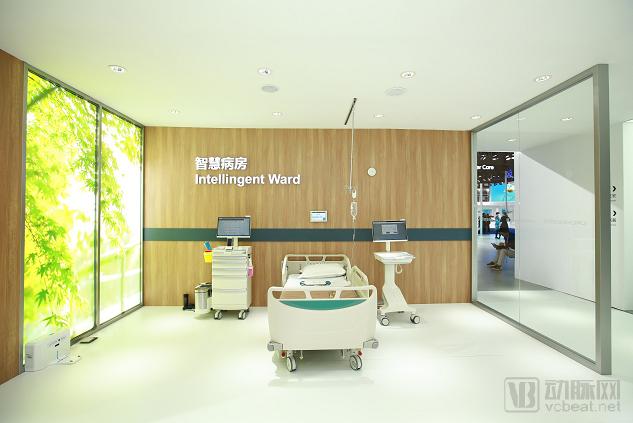
Lachesis Smart Ward Integrated Solution mainly includes the following products:
China’s First Bluetooth IoT-Based Fully Closed-Loop Infusion Solution
The fully closed-loop intelligent infusion management system achieves precise monitoring and closed-loop management throughout the entire infusion process. The infusion monitor features a sleek, lightweight, and minimalist design, which, combined with its high-precision technological core, makes it particularly eye-catching.
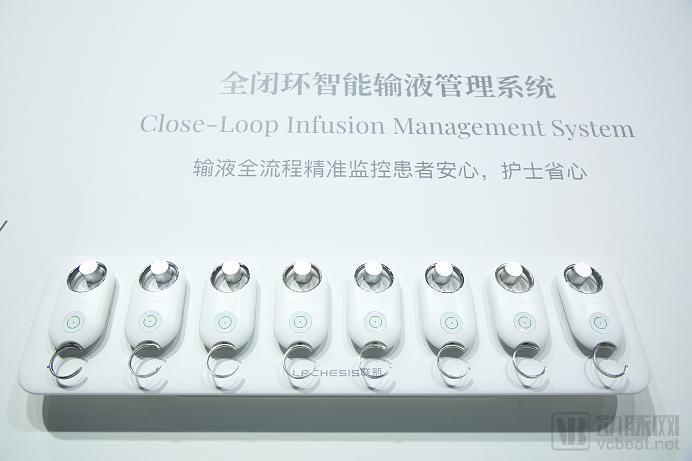
Nurses can remotely monitor patients’ infusion drip rates and remaining fluid volumes via large screens, computers, or handheld NDAs at the nursing station. The system provides intelligent alerts for upcoming bottle changes and needle removals (indicating how many minutes remain), as well as any infusion abnormalities. This supports nurses in achieving closed-loop infusion management across the entire workflow—from physician order entry and solution preparation to administration—thereby effectively ensuring infusion safety and improving their work efficiency.
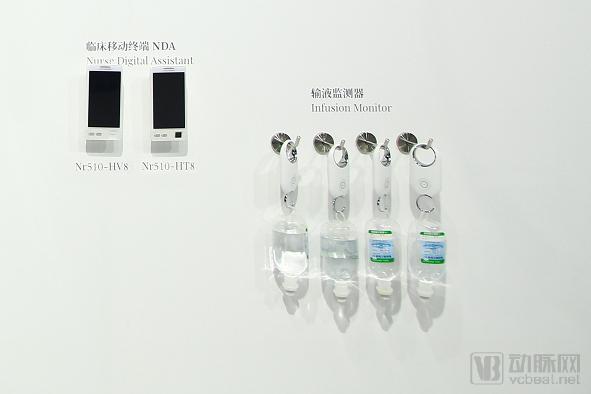
The Clinical Mobile Terminal NDA is a component of the fully closed-loop intelligent infusion management system. The Nr510 series of clinical mobile terminals has added a new product, the HT8. Inheriting the classic design philosophy of the NDA—“the nurse’s backbone, the angel’s waist”—the HT8 supports full network compatibility and offers optional features such as RFID functionality.
Mobile Doctor/Nursing Workstations: Enhancing Healthcare Efficiency and Driving Medical Innovation with Smart Technology
In the past, nurses often had to make multiple trips to complete nursing tasks. Now, with mobile nursing workstations, they can bring commonly used nursing tools and medications to the bedside in one go, while also accessing patient information and medical orders at any time. This effectively reduces the frequency of nurses' back-and-forth movements, improves work efficiency, and truly realizes the goal of "giving time back to nurses and returning nurses to patients."
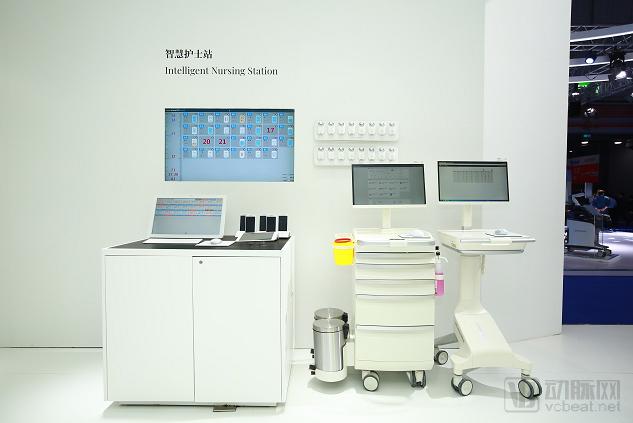
Furthermore, Lachesis has also equipped physicians with a dedicated “Smart Assistant”—the Mobile Physician Workstation. By leveraging the Mobile Physician Workstation and the Clinical Medical-Education-Research System, physicians can rapidly retrieve and review patient conditions at the bedside. Utilizing its proprietary cognitive algorithms, the system deeply mines medical data to assist physicians in diagnosis and treatment, as well as in teaching and scientific research.
Compared with traditional mobile nursing carts, Lachesis’s mobile workstations feature numerous innovations. The Smart-WiFi performance optimization solution not only enables faster and more stable Wi-Fi connectivity but also ensures seamless handover during free movement. Its integrated design allows for one-touch power-on and power-off, delivering exceptional speed and efficiency in user experience. In terms of exterior design, all cables are concealed, leaving no visible wires on the entire unit. Additionally, its proprietary one-touch braking technology allows users to engage the brakes with a simple press.
Automatic Vital Signs Acquisition and Intelligent Analysis, Comprehensive Patient Care, Early Risk Prevention
The acquisition of vital signs has shifted from traditional manual measurement and recording to the use of devices such as pulse oximeters, wireless infrared tympanic thermometers, and wireless blood pressure monitors. These tools enable nurses to easily collect patients’ vital sign data, including body temperature, heart rate, blood oxygen saturation, blood pressure, and pulse. Patients are no longer confined by restraints or entangled in wires, significantly enhancing nursing comfort.
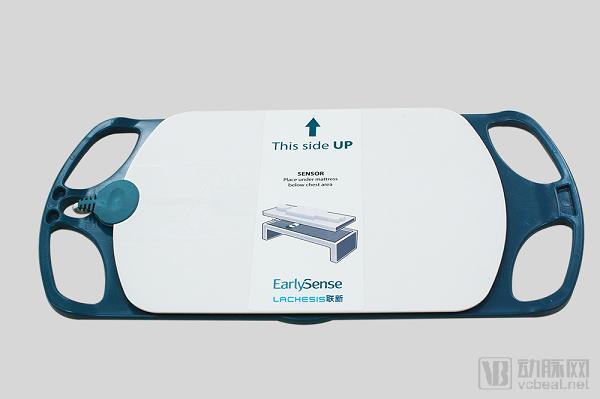
Furthermore, the non-contact vital signs monitoring system, jointly developed by Shenzhen Lachesis Mhealth Co., Ltd. and EarlySense, a renowned Israeli medical device company, enables precise measurement and transmission of vital sign data—including heart rate, respiratory rate, bed exit, and turning status—without physical contact with the patient. This non-contact smart monitoring system is suitable for patients who are bedridden for extended periods, require continuous tracking, or prefer to avoid contact-based monitoring devices.
Connect people, objects, information, and data; ensure the safety of medical staff and patients; and achieve remote dynamic management of smart devices.
The Smart Bedside Card System, Healthcare Worker Mutual Assistance System, and Consultation Room Payment Terminal bring convenience and safety to the work of medical staff; the Device Dynamic Management System enables hospital administrators to reliably and effectively manage and track Lachesis’s full range of smart devices. This facilitates unified management and maintenance of mobile terminals distributed across various functional departments throughout the hospital, improving management efficiency and quality, while ensuring that medical information is not leaked through advanced security management.
Lachesis builds smart hospital wards to help medical staff work more safely and efficiently, freeing up time for patient care. Doctors can conveniently conduct mobile rounds and teaching at the bedside using mobile doctor workstations; meanwhile, the application of intelligent systems such as the closed-loop smart infusion management system, clinical mobile terminals (NDA), and vital signs collection systems provides nurses with more convenient ways of working. The ultimate goal is to allow medical staff to devote more time to participating in patient treatment processes.
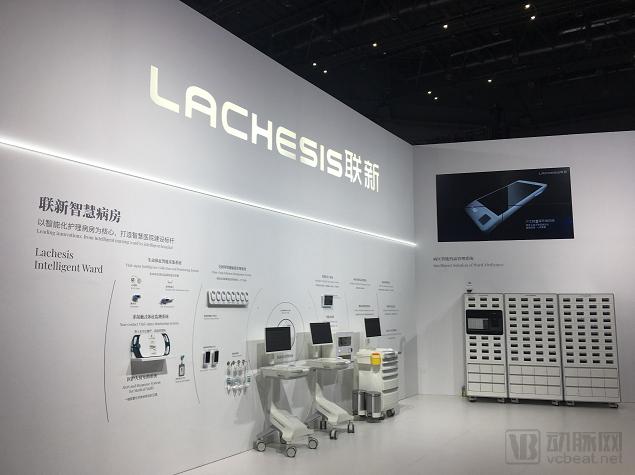 Overview of Lachesis Smart Ward Product Display
Smart Operating Room: Full Closed-Loop Management in the Perioperative Period
Lachesis and United Imaging have jointly created a smart operating room demonstration zone, facilitating precise preoperative planning, surgical simulation, and intraoperative navigation. By leveraging cutting-edge AR/VR technologies and precise algorithms, clinical MRI and CT cross-sectional images are reconstructed into realistic three-dimensional visuals. This system enables medical professionals to visualize human organs, muscle tissues, and skeletal structures, significantly supporting remote consultations, surgical training, and the rapid professional development of young physicians.
Lachesis’s Fully Closed-Loop Operating Room Management System provides hospitals with a patient-surgery-centric, end-to-end management solution covering the entire perioperative process. This includes closed-loop management of patient transport, medical staff, surgical procedures, instruments and consumables, and operating room operations. The system seamlessly integrates with Hospital Information Systems (HIS), Medical Picture Archiving and Communication Systems (MPACS), and other management platforms, as well as with departments such as Equipment Management, Blood Transfusion, and Pathology Specimen Processing, ensuring accurate documentation of all events throughout the surgical workflow. By reducing the time healthcare professionals spend on manual documentation, the system enhances work efficiency, lowers medical costs and risks, and promotes the standardization and digitalization of hospital processes.
Chronic Disease Management: A New Model Extending from Smart Wards to Communities and Households
As one of Lachesis’s strategic development directions, chronic disease management currently focuses on diabetes as a breakthrough point, aiming to build a comprehensive diabetes management platform that spans both in-hospital and out-of-hospital care. Within the hospital, nurses use clinical mobile terminals (NDA) to wirelessly collect and upload patients’ blood glucose measurements, enabling physicians to access real-time blood glucose data. The system also provides features such as critical value alerts, blood glucose analysis, and assessment reports to assist physicians in managing blood glucose levels for patients across the entire hospital. After discharge, patients can record and upload self-management information via a mobile app. A multidisciplinary healthcare team—comprising endocrinologists, dietitians, and diabetes specialist education nurses—can then provide remote management for discharged patients through the system.