

Alphabet's AI-Driven Healthcare Strategy: Overview of Verily, DeepMind, and Calico and Their Focus on Five Major Disease Areas
In traditional markets, Google has long viewed itself as a search and advertising company. In recent years, it has shifted its focus to healthcare, believing that its AI technology can create a powerful new paradigm for the detection, diagnosis, and treatment of diseases.
Recently, a report by CB Insights outlined Google’s explorations in artificial intelligence and the areas it may expand into in the future. VCBeat (WeChat ID: vcbeat) has translated and compiled this report to provide reference for companies in China.
Since entering the healthcare sector, Google has relied heavily on its AI expertise across all aspects.
From new electronic record standards and imaging to DNA sequencing, health data is becoming digitized and structured. Google is helping to accelerate the process of data structuring by creating new methods for ingesting health data, firmly believing that artificial intelligence is more accurate than current approaches and capable of rapidly identifying data.
Among the five major tech giants (Facebook, Apple, Microsoft, Google, and Amazon), Google emphasizes that its advancements in machine learning far surpass those in other areas.
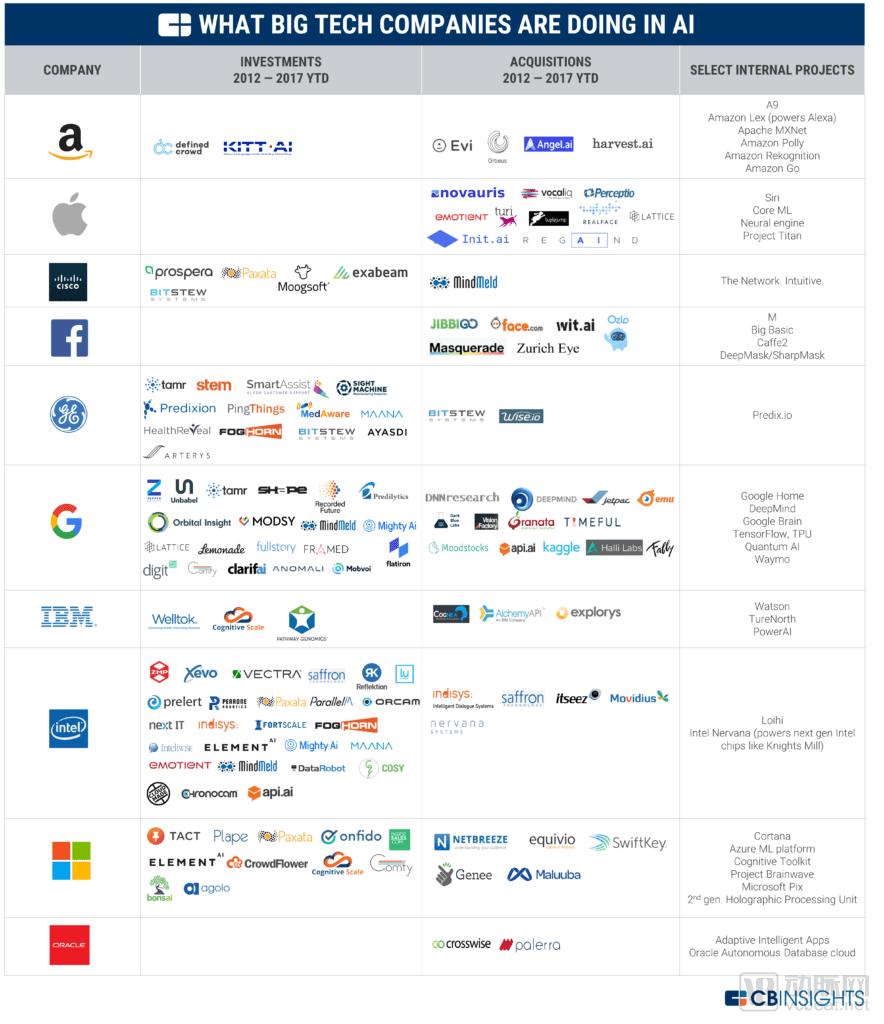
As artificial intelligence becomes a key differentiator in the healthcare sector, Google’s positioning demonstrates a distinct advantage.
Since entering the field of artificial intelligence, Google has doubled its output of research papers, established more AI research centers worldwide, and developed chips and hardware specifically designed to run AI/ML workloads. Furthermore, among major technology companies, Google is the most active investor and acquirer in the AI sector, leveraging increased investment to attract talent and forge partnerships with emerging AI applications.
In 2015, Google restructured into Alphabet, with AI becoming central to the strategy of nearly every division. As part of this restructuring, healthcare projects previously under Google X (Google’s secret special projects lab) became a new subsidiary of Alphabet.
Under the new structure, Google enables its various businesses to operate independently. To some extent, this restructuring relatively separates Google’s health business, transforming it from a “Moonshot” initiative into concrete, implemented projects (Note: Google refers to highly ambitious and seemingly improbable ventures as “Moonshots,” which can be understood here as “cutting-edge breakthrough technologies”). Reportedly, the revenue generated by “Moonshot” businesses will also be reported separately from the sales and profits of the core search and advertising divisions.
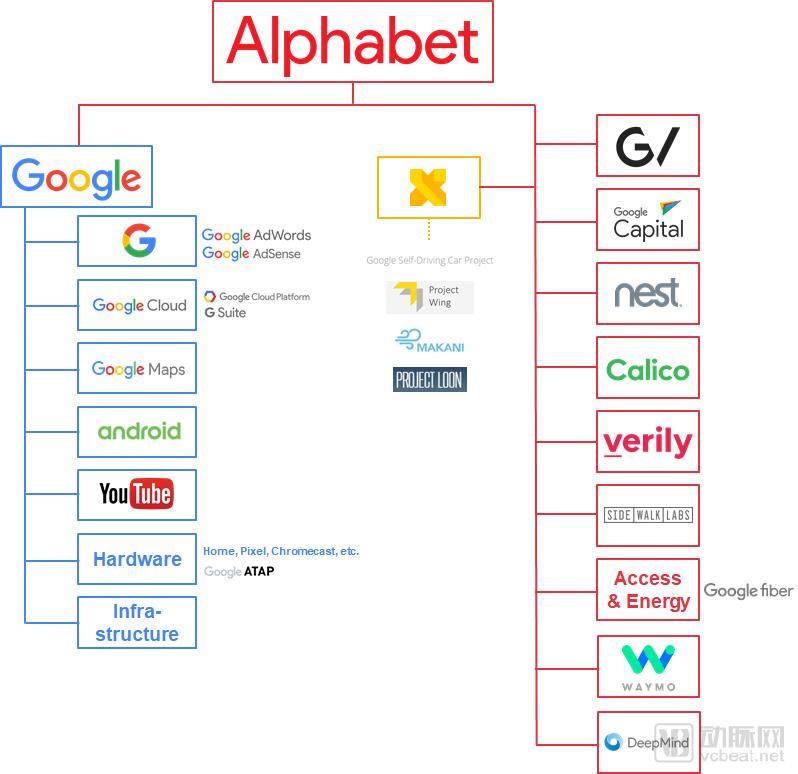
Google’s Overall Structure After Reorganizing into Alphabet
Within Google’s overall structure, attention must be paid to three subsidiaries focused on healthcare: Verily, DeepMind, and Calico.
Verily
Verily is the Alphabet subsidiary that houses most of its healthcare operations. The company focuses on improving healthcare through data-driven analytics, interventions, research, and other initiatives.
Verily was founded by Andrew Conrad, who also established the National Human Genome Research Institute. This subsidiary is primarily dedicated to collaborating with existing medical institutions to identify areas for AI application. The company has developed the Study Watch, a wearable device that captures biometric data, which is currently awaiting FDA approval and has become central to many of the research initiatives discussed below.
Verily has recently increased its investments in startups, establishing a laboratory space for companies such as Fronome and Culture Robotics. Verily also announced its international expansion through an $800 million investment from Temasek Holdings, Singapore’s sovereign wealth fund, leveraging this capital to invest as a limited partner in the European investment firm Medixci Ventures.
DeepMind
DeepMind is dedicated to artificial intelligence research. One of its primary missions is to explore applications of AI in the healthcare sector.
In January 2014, Google acquired DeepMind for more than $500 million. Based in London and led by Demis Hassabis, DeepMind has long maintained close collaboration with the National Health Service.
Calico
Calico is dedicated to researching and combating aging and age-related diseases. The subsidiary leverages AI to analyze large datasets while automating laboratory processes. Calico is led by Arthur Levinson, the former CEO of Genentech.
Google has also invested heavily in the healthcare sector through its venture capital arm, GV.
Google Ventures(GV)
In recent years, the overall investment pace of growth venture (GV) capital across various industries has slowed down, but in the healthcare sector, its investment speed continues to accelerate.
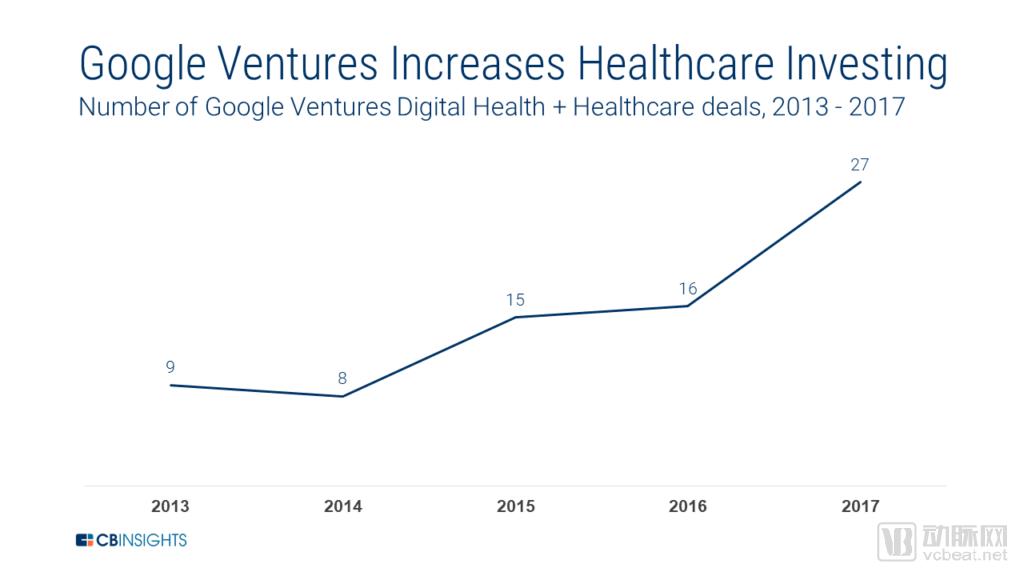
2013–2017: GV’s Investment Pace Slowed Overall
Below, we will focus primarily on the healthcare initiatives of these subsidiaries, while also discussing how other Google assets (such as Google Cloud, which operates outside these key organizations) are utilized in healthcare.
Google’s AI+healthcare initiatives generally encompass the following technical approaches:
Data Generation:This includes data monitoring and analysis of data generated by wearable devices, imaging equipment, and MRI scanners; this data stream is critical for AI-driven detection.
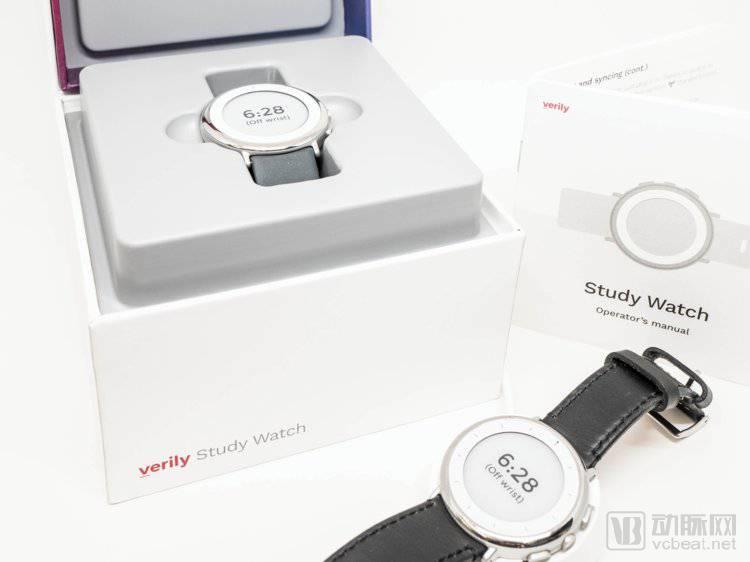
Verily's Wearable Device: Study Watch
Disease Detection:Use AI to detect anomalies in a given dataset that may indicate the presence of a disease.
Disease/Lifestyle Management:These tools can help diagnose individuals who are suffering from diseases or at risk of developing them, by understanding their daily lives and making positive lifestyle modifications.
Although most of these initiatives fall under Verily’s purview, DeepMind is involved in several disease-detection efforts, and Google itself holds multiple patents under the parent company.
The major diseases currently addressed by Google using the aforementioned methods are shown in the figure below. These diseases span various organizations within the Alphabet corporate structure, and we will delve into each specific segment.
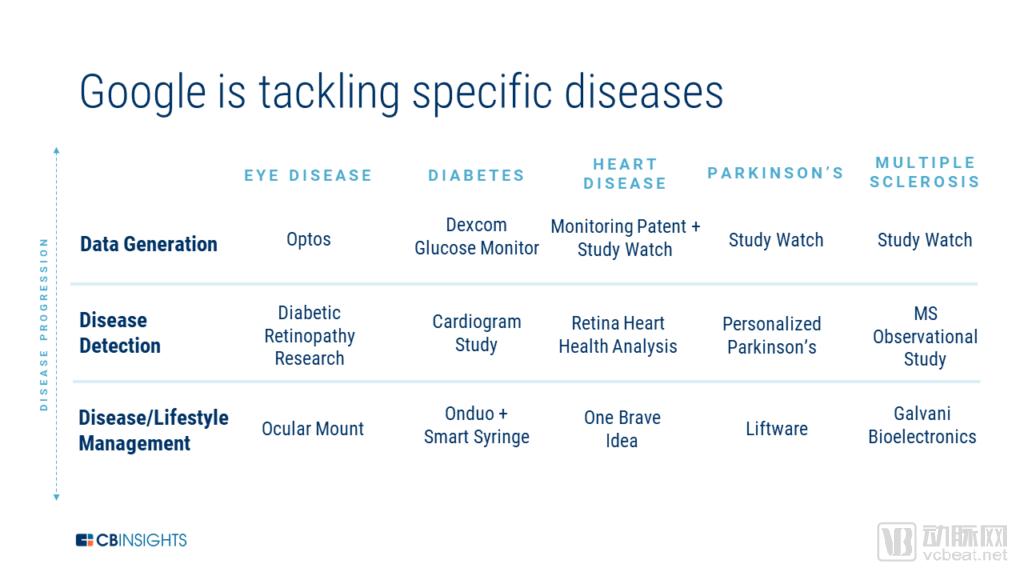
Disease Areas Covered by Google
Verily is working with Nikon subsidiary Optos to screen for diabetic retinopathy, a condition in which high blood sugar levels damage the blood vessels in the eyes; Optos will provide equipment for retinal imaging tests and eye disease detection.
In earlier studies, Google demonstrated that its algorithm was as effective as trained ophthalmologists in detecting conditions.
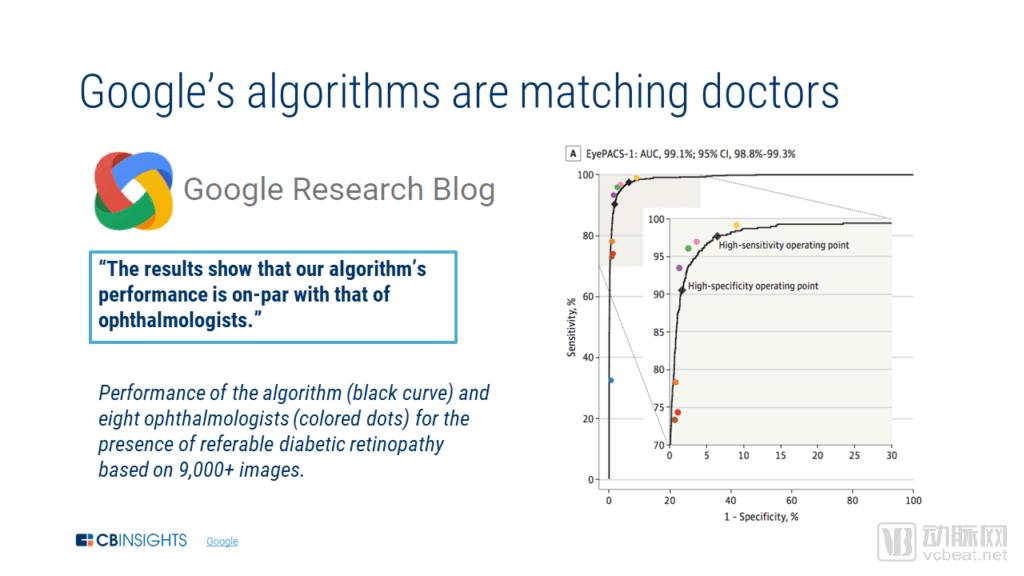
Comparison with Ophthalmologist Data
Furthermore, DeepMind has partnered with Moorfields Eye Hospital in the UK to enhance prior ophthalmic research, assist ophthalmologists in assessing patients’ risk of ocular conditions, and guide clinical care based on the urgency of their conditions.
Verily is not only focused on detecting eye diseases but also on potentially repairing certain conditions. An analysis of word frequencies in Verily’s authorized patents reveals that the company has filed patents related to electrical contact materials, contact lenses, and ocular implants.
Several of Verily’s patents highlight methods for combating age-related vision decline by using contact lenses to assist with visual focus. This project was developed in collaboration with Alcon, a subsidiary of Novartis; however, experimental work appears to be on hold, and the current status remains uncertain.
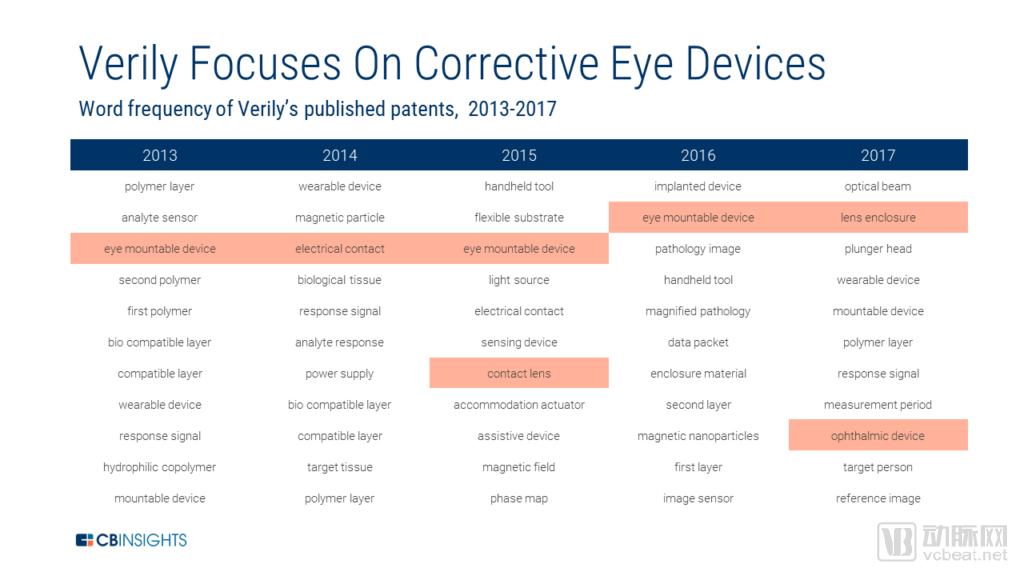
Most Frequent Keywords in Verily’s Ophthalmology Patents (2013–2017)
Diabetes detection and management are key focus areas for Google in the healthcare sector, where it has already developed and launched several successful products. With diabetes affecting 30 million people in the United States alone, this represents a substantial market that also garners widespread attention. Google has strategically positioned itself in this field through various commercialization channels.
In addition to combating presbyopia, as previously mentioned, Alcon’s products also claim to monitor blood glucose levels through tears—one of the “cutting-edge technologies” first publicly announced by Verily. However, other experts have pointed out that tears are not a reliable source for glucose monitoring.
Another Google product, a miniature continuous glucose monitor (CGM) developed by Verily in partnership with medical device company Dexcom, has entered the commercialization process. The Dexcom G6 monitoring system, which tracks subcutaneous interstitial glucose levels, is currently being submitted to the FDA for approval.
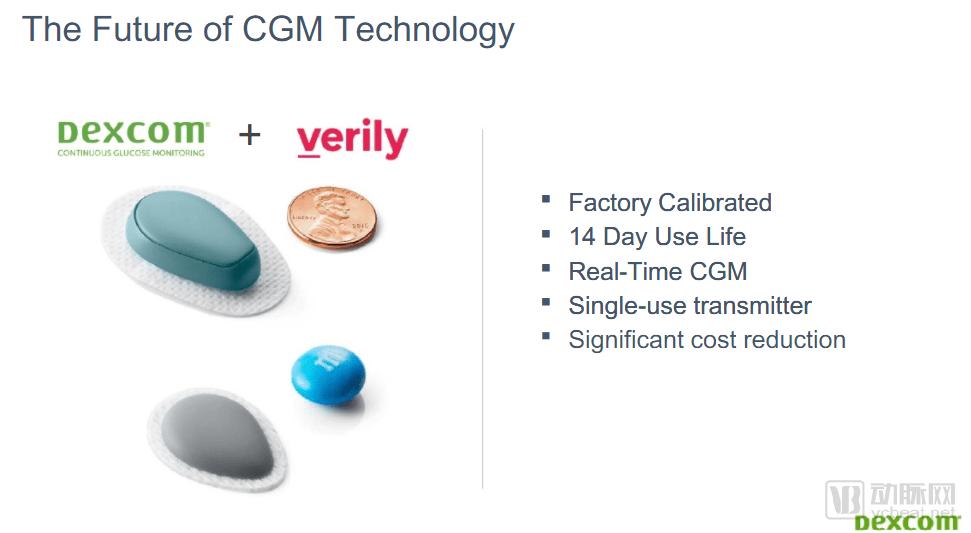
Outlook on CGM
The company’s long-term goal is to develop a smaller, disposable sensor that can be worn like a bandage for 14 days and does not require fingerstick blood glucose calibration—unlike the current G6 model, which requires daily fingerstick calibration. In recent years, collaboration with Verily has been increasingly highlighted in Dexcom’s earnings calls.
Although the barrier to entry for diabetes management is relatively low, there are still gaps in today’s diabetes testing market.
Cardiogram, a startup that uses heart rate monitoring to predict diseases, recently released a study suggesting that subtle changes in heart rhythm may help detect disease progression, as the human pancreas is connected to the autonomic nervous system. The study leveraged existing wearable devices, including Android-based ones, and achieved an 85% accuracy rate in detecting diabetes through AI algorithms and heart rate monitoring.
If Verily wishes to improve the early detection of diabetes, this test could represent a potential area worthy of expansion.
In September 2016, Verily invested in Onduo, a company developing wearable devices for diabetes management. Sanofi, another investor in Onduo, joined Verily in committing $500 million to this solution, which aims to help patients with type 2 diabetes manage their condition through sensor-guided interventions.
This project integrates hardware (glucose monitors, smart scales, etc.), software, and chronic disease management to help diabetic patients manage their condition. Within this system, AI can identify at-risk patients and streamline the process of guiding chronic disease management.
Google CEO Sundar Pichai mentioned in the first-quarter earnings report that Onduo primarily partnered with insurance companies and corporate employers (specifically targeting employees of a supermarket in the Netherlands) in 2018.
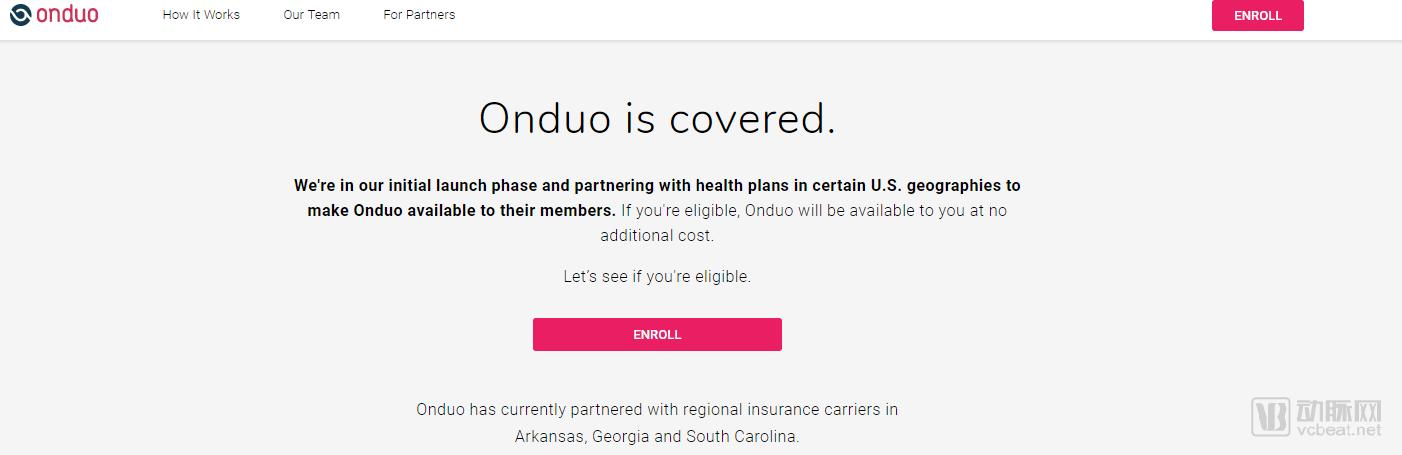
Onduo's Collaboration with Insurers
Furthermore, Verily recently obtained a patent for a smart syringe to help diabetes patients monitor their insulin injections, and the syringe is also likely to be part of the Onduo diabetes solution.
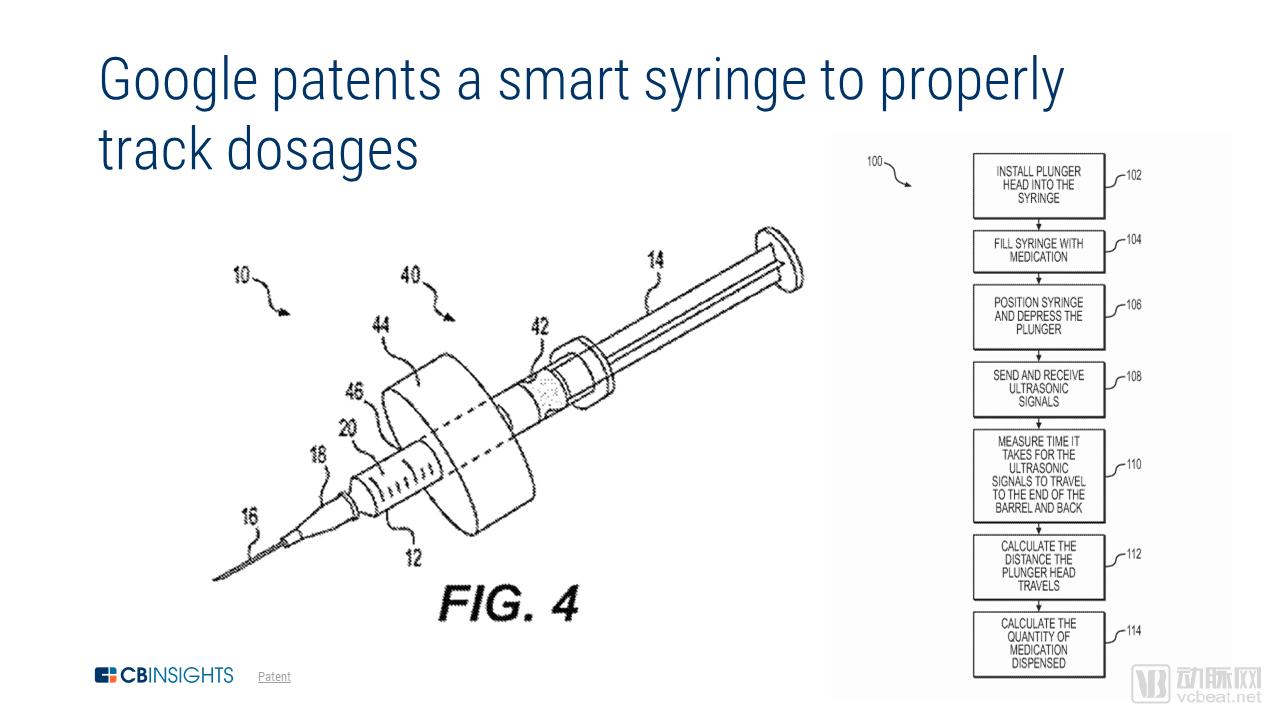
Verily's Smart Syringe Patent
Although Onduo is currently focused on type 2 diabetes, it has also mentioned plans to enter the field of type 1 diabetes management in the future.
Meanwhile, the startup Bigfoot Biomedical is leveraging AI-driven medical devices to help manage type 1 diabetes by developing a closed-loop system for the condition. By integrating continuous glucose monitors, insulin pumps, and software to optimize insulin delivery, Bigfoot Biomedical has created an automated insulin distribution solution. This area could represent a potential entry point for Verily.
Currently, Google is achieving data generation and cardiac condition monitoring through two approaches.
First, the Study Watch, a wearable device developed by Verily. Researchers used the Study Watch to monitor various biomarkers in study participants, including electrocardiogram (ECG) readings and heart rate. This device helps in the early detection of cardiac abnormalities and provides better insights into whether other factors may serve as precursors to heart attacks, thereby facilitating the identification of more effective predictors for heart disease at an early stage of its progression.
The second patent concerns a passive cardiac monitor that utilizes optical sensors and machine vision, making it more suitable for daily use. The patent discusses imaging of key blood flow regions to provide continuous cardiac health monitoring and promote healthier behaviors.
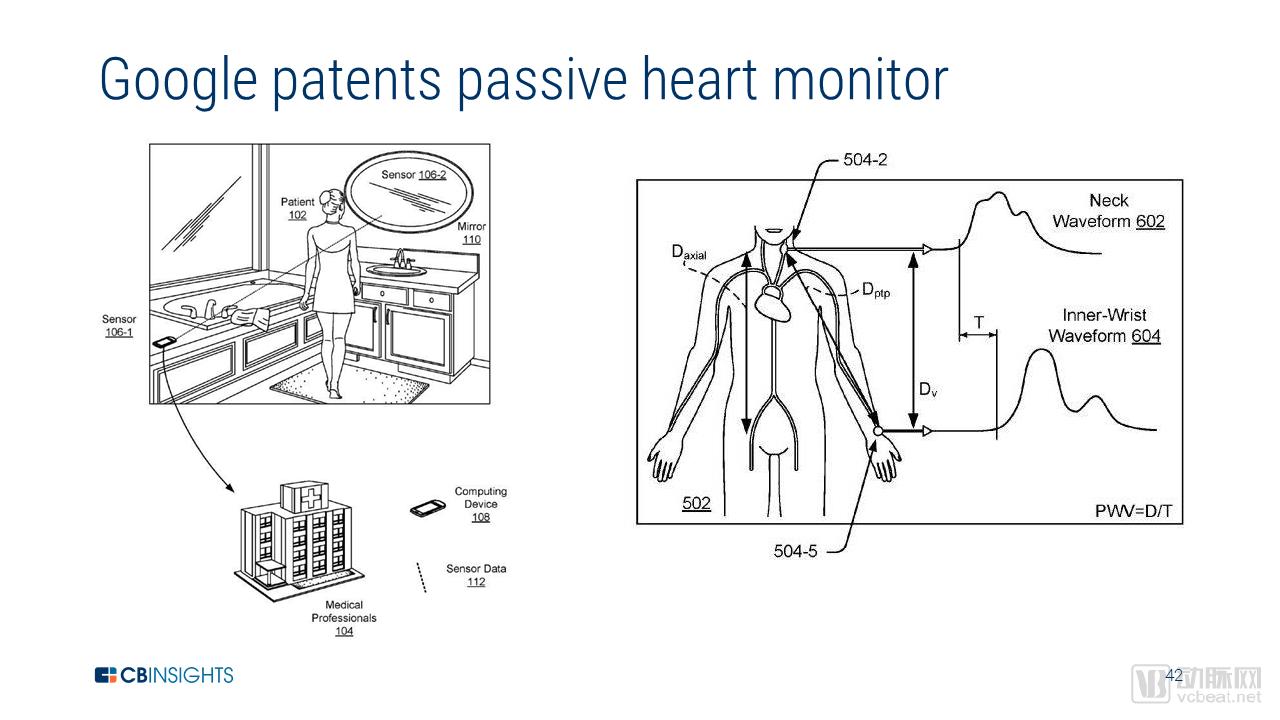
Passive Cardiac Monitor Patent
Furthermore, the patent includes a disease detection component capable of detecting cerebral blood flow abnormalities to reflect cardiac anomalies such as stroke or arrhythmia.
Meanwhile, Google published a paper detailing how its machine learning algorithms assess cardiovascular issues and detect the risk of cardiovascular disease by analyzing blood vessels in the eye, aiming to help providers identify cardiovascular problems through retinal images.
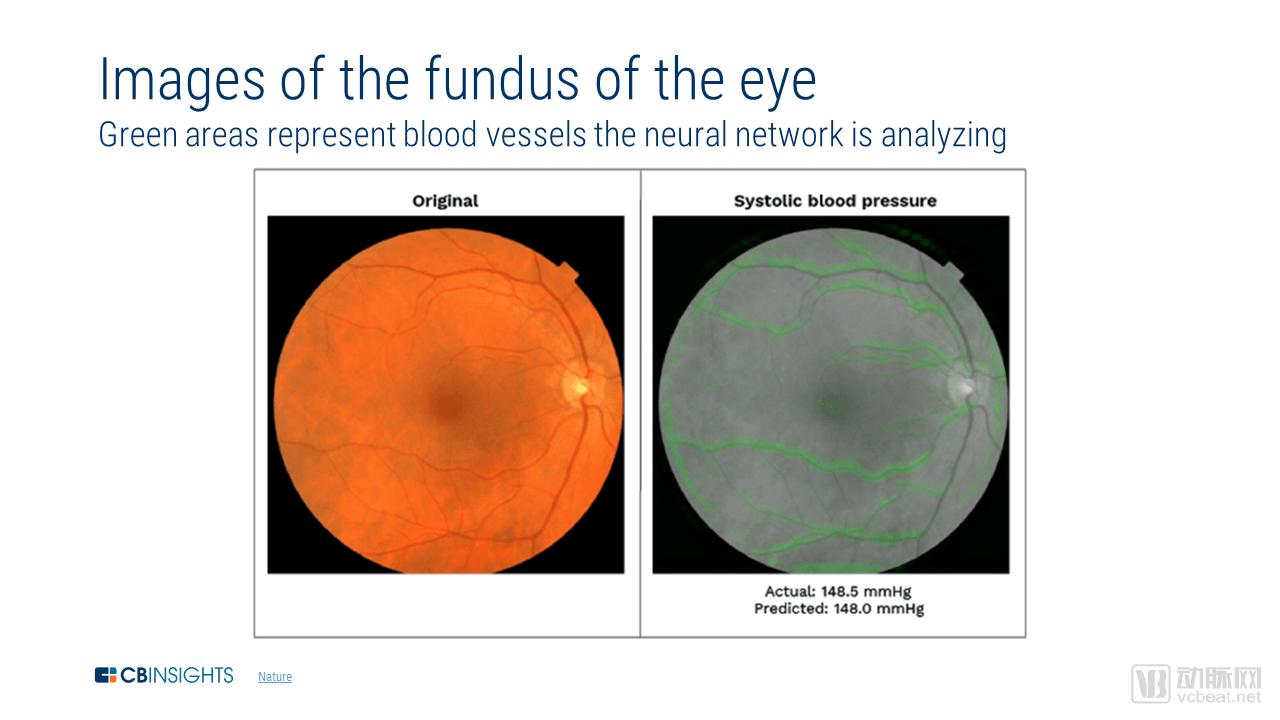
Fundus image of the eye; the green line indicates the region used by the neural network for prediction.
To help patients with cardiovascular disease and heart conditions, Verily has joined One Brave Idea, an initiative launched by Dr. Calum MacRae, Chief of Cardiovascular Medicine at Brigham, and the Women’s Hospital, co-funded with $75 million alongside AstraZeneca and the American Heart Association. The project aims to better understand the factors contributing to different types of heart disease, as well as methods for preventing and potentially treating it.
Although the details of the project remain unclear, Verily may ultimately pivot to creating a management system similar to Onduo’s, offering lifestyle management solutions for individuals at risk of heart disease.
Parkinson’s disease is a debilitating neurological disorder for which there are currently no effective solutions. Verily is now attempting to improve outcomes in Parkinson’s disease by capturing and analyzing data to enable early disease identification, personalized treatment, and improved management.
Verily, in collaboration with Radboud University in the Netherlands, has launched a personalized Parkinson’s disease project that integrates clinical data and observational studies to collect patient data, including cardiac function, electrodermal activity, and inertial movement.
This study aims, on one hand, to enable researchers to identify indicators of disease onset—such as changes in heart rhythm or sleep data—during 24-hour monitoring. On the other hand, by collecting monitoring data, Verily can leverage the project’s data to develop algorithms capable of classifying Parkinson’s disease patients, thereby facilitating personalized treatment for different patient subgroups.
Through the Personalized Parkinson’s study, Verily developed an encrypted database for researchers to use. Additionally, it established a similar database for the NIH, called the Knowledge Portal, which enables researchers to visualize datasets related to Parkinson’s disease research and share them in real time.
Meanwhile, Verily is also exploring ways to help Parkinson’s disease patients manage their daily lives. In this regard, Verily first acquired Lift Labs, the creator of the Liftware smart spoon, which helps Parkinson’s patients stabilize food while eating. The smart spoon and related accessories are priced starting at $195.
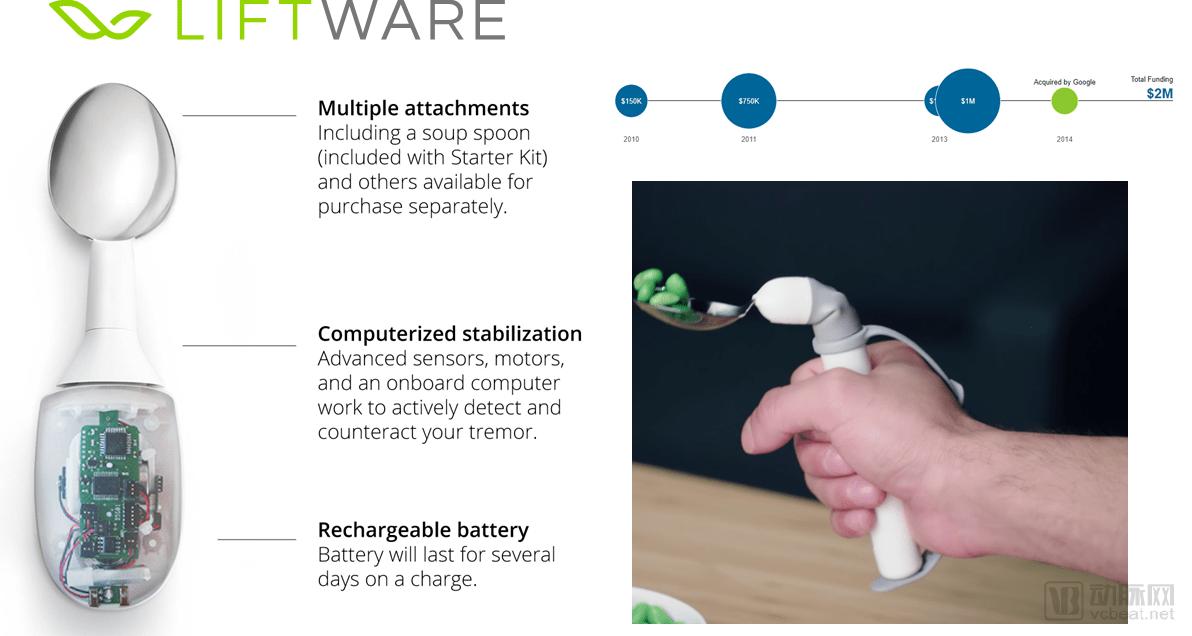
Liftware Smart Spoon
According to the submitted patent, Verily is exploring other ways to use Liftware tools to help people with neurological disorders. For example, the patent proposes that the spoon can be used to detect the quality of food and the amount consumed by the user at each meal, ensuring that patients receive adequate nutrition. This would be highly useful for caregivers helping to manage patients with neurological disorders.
Multiple sclerosis (MS) is also a disease with no known cause and is difficult to cure. Its pathogenesis results from the immune system attacking the myelin sheath in the brain, leading to deterioration of muscle control, memory loss, and other symptoms.
Verily is collaborating with biotechnology company Biogen and Brigham and Women’s Hospital on a longitudinal study to understand how multiple sclerosis progresses. This study combines data from participants wearing the Study Watch with clinical data provided to Verily’s machine learning algorithms to improve detection and elucidate the factors contributing to disease onset and progression.
Verily has not explicitly discussed the treatment of this disease; however, exploratory research on using electroceuticals to combat MS indicates that Verily is collaborating with GlaxoSmithKline on a project called Galvani Bioelectronics. This project employs miniature electronic devices to modulate the flow of electrical signals within the body. Electroceutical therapy is delivered via very small electronic implants, which help regulate the transmission of electrical signals through the nervous system.
The aforementioned facts indicate that Galvani’s research advancements in the field of bioelectronics hold potential for aiding in the treatment of multiple sclerosis (MS). Notably, Verily has previously posted job openings related to neuromodulation, hinting at its impending exploration into this domain.
Furthermore, Google’s exploration in the field of exoskeleton robotics can also aid in the treatment of this condition, as exoskeleton robots can help individuals with impaired motor function regain partial mobility. Similar to solutions offered by exoskeleton companies such as Israel’s ReWalk Robotics, these systems integrate software, sensors, and electronic technologies to help people with motor impairments maintain their mobility.
One of the greatest challenges facing healthcare is the phenomenon of data silos, with minimal interoperability between systems. Even within a single hospital, integrating data across different Electronic Medical Record (EMR) systems is difficult, let alone aggregating data from mobile applications, connected devices, and other health-tracking products.
In fact, although 79% of physicians consider access to all available patient data within a single system critical to their work, only 14% of patient information can flow across different departments and patient care centers, even within the same hospital.
Google believes that three key initiatives can support the new data infrastructure layer:
To enhance interoperability among hospitals, physicians, and other stakeholders, healthcare institutions are gradually adopting a new technology known as FHIR (Fast Healthcare Interoperability Resources). FHIR establishes standards for diverse data elements, enabling developers to build application programming interfaces (APIs) that can access datasets from disparate systems.
Google believes that accessing, integrating, and analyzing these data will shape the future of healthcare. In 2016, Google acquired Apigee, an API management company, for $625 million; part of Apigee’s business was dedicated to building healthcare APIs using FHIR.
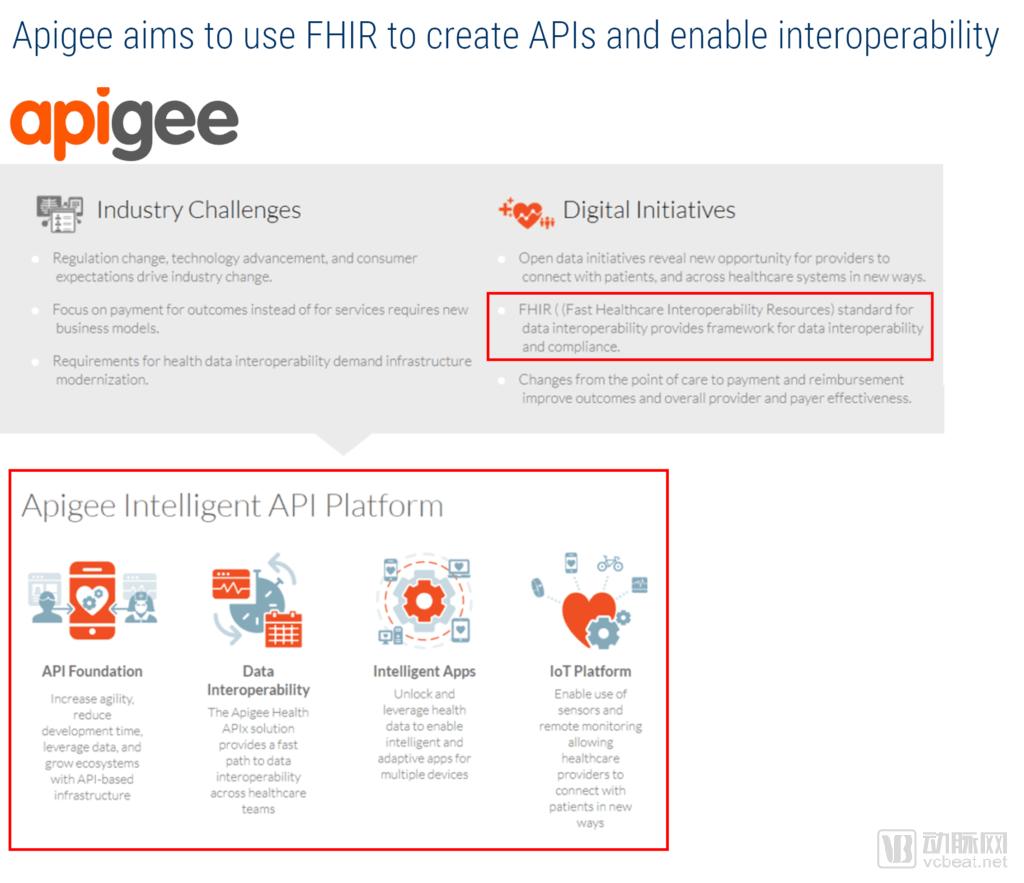
Apigee has partnered with several prominent healthcare companies, including McKesson, Cleveland Clinic, and Walgreens. Its system helps bridge data flows by connecting multiple existing datasets that would otherwise be unable to communicate with each other. Organizations use Apigee to build mobile applications and explore new ways to acquire data from other sources, such as wearable devices.
Google’s DeepMind is also building new data infrastructure through various initiatives. DeepMind is applying artificial intelligence and analytics to improve healthcare approaches. To achieve this goal, DeepMind requires access to available structured data.
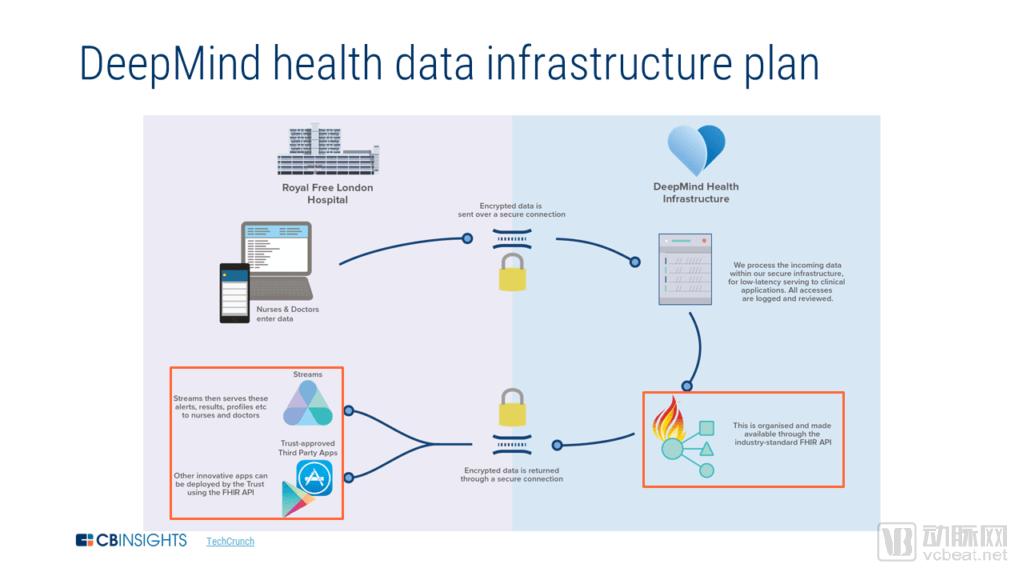
DeepMind’s first step is to establish a new data infrastructure that extracts discrete data from electronic medical records (EMRs), hospital devices, and physicians’ records, channeling it in a standardized format into a single repository.
Using FHIR, DeepMind built a new data backbone to develop applications capable of analyzing diverse data elements.
For example, the company launched the “Streams” app to detect acute kidney injury by pushing relevant patient information and alerts to doctors, nurses, and other healthcare professionals via a mobile application. This significantly reduces the costs previously associated with manual information transmission and is highly beneficial for emergency situations.
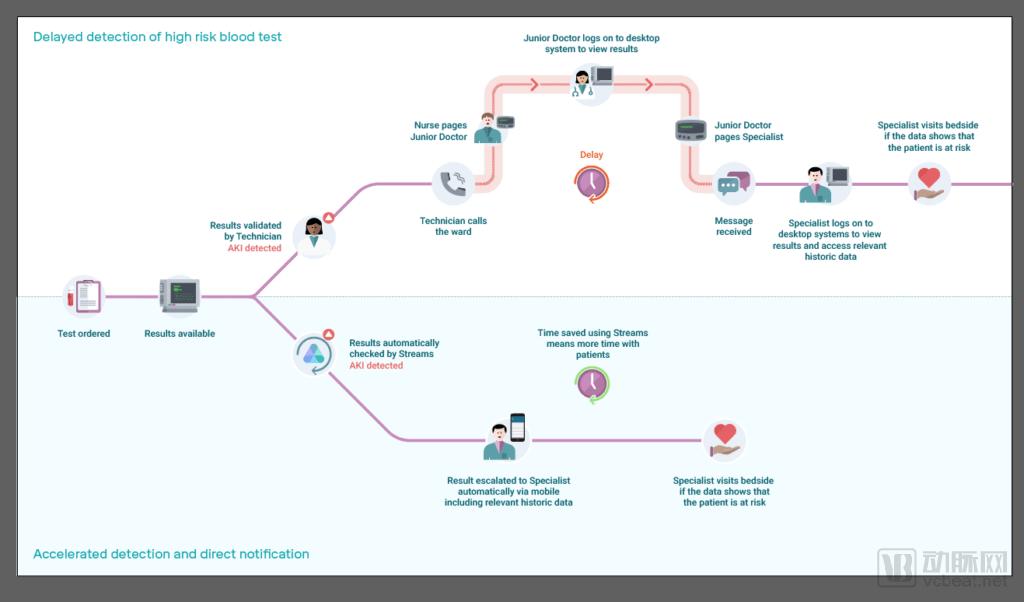
Streams Operation Mechanism
Currently, DeepMind plans to build more of its own applications, allow third-party developers to build on this new infrastructure, or use it as a means to enhance a range of other Google services, such as Google Cloud.
Google has been aggressively promoting its Google Cloud Platform in recent years, particularly after hiring former VMware CEO Diane Greene to lead the division. The company is now competing with cloud platforms from other tech giants, including Amazon Web Services and Microsoft Azure.
To stay competitive, Google is driving the development of healthcare-specific services built on top of the Google Cloud Platform. Apigee, acquired by Google as previously mentioned, is one example, providing API management as part of the Google Cloud suite.
Another example is G Suite (Drive, Docs, etc.) for healthcare operations, which provides HIPAA-compliant cloud services.
Healthcare organizations can leverage cloud platforms to share patient information and enhance the patient experience (for example, by using Google’s cross-platform instant messaging app, Hangouts), among other applications. G Suite offers solutions that complement existing electronic medical record (EMR) systems, acknowledging the challenges these systems pose to healthcare institutions. However, this initiative remains relatively new, and Google has not yet cited any customers using G Suite for patient tracking.
Finally, Google may begin launching more open-source tools tailored for healthcare researchers, leveraging Google Cloud. Previously, Google had already developed a suite of open-source tools, such as TensorFlow, the second-generation artificial intelligence learning system built upon DistBelief. Additionally, Google released DeepVariant, an open-source tool that employs deep neural networks to rapidly and accurately identify base variant sites from DNA sequencing data for genomic analysis.
DeepVariant highlights another advantage Google holds over Amazon and Microsoft: the ability to test its products through its internal life sciences team, Verily. This suggests that Google is likely to release more open-source healthcare tools in the future, all stemming from its own internal laboratory projects.
As more researchers conduct their work on the Google Cloud product suite, Google Cloud becomes increasingly valuable to the company, and Google’s infrastructure layer has become the most fundamental and critical component of healthcare infrastructure.

Google Cloud Infrastructure
In addition to the data streams flowing into existing health systems, Google is also building its own datasets, making them available to researchers so that others can ultimately integrate these open datasets into their own research.
The two major data initiatives currently under study by Verily are the All of Us Research Program, which is combined with NIH and Verily’s own independent Baseline Study. These research programs aim to track health data from one million participants of diverse backgrounds, including genomic data, lifestyle data, and biomarker data, with the goal of enabling researchers to analyze the most comprehensive datasets to uncover new insights into health.
Verily was selected by the U.S. National Institutes of Health in 2016, receiving a five-year grant alongside the Broad Institute and Vanderbilt University to build data infrastructure and analytical tools capable of accommodating data from the initial 79,000 participants. However, recent reports indicate that Google is concerned that its objectives are overly ambitious and entail prohibitively high costs.
This may help explain why Verily, a wholly owned subsidiary of Google, conducts its own research. Verily’s Baseline project (referring to the period in clinical studies when patients have been screened and enrolled but have not yet started medication) is working with over 10,000 volunteers enrolled within four years to build its own dataset.
Once enrolled in the program, participants are required to use the Study Watch to monitor their daily activities, use sleep sensors to track sleep patterns, respond to periodic surveys via mobile devices or email, and undergo various on-site tests four times a year. Verily’s informed consent form indicates that the company is building a comprehensive database that third-party researchers will eventually be able to access and utilize.
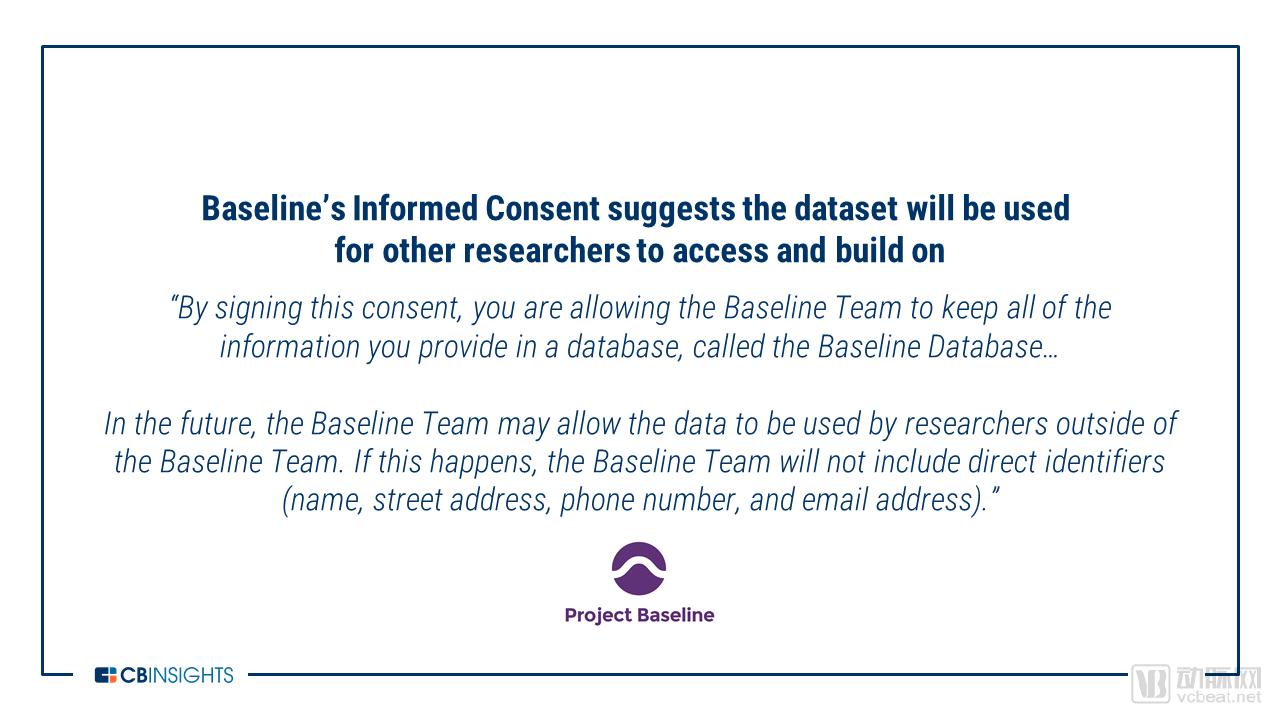
Verily's Informed Consent Form
It is also worth noting that data from All of Us and the project baseline are stored in Google’s cloud infrastructure, and these datasets established by researchers will help Google Cloud become a more integral part of the health IT infrastructure layer.
Google is continuously expanding its footprint in healthcare. Below are several other areas where Google may expand in the medical field in the future, including new disease domains, the application of AI technology, and even health insurance.
Exploration of Disease Areas
VBInsight’s analysis suggests that other areas Google may explore next include chronic obstructive pulmonary disease (COPD), cancer, mental/behavioral health, and aging.
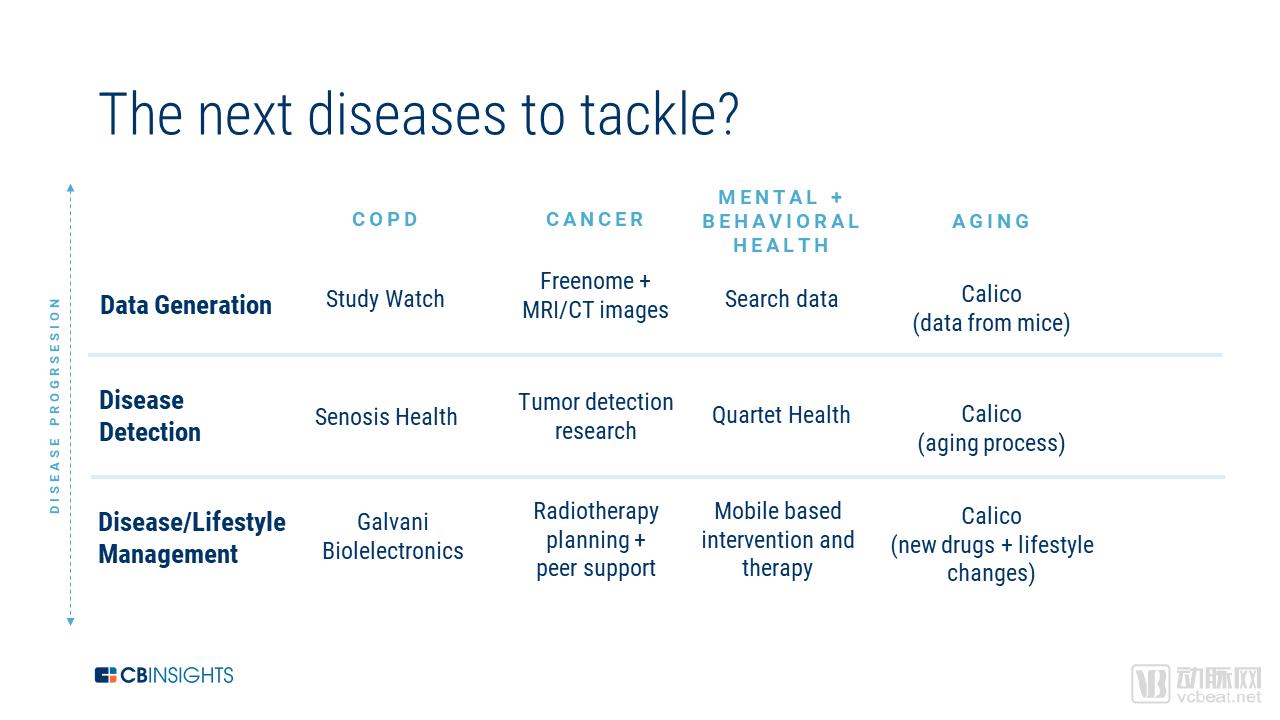
Potential Areas for Exploration
Chronic respiratory diseases, primarily chronic obstructive pulmonary disease (COPD) caused by airway inflammation, are the third leading cause of death in the United States. However, similar to diabetes and cardiovascular diseases already under investigation by Verily, COPD can be managed through combined therapeutic approaches involving lifestyle modifications and medical treatment.
Through the capture and analysis of environmental data, research observations have found that the environment is often a trigger for pulmonary inflammation. Therefore, it is entirely feasible to use the Study Watch to alert wearers in environmental conditions that may induce COPD.
Furthermore, Senosis Health, acquired by Google in 2017, could potentially be leveraged to develop diagnostic tools and treatments for COPD. Senosis claims that its technology can use existing smartphone microphones as spirometers to measure lung function, and additionally employ smartphone cameras to assess hemoglobin levels, which is highly useful for detecting anemia. Since anemia is considered a potential comorbidity associated with COPD, these two datasets can complement each other, thereby facilitating a better understanding and treatment of COPD. Google has not yet integrated Senosis’s technology into its products, but it may do so in the future.
Another possibility is the use of Galvani’s bioelectronic technology to treat COPD. The joint venture between Verily and GlaxoSmithKline focuses on controlling how electrical signals flow within the human body. GlaxoSmithKline has stated that Galvani’s technology could potentially be used to treat asthma, another pulmonary disease, but did not provide specific details.
Google has been exploring different approaches through its DeepMind division to identify cancer and formulate treatment plans.
In 2017, the company published research on tumor identification, in which an algorithm was trained using an existing dataset of breast cancer images with metastasis to adjacent lymph nodes. The algorithm can detect tumors with 92% accuracy, although there remains a small probability of false positives.
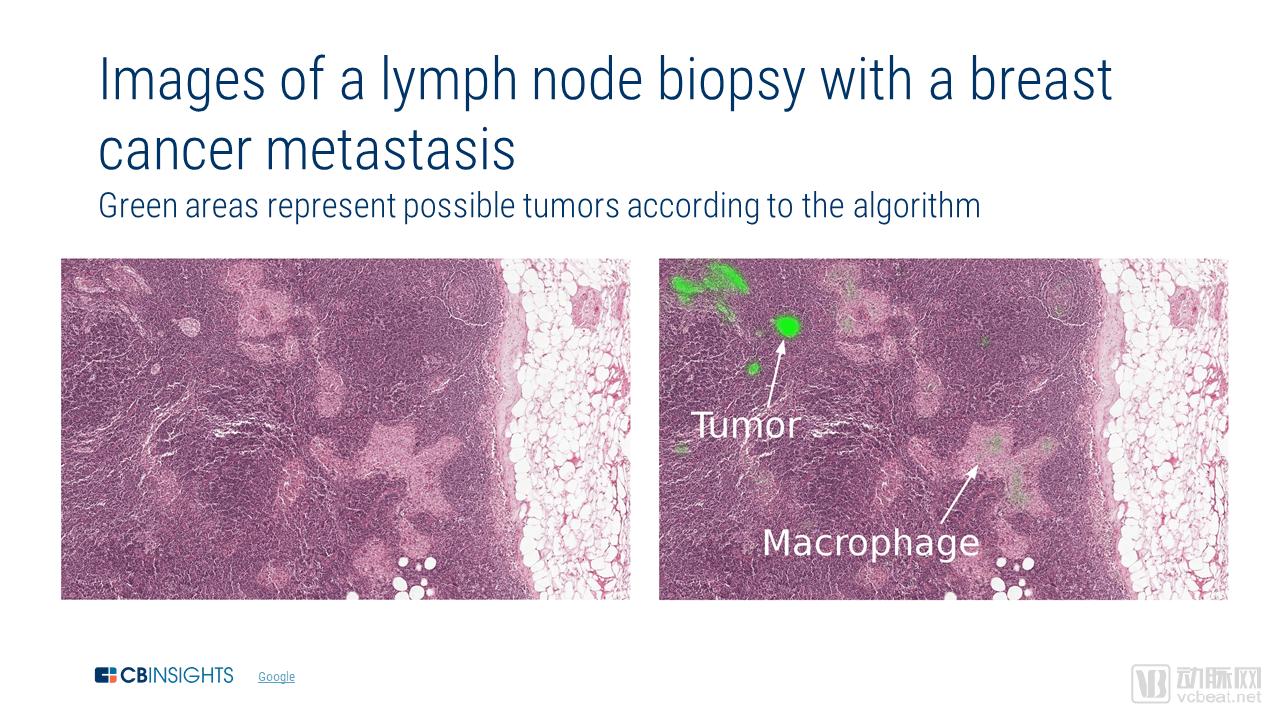
Macrophages and Tumor Cells
Since 2017, the company has collaborated with Imperial College London, the NHS, and Cancer Research UK to further advance this research and improve early detection of breast cancer.
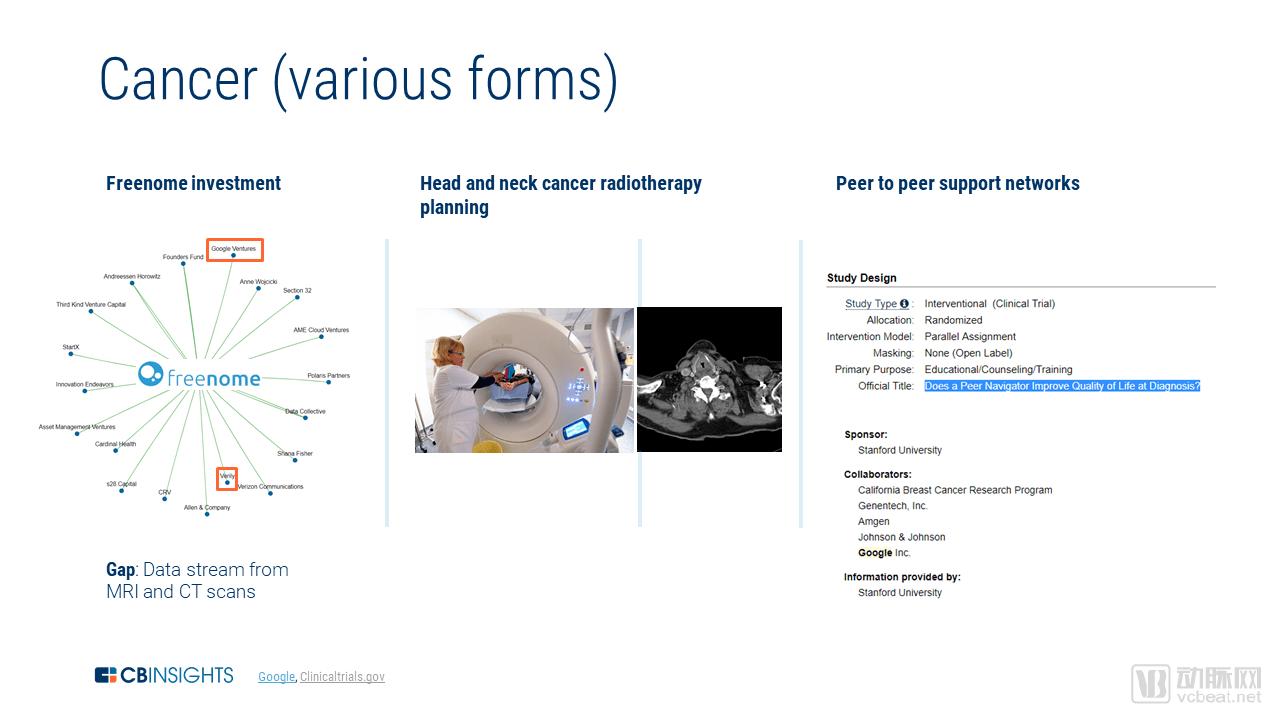
DeepMind is also researching other cancers, such as head and neck cancers. The company’s work in this area is related to target volume delineation, aiming to apply AI to accelerate the contouring process for determining radiotherapy applications. Currently, the traditional delineation process takes approximately four hours, but DeepMind believes it can reduce this time to one hour.
It is worth noting that Google itself cannot generate these data; instead, it collaborates with hospitals that provide cancer data. Verily’s investment in Freenome may serve as a stepping stone in this direction. Freenome is dedicated to detecting cancer at an early stage by identifying trace amounts of tumor-derived DNA (circulating tumor DNA) that enter the bloodstream.
Meanwhile, Google can continue to collaborate with companies such as Siemens Healthineers or Philips to obtain MRI/CT images, and then use these data to build algorithms to improve detection and treatment planning.
Google can detect patterns of mental health issues through search queries, thereby entering the field of behavioral health monitoring. The company has partnered with the National Alliance on Mental Illness (NAMI) to develop questionnaires for users searching for depression-related information.
In April 2016, Google Ventures also invested in Quartet Health, a company that analyzes health data to determine whether patients require psychological counseling and matches them with suitable mental health professionals. Quartet Health can leverage its expertise and data to help Google identify behavioral health issues at an earlier stage.
Notably, Verily has an open job posting for a Behavioral Health Program Manager, indicating that it is conducting research in this field.
Google spun off Calico, a company dedicated to understanding the mechanisms underlying human aging. The company is investigating how various lifestyle factors, cellular processes, and genetics influence the aging process. Through this research, Calico aims to develop better approaches for disease detection and lifestyle management. Recently, the company published findings on the aging patterns of naked mole rats and announced collaborations focused on Alzheimer’s disease therapeutics.
Exploration of Physician Tools
Beyond Disease, Google Is Exploring How AI Can Assist Hospital Physicians
Verily partnered with Johnson & Johnson to establish Verb Surgical, a company whose website covers machine learning, robotic surgery, advanced visualization, and data analytics.
Gary Pruden, Chairman of Johnson & Johnson’s Global Medical Devices division, stated that the goal of Verb Surgical is to democratize surgical skills: “In terms of treatment outcomes and processes, what the top 5% of surgeons worldwide can achieve is beyond the reach of the remaining 95%. If you travel around the world, you may not receive adequate care... Our aim is to democratize surgical expertise and raise standards of care by leveraging tools to influence outcomes, which will mark a significant turning point.”
Verily has filed patents related to robotic surgery, one of which details a method of operating a surgical robot that uses preoperative images for anatomical guidance, while another involves using light on different types of biological tissues to determine the location of incisions.
One example is the patent for an automated abdominal reflex test, which requires physicians to observe specific changes in the jugular vein at the centimeter level. Google’s combination of a stress wristband, camera, and machine vision has also been patented; it is claimed to perform this test with greater accuracy and a smaller margin of error compared to manual physician assessments.
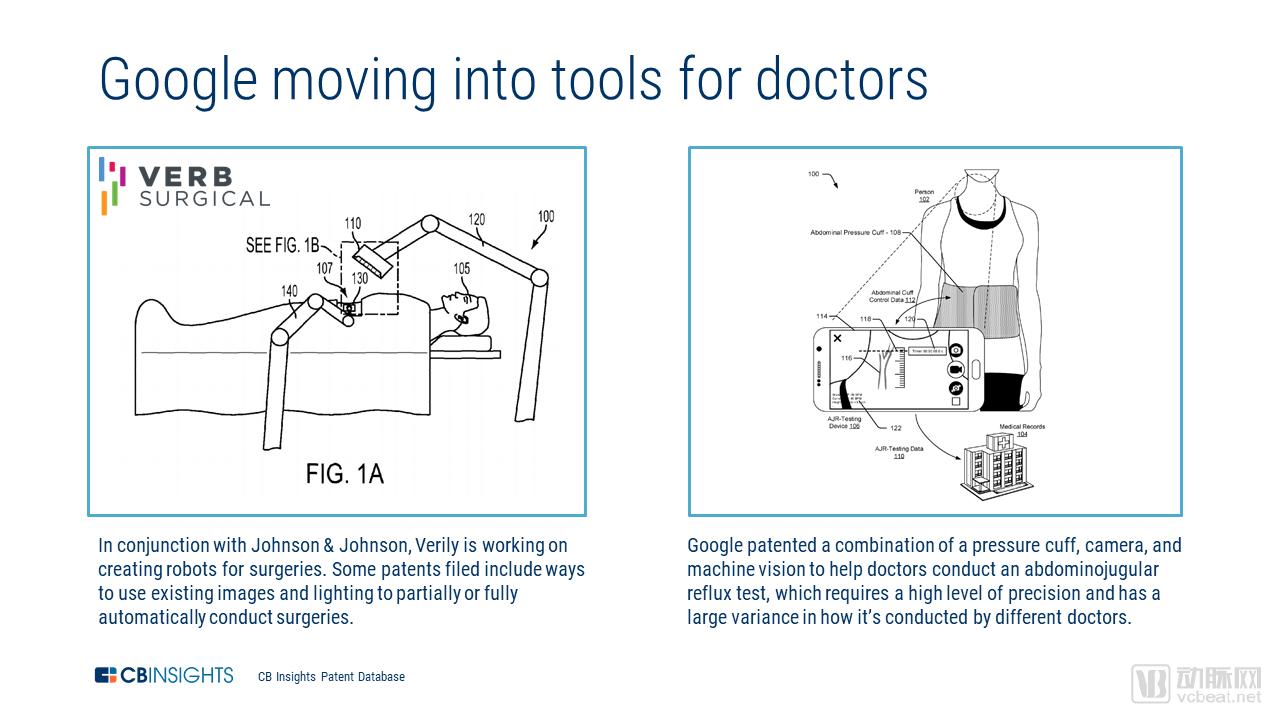
Google's Doctor Tools
Patient-Oriented Tools
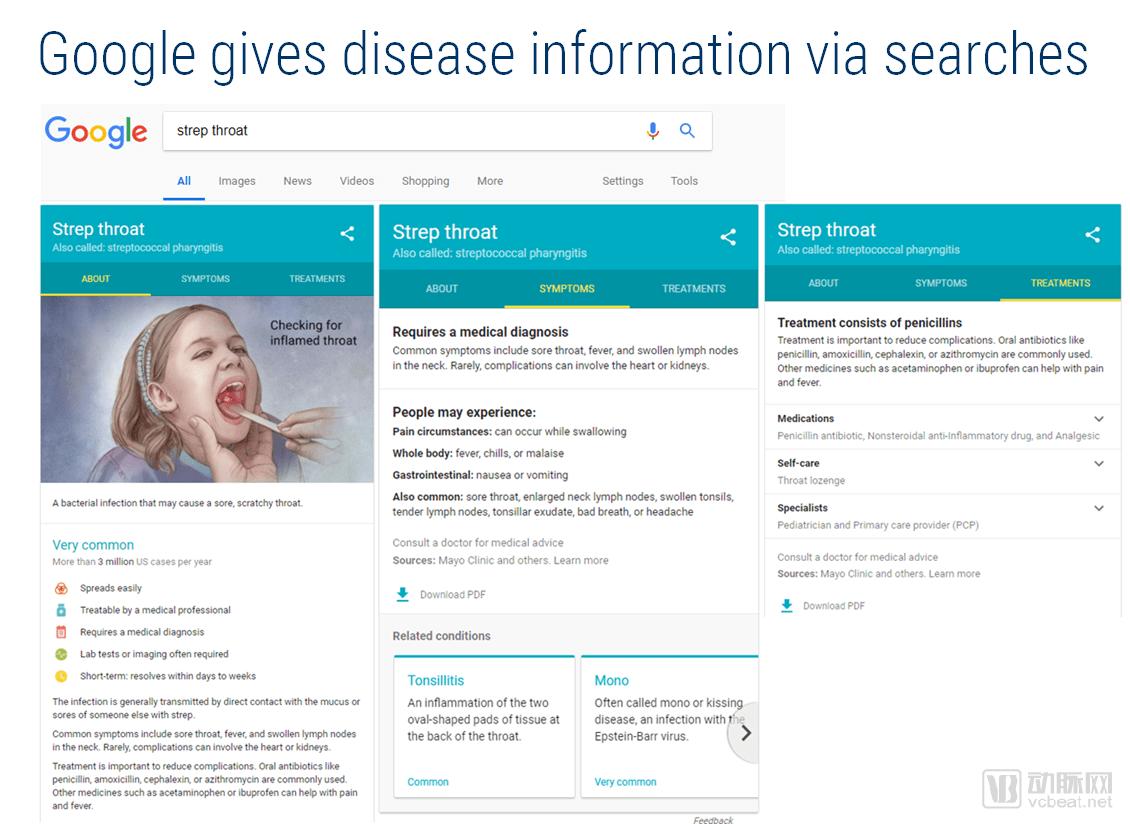
In the healthcare sector, Google primarily focuses on collaborating directly with hospitals, healthcare providers, and researchers, rather than with patients and consumers. However, the company does offer some patient-facing health assessment tools, including Health Cards, launched in 2015, a tool developed in partnership with the Mayo Clinic to provide information on diseases, symptoms, and common health conditions.
In fact, Google has the opportunity to engage more deeply in consumer-level disease screening and diagnosis, especially as this field becomes increasingly reliant on artificial intelligence.
One possibility is to use its new consumer electronics for health screenings. For instance, similar to Apple’s development of ResearchKit and the use of smart hardware, Google could leverage its continuously developed Pixel smartphones to achieve the same goal.
Furthermore, Google’s voice assistant, Google Home, serves as another entry point for patient-oriented health assessments. These tools can answer health-related questions, similar to the health cards featured in search results, and can also be used to ensure medication adherence and assist with disease-related lifestyle management. If other data streams detect a health anomaly, Google Home can conduct follow-up inquiries to assess the patient’s risk level.
The company is also exploring the diagnostic capabilities of other wearable devices. Google holds a patent for using earphones to conduct concussion tests. Although there is limited information available on this concussion testing method, the patent describes automating eye, speech, and motor function assessments based on the Glasgow Coma Scale to evaluate the severity of traumatic brain injury in users.
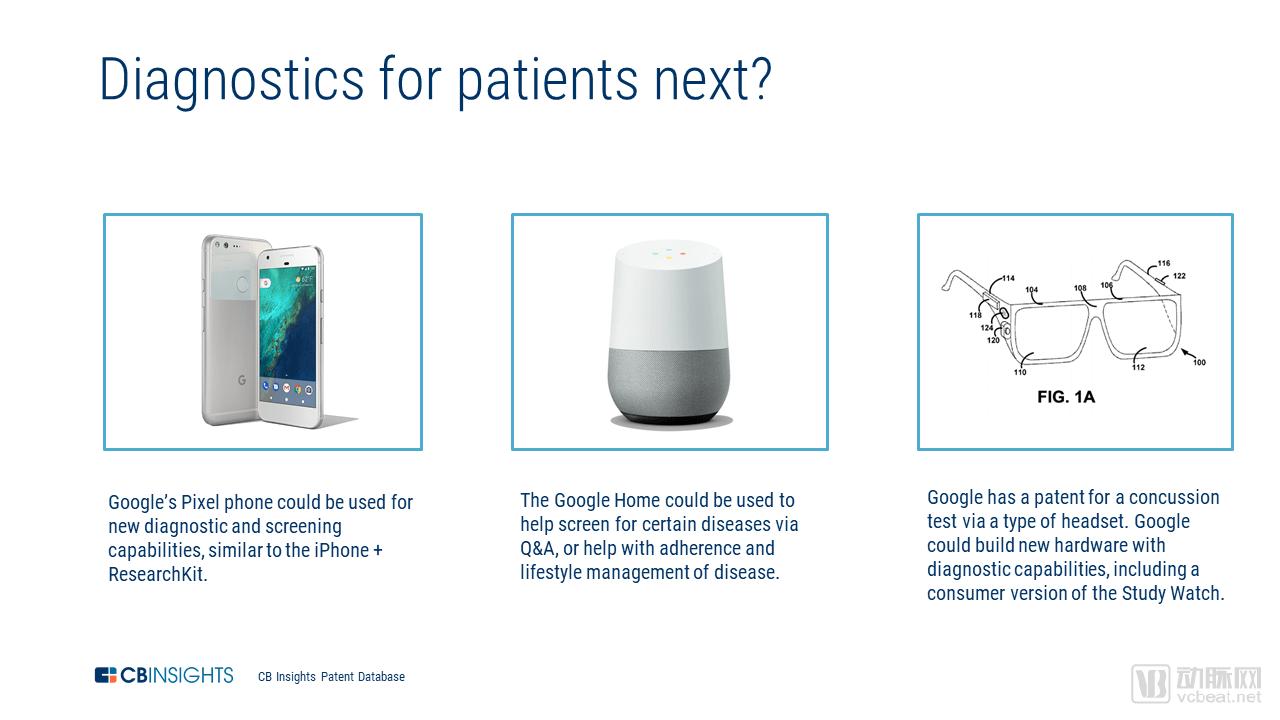
Diagnostic Tools Available Within the Google Ecosystem
Population Health Interventions
Regarding how to use AI to simultaneously improve the health of the majority of the population, one project Google is researching is Debug, which aims to design and release sterile mosquitoes into the population to eliminate disease-carrying mosquitoes. The company stated that it uses sensors and machine vision to classify and monitor male and female Aedes aegypti mosquitoes.
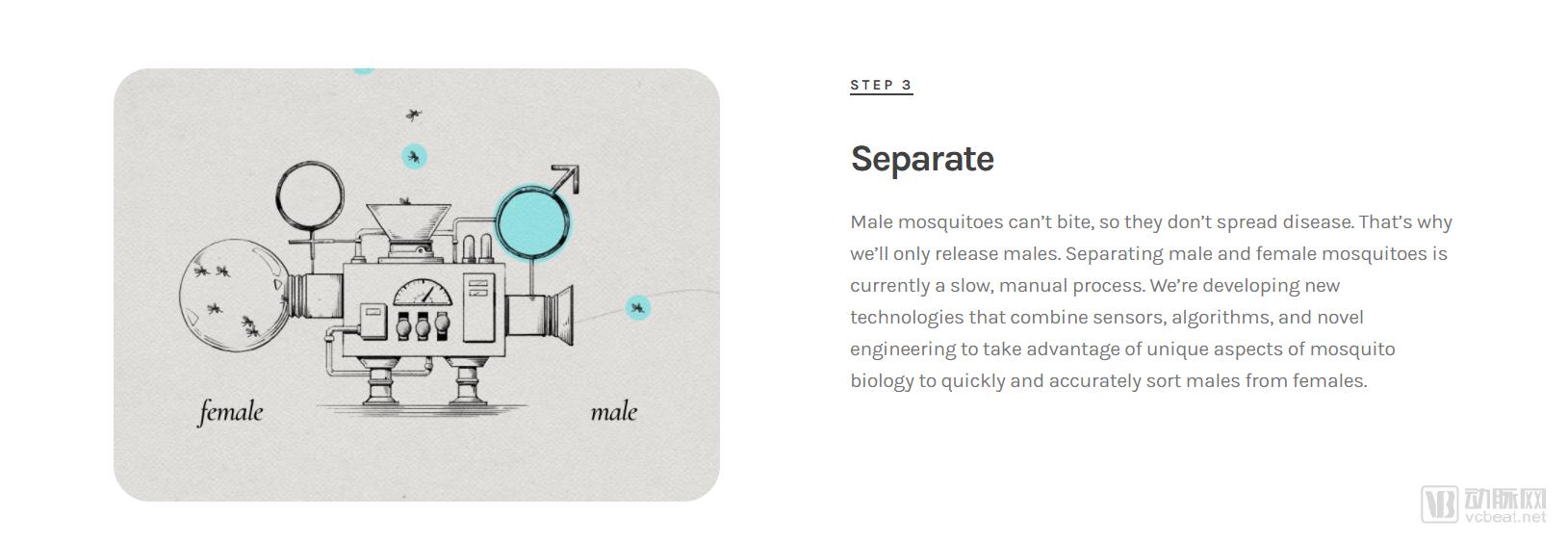
Debug Project
Another population health initiative comes from Sidewalk Labs, Google’s smart city division. One of Sidewalk Labs’ initiatives is studying the impact of urban environments on health, with the resulting efforts ultimately carried out by Cityblock Health, a company focused on Medicaid and Medicare, which was invested in by Sidewalk Labs.
Cityblock is establishing neighborhood-based health centers in areas with high concentrations of Medicaid and low-income Medicare beneficiaries, ensuring these patients remain connected to the healthcare infrastructure and receive care when needed. The initiative also includes a health app called Commons, which links care teams with these patients.
After collecting extensive data on Medicaid and Medicare beneficiaries, Cityblock’s next step may be to employ AI as a tool for risk-based, timely interventions, enabling semi-automated or fully automated triage.
Although many technologies may seem distant, CB Insights predicts that Google could pursue population health interventions in the following areas in the future:
Automobile - As one of Alphabet’s other subsidiaries, Waymo continues to advance into the autonomous vehicle sector. This presents Google with potential opportunities to ensure passenger safety and monitor passenger health, including the development of tools for rapid screening and diagnostics within Waymo’s vehicle network, among other initiatives.
Food-Health issues transmitted by livestock can lead to disease outbreaks further down the food chain. The ability to monitor animals and detect disease-induced behavioral or physiological changes can enhance public health safety through early surveillance. A startup named Cainthus has already employed machine vision to monitor livestock, and Google could apply its machine vision technology to better help consumers determine whether their food has spoiled.
In addition, companies such as Kewpie Corporation are already using Google’s TensorFlow to track ingredients in food.
Google and Insurance
If Google believes that artificial intelligence can better detect and manage diseases, it could establish an insurance company to manage the risks associated with these patients.
Google appears to be exploring this space, having posted a job opening for a Health Plan Executive on the Verily website. The job description states: “As the Health Plan Executive for Verily’s care delivery platform, you will be responsible for supporting the design of Verily solutions used to manage patient population risk. You will integrate deep expertise from the health insurance industry, particularly in managed care plans, with advanced technological solutions to improve outcomes and reduce costs.”
Some reports indicate that Verily is bidding for Medicaid contracts, which are currently under regulatory review. However, securing both Medicaid and Medicare contracts would make the most strategic sense for Verily, as its technology focuses on managing many chronic conditions that affect this population.
Notably, Google Ventures has invested in Oscar, Clover, and Collective Health, which target individuals/small businesses, Medicaid beneficiaries, and self-pay insured populations, respectively. As it enters the Medicaid market, it can fully leverage these companies’ networks and expertise. Reportedly, the organization is collaborating with Oscar to launch health insurance plans in Rhode Island.
Recently, Verily and CapitalG, another Google-backed investment subsidiary, participated in Oscar’s latest round of financing.
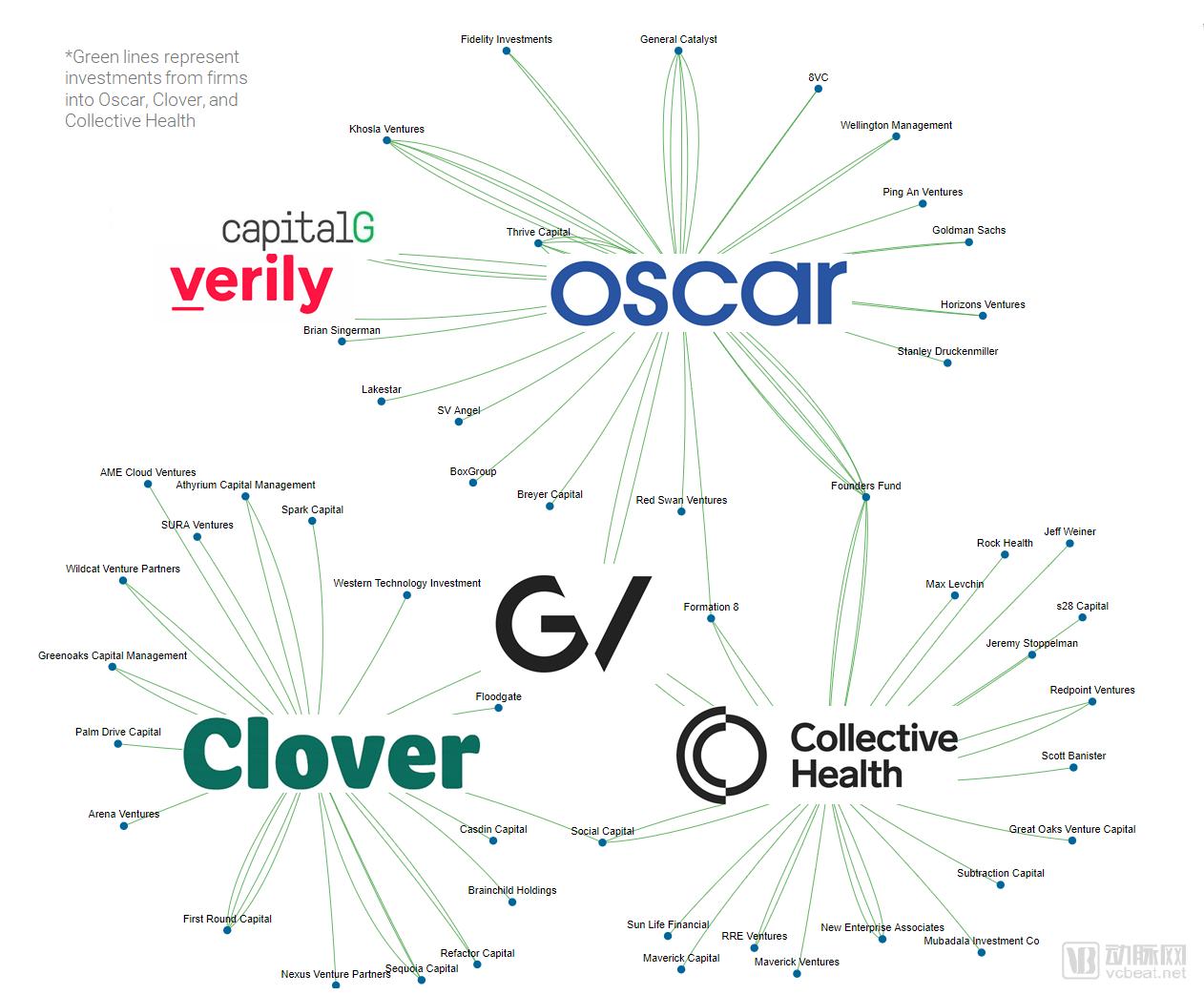
Google's Insurance Strategy
Although Google’s core business model is primarily advertising, it may adopt alternative revenue models in light of public privacy concerns regarding health information.
Google can provide outsourced prototyping and R&D engines for large medical device and pharmaceutical companies. These giants can pay for the intellectual property and technology behind new inventions, then leverage their commercialization expertise to bring them to market, as exemplified by Verily’s 2014 licensing of its smart contact lens technology to Novartis.
As medical devices become increasingly reliant on artificial intelligence, Google has begun marketing its own AI products, including Google Home and Google Pixel. By leveraging data for continuous iteration, more efficient AI solutions for diabetes management can be developed; meanwhile, the data can also be sold to employers or insurance companies.
As Google launches Google Cloud services and competes with other tech giants, the vast amounts of data and computing power required for new forms of data-driven healthcare make cloud services for data storage an attractive market.
Of course, as discussed, Google could also explore revenue generation by assuming greater risk and becoming an insurer directly.
Initially, Google’s foray into the healthcare sector was met with repeated setbacks. In 2008, the company launched Google Health and Google Flu Trends, which used search queries to estimate the number of influenza cases and their geographic distribution; both projects were shut down a few years later.
Recently, subsidiary Verily encountered significant obstacles in its “tricorder” project. The project involved using nanoparticles and magnets to monitor real-time physiological data, such as various proteins and biomarkers. This technology was considered to have the potential for early detection of cancer and other diseases, and could even evolve into a universal diagnostic tool. However, due to various reasons, the project was never realized.
But continuous experimentation is a good thing; Google seems to be learning from past failures.
The company is seeking more commercialized and practical solutions, rather than just “a crazy idea.” It is collaborating with existing players in the healthcare system to explore ways to apply AI across various domains, generally aiming to address the limitations constraining current medical record systems. For example, it has launched Onduo, an improved diabetes management system.
While Google is working to address healthcare challenges through artificial intelligence, the company still must contend with public perception and trust issues. Given the sensitivity of health data, consumer confidence in Google’s ability to safeguard the privacy of personal data is paramount.
In this regard, consumers do not hold Google in high esteem. As Google is primarily an advertising company, deriving financial gains from the collection of increasing amounts of personal information may prove counterproductive. Furthermore, the company has faced scrutiny over the legality of DeepMind’s use of NHS patient data, making data privacy protection a critical factor in earning consumer trust.
Based on the above analysis, CB Insights believes that Google’s most likely area of success lies in enhancing capabilities for detection, classification, and formulation of disease management plans, particularly in surgical procedures utilizing imaging technologies (e.g., ophthalmic diseases, cancer, etc.).
Google is expected to face greater challenges in hardware development, and differentiating Onduo from existing solutions on the market, such as Omada Health, also remains a question.
Google is conducting artificial intelligence research across numerous branches within various fields of healthcare, resulting in a high probability of failure. However, the likelihood of success is equally significant. Ultimately, if Google can identify effective solutions to any one of these challenges, it will be possible to apply the lessons learned and successful methodologies elsewhere, thereby establishing a new data- and AI-driven healthcare paradigm.
Original article link: https://www.cbinsights.com/research/report/google-strategy-healthcare/