Danke Weekly Report 20180422: 'Internet + Healthcare' Trend Is Set, NHFPC's First Move Targets Medical Device Industry
One WeekFor industry updates, read VCBeat Weekly.
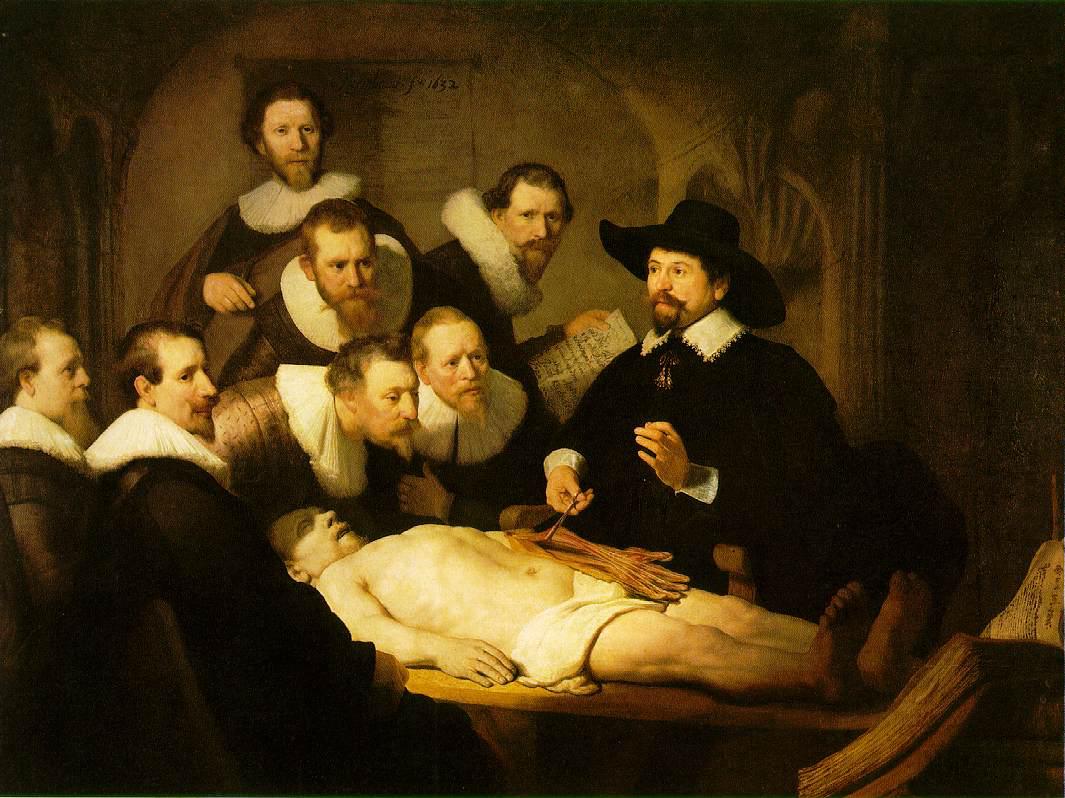
Artwork | The Anatomy Lesson of Dr. Nicolaes Tulp
Author | Rembrandt Harmenszoon van Rijn
Illustrated History of Medicine | Issue 20180422
In the painting, Professor Tulp, wearing a black hat, dissects a corpse while explaining human anatomy to the onlookers. The varied expressions of the audience create a striking contrast with the cold, expressionless cadaver.This painting is Rembrandt’s breakthrough work and a renowned anatomical illustration of the 17th century.
This week, the State Council Information Office held a regular policy briefing to introduce the “Guiding Opinions on Promoting the Development of ‘Internet + Healthcare’.” The 2018 China “Internet+” Digital Economy Summit was held in Chongqing. Wandong Medical issued its latest announcement, stating that the M&A fund in which the company has invested, Shanghai Luzi Enterprise Management Consulting Center (Limited Partnership), completed the acquisition of Italy’s Esaote Group on April 18. Allergan released the “Global Aesthetic Medicine Confidence Report.” The Hongmao Medicinal Liquor incident continues to escalate. VCBeat is now accepting submissions for the 2018 Best Cases in Grassroots Medical Innovation Practice...Grasp a Week's Industry Dynamics in Ten Minutes: Read the VCBeat Weekly Report.
Compared to sports rehabilitation, which is still in the market education phase, rehabilitation institutions focusing on neck, lower back, shoulder, and spinal pain appear to be faring much better. The increasingly younger demographic has injected vitality into this market, traditionally associated with age-related conditions. In contrast, treatment and rehabilitation centers specializing in spinal and musculoskeletal pain serve a larger customer base, with consumer spending power positioned above the market’s mid-range level.
VCBeat interviewed several companies in the pain management niche to explore their visions for building compact, high-quality rehabilitation chains and examine the distinct development paths they are pursuing.
Genetic data is highly sensitive, encompassing information such as lifespan, health status, ethnicity, and intelligence. In the future, genomics may reveal even more insights; if leaked, such information could cause significant problems. On the other hand, de-identified genetic data holds substantial significance for scientific advancement. Only through analysis based on big data can we draw conclusions that more accurately reflect the real world and better achieve personalized medicine. Undoubtedly, a conflict has emerged between personal privacy and scientific progress. The emergence of blockchain technology appears capable of reconciling this conflict.
Topics such as “telemedicine” and “chronic disease management” continue to garner significant attention. The familiar concept of “internet-based healthcare” has evolved into “Internet + Healthcare,” once again dominating online discussions. The philosophy of “putting people first and prioritizing health” is gradually being implemented. What benefits do policies offer to the development of the internet-based healthcare industry? How will medical institutions at all levels across China launch their “Internet + Healthcare” services?
What are Tencent and Alibaba’s strategic layouts in the “Internet + Healthcare” sector? What are the similarities and differences in their strategic logic? How will they leverage internet technologies to “empower” the healthcare industry? What objectives do they aim to achieve, and what impact will they have on the future development of healthcare? VCBeat (WeChat ID: vcbeat) aims to answer these questions.
The USTR’s proposed tariff list includes a wide range of medical devices. In addition to the several categories of high-performance medical equipment highlighted in “Made in China 2025,” some ordinary medical consumables and low-to-mid-end medical devices are also on the proposed tariff list (for the detailed list, please click the title above to read the full article). Clearly, the medical device industry has become a casualty of this round of the U.S.-China trade war.
The Class A management catalog in the “Catalog” has been reduced from 12 items to 5, with the price threshold for large medical equipment newly configured and included in the Class A management catalog adjusted upward from RMB 5 million to above RMB 30 million. The Class B management catalog has been expanded from 5 items to 7, covering large medical equipment priced between RMB 10 million and RMB 30 million that is newly configured. VCBeat has compiled the relevant catalogs.
Artificial Intelligence:Hishi Yigou: In-Depth Collaboration with West China Hospital to Forge a Unique Model
Commercial Insurance:WeSure: Launches Service Allowing Purchase of Commercial Health Insurance with Medical Insurance Personal Account Balances, Revitalizing Funds in Personal Medical Insurance Accounts
Health Management:Hezheng Integrated Medicine Center: Leveraging Physician Groups, Post-Tumor Management Ushers in a New Model
Medical Informatics:Yidu Cloud: Investing RMB 800 Million to Focus on Healthcare Big Data
Assisted Reproductive Technology:Rekeyou: Specializing in overseas assisted reproductive technology, it achieved the highest market penetration in Southwest China within three years.
For more content, please refer to the VCBeat knowledge base!