

Hefei Genomics and National Center for Liver Cancer Science Launch 10,000-Participant Prospective Cohort Study with RMB 100 Million Investment to Advance Early-Stage Liver Cancer Detection
April 22 marked a milestone day for both Huirui Genomics and the National Center for Liver Cancer.
The National Liver Cancer Science Center/Eastern Hepatobiliary Surgery Hospital of Naval Medical University, Nanfang Hospital of Southern Medical University, and Fujian Huirui Gene Technology Co., Ltd., a member enterprise of Berry Genomics, jointly launched the nationwide multicenter, prospective cohort study involving 10,000 participants for screening ultra-early warning biomarkers of liver cancer.
This initiative marks a pioneering shift in China’s liver cancer prevention and control efforts into the stage of ultra-early prevention and clinical validation, holding the promise of significantly improving the diagnostic accuracy for liver cancer—particularly early-stage disease—and thereby enhancing the quality of life for the vast population of liver disease patients in China.
The Label of “A Major Country for Liver Disease” Has Not Yet Been Shed; Early Screening for Liver Cancer Cannot Wait
China is a country with a high incidence of liver cancer, accounting for approximately 59% of new cases globally each year. While novel therapeutic approaches, such as targeted therapies and immunotherapy, have provided better solutions for diseases like lung cancer and lymphoma, progress in the treatment of liver cancer remains slow.
Data from the United States indicate that, despite a decline in mortality rates for diseases such as lung cancer and breast cancer due to advances in medicine and technology, mortality rates for gastrointestinal cancers, including liver and pancreatic cancer, continue to rise.
Compared with the United States, China faces more severe challenges. The incidence of malignant tumors in China is rising annually, with liver cancer ranking second in incidence. Furthermore, under the current standards of diagnosis and treatment for liver cancer in China, the 5-year survival rate for patients is only approximately 10%.
“China has not yet shed the label of being a country with a high burden of liver disease,” stated Academician Wang Hongyang from the National Center for Liver Cancer.
She introduced some of the current hot research directions in the field of precision medicine, such as targeted drugs, immunosuppressants, and CAR-T therapy. Among these methods, treatments for lung cancer are relatively advanced, but there are very few drugs available for liver cancer.
As with other malignant tumors, the optimal window for treating liver cancer is undoubtedly the early stage of the disease. Once it progresses to the intermediate or advanced stages, not only does the difficulty of treatment increase sharply, but the costs also escalate to hundreds of thousands or even millions of yuan. Therefore, early diagnosis of liver cancer not only provides a significant temporal advantage for treatment but also substantially alleviates the financial burden on patients’ families and society.
Liquid Biopsy: A Sharp Tool for Early Screening of Liver Cancer
Due to the nonspecific nature of early symptoms, most liver cancer patients in China are diagnosed at an advanced or late stage, when treatment options are severely limited. The frequent presence of hematogenous metastasis and tumor thrombus formation directly contributes to a significantly lower five-year postoperative survival rate for liver cancer in China compared with developed countries in Europe and the United States.
In the early stages of tumor development, most imaging modalities—such as computed tomography (CT), ultrasound, positron emission tomography–computed tomography (PET-CT), and magnetic resonance imaging (MRI)—are unable to detect lesions, as these techniques can only identify masses with a diameter greater than 1–50 px. Furthermore, both domestic and international studies have demonstrated that current serological diagnostic markers for liver cancer, such as alpha-fetoprotein (AFP), still lack sufficient specificity and sensitivity for the diagnosis and early warning of very early-stage hepatocellular carcinoma, resulting in a high rate of missed diagnoses in the early stages.
“Among novel detection methods, liquid biopsy is considered the most promising,” added Academician Wang Yanghong.
Application of tumor molecular markers in early-stage tumors (Stage I and II) to detect genomic alterations in tumor cells, such as mutations, deletions, rearrangements, methylation, amplifications, and insertions, thereby providing guidance for early diagnosis, prognosis, and selection of therapeutic strategies.
Therefore, there is an urgent need to conduct prospective, multicenter cohort studies based on peripheral blood genetic testing to validate the reliability of the aforementioned methods.
How Should Milestone Projects Be Implemented?
This project is led by Professor Wang Hongyang, an academician of the Chinese Academy of Engineering, Director of the National Center for Liver Cancer Science, and Deputy Chief Expert of the Ministry of Science and Technology’s Special Project on Infectious Diseases, and Professor Hou Jinlin, President of the Asian Pacific Association for the Study of the Liver and affiliated with Nanfang Hospital in Guangzhou, and is implemented in collaboration with Huirui Gene.
Currently, 12 centers are participating in this project, with each hospital providing 1,000 samples. Clinical experts will be responsible for designing the clinical protocol, while Huirui Gene, as the project implementer, will provide technical support across various aspects, including sample transportation, data generation, and joint analysis.
It is understood that Huirui Gene currently plans to invest RMB 100 million in the project.
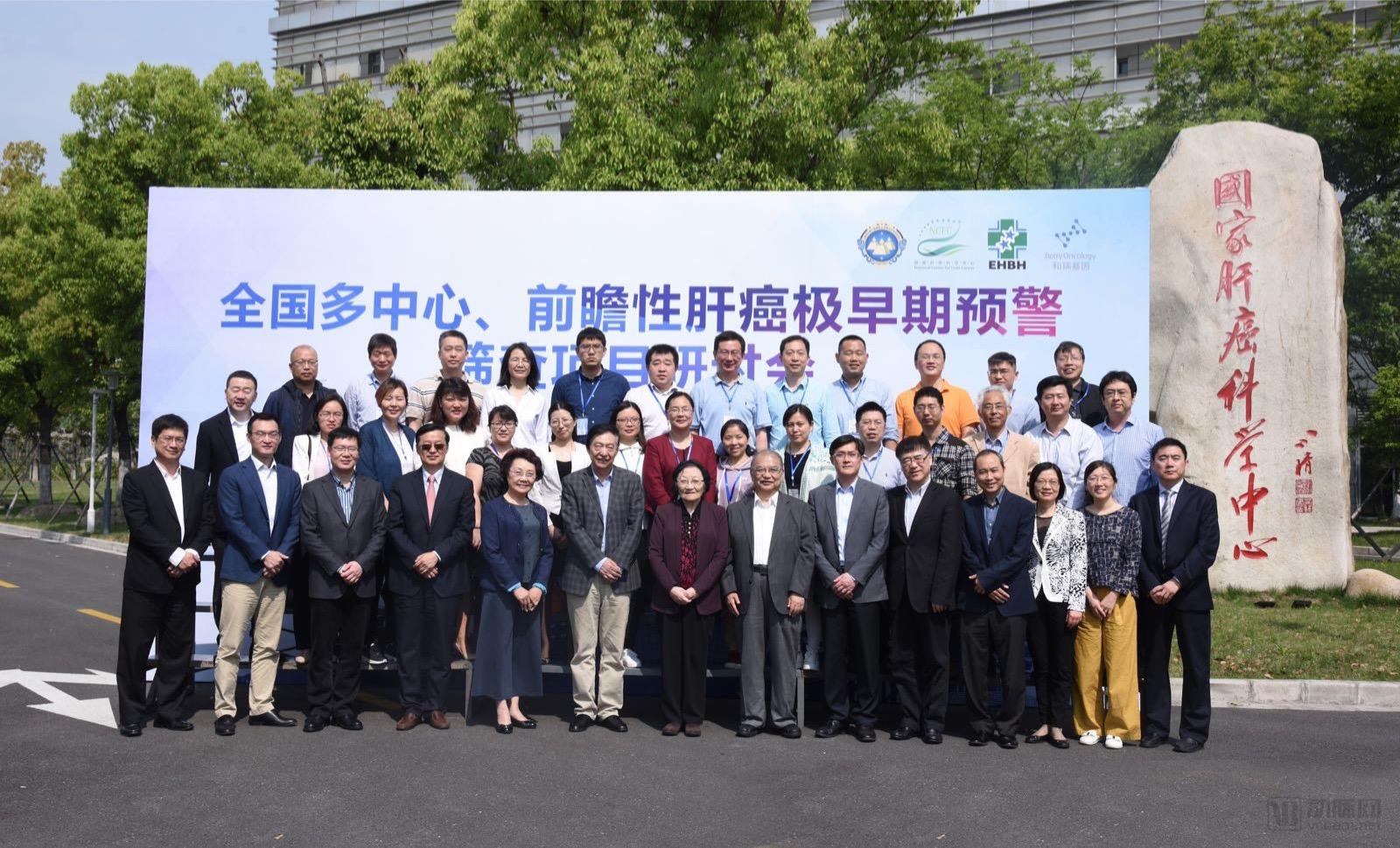
Academicians Yang Shengli, Wen Yumei, Wang Weiqi, Ning Guang, and Wang Hongyang were present in person to witness this significant moment.
This project will target a high-risk population of 10,000 to 15,000 individuals for hepatocellular carcinoma (HCC), comprising approximately one-third patients with liver cirrhosis and two-thirds patients with hepatitis B. It aims to establish a follow-up monitoring cohort and conduct a three-year prospective cohort study, leveraging technologies such as high-throughput genomic sequencing to screen, identify, and apply ultra-early warning biomarkers for HCC in peripheral blood.
Currently, the pilot experiments for the project have been steadily conducted and have accumulated a substantial amount of data. The main phase of the project will be officially launched in the near future, entering subsequent stages of multi-center clinical follow-up, data analysis, and validation. The overall study is expected to be completed in 2021, with interim research findings to be released periodically.
“This project is one of the largest-scale initiatives for ultra-early screening and early warning in the field of cancer, particularly liver cancer, in China. The National Center for Liver Cancer Science is a national-level public research infrastructure platform established in reliance on the Eastern Hepatobiliary Surgery Hospital, which is a large comprehensive hospital specializing in the diagnosis and treatment of hepatobiliary tumors. We jointly launched this project with Professor Hou from Nanfang Hospital of Southern Medical University in Guangzhou and Huihe Gene (Huilai Genomics) because Huihe Gene has a solid technological foundation in the field of liquid biopsy for tumor genetics and has demonstrated firm confidence and determination in research on early cancer diagnosis. Both parties aim to leverage genetic testing technologies to achieve ultra-early prevention and control of liver cancer as soon as possible, and to identify biomarkers for the ultra-early prevention, control, and dynamic monitoring of liver cancer,” stated Academician Wang Hongyang. “It is particularly noteworthy that this project has garnered support from numerous experts in the field and represents a strong alliance among multiple hospitals and research institutions across China.”
She hopes this project will mark a milestone for China in the ultra-early diagnosis of liver cancer, while also providing robust clinical experience to support early detection and screening for other types of cancer.
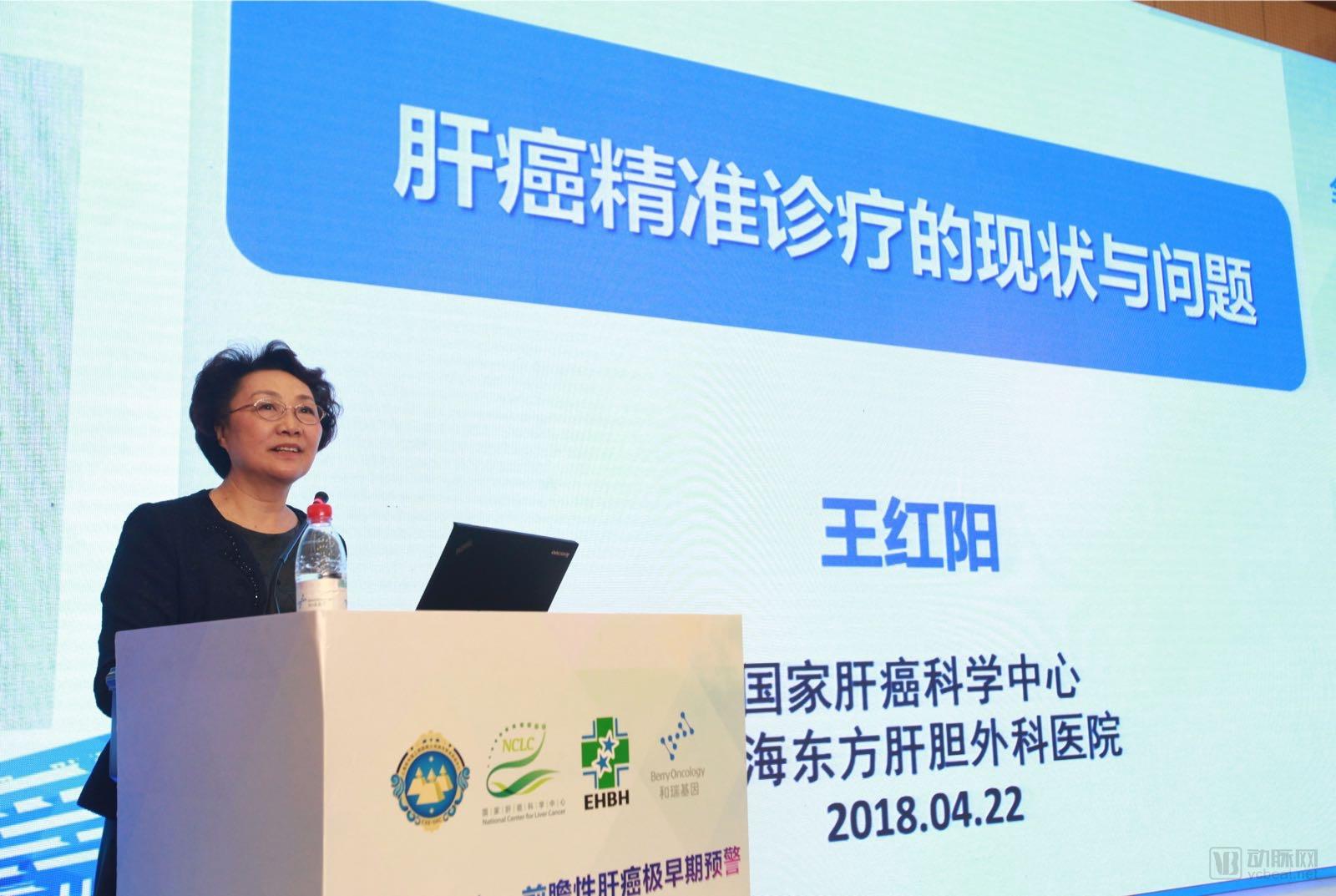
(Academician Wang Hongyang)
Beyond this, there are plans to launch additional early screening programs in the future.
The National Liver Cancer Science Center is the second national-level science center approved and established by the National Development and Reform Commission (NDRC), following the National Center for Nanoscience and Technology.
To address the major scientific challenge of liver cancer prevention and treatment, seven academicians—Wu Mengchao, Tang Zhaoyou, Wen Yumei, Gu Jianren, Yang Shengli, Zheng Shusen, and Wang Hongyang—jointly spearheaded a proposal to the state for launching integrated research on liver cancer. On August 14, 2009, the National Development and Reform Commission officially approved the establishment of the National Liver Cancer Science Center project.
GenePlus was established in August 2017. As a subsidiary of Berry Genomics, GenePlus has fully inherited Berry Genomics’ original oncology business and has achieved notable success in medication testing for patients with intermediate to advanced-stage cancer, dynamic monitoring of treatment efficacy, and hereditary cancer testing. In particular, its liquid biopsy products for cancer, developed leveraging the globally innovative patented gene mutation detection technology—cSMART—and the improved and optimized PCR amplicon sequencing technology (tPAS assay), have maintained an industry-leading position, providing a solid technological foundation for ultra-early cancer screening programs.
Since its inception, Huirui Gene’s industrial ambitions have extended beyond the mid- to late-stage cancer market, instead making early and ultra-early cancer screening and diagnosis its strategic direction and corporate mission.
The joint launch of a screening project for liver cancer warning biomarkers with Academician Wang Hongyang and Professor Hou Jinlin marks a significant step forward in Basecare’s implementation of its corporate strategy. Building on the experience gained from this initiative, Basecare plans to roll out several additional research projects focused on early screening and diagnosis of malignant tumors that pose serious threats to the health of the Chinese population.

(Zhou Jun, General Manager of Herui Genomics)
“The state has provided ample policy encouragement and support. The 2018 Government Work Report delivered at the Two Sessions pointed out that national scientific and technological investment should be tilted toward areas affecting people’s livelihoods, and efforts should be strengthened to tackle key challenges in the prevention and control of major diseases such as cancer.” Dr. Zhou Daixing, a director at He Rui Genomics and founder of Berry Genomics, expressed strong confidence in this project.
Jointly launched and implemented with the National Center for Liver Cancer, the screening project for ultra-early warning biomarkers of liver cancer holds milestone significance for the health of the Chinese population. “We anticipate that this project will bring about breakthrough progress in the early diagnosis of liver cancer in China,” he added.
Huirui Gene will therefore invest over 100 million yuan in technology development and clinical validation. The collaboration between the National Center for Liver Cancer and Huirui Gene signifies an organic integration of their respective strengths, connecting domestic experts in the field of liver cancer through this research project to form a national team for collaborative efforts, thereby further advancing the time window for tumor detection using gene testing technologies.
“Together with traditional imaging diagnostic techniques, we are establishing the standard for ultra-early screening and diagnosis of liver cancer. We are confident that we will achieve satisfactory experimental results. By leveraging our professional capital and scientific research capabilities to position ourselves in the field of early tumor diagnosis, we hope that the clinical implementation of early tumor detection will occur even sooner than we originally anticipated,” he continued.
The launch of this project also marks, to some extent, the inception of China’s early cancer diagnosis market, holding profound significance for basic research, clinical application, and industrialization in this field.