

Leading Academicians Gather at Taihu (Mashan) Forum to Discuss Innovation, Challenges, and Future Prospects in Precision Medicine
In April, the Taihu (Mashan) Life and Health Forum was held at Nianhua Bay in Wuxi.
The conference featured in-depth analyses and discussions on multiple topics, including national strategies, the healthcare landscape, scientific research advancements, industry prospects, and future challenges in the biopharmaceutical sector. Two founders of Genetron Holdings Limited were invited to attend the forum: Mr. Wang Sizhen, CEO of Genetron Holdings Limited, participated in the thematic salon session, while Professor Yan Hai, Chair Professor at Duke University and Chief Scientific Officer of Genetron Genetics, delivered a keynote speech at the main forum.
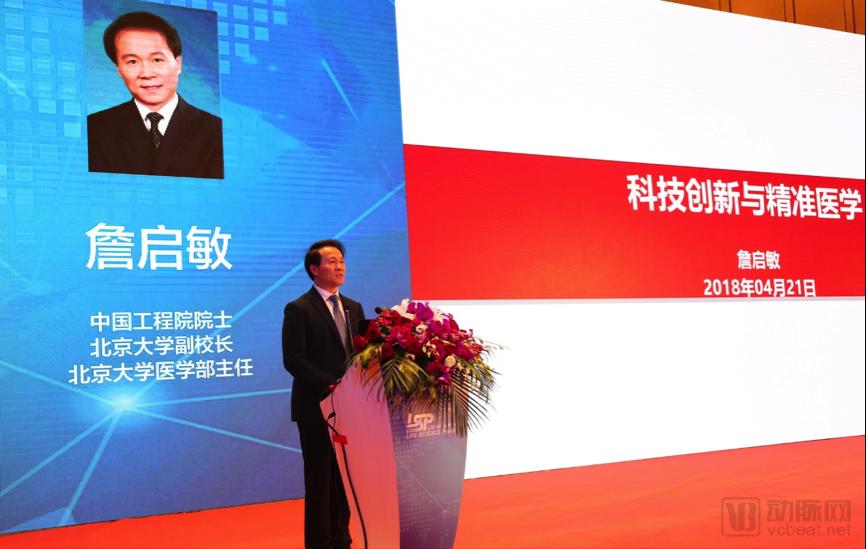
Academician of the Chinese Academy of Engineering, Vice President of Peking University, and Director of the Health Science CenterAcademician Jian Qimin
At this forum, several leading experts in the field of precision medicine delivered keynote addresses. Academician Zhan Qimin, Member of the Chinese Academy of Engineering, Vice President of Peking University, and Director of the Health Science Center, gave a keynote speech titled “Technological Innovation and Precision Medicine.” Academician Zhan stated:
“China is implementing and practicing the Healthy China development strategy, and vigorously promoting precision medicine is a key step in this strategy.”
Taking cancer as an example, current research in cancer genomics is accelerating to achieve precise diagnosis and targeted therapy for tumors. This endeavor requires multidisciplinary integration, encompassing not only gene sequencing technologies but also human proteomics and metabolomics techniques, as well as molecular imaging, molecular diagnostics, endoscopic minimally invasive procedures, targeted drugs, and big data analytics tools.
Furthermore, early diagnosis is currently the most effective approach to curbing cancer. Tumor molecular markers can serve as “tracking” tools across various stages, including disease prediction, early diagnosis, tumor localization, treatment planning, disease progression monitoring, therapeutic efficacy assessment, prognosis evaluation, and recurrence surveillance. Meanwhile, cancer diagnosis and treatment remain relatively imprecise, leading to instances of both undertreatment and overtreatment. Therefore, in clinical practice, it is essential to identify the most objective and accurate metrics for disease assessment. Molecular pathology testing can facilitate more precise diagnosis and treatment, enabling patients to truly benefit from the concept of precision medicine.
Precision is the goal and requirement of medical development, an essential connotation and objective of translational medicine research, a new historical imperative for evidence-based medicine, and a crucial means to achieve health for all. However, one characteristic of precision medicine deserves emphasis: its primary arena lies within communities and hospitals, not in hard drive servers or laboratories. The advancement of precision medicine requires support from large-scale samples and big data, effective integration among government, industry, academia, research, and application sectors, and synchronous development with regulatory science.
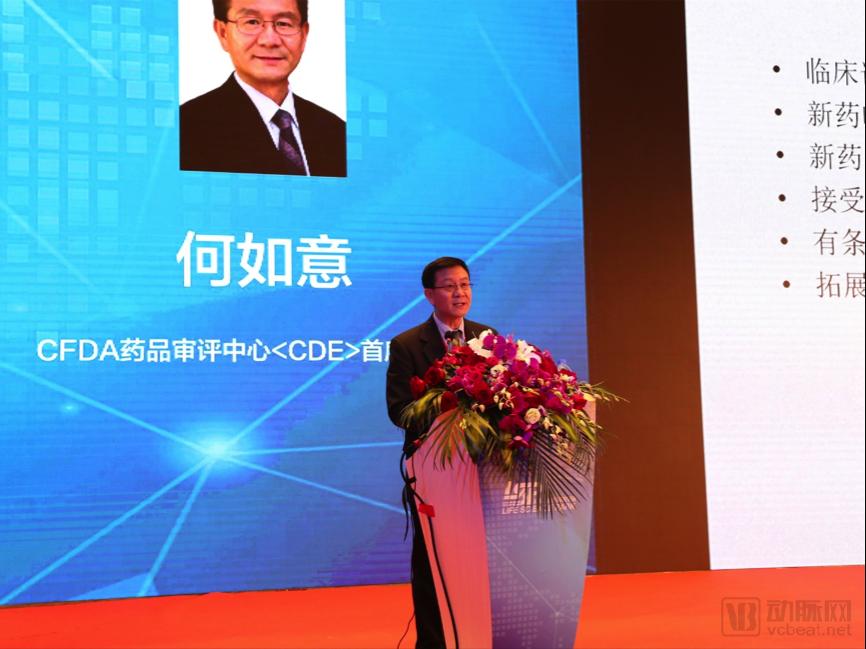
Dr. He Ruyi, Chief Scientist at the Center for Drug Evaluation (CDE) of the China Food and Drug Administration (CFDA)
Dr. He Ruyi, Chief Scientist at the Center for Drug Evaluation (CDE) of the China Food and Drug Administration (CFDA), highlighted in his keynote speech titled “Improving Submission Quality and Accelerating Drug Review” that:
“Clinical approval and clinical trials of new drugs have always attracted significant public attention. To address this, we will further open up clinical trial sites. Since enterprises struggle to assume primary regulatory responsibility during the clinical trial process, it is essential for scientific researchers, trial sponsors, applicants, and clinical trial sites to each fulfill their respective duties, collaborate effectively in conducting clinical trials, and foster a favorable environment for new drug clinical trials.”
To address the issue of excessively long review periods for new drug clinical trial applications, we have replaced the conventional review and approval system with an implicit approval mechanism, under which the review and approval process must be completed within 60 working days. This necessitates concerted efforts by all enterprises to improve the quality of their submissions, thereby accelerating the approval process.
Furthermore, the IND review model will shift to a clinical trial-centric review and approval framework. All reviews and approvals will be based on the clinical trial protocols submitted by sponsors, which necessitates that companies provide as many detailed, evaluable relevant metrics as possible when submitting their protocols.
Meanwhile, risk management in clinical trials of new drugs is also critically important. In the event of potential risks arising during clinical trials, we will suspend the relevant clinical trials if communication fails to resolve the issues. Regarding the acceptance of overseas clinical trial data, this does not equate to automatic acceptance of overseas clinical trial results; rather, it entails conducting a review and approval process that complies with Chinese requirements, based on such overseas data.
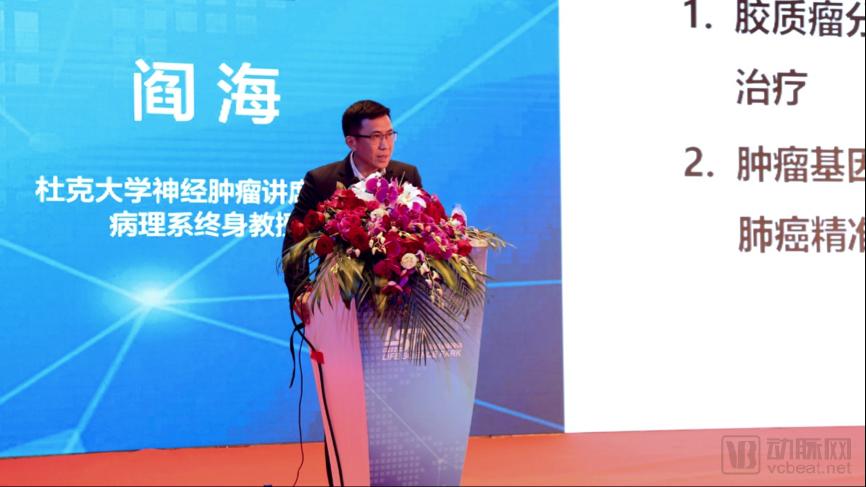
Chair Professor at Duke University, Chief Scientist of Genetron Holdings LimitedProfessor Hai Yan
During the main forum session, Professor Hai Yan, Chair Professor at Duke University and Chief Scientist at Genetron Holdings Limited, delivered a speech titled “Precision Oncology Diagnosis and Treatment Guided by Genomics Technologies and Early Cancer Screening.” He highlighted encouraging breakthroughs in the field of tumor genetic testing, focusing on clinical applications, technological innovations, and advances in early cancer screening research.
“In recent years, genomics has demonstrated significant clinical value in the diagnosis and treatment of tumors. For primary malignant central nervous system (CNS) tumors, Professor Hai Yan and his team were the first to identify several key driver genes in gliomas. Among these, IDH gene mutations have been incorporated into the WHO Classification of Tumors of the Central Nervous System and major authoritative clinical guidelines as the gold standard for guiding clinical diagnosis and treatment. Meanwhile, a series of small-molecule drugs and immunotherapy approaches have entered various stages of clinical trials.”
Subsequently, Genetron Holdings Limited developed innovative liquid biopsy technologies, exemplified by cerebrospinal fluid (CSF)-based assays, which hold broad prospects for clinical application. These include applications in the clinical diagnosis and targeted therapy of lung cancer brain metastases, as well as the use of multi-type biomarkers to guide immunotherapy. Furthermore, the company is tackling the century-old challenge of early cancer screening.
Recent findings from Professor Yan Hai’s mentor, Mr. Bert, highlight a broader future for genetic testing in cancer diagnosis and treatment. The “CancerSEEK” assay, which combines 16 genes and 8 proteins, was evaluated in over 1,000 cancer patients and 800 healthy individuals, covering eight major tumor types and various stages of disease. It achieved an early-stage diagnostic sensitivity of over 70% and a specificity of up to 99%. More importantly, the test results can accurately localize the primary site of the tumor. Meanwhile, Grail, a leader in early cancer screening, recently announced preliminary results from its circulating cell-free genome atlas study, demonstrating a specificity greater than 99%. The research achievements of Bert and Grail underscore the feasibility of using liquid biopsy for early tumor screening.
“Liquid biopsy has been widely adopted for therapy matching in patients with advanced-stage cancer. The future direction lies in early detection and diagnosis of tumors. Adhering to the spirit of craftsmanship and the pursuit of excellence, Genetron Holdings Limited is deeply committed to advancing tumor early screening, striving to become a leading high-tech company in the industry.”
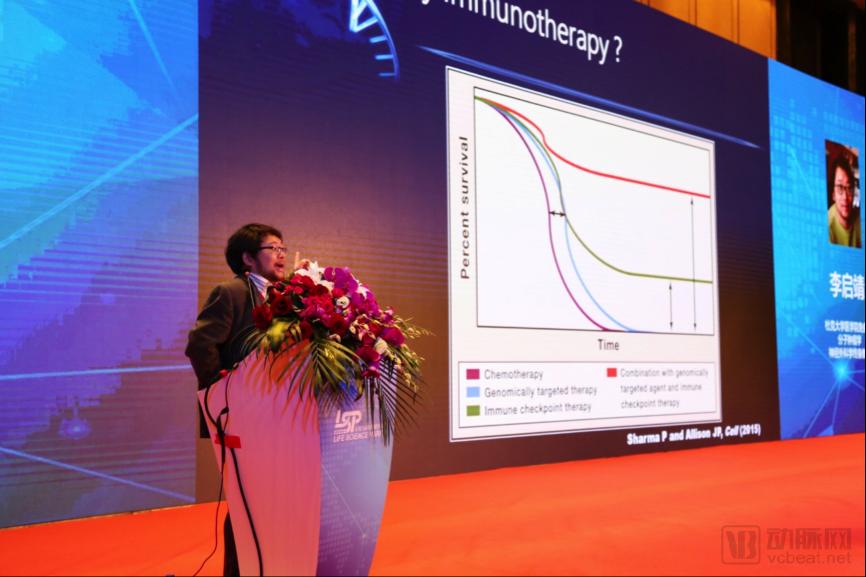
Professor of Immunology and Tenured Professor of Neurosurgery, Duke University School of MedicineProf. Li Qijing
In his keynote address titled “Successes and Challenges in Tumor Immune Cell Therapy,” Professor Qijing Li, Professor of Immunology and Tenured Professor of Neurosurgery at Duke University School of Medicine, shared insights on the progress of immunotherapy as well as the opportunities and challenges in China. He stated:
“In 2016 and 2017, cancer immunotherapy was twice named the Advance of the Year by the American Society of Clinical Oncology. To date, immune checkpoint inhibitors represented by PD-1 antibodies, PD-L1 antibodies, and CTLA-4 antibodies have been approved in Europe and the United States for the treatment of various cancers, including malignant melanoma, non-small cell lung cancer, renal cell carcinoma, and bladder cancer. Meanwhile, they have demonstrated preliminary efficacy in multiple solid tumors such as hepatocellular carcinoma, esophageal cancer, gastric cancer, and colorectal cancer.”
Meanwhile, genetically engineered T cells, as a novel approach to cancer therapy, have also demonstrated remarkable efficacy in clinical trials for refractory and relapsed malignant hematologic tumors. However, it is important to clarify that although new tumor immunotherapies represented by CAR-T have achieved notable success in hematologic malignancies, no tumor immunotherapy has yet been widely adopted in large-scale clinical practice.
In the wake of the “Wei Zexi incident” in China, rather than halting progress in immunotherapy research, we must strengthen the foundations of related basic research. In clinical research, China enjoys advantages such as a large patient population, relatively concentrated high-quality medical resources, and an ample reserve of technical personnel in the cell therapy industry. However, it also faces numerous challenges: there is an urgent need to establish a national support system for clinical trials, particularly investigator-initiated trials; the quality and skills training of clinical trial professionals require further enhancement; infrastructure supporting immune cell engineering remains inadequate; there is a lack of long-term, in-depth multidisciplinary collaboration mechanisms centered on clinical projects; and insufficient immune monitoring during clinical trials and immunological analyses throughout disease progression lead to inadequate data collection, hindering thorough mechanistic studies. By overcoming these difficulties and advancing collaboratively, we are confident that the future of cancer immunotherapy will be bright.
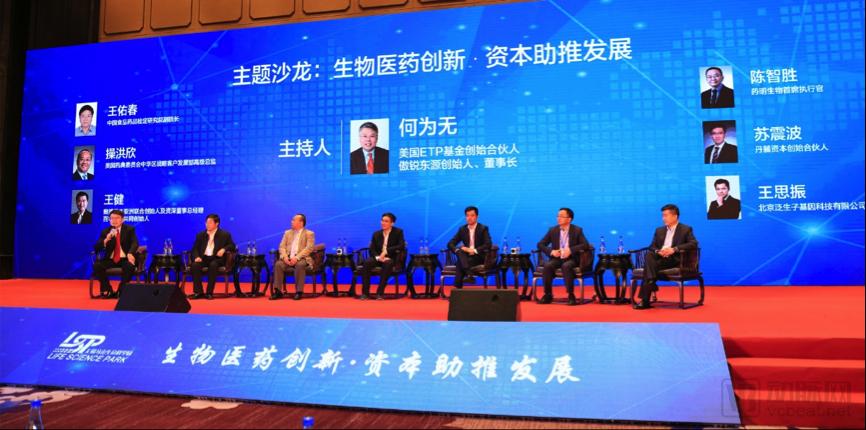
Founding Partner of U.S. ETP Fund, Chairman of Genetron HoldingsMr. He Wei Presides Over the Forum
Mr. Wang Sizhen, CEO of Genetron Holdings LimitedParticipate in the discussion
During the salon discussion themed “Biopharmaceutical Innovation, Capital Fueling Development,” Mr. Wang Sizhen, CEO of Genetron Holdings Limited, shared his insights on balancing technological innovation with market demand in the biomedical industry, the opportunities and challenges facing precision medicine and genetic testing, and the key factors for success among leading enterprises.
“Innovation is based on the effective integration of a company’s intrinsic capabilities and market demands. While market demand can guide the direction of technological innovation, it can sometimes be short-sighted and requires education. Given that scientific research often advances in leaps and bounds, market awareness may not keep pace; therefore, market education is also the responsibility of technology-driven enterprises. Genetron Holdings Limited has been closely monitoring market demands, leveraging its excellent R&D team’s sustained innovative capabilities, and striving to advance market education within the genetic testing industry.”
Genetron Holdings Limited has established separate R&D centers in the United States and China. The U.S. R&D center collaborates with and introduces cutting-edge international scientific achievements and resources, achieving significant breakthroughs in basic cancer genomics research. The China R&D center focuses on translating scientific findings into applications, optimizing technological innovation, and accumulating and analyzing data. The effective integration of these dual centers in China and the U.S. accelerates the clinical translation of new domestic and international technologies for cancer diagnosis and treatment, thereby better serving cancer patients in China and around the world.
"Genetron will focus on two key areas in the future. First, regarding China’s domestically developed second-generation sequencing and next-generation sequencing technology platforms, a critical strategic consideration for us is how to develop products with significant clinical value on these domestic platforms. Second, across the entire genetic testing industry, including the oncology genetic testing segment in which Genetron operates, companies are actively positioning themselves through R&D or M&A activities along the upstream and downstream segments of the industrial chain. We aim to achieve faster, stronger, and more comprehensive accumulation of capabilities, effectively integrate and leverage upstream and downstream resources, or in other words, connect the entire industrial chain, thereby completing the construction of a closed-loop precision medicine ecosystem anchored by genomics."
The Taihu (Mashan) Life and Health Forum was jointly hosted by the Chinese Pharmaceutical Association, the Enterprise Innovation Service Center of the China Association for Science and Technology, the Jiangsu Provincial Association for Science and Technology, the Jiangsu Provincial Food and Drug Administration, and the Wuxi Municipal People’s Government. The forum invited numerous domestic and international experts in the field of biomedicine to engage in in-depth discussions and research on topics such as R&D technologies for novel antibody-based drugs, immuno-oncology drug development, biopharmaceutical investment and financing, industry-academia-research-capital collaboration in novel drug delivery systems, R&D and evaluation of new vaccines, ICH pharmaceutical safety data management, regenerative medicine, and innovative medical devices. Through these exchanges, participants accumulated experience and sparked innovative ideas, collectively contributing further to promoting international cooperation in the biopharmaceutical industry, facilitating the efficient integration of biomedicine with financial capital, and supporting the robust development of the biopharmaceutical sector.