

Health Boundary All-in Ecosystem in Hainan: Witnessing the New Framework of Healthy China
On April 27, half a month after the globally acclaimed Boao Forum for Asia concluded successfully, another premier event—the 2018 Boao Health界 Summit—grandly opened.
Shen Xiaoming, Governor of Hainan Province, attended the opening ceremony of the 2018 Boao Health World Summit and delivered a speech. He expressed his hope that high-end professional conferences on medicine and health would be permanently held in Boao, establishing it as a global hub for medical salons. Subsequently, he joined several academicians in unveiling the plaque for the “Boao Institute of Medical Innovation.” In addition, the fourth season of the National Hospital Arena Competition was officially launched at the opening ceremony.
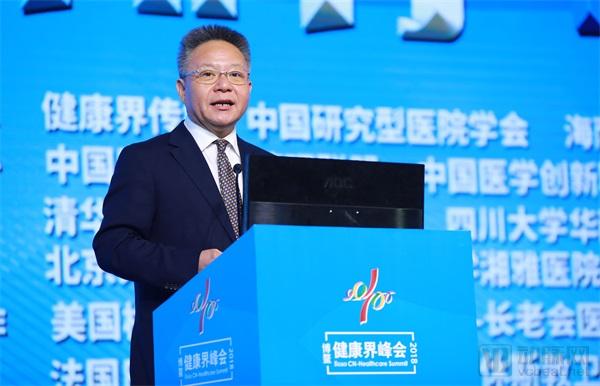
New Beginnings: Global Medical Salon Center and Boao Medical Innovation Institute
At the conference celebrating the 30th anniversary of the establishment of Hainan Province and its designation as a special economic zone, General Secretary Xi Jinping announced to the world that a pilot free trade zone would be established across the entire island of Hainan, and that efforts would be made to explore the creation of a free trade port with Chinese characteristics. The free trade port represents a higher level of openness for China, and so far, Hainan is the only region designated as such.
At the opening ceremony, Shen Xiaoming stated that the focus of Hainan’s free trade zone is to serve openness, but it will not pursue every industry indiscriminately. Among the sectors opened up in the service industry, the opening of the medical and health services sector is of paramount importance. Therefore, Hainan is committed to transforming the entire island into a “Health Island” and has designated the medical and health industry as a pillar industry.
“Regarding the Hainan Free Trade Port and Boao, our dreams are even grander. I hope to attract more high-end professional conferences in medicine and health to permanently settle in Boao, making it a global hub for medical salons and a common home for doctors of all backgrounds worldwide. I hope that in a few years, when people think of Boao, they will not only recall the Boao Forum for Asia but also naturally associate it with medicine and health!” Shen Xiaoming, who comes from a medical background, is filled with passion and vision for the future development of the Hainan Free Trade Port and Boao.
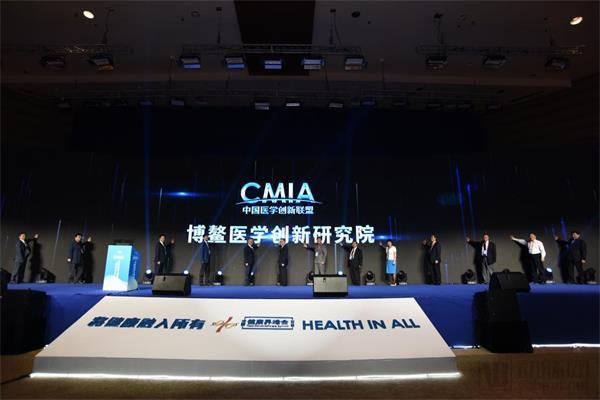
In establishing a global hub for medical salons, the Hainan Boao Medical Innovation Research Institute has taken a pioneering step. At the opening ceremony, Shen Xiaoming, together with academicians and professors including Huang Jiefu, Ge Junbo, Fang Jiancheng, Qiao Jie, Fan Jia, Zhang Liming, Fan Yubo, Huo Yong, Feng Guosheng, and Dai Tao, jointly unveiled the plaque for the “Hainan Boao Medical Innovation Research Institute.” This innovative institution, co-founded by more than 20 academicians and numerous hospital administrators across China, was officially launched at this event.
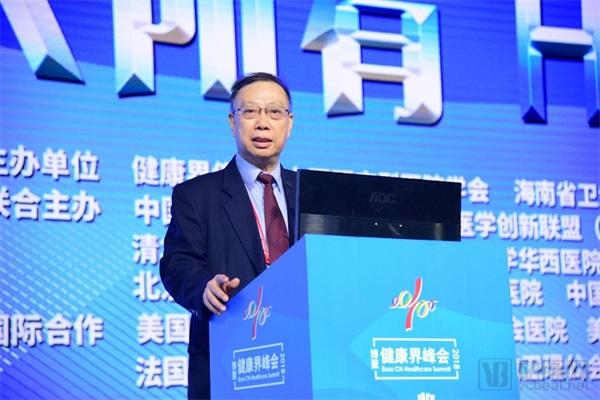
Huang Jiefu, former Vice Minister of the Ministry of Health and Director of the National Committee for Human Organ Donation and Transplantation, is optimistic about the prospects of the Boao Institute for Medical Innovation.
He stated that while Xiong’an lies to the north, Hainan is situated in the south. Hainan holds greater importance than Xiong’an; the South China Sea serves as the nation’s backyard, and Hainan’s development carries profound significance for the strength and rejuvenation of the Chinese nation. “If Hainan is likened to a temple, the key to whether it enjoys thriving devotion lies in whether it has capable monks.”
He expressed his hope that the Boao Medical Innovation Institute would seize the new opportunities in Hainan, and that the team led by Academician Ge Junbo would excel in their endeavors. “Manage the monks well and build a strong temple; this undertaking is sure to succeed.”
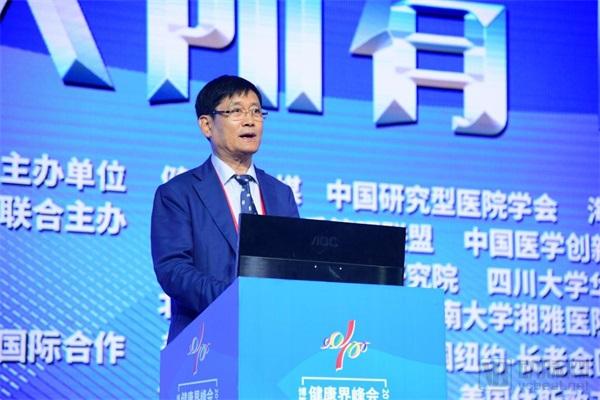
It is precisely in recognition of the vibrant potential of Hainan’s healthcare sector, as well as the numerous theoretical and practical issues it entails, that the Chinese Research Hospital Association, in partnership with Health界 Media and the Hainan Provincial Health and Family Planning Commission, jointly hosted the 2018 Boao Health界 Summit at the permanent site of the Boao Forum for Asia. Wang Faqiang, President of the Chinese Research Hospital Association, stated that the Central Committee of the Communist Party of China has assigned Hainan four important strategic positionings. Vigorously developing the medical and health industry and breaking free from the constraints of an outdated healthcare system align with Hainan’s new positioning as a pilot zone for comprehensive deepening of reforms, as well as its role as an international tourism and consumption center. He expressed confidence that Hainan’s medical and health sector will flourish in the future and become a national benchmark. Leveraging the favorable policies of a new round of higher-level reform and opening-up, the 2018 Boao Health界 Summit has established a new platform for medical and health development, which will significantly accelerate the realization of the Healthy China Dream.
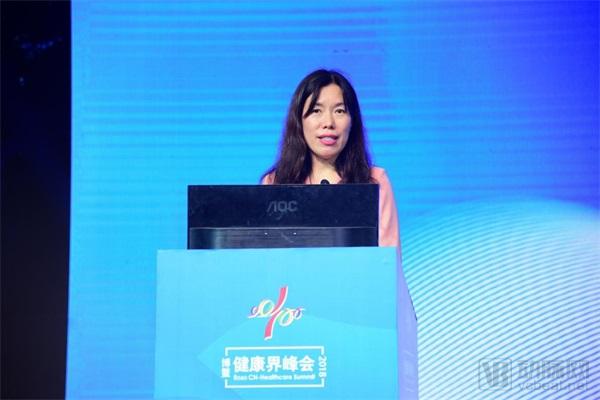
As the chief planner of this summit, Zhao Hong, President of Health界 Media, stated that love is perceptible, transmissible, memorable, and inheritable. “Thank you all for coming to beautiful Boao to integrate health into everything.”
Guests attending this summit have come not only from across China but also from afar, including the United States, France, the United Kingdom, Israel, Japan, Australia, Canada, Argentina, and other countries and regions. This reflects a profound love for healthcare and for health itself. “Although we live in different parts of the world, we believe that as members of the same human species, we share much common ground when facing issues related to the value of life, medical technologies, and the economic challenges in pharmaceuticals and healthcare. The most impactful solutions should transcend national borders through global dissemination and sharing.”
Zhao Hong stated that everyone has the right to comprehensive health. Health Circle Media should rise to its mission of the times, embark on this journey alongside global medical and healthcare peers, and strive tirelessly for a healthier future for humanity.
New Management: Three Leading Hospitals Discuss Innovation
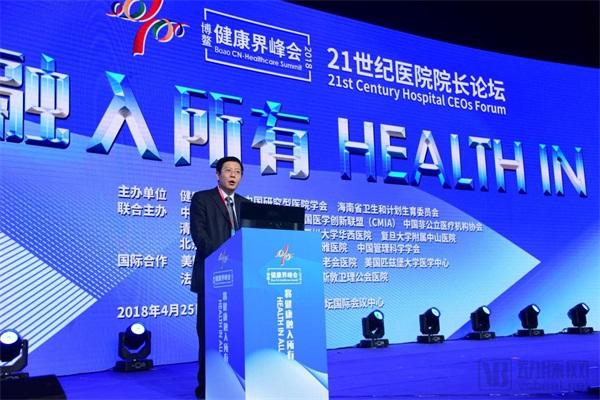
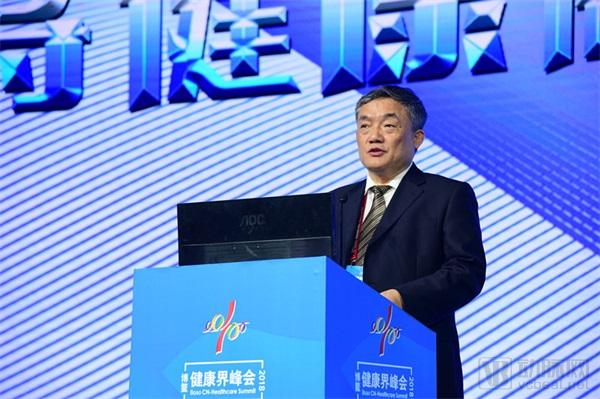
The main forum of the 2018 Boao Health Circle Summit, chaired by Wen Daxiang, Deputy Director of the Shanghai Municipal Health and Family Planning Commission, carefully selected three of China’s most prestigious hospitals to share their experiences: West China Hospital, with a history spanning over 120 years; Zhongshan Hospital, with 80 years of heritage; and Peking University Third Hospital, celebrating its 60th anniversary. The presidents of these three institutions independently chose innovation as the central theme of their presentations.
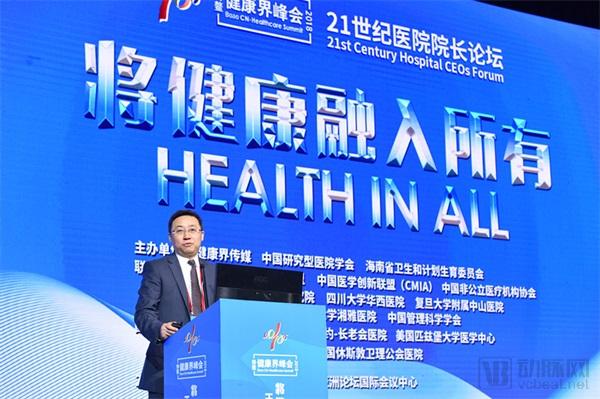
Li Weimin, President of West China Hospital of Sichuan University, stated that the hospital observes its founding anniversary as “West China Innovation Day” annually on November 3. “The primary purpose of Innovation Day is to foster a culture of innovation across the entire hospital and among all staff members through a series of projects and activities, while providing incentives to promote innovation.”
West China Hospital’s innovative development begins with strategic innovation: shifting from scale expansion to substantive capacity building, from extensive to refined management, and from replicating domestic and international research to pioneering original drug discovery. In clinical innovation, it has transitioned from following to leading; in management innovation, it has established diverse organizational structures tailored to the evolving requirements and demands of different eras. For instance, operational management departments and public health development departments were established at various stages to oversee regional development and the construction of medical consortia.
In the new era, West China Hospital established the Double First-Class Construction Office to build world-class disciplines. In terms of operational management innovation, the hospital achieved refined management goals through a two-tier management system at both the hospital and departmental levels. Regarding personnel innovation, it established a human resources management mechanism that allows for flexible entry and exit, as well as promotion and demotion.
“Huaxi’s development is innovation-driven, Huaxi’s progress is innovation-propelled, and Huaxi’s future is innovation-led,” said Li Weimin.
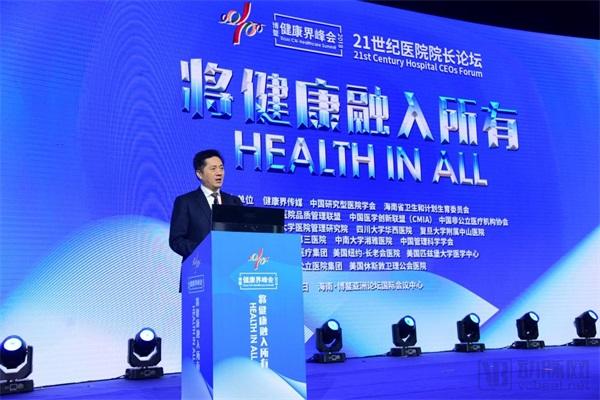
Fan Jia, an academician of the Chinese Academy of Sciences and President of Zhongshan Hospital Affiliated to Fudan University, stated that the goal of excellence in management is to be employee-oriented, implementing comprehensive, standardized, and refined management. This approach aims to enhance management efficiency by improving institutional standardization, strengthen hospital and departmental management through increased efficiency, and achieve comprehensive refined management by leveraging information technology platforms. “We established China’s first surgical prescription protocol and implemented pharmaceutical inventory management, taking the lead in building such systems within the country.”
Fan Jia stated that in the future, Zhongshan Hospital aims to become a national-level medical center with internationally leading diagnostic and treatment capabilities, maintaining advanced global standards while extending its resource influence across China. By implementing platform, disciplinary, talent, cultural, and technological strategies, the hospital seeks to achieve its goal of establishing five key areas of excellence: healthcare, technology, talent development, education, and culture.
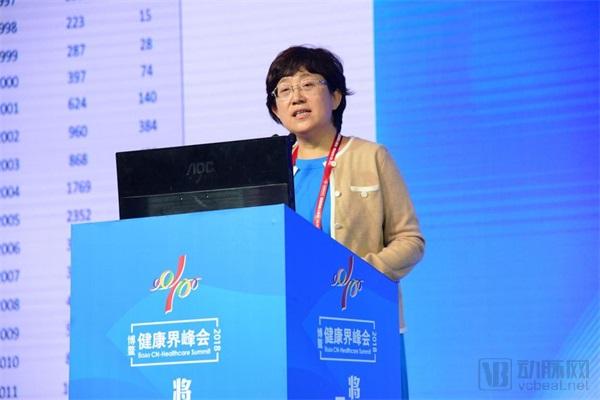
In October 2018, Peking University Third Hospital will celebrate its 60th anniversary. Reflecting on the hospital’s development history, Qiao Jie, President of Peking University Third Hospital and an academician of the Chinese Academy of Engineering, stated in his keynote address that “the spirit of struggle, responsibility, and innovation demonstrated by our predecessors has truly built a broad platform for us, the younger generation.” He emphasized that innovation-driven strategies have led the development of Peking University Third Hospital.
She cited as an example that over a decade of multidisciplinary team (MDT) research has fostered the development of a cluster of disciplines, including obstetrics and gynecology, endocrinology, ultrasonography, andrology, embryology, and genetics, along with innovations in assisted reproductive technologies. The field has evolved from initially requiring open abdominal surgery, to later employing minimally invasive procedures guided by ultrasound, to performing more precise surgical interventions, and ultimately to conducting preimplantation genetic diagnosis at the single-cell level. Each technological innovation has given rise to new disciplinary advancements. “A single technological breakthrough can rapidly accelerate the development of a discipline, drive progress across China, and enable corresponding specialties within hospitals to form cohesive disciplinary clusters that develop swiftly, thereby yielding better outcomes for the institution,” shared Qiao Jie.
New Technologies: How Far Are International Experiences from Chinese Hospitals?
Professor Martin Hirsch is the Chief Executive Officer of the Assistance Publique – Hôpitaux de Paris (AP-HP), a hospital group comprising 39 hospitals that operate on a unified electronic medical record (EMR) system. Regarding “how hospitals can drive change and prepare for the future,” Professor Hirsch stated that the AP-HP’s EMR system is linked to a data warehouse, enabling all collected data to be utilized for clinical and research purposes. These data serve as valuable tools, with strong emphasis placed on safeguarding patient privacy during their use. “These data may even be leveraged for translational research, ultimately progressing to the stage of clinical trials. Currently, data mining initiatives are underway.”
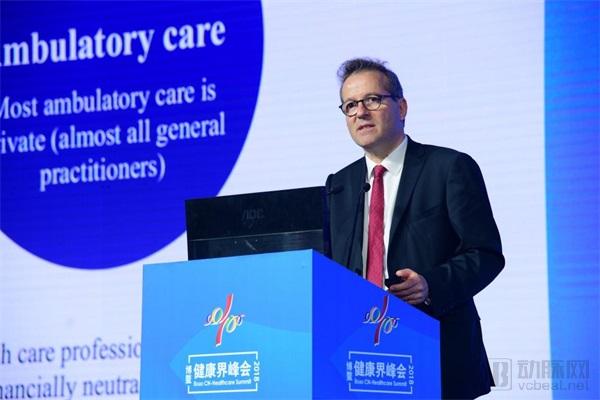
“We aim to establish an electronic platform for clinical trials, which will also be leveraged for drug research and development, along with the electronic medical record system. By maximizing economies of scale, we can significantly enhance our capacity to respond to epidemic outbreaks and other public health emergencies. We are committed to substantial investment in innovation, seeking to integrate emerging areas such as genomics into hospital operations, thereby advancing personalized therapy and precision medicine, and ultimately delivering greater value to patients and healthcare professionals.”
Caroline Mascarenhas, Vice President of Houston Methodist Hospital in the United States, stated while sharing insights on “Innovation in Hospital Operations” that it is now necessary to redefine access to healthcare services. In the past, patients primarily sought care at clinics; today, they increasingly rely on advanced communication tools to access services. With new generations of patients holding different expectations, channels must be redefined, including expanding offline appointment options and fully leveraging platform-based services. Furthermore, in extending the reach of specialty care, patients should be provided with comprehensive 24/7 service coverage.
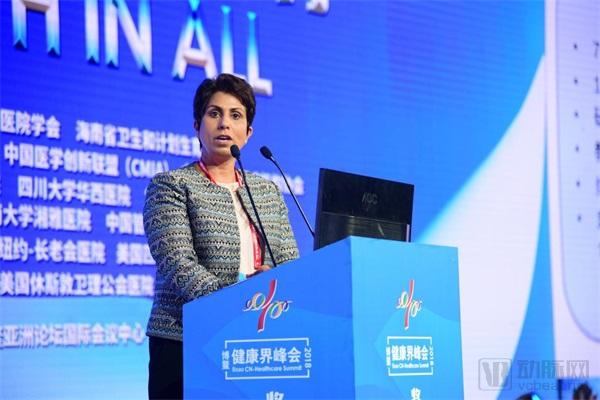
“From a technological standpoint, we have excelled in telemedicine, with remote services available across many of our hospital campuses. We have also implemented the GSA system, a telepsychiatry service. Furthermore, we provide teleconsultation services to our own staff, allowing them to schedule video consultations for professional medical advice,” said Caroline Mascarenhas.
In his presentation titled “Technology Brings Hope to Mayo,” John A. Crooks from the IT Department of Mayo Clinic stated, “Mayo has over 130 projects related to artificial intelligence. For instance, to increase patient enrollment in clinical trials, Mayo staff strive to meticulously record high-quality data from both the trials and the patients, ensuring that substantial data is generated during patients’ hospital stays, thereby capturing as much useful information as possible. Furthermore, machines can assist in collecting and analyzing medical history data, organizing valuable insights for physicians to support their clinical decision-making.”
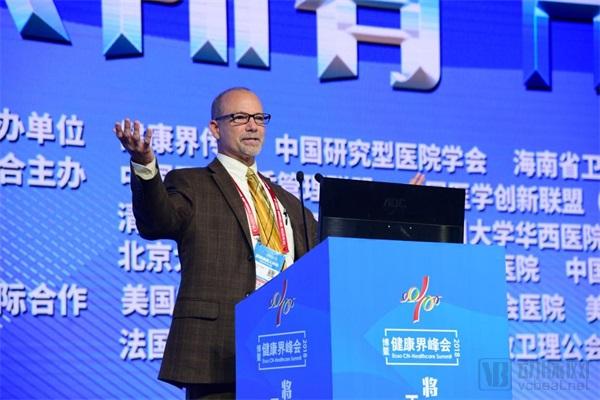
Mayo Clinic adheres to the philosophy of not fearing failure, but rather insisting on identifying the root causes of failure to ultimately discover pathways to success. Another core tenet of Mayo Clinic is “The Needs of the Patient Come First.” Consequently, regarding the adoption of technology, if it fails to significantly enhance patient experience and improve patient care services, it is deemed valueless in the eyes of Mayo Clinic.
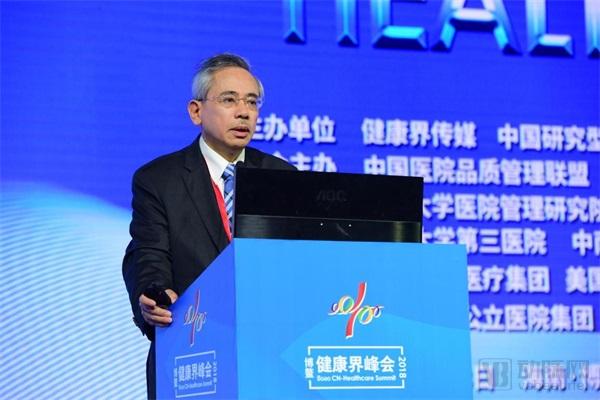
Wen-Da Chiu is the Chief Executive Officer of the American AMHC Healthcare Group and Chairman of the International Academic Committee at the Institute of Hospital Management, Tsinghua University. While sharing insights on “International Trends in Multi-Hospital Group Management,” he introduced the concept of a “Management Score.” Through research conducted by AMHC on more than 1,200 hospitals, five key factors were identified as significantly influencing management scores: first, greater competition fosters better management, with higher levels of competition being more beneficial;
Second, the more clinical staff who assume management roles, the higher the management scores.
Third, the quality of management outcomes is closely related to the scale of the hospital;
Fourth, management outcomes are closely linked to managerial autonomy;
Fifth, non-public hospitals have better management scores (though this may not necessarily hold true in China).
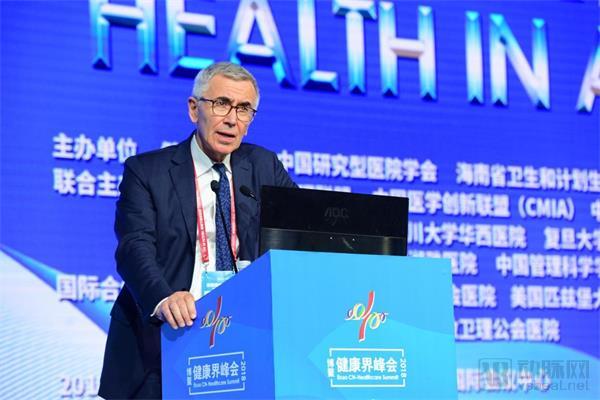
Bruno Gridelli, a professor at the University of Pittsburgh Medical Center, believes that healthcare costs are rising globally, and providing affordable medical services to patients has become a challenge.
In addition to pressures on costs and profits, the industry faces the formidable challenge of global population aging. Over the past few decades, the number of people aged 60 and above has continued to rise, and the prevalence of chronic diseases has been steadily increasing; China has not been immune to this trend. Projections indicate that by 2030, chronic diseases will account for 75% of deaths worldwide, imposing significant economic and social burdens globally.
“To better address these challenges and issues, in addition to continuously focusing on improving healthcare quality and patient experience, we are exploring a model that integrates payers and providers. This model enables patients to access affordable, world-class medical services, such as those in cancer care, transplantation, and geriatric disease management,” said Bruno Gridelli.
New Service: Action Plan for Improving Medical Services to Be Upgraded
At the final session of the main forum of the 2018 Boao Health World Summit, five leaders and experts, including Li Linkang, Inspector of the Bureau of Medical Administration and Hospital Management under the National Health Commission, jointly launched the fourth season of the National Hospital Arena Competition, moderated by Sun Hong, President of Xiangya Hospital of Central South University.
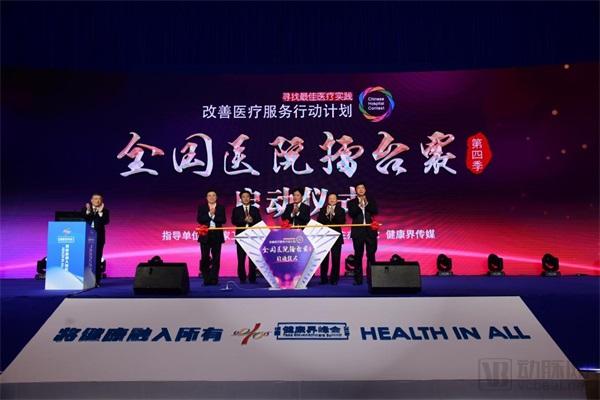
Three years ago, the former National Health and Family Planning Commission released a plan to further improve medical services. During the same period, Healthy World Media, dedicated to aggregating and disseminating advanced experiences and methods for enhancing healthcare delivery, has annually hosted a lively competition showcasing initiatives to improve medical services. To date, more than 500 hospitals have participated, contributing over 1,400 case studies, which reflects the recognition of and enthusiastic participation by China’s hospital sector in efforts to improve medical services. In January 2018, a new round of the Action Plan for Improving Medical Services was introduced, proposing new concepts and missions, and the National Hospital Competition will be upgraded accordingly.
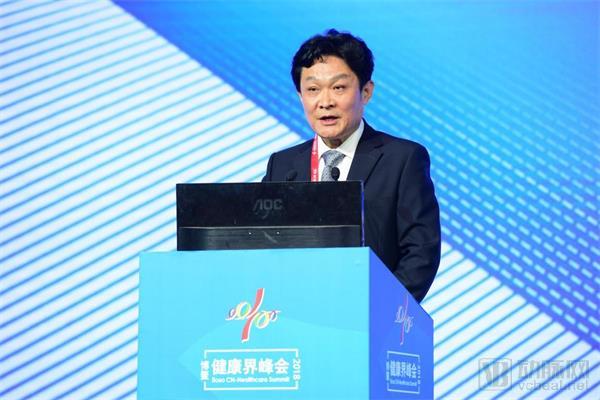
Li Linkang, an inspector with the Bureau of Medical Administration and Hospital Management under the National Health Commission, stated in his review of the three-year Action Plan for Improving Medical Services that the plan, implemented nationwide since 2015 to further enhance medical services, has achieved the following: First, it has promoted high-quality development of medical services, particularly by intensifying the application of “Internet Plus” technologies and optimizing service processes. Second, it has innovated medical care models centered on patient needs, resulting in more efficient services and a rapid improvement in medical quality. Third, it has focused on strengthening hospitals accessible to local communities, facilitating the decentralization of medical resources and further increasing the volume of diagnoses and treatments at primary healthcare institutions.
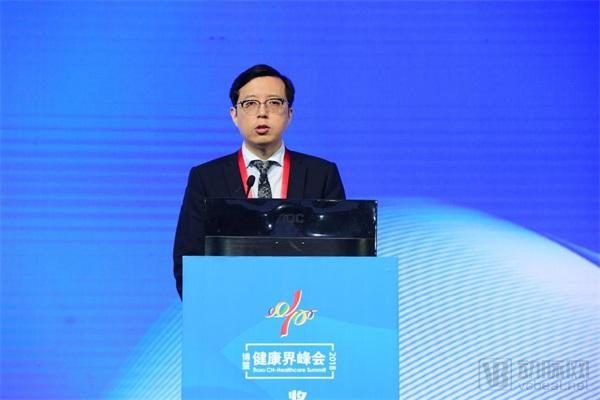
Wang Yi, Director of the Medical Administration Bureau under the National Health Commission, stated while interpreting the new Three-Year Action Plan for Improving Medical Services that the new round of the three-year plan will adhere to the principle of pursuing progress while ensuring stability, consolidate previous achievements, uphold new development concepts, closely align with the changes in the principal contradiction facing Chinese society, meet the requirements for high-quality development, and exert simultaneous efforts on both supply-side structural reform and the demand-side experience of the people, thereby continuously enhancing the public’s sense of gain and happiness.
Source: CN-Healthcare