

China's Largest Pediatric Hematology-Oncology Center Combats the Second Leading Cause of Childhood Death
In May 2018, the Third Ward of the Hematology and Oncology Center at Beijing Jingdu Children's Hospital officially opened, with 20 patient rooms and 50 beds put into use. The newly established Second Transplant Ward was also fully prepared and began admitting patients. With this expansion, the Hematology and Oncology Center at Beijing Jingdu Children's Hospital now boasts 20 Class 100 clean-air transplant isolation units and 150 hospital beds, making it the pediatric hematology and oncology center in China with the largest number of beds and transplant isolation units.
Meanwhile, the laboratories of the Hematology and Oncology Center and the Immunotherapy Laboratory at Beijing Jingdu Children's Hospital are also in the final stages of construction, with overall completion expected in June.
At that time, the center will be capable of performing diagnostic analyses for various blood and immune-related disorders, and will offer cutting-edge international medical technologies such as cellular immunotherapy and gene therapy. This will benefit a greater number of pediatric patients with hematologic diseases and immunodeficiencies, ensuring more effective and precise treatment.
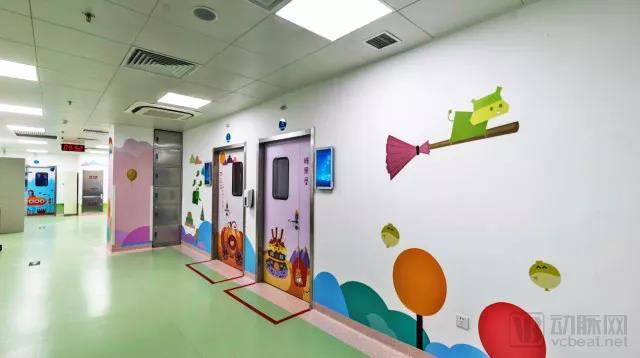
Ward Environment (Image source:Department of Hematology, Beijing Jingdu Children's Hospital)
Sun Yuan, member of the expert team at Beijing Jingdu Children's Hospital, Vice President, and Director of the Hematology-Oncology Center, stated that since the hospital’s establishment, with the support and trust of the industry and patients, the department has achieved remarkable results in the diagnosis, chemotherapy, and transplantation for various pediatric hematologic diseases.
Beijing Jingdu Children's Hospital is a large tertiary-level specialized pediatric hospital approved by the Beijing Municipal Health and Family Planning Commission, integrating medical care, scientific research, prevention, healthcare, and rehabilitation. As one of the hospital’s key disciplines, the Hematology and Oncology Center has performed nearly 200 hematopoietic stem cell transplantations since its establishment. Approximately one-third of these cases involved hemophagocytic lymphohistiocytosis (HLH), with over 90% of such patients suffering from refractory or progressive HLH. By employing novel chemotherapy regimens and targeted therapies, the department has enabled these children to achieve disease remission and subsequently become eligible for transplantation.
Since its establishment, the center has treated a large number of patients with chronic active Epstein-Barr virus (EBV) infection, high-risk, refractory, or progressive leukemia, severe aplastic anemia, and various types of immunodeficiency disorders. High-risk pediatric patients accounted for over 80% of cases, with more than 80% achieving long-term survival post-transplantation.
While curing diseases, the center has made extensive efforts to care for pediatric patients from psychological, endocrine, and growth and developmental perspectives, ensuring that children not only recover from their illnesses but also truly return to a normal state of life.
To meet the growing treatment needs of patients, the hospital opened a new ward for the Hematologic Oncology Center in 2017, expanding upon its existing units. In addition to increasing the number of beds in this newly opened ward, the facility has also expanded its transplant isolation rooms. Upon completion, there will be 20 ISO Class 5 (Class 100) clean-room transplant units and a total of 150 beds. This expansion aims to better address the diverse treatment needs of patients, enabling them to receive timely and effective care.
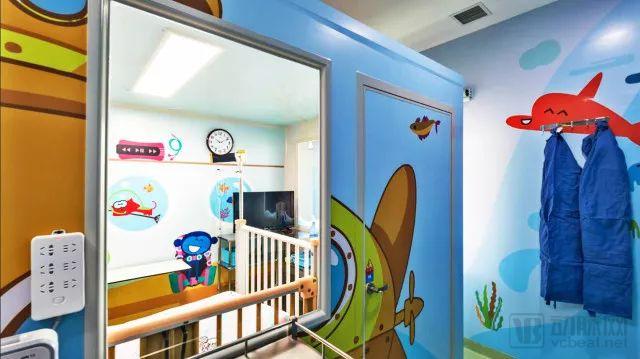
The newly completed transplant ward (Image source:Department of Hematology, Beijing Jingdu Children's Hospital)
Currently, the Hematology and Oncology Center comprises eight functional areas, including three general hematology departments, two stem cell therapy departments, a hematology laboratory diagnostics room, a cell separation room, and a hematology-oncology outpatient clinic. Meanwhile, the construction of the laboratory for the Hematology and Oncology Center and the immunotherapy laboratory at Beijing Jingdu Children's Hospital is in its final stages, with overall completion expected by June.
At that time, the center will implement advanced technologies such as various cellular immunotherapies and gene therapies, achieve precise diagnosis and stratification of hematologic diseases, and provide more proactive and targeted treatments, thereby offering the most comprehensive and robust life support for pediatric patients.
On the other hand, the Comfort Care Center of the Hematologic Oncology Center is currently under active development. With the full operation of the Comfort Care Center, pediatric patients will be guaranteed to undergo examinations and treatments in a safe, pain-free, and comfortable environment. This will alleviate the suffering associated with invasive procedures—such as bone marrow aspiration, lumbar puncture, and PICC line insertion—and provide holistic physical and psychological care, thereby delivering more humanized compassion to pediatric patients.