

8 Key Trends Shaping the U.S. Dental Industry: A Strategic Guide to Launching a Patient-Centric Clinic
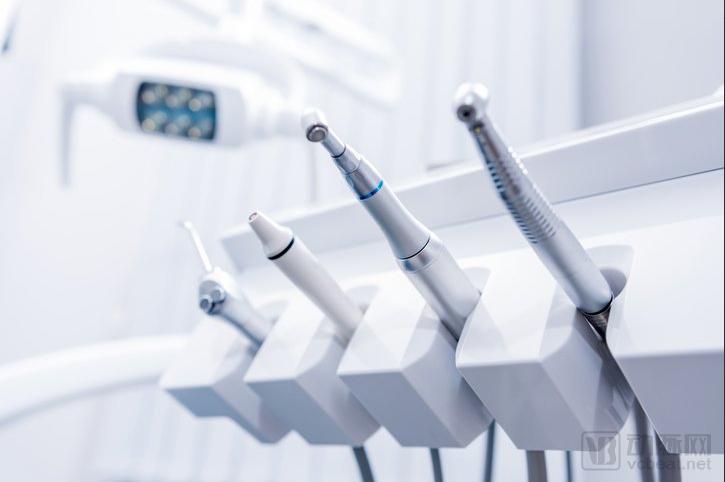
Image from the official website of the American Diabetes Association (ADA)
Dentistry is a highly consumer-oriented segment of the healthcare industry, significantly driven by new technologies, innovative products, and emerging business models. Young consumers’ healthcare-seeking behaviors are undergoing profound changes, with a growing preference for experience-based consumption.
If dentists do not stay abreast of trends and changes in the dental industry, it will be impossible to sustain continuous growth in new patient acquisitions and maintain high patient retention rates, thereby gaining a competitive edge over rivals.
Regardless of whether dentists pay attention, changes such as dental insurance policies and technological advancements are profoundly impacting the entire industry, even profitability. This requires dentists, especially young dentists who have grown up in the digital age, to seize opportunities and enhance their competitive advantages.
In this article, VCBeat (WeChat ID: vcbeat) has compiled the eight major trends in the dental industry in 2018, with a particular focus on the U.S. market, and examined how these trends can help dental clinics attract patients and boost profitability.
In an ideal healthcare system, everyone would have comprehensive dental coverage, access to thorough preventive oral care, and timely resolution of any issues that arise.
Unfortunately, the dental industry currently faces significant imbalances between supply and demand. For instance, the final quarter of 2017 and early 2018 were particularly challenging, as the U.S. Congress failed to fund the Children’s Health Insurance Program (CHIP), which aims to provide dental and medical coverage to millions of children.
Fortunately, after months of debate, the U.S. Congress finally voted to approve an additional six years of funding for CHIP, extending through 2024.
What does this mean for dentists? First, dentists and healthcare groups can seePediatric consultation rates will see a significant increase.. Without the support of CHIP, many parents with limited financial resources might be unable to afford dental care for their children. Therefore, the relaxation of policies will significantly improveDaily Consultation Rates, Oral Hygiene Rates, and Restorative Treatment Rates in Pediatric Dentistry。
Of course, the same issues are also prevalent among adults. Many adults repeatedly postpone their dental care plans due to an inability to afford medical expenses or a perception that treatment is not urgent, yet they equally require timely dental care. Furthermore, even for parents with sufficient financial means, pursuing additional dental treatments can be a positive and rewarding experience.
Dentists can seize this opportunity to reach out to patients through marketing channels such as social media, email, and direct mail advertising, encouraging them to schedule follow-up appointments—a task that is not difficult.
Rapid technological innovation is completely disrupting the traditional dental healthcare industry, and this momentum is set to continue in 2018. The use of 3D resin printing to customize dental diagnostic and treatment devices for patients is one of the most profound technological advancements currently shaping the field.
Of course, 3D printing is not a new topic; this technology has been around for many years. However, in the field of dental medicine, it has only recently garnered attention, as it has gradually been adopted as a tool in dental clinics in recent years, such as for customizing orthodontic appliances for patients.
Nowadays, 3D printing has been widely applied in dental medicine, includingDental implants, tooth restoration, and even customized corrective devices for patients with sleep apnea. The primary reasons for the more widespread application of resin materials are:
1. The resin material exhibits exceptional surface finish, perfectly realizing the detailed features required for various types of dental diagnostic and treatment instruments;
2. Stable material properties and convenient molding make it suitable for both short-term and long-term dental instruments;
3. In many respects, resin printing is more popular than digital design.
In industries such as jewelry and hearing aid manufacturing, the application of 3D printing is already quite mature, with market penetration largely saturated and even showing a declining trend.
In the dental healthcare industry, 3D printing may have only just begun to flex its muscles starting from 2018. This trend helpsEnhancing Instrument Precision and Manufacturing Efficiency, which is highly beneficial for both dentists and patients.
With the aid of digital technologies, such as intraoral scanning and CBCT, many dental surgical procedures will undergo significant changes in the future. Patients will benefit from advanced oral scanning and imaging, while 3D-printed instruments will become standard in dental clinics, with prices becoming more affordable.
If your dental clinic does not have a 3D printer, you should seriously consider acquiring one this year, as the frequency of 3D printing use is expected to increase significantly starting this year. Investing in a 3D printer will help maintain your clinic’s market competitiveness.
Many readers are likely already aware that in late 2017, Facebook announced adjustments to its algorithm. CEO Mark Zuckerberg stated that Facebook would prioritize content from friends, family, and groups in users’ feeds, while reducing the visibility of posts from public media outlets.Reduce exposure to brand advertising。
This change is naturally a major blow to merchants who expect good marketing communication effects on Facebook. In the past, dentists and clinics could still count on a considerable proportion of their Facebook fans seeing the ads they placed in the newsfeed, but now the results are worrying.
Of course, Facebook’s recent algorithm change was intended to benefit users, as the platform had previously become cluttered with excessive content; the goal is to ensure that users see more posts from people they know.
This move can also be understood as Facebook’s brand rebuilding. What does this mean for dentists in the United States? The most significant change is that,They may have to pay a higher price to achieve the same ad click-through rates as before.。
Since the vast majority of Facebook’s revenue comes from advertising, this will certainly boost the platform’s profit margins. Coupled with restrictions on reach, this will force businesses toAllocate More Capital, andImprove Ad Content Qualityto garner greater attention.
Dentists can begin by analyzing the communication effectiveness of their past advertising campaigns to maximize their ad reach on Facebook. Additionally, they should craft more shareable content,Select a more appropriate timing for deliveryIt also helps improve advertising effectiveness, ensuring that every dollar spent on digital marketing is well worth it.
The influence of online service reviews has been repeatedly amplified in the internet era, and this trend will continue in 2018. First, let the data speak for itself to see how consumers perceive online reviews:
1. 97% of consumers stated that they would browse online reviews of merchants before purchasing services;
2. For common online review websites, 63.6% of consumers choose to check reviews on Google before purchasing products or booking services;
3. Studies have shown that when consumers evaluate the value of healthcare service providers, they primarilyAffordability, quality of care, and convenience are taken into consideration.。
Some more traditional dentists always feel that frequently checking their online reviews is a particularly tedious and unnecessary task, because they believe that if patients have any problems or opinions, they will provide direct feedback to them. However, these dentists might change their minds if they understand the current trends.
First, 94% of consumers have stated that negative online reviews would essentially deter them from seeking services. Although there are no specific statistics available for the dental industry, it is certain that negative online reviews are highly likely to drive potential patients into the arms of competitors.
The same survey also found that,Only about one-third of companies respond to negative reviews, which is also a factor that patients may notice. Eighty percent of consumers believe that businesses that take the time to respond to online reviews care more about their customers than those that ignore such reviews.
Therefore, online reviews are crucial to the operations of healthcare institutions. An increasing number of patients are posting online reviews after their visits, and physicians can leverage these reviews to monitor the quality of their services.
A minor issue within this trend is that, despite the overwhelming volume of reviews on Google and Facebook, there is currently no segmentation by specific specialty. Whether on PC or mobile devices, dentists are gradually becoming accustomed to spending more of their spare time online.Dental marketers also need to focus their efforts on more targeted online media.
Additionally, dentists can cultivate the habit of proactively inviting patients to post online reviews about their services after each visit, which may even help them gain a competitive edge in this trend. Furthermore, strengthening staff training to encourage employees to actively mention online reviews to patients will also boost the clinic’s positive ratings and patient satisfaction rates.
In recent years, the plight of doctors operating clinics on their own has been deteriorating, andJoint Practice Clinics Are Rapidly on the Rise, especiallyChain Clinics with 10-20 Branches. 2018 will see more joint-practice clinics than ever before, a notable major trend.
One of the biggest drivers for the development of joint practice clinics is the United States.The Educational Costs for Dental Students Are Exorbitantly High. In 2014, dentists typically graduated with $150,000–$200,000 in debt. By 2016, according to data released by the American Dental Education Association (ADEA), the average graduate debt had surged to $261,149—a substantial sum.
Although there are already many innovative services on the market to alleviate student loan pressure, such as Genius Student Loans, dental graduates still feel immense pressure.
This is the demand point for joint practice. For newly graduated dentists, the benefits of joining a joint practice clinic are obvious. Dentists practicing together can share costs, effectively alleviating the financial pressure on newly graduated dentists.
Furthermore, by joining a joint practice clinic that was already operational before one’s graduation, one can immediately benefit from the patient base and reputation accumulated by the clinic in its earlier years; starting from scratch would typically require several additional years to achieve similar results.
Furthermore,Multi-Practice Clinics Offer Greater Stability, for instance, when a dentist wishes to take leave for personal reasons, other dentists within the clinic can be arranged as substitutes, which is difficult to achieve in solo-practice clinics.
Another reason for the continued increase in the number of multi-practitioner clinics is the rapidly changing landscape of the healthcare industry. It is an open secret within the sector that insurance reimbursement rates for dental services are generally low. Preferred Provider Organizations (PPOs) and other third-party payers wield significant influence in defining coverage scopes and setting reimbursement rates.
According to The Boston Globe, Delta Dental, which has 2.2 million members in Massachusetts, will adjust its PPO plan’sDental Reimbursement Rates Cut by Up to 30%, the stateMore than half of dental clinic patients use this insurance., as clinic operating costs continue to rise, physicians are under significant pressure.
Solo practitioners must shoulder the entire burden alone, whereas group practices offer mutual support in addressing challenges such as health insurance reimbursement. Indeed, some dentists are vigorously resisting this trend, but there is no sign of it slowing down.
Paperless office workflows and online data storage have seen mature adoption across many industries; however, the healthcare sector, particularly dental care, exhibits a pronounced lag, appearing conspicuously out of step with the times.
Documented in black and white, data stored in physical locations, locked away in drawers. Although this traditional method of document management carries many risks and inconveniences, many patients and dentists still feel reassured by keeping medical records in a tangible location within the clinic, where they can be seen and touched.
However, from the perspectives of environmental friendliness and efficiency enhancement, an increasing number of clinics have begun to adopt new technologies to create a paperless, digital workflow, such as digital solutions like online scheduling. For large multi-specialty group practices that urgently need to improve management efficiency, the adoption of advanced practice management software (such as billing and schedule management systems) will be highly beneficial. So, what else can digital technology bring to the healthcare industry?Data Storage Will Be the Next Big Trend.
One key reason for the rapid global adoption of cloud storage technology—specifically, SaaS management software in dentistry—is cost. In the business world, minimizing unnecessary expenses is common sense and one of the ways to maximize shareholder profits. The dental healthcare industry faces similar pressures, as its stakeholders share the same profit-driven motives.
An increasing number of cloud storage companies have achieved compliance with HIPAA (Health Insurance Portability and Accountability Act) requirements, such as dental giantsHenry Schein's Dentrix Ascend and Patterson Dental's Fuse, are all patient visit management software widely used in the field of dentistry.
These cloud service providers are well aware of the stringent data security requirements in the healthcare industry, as well as the needs of dental care providers and patients.A Solution Combining Affordability and Safety. Utilizing cloud storage means that important consultation data and documents can be securely hosted on remote servers, allowing dentists to access these data anytime and anywhere, so as to complete work outside the office.
As young physicians gradually enter the workforce, they exhibit high acceptance of digital technologies and will be more inclined to invest in this area.
Thanks to the six-month suspension of CHIP funding, the healthcare industry is poised for a surge in demand. Meanwhile, another financial trend warrants our attention: an increasing number of dentists and multi-specialty group practices are beginning toProvide Innovative Dental Loan Options for Patients, which is also a way to ensure continuous medical care.
As dentists, they are well aware that neglecting oral health can lead to many serious long-term risks, which patients often fail to notice in their daily lives. According to statistics from the National Association of Dental Plans (NADP), the majority of Americans (77%) have dental insurance, with coverage provided either by employers, through public programs, or paid out-of-pocket.
Of course, 23% of the population lacks dental insurance, amounting to over 114 million people, including as many as 67.7 million individuals under the age of 65. According to the NADP,Individuals with dental insurance are more likely to visit the dentist regularly., and are more inclined to take their children to the dentist to receive timely dental care as needed.
Individuals without dental insurance coverage are significantly less likely to visit dental clinics, sometimes resorting to extreme treatment measures. Given the prevailing reality that a substantial number of people lack access to comprehensive oral healthcare services, there is an urgent need for viable solutions to bridge the disparity in dental care utilization between patients with and without dental insurance.
Many dentists in the United States have recognized this and therefore offer patients a variety of loan options to encourage regular visits. These financing solutions include interest-free medical credit cards and in-house payment plans. Of course, if patients default on their loans, clinics providing these financing options must be psychologically prepared to engage in constructive discussions with them regarding repayment.
Competition in the dental healthcare sector is exceptionally fierce in certain regions. As previously discussed, consumers are highly discerning when selecting their healthcare providers; consequently, some dental clinics have also begun toPrioritize the patient consultation experience to deliver more personalized services., aiming to widen the gap with competitors.
SPA therapies have recently maintained a low but steady growth rate in the dental healthcare industry, incorporating treatments such as upright massage and reflexology, which place significant emphasis on delivering personalized and luxurious therapeutic experiences for patients.
Offering such ancillary benefits helps attract patients from the middle- and high-income brackets, who in turn drive an increase in the proportion of positive online reviews for the dental healthcare industry.Improving the patient care experience can also be achieved by increasing the time and quality of communication and interaction with patients., such as discussing dental history with patients and helping them set long-term treatment goals.
Additionally, a wider variety of video content can be provided in the waiting area to help patients pass the time while educating them about new treatment technologies. Clinic staff can also engage with patients during their wait to discuss their care experiences, offering services beyond those available in traditional dental practices to make patients feel valued.
Whether aiming to attract new patients or maintain patient loyalty, it is essential for dentists to stay abreast of emerging trends in the dental healthcare industry. Proactively embracing these trends and enhancing service quality constitute a sustainable strategy for attracting and retaining patients.
Reference link:
https://www.ada.org/en
https://www.dentaleconomics.com/articles/print/volume-92/issue-10/features/market-trends-in-dentistry.html
https://oralhealthamerica.org/blog/2016/05/oral-health-america-releases-state-by-state-analysis-of-older-americans-oral-health/