

VoxelCloud Launches Video-Based Behavioral Analysis Products for Pre-Diagnosis of Skin Conditions and Infant Congenital Disorders, Expanding Access to Tiered Diagnosis and Internet Healthcare

VoxelCloud
Developer of Intelligent Imaging Systems
Medical artificial intelligence has now expanded to cover AI-assisted diagnosis across numerous hospital departments for a wide range of conditions, including lung cancer, breast cancer, cervical cancer, Alzheimer’s disease, and diabetic retinopathy.
However, current medical AI products are primarily targeted at B-end stakeholders, such as hospital departments and medical device companies. Due to the lengthy approval, certification, and product development cycles, many business models require long-term investment before yielding returns. Consequently, medical AI products designed for C-end consumers, family doctors, and internet healthcare institutions remain exceedingly rare in the market.

Image source: VoxelCloud
As the only startup in medical imaging AI to receive strategic investment from Tencent (National Medical Imaging Artificial Intelligence Innovation Platform) and early-stage funding from Sequoia Capital, VoxelCloud has long been recognized for its robust AI-assisted interpretation workflow solutions covering a full spectrum of diseases in radiology and fundus imaging. However, this is not the focus of the current interview. Recently, VoxelCloud launched a series of product lines developed over the past year, targeting the pre-diagnosis stage. This move marks its first entry into the AI services market for internet healthcare, tiered diagnosis and treatment, and referrals for congenital diseases in infants and common conditions in adolescents.
This product launch features multiple industry firsts:Pioneering disease referral through the analysis of patient behavior in videos, offering the first referral service that integrates natural language and image descriptions, and filling the gap in early screening for developmental functional disorders in infants and young children. Taking the lead in providing precise triage for internet healthcare and tiered diagnosis and treatment systems.To this end, VCBeat interviewed Ding Xiaowei, founder and CEO of VoxelCloud, to learn about the company’s approach.
There are many ways to categorize application scenarios of AI in healthcare; if classified by service stage,It can be broadly divided into three stages: pre-consultation, during consultation, and post-consultation.Intra-consultation refers to diagnostic and therapeutic services provided within hospital departments, while post-consultation refers to disease monitoring and management after patients leave the hospital.
The most distinctive aspect is the pre-consultation phase., referring to the stage prior to hospital services or specialist intervention. For instance, when a patient or their family members first notice physical abnormalities, unless it is an emergency, the initial step is generally not to go directly to a hospital. Instead, they typically seek reliable information independently through medically knowledgeable acquaintances, consultations, or online resources, and then select the most appropriate medical resources for treatment. In some cases of self-limiting or common conditions, such as certain endocrine and dermatological disorders, they may even manage them at home using over-the-counter medications.
This is a stage even earlier than proactive disease screening and prevention, yet it is more closely aligned with individuals and family doctors, with higher frequency of demand. It also represents a vast healthcare service market that has not yet been tapped by AI.
VoxelCloud’s team hails from world-renowned medical centers and research institutions, and has been dedicated to the research and development of AI-powered medical imaging analysis workflow systems for the most complex and critical intra-diagnostic procedures. Some of its U.S. products have obtained FDA clearance in the United States and CE marking in Europe, while several other products are currently undergoing clinical trials regulated by the China Food and Drug Administration (CFDA).
To address the expansion of its product line across care stages (from in-consultation to pre-consultation), VoxelCloud has maintained R&D standards and quality control processes for its clinical products that exceed the requirements for pre-consultation products. However, this product line expansion over the past year has presented significant challenges, as the data—derived directly from patients—is highly non-standardized and unstructured, encompassing images, videos, and voice conversations.
Below, we use two specific examples to concretely illustrate what this new product category looks like.
Screening for Pediatric Vision Impairment Fills Gaps in Medical Services
VCBeat has learned that visual development in children is a gradual process. The period before the age of three is critical for visual development, and any adverse factors can impair the development of visual function. Such factors include congenital cataracts, corneal leukoma, ptosis, as well as significant myopia, hyperopia, astigmatism, and ocular trauma. In particular, in recent years, with the widespread use of electronic devices and inadequate parental supervision, children’s visual health has deteriorated sharply.
Therefore, it is crucial to assess whether the vision of infants and toddlers under three years of age is normal. The optimal window for intervention is between 3 and 6 months of age. If abnormal vision is detected in a child, prompt medical examination and management should be sought to avoid delaying treatment, which could compromise the optimal therapeutic window and lead to lifelong visual impairment or even permanent loss of visual function.
However, children under the age of three constitute a highly specialized population. Due to limited cognitive and communicative abilities, they are unable to cooperate with routine visual acuity examinations, such as reading an eye chart. Furthermore, as their visual system is still in its early developmental stages, these children have long been accustomed to blurred vision and thus lack the awareness to recognize whether their eyesight is normal or to proactively report visual problems, unlike adults.
Therefore, there is currently no internationally recognized method for pediatric vision screening that can effectively detect problems at an early stage without requiring operation by a specialized pediatric ophthalmologist.。

(Image Caption: This child exhibited a brief episode of severe strabismus during visual fixation, but remained in a normal state for the majority of the time. This symptom does not readily manifest outside of specific contexts and is difficult to capture due to its short duration. This case was selected to illustrate a particularly severe instance of strabismus for clarity; however, in most cases, the presentation is not as obvious as shown here, making it more challenging to detect.)
Currently, vision screening for children under three years of age is primarily conducted during routine vaccination check-ups using the red ball tracking test (assessing whether the child can visually follow a red ball held in front of them) and the light reflex test (checking whether the child responds to flashlight illumination). However, these methods can only identify children who already have significant visual impairments.
Access to professional pediatric ophthalmologists remains unattainable due to a severe shortage of medical resources. Currently, China has only 25,000–28,000 ophthalmologists, with merely a few thousand specializing in the research, diagnosis, and treatment of pediatric vision disorders. Moreover, many physicians lack the capacity to engage in screening efforts. Meanwhile, China sees 20 million newborns annually, and the population of children under three years of age reaches 60 million.
Therefore, pediatric vision screening remains a significant gap in China, resulting in a large number of children suffering from lifelong eye diseases each year.
VoxelCloud’s newly launched pediatric vision impairment screening product leverages artificial intelligence to make vision screening for children under three years of age a reality for the first time.
VoxelCloud learned through its collaboration with experts that seasoned pediatric ophthalmologists can identify children with visual abnormalities by observing subtle changes in their eyes, facial features, and bodily behaviors. This highly specialized examination technique, which demands extensive experience, was previously impossible to popularize or teach to general healthcare providers, thereby preventing millions of families from accessing timely care.
However, VoxelCloud realized that while certain tasks are beyond the reach of manual labor, they can be effectively performed by artificial intelligence. Successfully training an AI system in this capability is equivalent to equipping millions of inspectors with the same expertise, thereby enabling countless families to promptly access services comparable to those provided by experienced pediatric ophthalmologists.
Ding Xiaowei told VCBeat that parents only need to download a mobile app featuring an auxiliary screening tool for pediatric visual impairments. By recording a video of their child facing the camera, the system automatically identifies the child’s body, face, and particularly eye movements within the footage. It conducts screening and provides a preliminary diagnosis based on the child’s responses to various visual stimuli. If any visual abnormalities are detected, the system alerts parents to seek medical attention.。

(Image caption: The child exhibited abnormal squinting during gaze. Such brief movements are difficult to capture, and since squinting is a common human behavior, it typically does not raise concern unless it occurs with particular frequency in more severe cases.)
This process does not require parents to have a medical background or knowledge of ophthalmology; as long as they can record videos, they can capture screening videos recognizable by the system with the same care taken for everyday selfies.
Ding Xiaowei told reporters that the training data for this system currently comes entirely from top-tier domestic ophthalmology specialty medical institutions. Products intended for the Chinese market are trained using domestic data, while those for international markets are trained using foreign data, with product performance validated at medical institutions.
The greatest significance of pediatric vision impairment screening products lies in their ability to fill a critical gap in the field of pediatric eye examinations. As the world’s first tool to make pediatric vision impairment screening feasible, it addresses the challenges posed by the lack of communication abilities in children under three years of age and the limited capacity of physicians to conduct such screenings. This represents a dual breakthrough in both medical practice and technological innovation.
On the other hand, Ding Xiaowei also stated that as the product continues to be refined, it is facilitating academic and clinical research by scientific research hospitals in the field of vision impairment screening for children under three years of age, thereby promoting development in this area.。
Dermatology Referral Products Become Robotic Assistants in Internet Healthcare
VoxelCloud’s second product is a referral tool covering all dermatological conditions. Ding Xiaowei introduced to VCBeat that most skin diagnosis products currently on the market are diagnostic aid tools designed for hospital dermatology departments. These products are typically developed by compiling standardized databases and clinical data to alert physicians to rare dermatological conditions. Following development, they are primarily suited for use in dermatology departments at large hospitals.
Since the quality of photos taken by doctors can be guaranteed, there is no problem using such products in hospitals. However, in the field of dermatology, patients have many options besides visiting a hospital, such as online self-checks or consultations. Additionally, some mild acne cases have not yet reached the stage where hospital visits are necessary.

Image source: VoxelCloud
In light of this, deep learning models trained on standardized dermatology databases cannot be extended to non-standardized scenarios while maintaining high accuracy. VoxelCloud has leveraged non-standardized data to develop a dermatology referral system designed for the general public. Users can upload self-taken images and textual descriptions via online healthcare platforms, where a multimodal AI model integrating image and text analysis performs preliminary assessments.
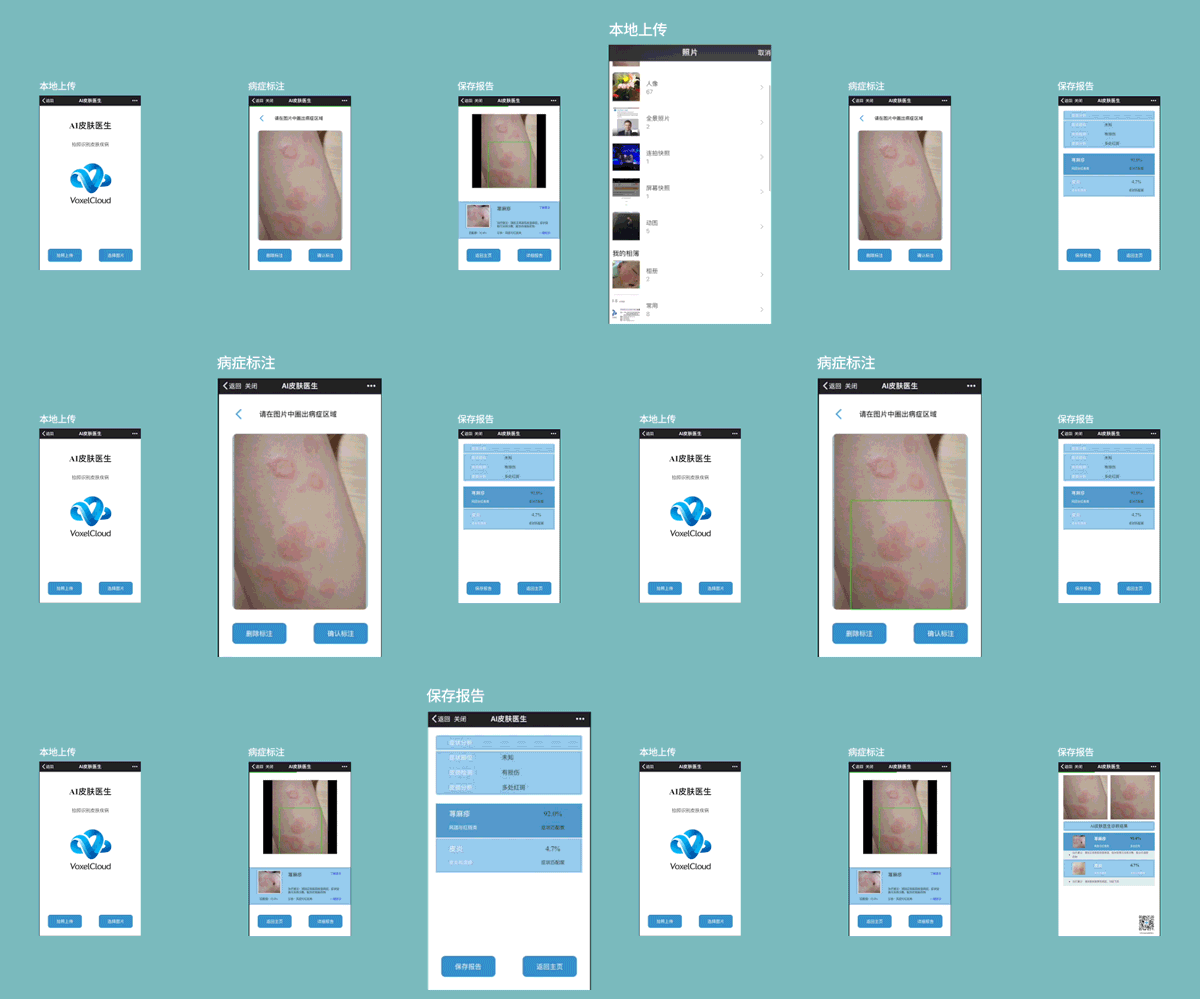
Image source: VoxelCloud
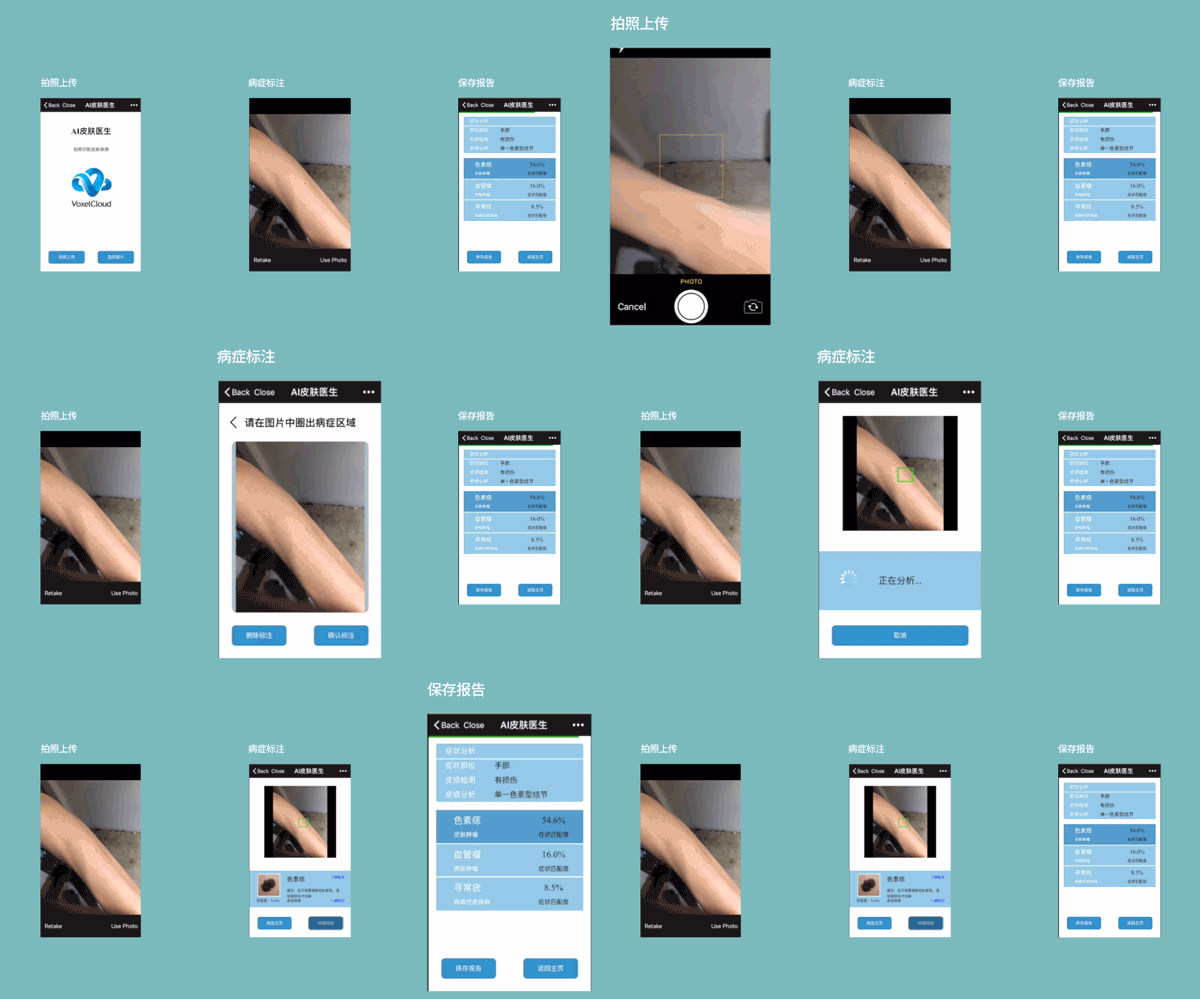
Image source: VoxelCloud
Why choose to enter the market through internet healthcare platforms or tiered diagnosis and treatment within medical consortia? Ding Xiaowei told VCBeat that there are currently six problems with the implementation of internet healthcare and tiered diagnosis and treatment,
First, the limited number of physicians and their constrained energy create a supply-demand imbalance that is difficult to overcome in the short term.
Second,Although internet healthcare has developed rapidly, the medical experience for both patients and doctors is not ideal. Doctors wish to select cases within their expertise or those they deem valuable, while patients seek doctors specialized in their specific conditions. However, fulfilling this demand requires a physician assistant to organize patient information, conduct preliminary diagnoses, and transmit standardized patient data to doctors. This approach not only meets the needs of both parties but also saves specialists' time and improves medical efficiency.。
Third,Service Response Efficiency: Experts’ time is precious; the service hours they dedicate to platforms are fragmented and unpredictable, making it impossible to respond to patient needs in real time. This is particularly true for high-quality medical resources, which fail to leverage the convenience and efficiency advantages of the internet.
Fourth,Service Outcome Standards: The medical expert community is relatively conservative and rigorous, making it difficult to reach definitive conclusions in diagnosis and treatment; care is primarily advisory, standards for diagnostic and therapeutic services are hard to unify, and there is a discrepancy with patient expectations.
Fifth,Constraints on Physician Resources: Healthcare providers hold the dominant position; when medical disputes arise, platforms have no leverage over medical resources and can only compromise patient experience.
Sixth,Maintenance Costs: The larger the scale of medical resources and the higher the level of experts, the higher the compensation costs. Serving a large population of physicians requires substantial investment in scalable maintenance and coordination personnel who are well-versed in the healthcare industry.
Particularly regarding the role of physician assistants, while such positions may exist in traditional hospital settings, incorporating them into internet-based healthcare is clearly less appropriate. However, VoxelCloud’s AI-assisted diagnostic system can perfectly fulfill this role.
Artificial intelligence is positioned in the healthcare market to facilitate doctor-patient interactions and assist physicians in clinical decision-making, with relatively mature capabilities in processing structured data such as medical images and text. For internet healthcare platforms, feasible areas for technological application at this stage include patient triage, precise matching between doctors and patients, and the identification of common diseases and symptoms along with the recommendation of treatment plans.
I. The AI system can make the most accurate preliminary diagnosis of diseases based on user selfies with limited quality, manage images uploaded by users, and organize text descriptions provided by users. It presents standardized patient information to doctors.
II. Since such AI systems are not required to make diagnoses, but instead serve as physician assistant robots for referrals, second opinions, and information management and organization, they carry lower liability and can be rapidly deployed to the market.
Ding Xiaowei emphasized that although both products adopt a business model targeting individual consumers (C-end), VoxelCloud does not directly serve these end users. Instead, it delivers services to them through B-end institutions such as other internet healthcare platforms and primary care medical facilities, thereby providing evidence for tiered diagnosis and treatment as well as bidirectional referrals between different levels of care. This constitutes a B2B2C product.
Non-standard data is sufficiently heterogeneous, disordered, and voluminous to meet quality control requirements.
The most critical technology behind this product is quality control of user-captured images. Ding Xiaowei stated that the stability of their product stems from training data sourced entirely from users. They do not perform quality control on image quality or capture methods, but only on diagnostic labels. During product development, they accounted for the uncertainty inherent in user photography; therefore, they do not require standardized selfies from users. The database used for model training encompasses a wide variety of mobile phone images and is sufficiently diverse, unstructured, and extensive.
After the user uploads an image, the system performs a preliminary assessment and provides results. If the image is significantly suboptimal, the system will prompt the user to retake the photo, advising them to improve lighting, adjust the shooting distance, and disable beauty filters.
Furthermore, in most cases, online medical consultations provide a precise direction for disease identification rather than a definitive diagnosis, which differs significantly from offline consultations.
Exploration of Diverse Business Models
Ding Xiaowei stated that while part of this product’s business model targets end consumers, VoxelCloud remains a provider of products and technical solutions. The company does not engage directly with end consumers but instead chooses to collaborate with other B-side clients.
I. Collaborate with internet healthcare platforms to integrate these two products into the platform. On one hand, this facilitates patient referrals; on the other hand, the system serves as an assistant to physicians on the platform by providing organized patient information, thereby enabling rapid and accurate consultations. In partnership with primary care institutions and family doctors, the system addresses the shortage of experienced physicians in primary care settings by assisting primary care providers in making preliminary diagnoses, thus empowering tiered diagnosis and treatment as well as referral processes. Ding Xiaowei stated that they are currently piloting the product in collaboration with several family physicians in the United States.
II. Ding Xiaowei stated that following the launch of this product, VoxelCloud is rolling out additional referral systems targeted at individual consumers, medical consortia, and internet healthcare platforms, such as those for endocrine diseases. Some of these products utilize image-based analysis for decision-making, others rely on natural language understanding, while some integrate both approaches. Their common feature is the application of VoxelCloud’s leading multi-level, full-pathology-type training technology, thereby addressing challenges in doctor-patient matching during online consultations and facilitating tiered diagnosis and treatment.
Lung Cancer, Comprehensive Fundus Disease Screening, and Cardiac Product Exhibits
In addition to products for pediatric vision impairment and dermatological conditions, VoxelCloud has achieved mature capabilities in research on lung cancer, comprehensive screening of all fundus diseases, and cardiac disorders.
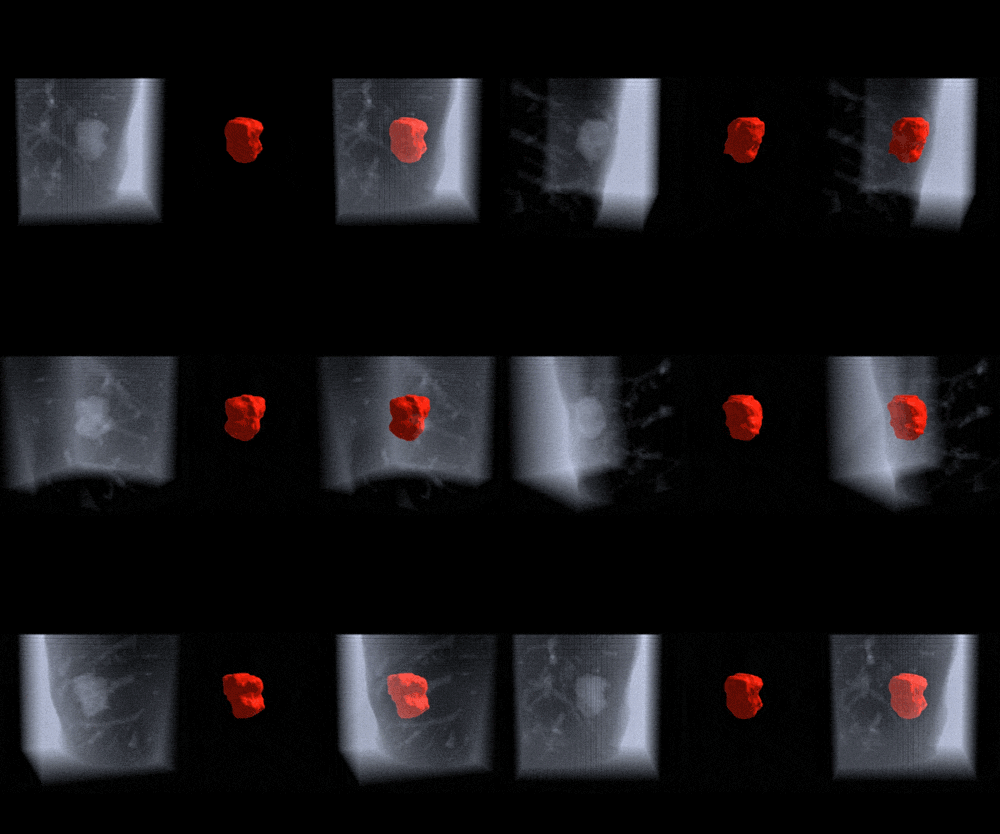
3D Segmentation of Pulmonary Nodules
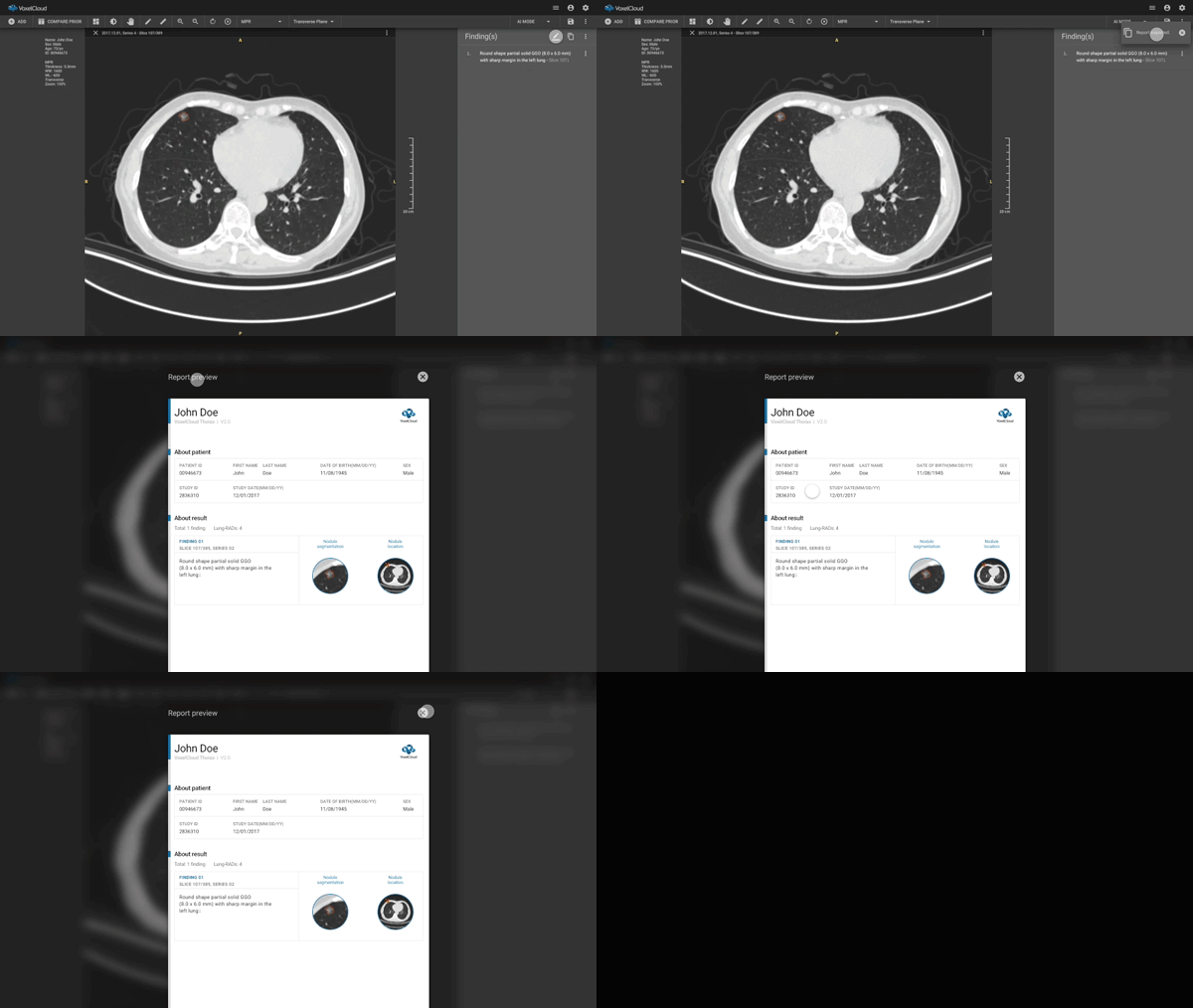
One-click export: Instantly copy nodule lesion imaging report information for output and review, eliminating cumbersome report writing processes.
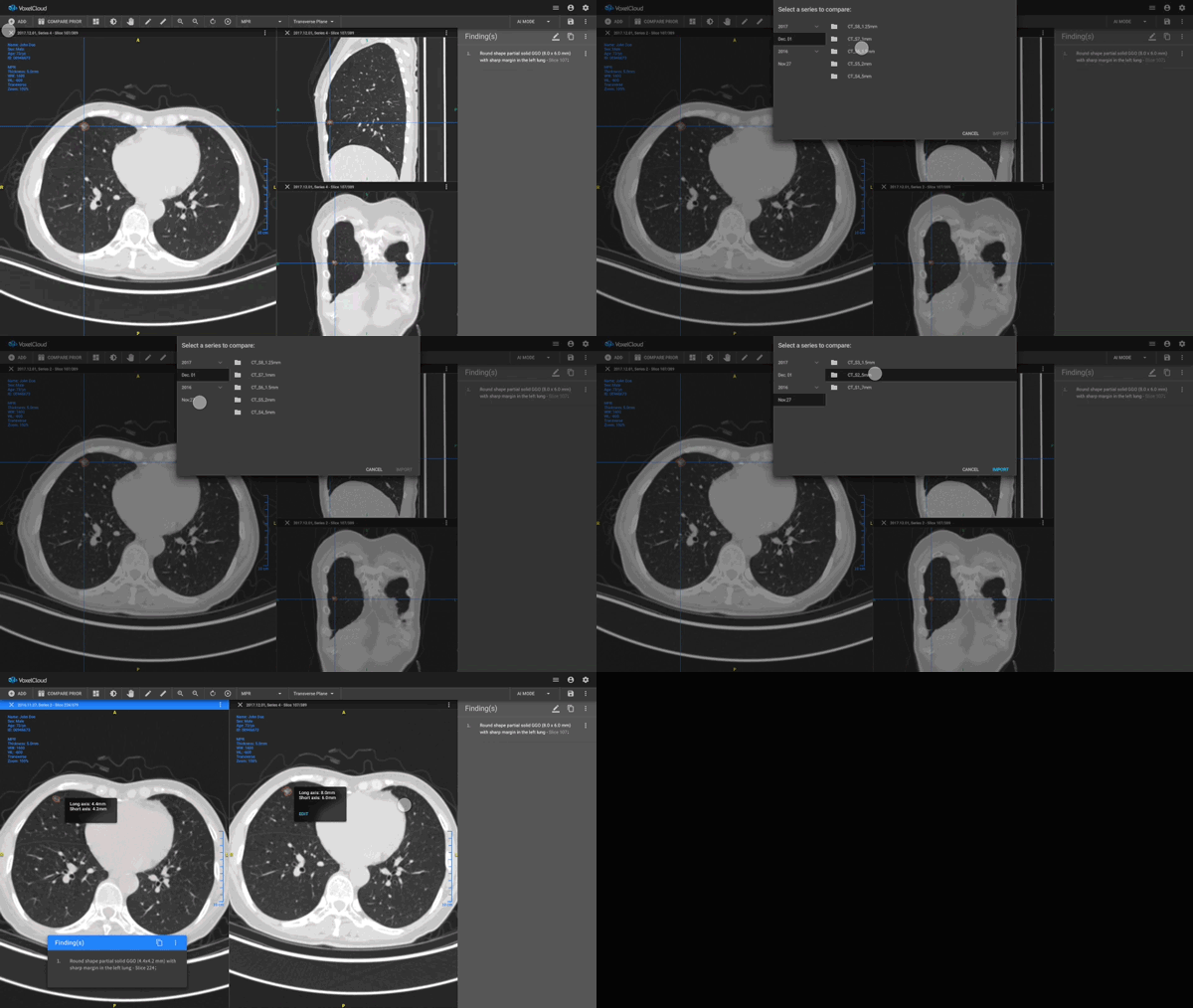
Link historical images, synchronously compare changes in lesion details, and enable intelligent follow-up.
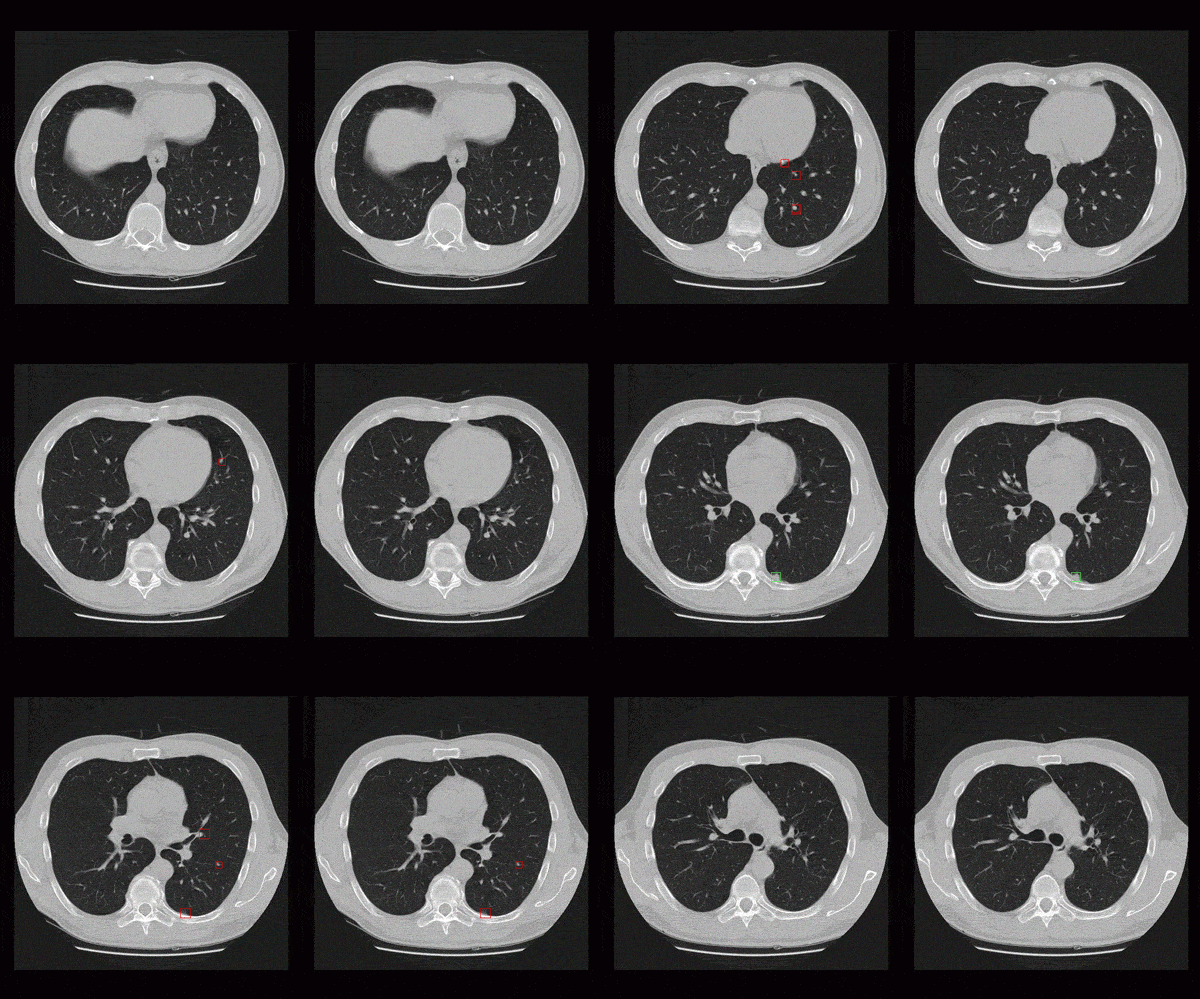
Candidate Nodule Region Final Output Result
This product sensitively highlights candidate regions and automatically filters out false-positive nodules, significantly suppressing false positives while retaining true nodules, thereby facilitating precision medicine.
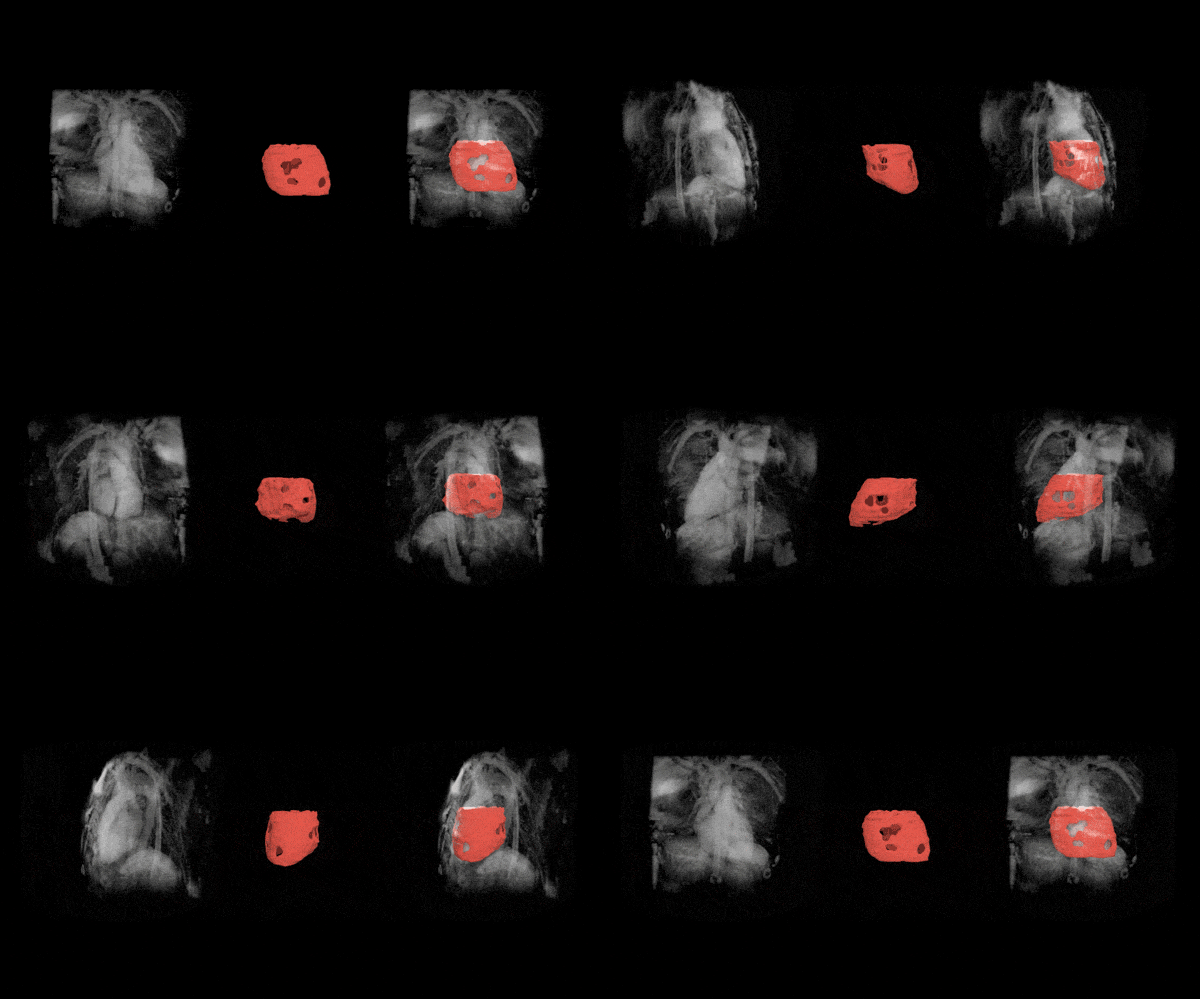

VoxelCloud Autoplaque: Multi-Parameter Automated Analysis Solution for Coronary Plaques – A Coronary CT Image Analysis Software that Intelligently Quantifies Coronary Plaques, Enabling Non-Invasive Digital Biopsy of the Coronary Arteries and Providing Auxiliary Diagnostic Information to Assist Experienced Physicians in Assessing Coronary Heart Disease Risk. It is suitable for medical services in cardiology, radiology, and health screening. This product has been adopted by more than 75 single/multi-center clinical sites worldwide, obtained FDA clearance in the United States, and is currently applying for CFDA certification. It has been deployed in top domestic cardiovascular hospitals, such as Beijing Anzhen Hospital, Fuwai Hospital, and PLA General Hospital (301 Hospital).
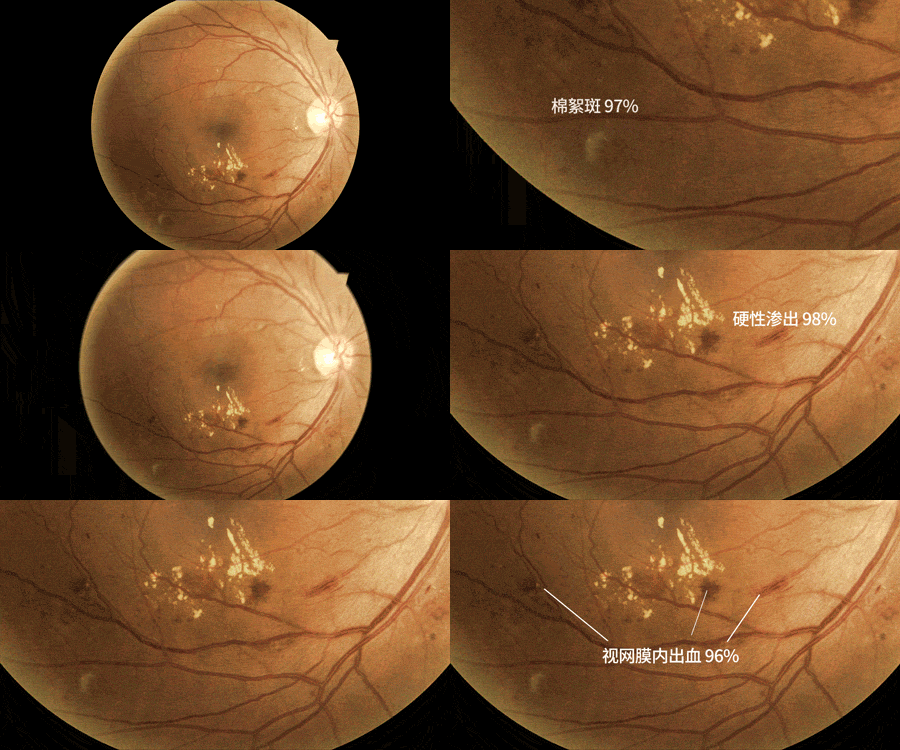
(Ophthalmic Model: VoxelCloud Retina, a comprehensive fundus photography solution, is a multi-task model capable of classifying and quantifying 10 types of lesions, as well as classifying 8 visible diseases.)
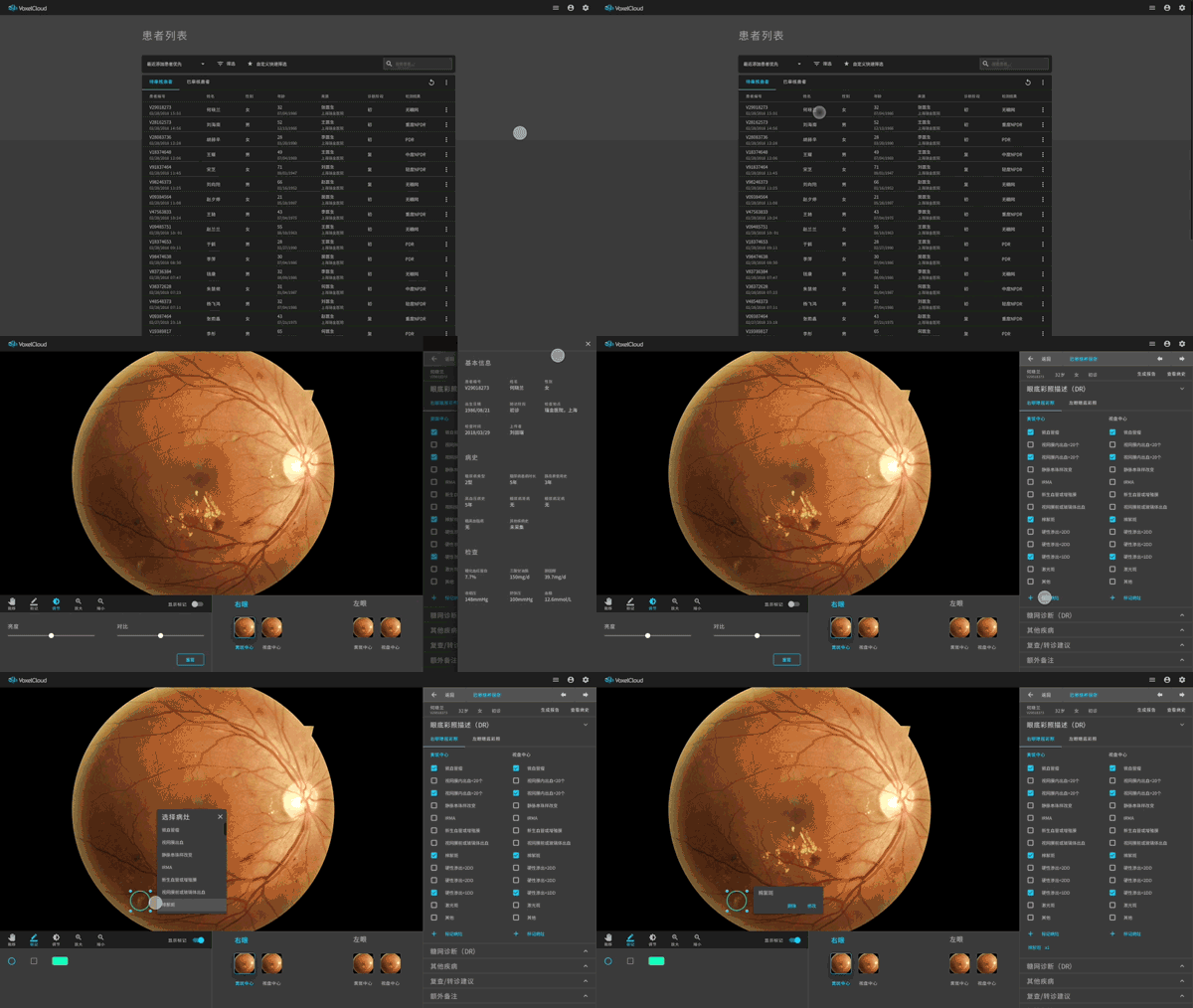
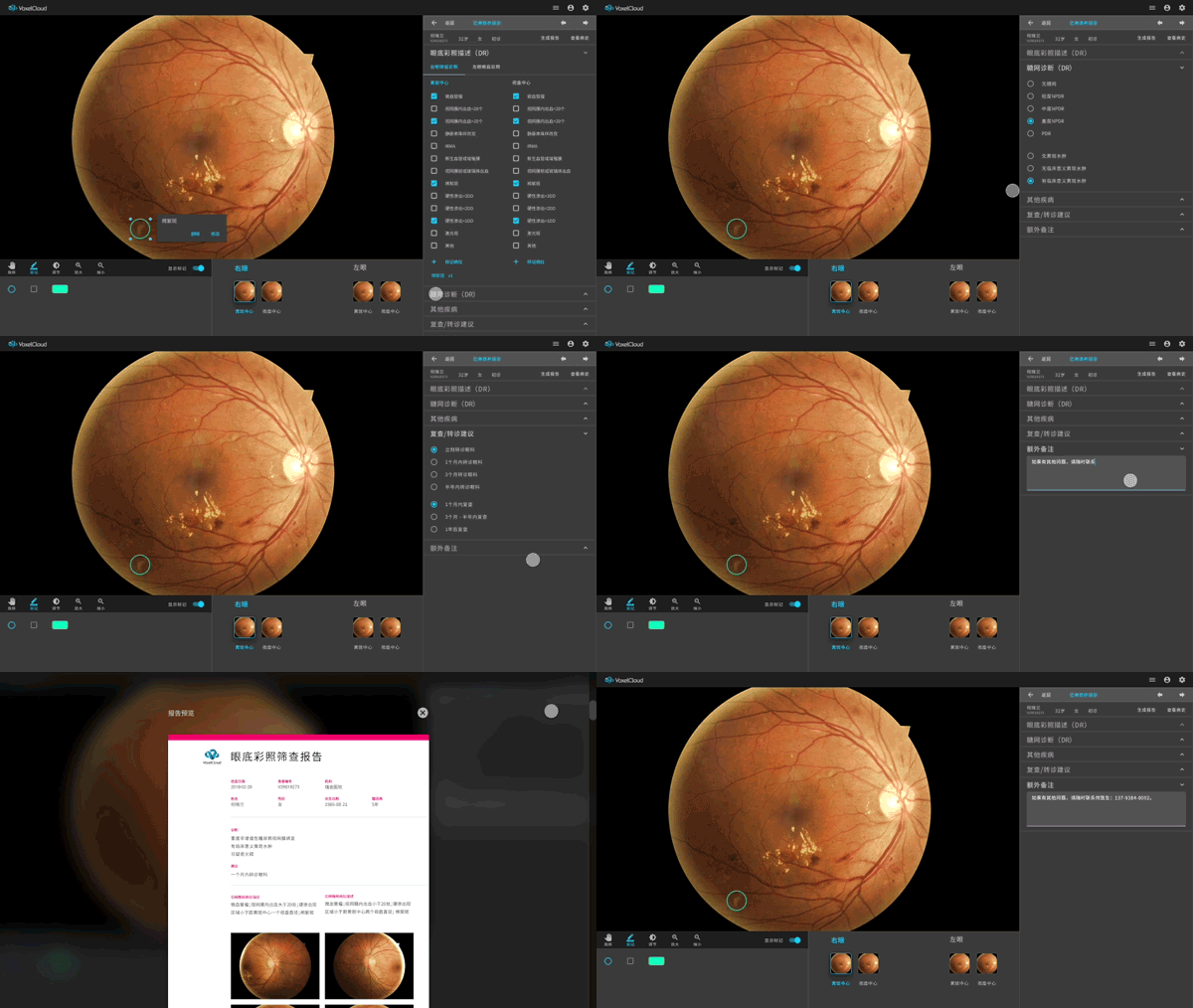
VoxelCloud Retina: Display of the Complete Fundus Photography Software Solution Interface