

From Acquisition to Exit: Nokia's Brief Foray into Digital Health
On May 2, 2018, Nokia announced plans to sell its struggling digital health business to Eric Carreel, co-founder of the French startup Withings.
Two years ago, Nokia acquired Withings for $191 million, aiming to enter the consumer health products market. However, Withings smartwatches failed to deliver sufficient value to Nokia, instead resulting in significant losses. Now, Nokia has returned the company to its founder.
According to Nokia’s financial statements for the fourth quarter of 2017, its year-over-year annual growth rate surged by 79%. However, sales in its Digital Health business declined by €141 million compared to the third quarter. In the first quarter of 2018, revenue from the Digital Health business amounted to only €16 million ($20 million), whereas Nokia’s other net sales reached €4.9 billion ($5.9 billion), significantly dragging down the company’s overall revenue.
Nokia’s $192 million acquisition of the French wearable device company Withings in late 2016 demonstrated its intention to revive its technology business, marking its return to the consumer electronics industry after exiting the mobile phone market. However, the outcome fell short of expectations, with digital health products becoming a burden instead. According to the financial report for the fourth quarter of last year, Withings’ assets were valued at approximately $172 million.
In February 2018, Nokia revisited its digital health strategy and announced plans to conduct a strategic review of its digital health business. Although management expressed sufficient confidence in this sector, the decision to undertake a strategic review carried multiple implications. The wearable device industry as a whole has experienced sluggish growth, forcing many companies to exit the market. Even leading players such as Fitbit have been struggling. Having only recently re-entered the consumer electronics sector, Nokia found it difficult to reverse the downturn in the wearable market.
In mid-April, rumors circulated that Google, Samsung, and several other institutions were competing to acquire Nokia’s health business; Samsung Electronics subsequently publicly denied these reports. Just ten days later, negotiations regarding the ownership of Withings quietly commenced.
On May 2, Nokia announced that it had entered into exclusive negotiations with Eric Carreel, co-founder and former chairman of Withings, regarding the sale of its digital health business. In a statement, the company said the divestiture was part of its strategic shift to focus on business-to-business (B2B) operations and patent licensing, with the transaction expected to close by the end of the second quarter of 2018. Nokia did not disclose financial details of the deal.
In 2014, after selling its mobile phone business to Microsoft for $5 billion, Nokia began preparing to enter the healthcare sector and announced its plan to acquire Withings in April 2015.
The acquisition of Withings, completed in March 2016, can be regarded as the starting point for Nokia’s return to the smart health market. Subsequently, Nokia partnered with HUS (Helsinki University Hospital) to develop innovative solutions for outpatient care and to advance mutual research and development efforts.
Nokia Technologies and HUS to Collaborate on Remote Patient Monitoring Solutions. This marks Nokia Technologies’ first partnership with a traditional healthcare institution, signaling its entry into the regulated healthcare sector. Cedric Hutchings, former CEO of Withings and current Vice President of Digital Health at Nokia Technologies, stated, “This collaboration will expand the application scope of our medical devices beyond everyday health and wellness uses. We are committed to delivering clinical solutions that facilitate doctor-patient interaction.”
At the CES exhibition in early 2017, Nokia showcased three products developed by Withings: Withings Home Plus, The Steel HR, and The Kérastase Hair Coach.
Withings Home Plus is a smart camera that not only records events in the home but also monitors indoor air quality and keeps an eye on babies. When unusual sounds are detected at home, the device automatically sends notifications to users. It can also sync recorded videos to users’ smartphones. Nokia claims it is the world’s first camera to support Apple’s HomeKit.
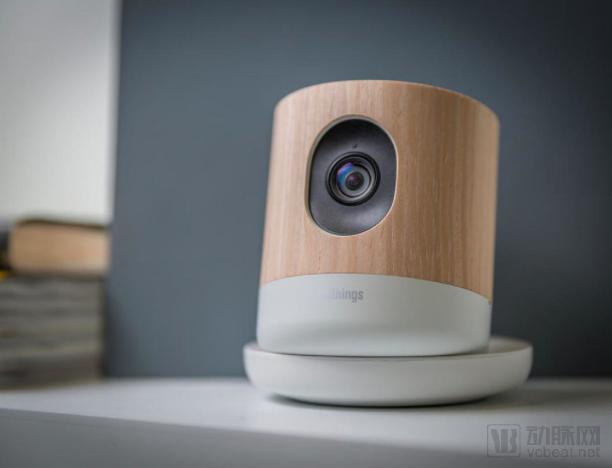
Witnings Home Plus Camera
(Image source: nokiamob.net)
The Steel HR is a smartwatch launched by Nokia, capable of monitoring users' step counts, automatically analyzing activity types via sensors, and measuring heart rate.
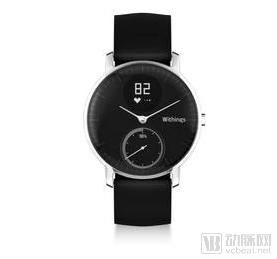
The Steel HR Watch
(Image source: Amazon)
The Kérastase Hair Coach: Withings has partnered with L'Oréal Paris to launch the world's first smart hairbrush, which analyzes the sounds of brushing and provides recommendations for improving hair quality.
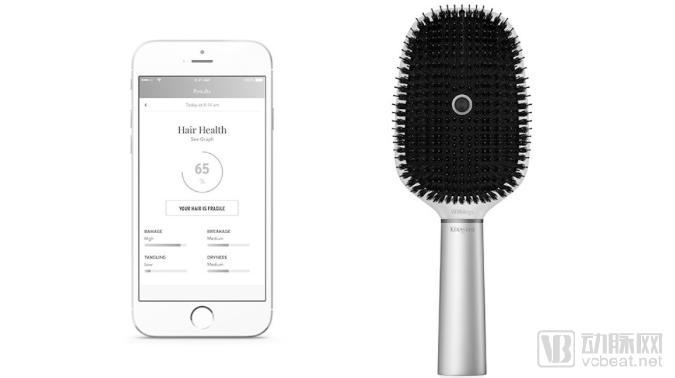
The Kérastase Hair Coach Smart Brush
(Image source: Loreal.com)
All of the aforementioned work centers on digital health devices.
At CES, three products stole the spotlight, allowing Nokia to achieve its goal of reshaping its brand image. In February, Nokia announced that all Withings products—including smartwatches, blood pressure monitors, thermometers, and cameras—would be rebranded under the Nokia name. For most consumers, “Nokia” represents an era and enjoys greater brand recognition than Withings.
At the same time, at the 2017 Mobile World Congress (MWC 2017), Nokia and China Mobile jointly demonstrated an eHealth solution delivered using standalone 5G end-to-end system network technology. The ultra-high bandwidth and ultra-low latency characteristics of 5G technology significantly improved the efficiency of telemedicine applications.
To sustain its development in the health smart device sector, Nokia and Shanghai Bell held a press conference at the News Center of the State-owned Assets Supervision and Administration Commission (SASAC) of the State Council in June 2017. They announced that, while continuing to advance innovative communication technologies such as 5G, they would make a full-scale entry into the non-carrier market, establish a €350 million IoT industry investment fund, and expand the IoT community and alliances.
On the one hand, Nokia and Shanghai Bell will pilot “IoT + Healthcare” initiatives in China; on the other hand, they will continue to seek suitable startups for investment and collaboration.
In the realm of the Internet of Things (IoT), Nokia has also launchedBody Cardio, Nokia Sleep, and other products. Bady Cardio is a multifunctional smart scale that not only measures weight changes but also calculates body fat percentage based on weight trends over time to analyze overall health status. Meanwhile, Nokia Sleep provides cyclical sleep analysis (deep sleep, light sleep, and REM sleep), heart rate tracking, and snore detection. It features easy one-time setup and automatically syncs with the Health Mate app via Wi-Fi. Additionally, integration with IFTTT enables home automation scenarios such as dimming lights at bedtime or adjusting the thermostat upon waking.
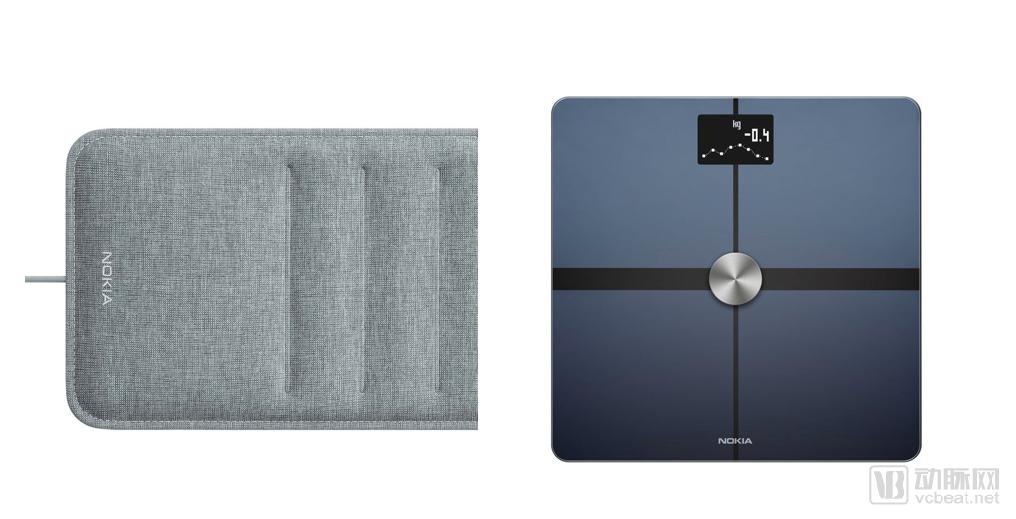
Bady Cardio and Nokia Sleep
(Image source: Nokia Health)
As one of the breakthroughs in the integration of the Internet of Things (IoT) and healthcare, wearable devices were expected to play a significant role in this event. However, due to the sluggish development of the global wearable market, sales of smartwatch products failed to meet expectations, and missteps in core business operations have led to the current outcome.
Nokia was not the first company to fail in its foray into wearable devices, but it may be the first to abandon the entire digital health sector because of wearables.
Nokia’s costly efforts to leverage its brand and industry expertise to break into the digital health market may serve as a cautionary tale for other tech companies seeking to enter the healthcare sector.
Nokia Attempts to Navigate the Fiercely Competitive and Increasingly Crowded Wearables Market. However, Demand for Wearable Devices Declined Sharply with the Launch of Its New Smartwatch, as Apple Dominated the High-End Segment.
Although Nokia no longer engages directly with consumers, its well-known logo still frequently appears on network processors, routers, base station radio units, and other components of the less visible infrastructure that underpins mobile networks.
By leveraging its own products, Nokia can continue to advance its research in telemedicine, aligning with the strategy outlined in its fourth-quarter report to build a “more focused, more agile” digital health business.