

Operation Model of Patient Communities: How a Network of 50,000 Lymphoma Patients Enhances Survival Outcomes
Lymphoma is the most common hematologic malignancy. It is a malignant tumor originating from lymphocytes of the lymphohematopoietic system. Strictly speaking, it is a systemic disease; tumor cells disseminate via the lymphatic and circulatory systems, and the disease can occur in any part of the body.
In recent years, the deaths of news anchor Luo Jing, actress Li Yu, and cartoonist Xiong Dun from lymphoma have brought this disease into the public spotlight. Although the incidence of lymphoma has been rising year by year, the prognosis and survival outcomes for patients remain relatively optimistic. Unlike other malignant tumors, malignant lymphoma not only affects the elderly but also frequently occurs in young and middle-aged adults. Its etiology remains unclear to this day.
In 2010, Hong Fei, then a third-year graduate student, was diagnosed with mixed-cellularity Hodgkin lymphoma. After undergoing four cycles of chemotherapy and 17 sessions of radiotherapy, he made a full recovery.
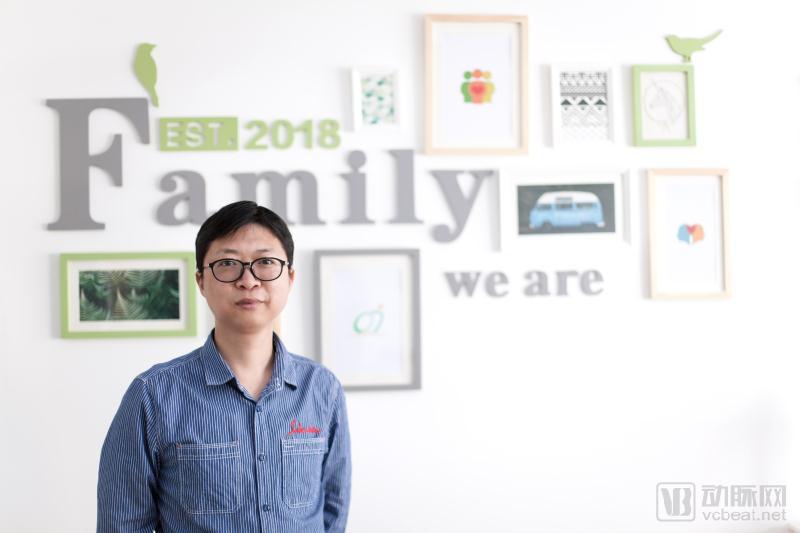
Hong Fei, Founder of Lymphoma Home
Among many groups of critically ill patients, there are patient support communities where members encourage one another, share experiences, and unite in the fight against disease. Home of Lymphoma emerged from such a lymphoma patient community. Initially founded by Hong Fei as an individual initiative, the website was built through the voluntary financial and labor contributions of patients and their families. After several years of development, it has now gathered more than 50,000 lymphoma patients. Recently, VCBeat interviewed Hong Fei, founder of Home of Lymphoma, to explore the role played by patient community platforms in the context of lymphoma care, as well as potential business models.
In the era before WeChat became widespread, communication among patients relied on QQ groups. Hong Fei described, “At that time, our QQ group had nearly a thousand patients chatting within it. We were particularly eager to have experts provide us with guidance, so I, as the representative of the QQ group, approached Professor Zhu Jun, Secretary of the Party Committee and Director of the Lymphoma Department at Peking University Cancer Hospital, in the hope of inviting experts from the hospital to assist fellow patients.”
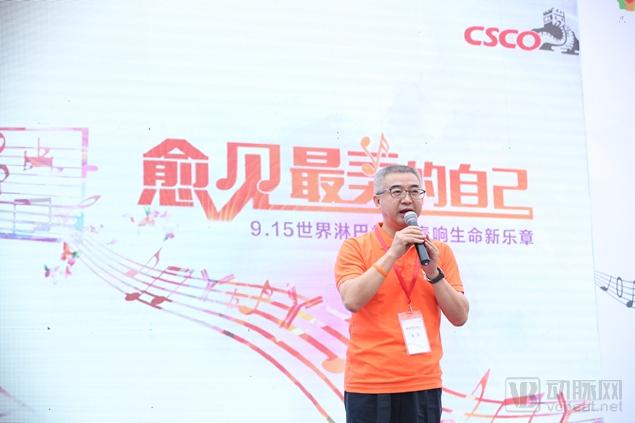
Professor Zhu Jun Speaks at the 2017 World Lymphoma Day Event
Due to QQ’s strong social networking characteristics, expert messages in groups with thousands of members are easily drowned out, making content monitoring unfeasible. Consequently, the feedback Hong Fei received at the time was that experts recommended building a dedicated platform through which physicians could guide patients’ treatment and recovery.
Driven by an intense thirst for knowledge, Hong Fei and his fellow lymphoma patients in QQ groups translated their passion into remarkable execution. In just two days, “Home of Lymphoma,” the first and only online communication platform for lymphoma patients in China, was officially launched. Later, Hong Fei joined the marketing department at NetEase, yet he continued to manage the operations of Home of Lymphoma in his spare time. It was not until 2013, as the platform gradually grew, that Hong Fei began to operate it on a full-time basis.
Currently, Hong Fei’s team comprises eight full-time members and three volunteers, all of whom are lymphoma patients or their family members with personal experience of the disease. Guided by the slogan “Only fellow patients truly understand you,” Lymphoma Home has distinguished itself from the impersonal nature of the internet since its inception, becoming a compassionate companion to those affected by lymphoma.
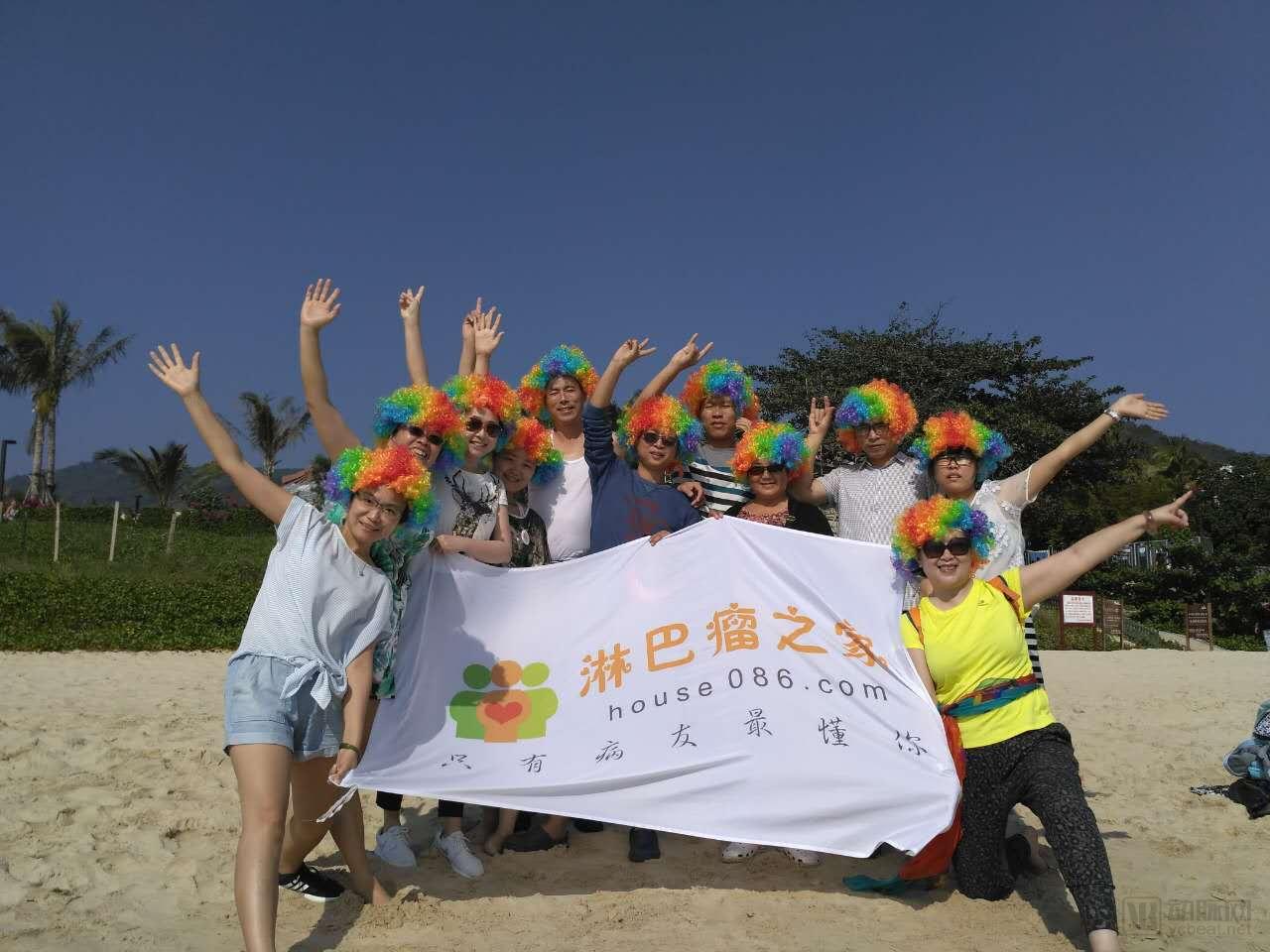
Team Activities Organized by Home of Lymphoma
In the face of critical illness, it is often the patient’s mental resilience that collapses first. The phenomenon of “desperate patients seeking any available remedy” creates opportunities for unregulated treatment providers in the market. What patients truly need during their treatment journey is expert guidance and access to cutting-edge information about their conditions. In 2017, young actress Xu Ting, after being diagnosed with lymphoma, did not promptly undergo radiotherapy or chemotherapy; instead, she opted for unconventional treatments such as Traditional Chinese Medicine cupping and a strict vegetarian diet. This led to rapid physical deterioration and ultimately her untimely death. Such cases are all too common.
Hong Fei believes that patient peers immersed in the disease experience can operate “Lymphoma Home” with greater purity, setting it apart from various information websites saturated with commercial interests. He aims to leverage Lymphoma Home to provide all lymphoma patients with authoritative treatment information, correct guidance, and a warm community for exchange.
“After diagnosis, patients often struggle to find reliable support groups or authoritative channels to learn about lymphoma, leaving them to rely on Baidu searches that yield only fragmented information. From an informational standpoint, we provide patients with truly helpful resources, thereby alleviating the fear and helplessness commonly experienced immediately following diagnosis.”
“We have conducted surveys among many patients. After visiting us, 90% of them felt a renewed sense of hope and became more optimistic and proactive in their treatment,” said Hong Fei. This is the very reason why Lymphoma Home exists.
Lymphoma Home currently operates through two channels: a website and a mobile app. Since its launch in 2011, it has amassed 50,000 registered users, with daily active users numbering around 3,000. Page views from non-registered visitors are approximately 8 to 10 times those of registered users. “In proportional terms, we are actually impacting around 500,000 patients.”
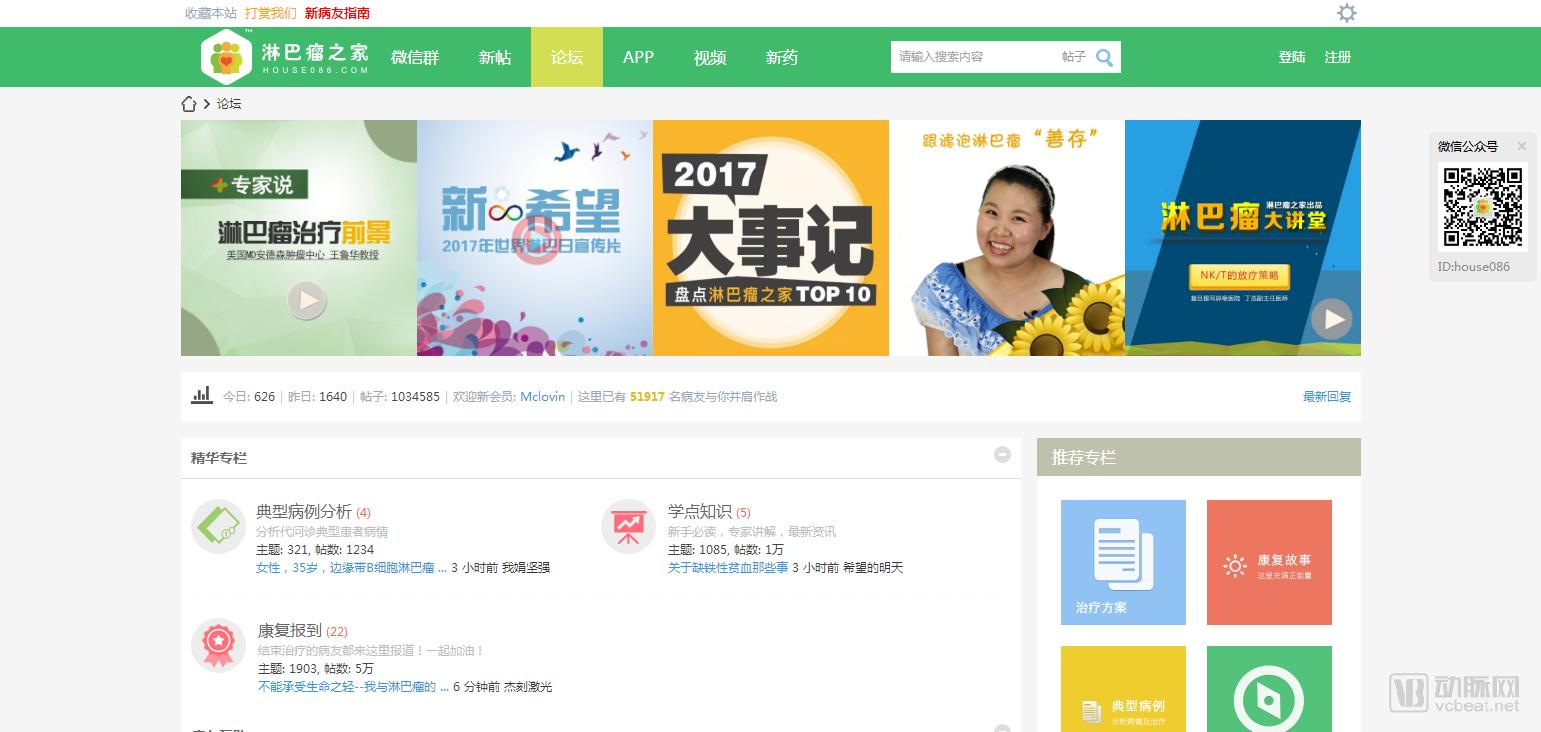
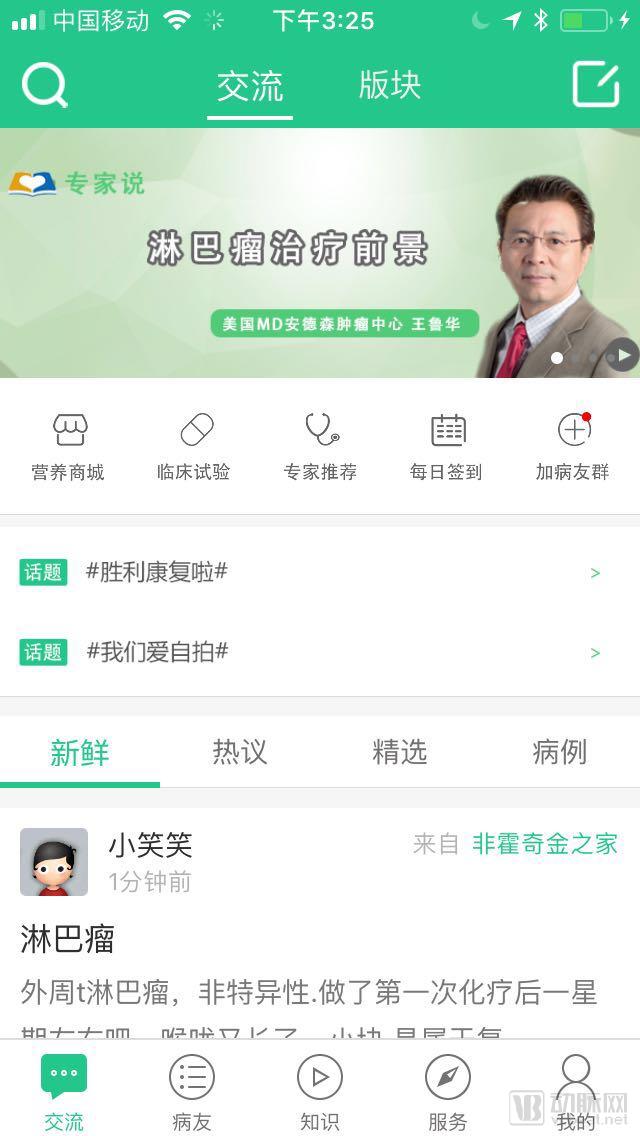
Screenshots of the Lymphoma Home Website and App
At Lymphoma Home, all information—whether from Micro Classes, Patient Stories, or Expert Insights—is freely available for patients to learn from. According to Hong Fei, experts from more than 50 hospitals across China have now become medical advisors to Lymphoma Home, providing professional guidance on the medical knowledge shared by the platform.
Some of these experts were invited through referrals from patients after their medical visits, while others were connected with through academic conferences. Hong Fei stated, “Experts are very willing to help us provide disease-related science popularization. Such patient education helps establish effective communication between them and patients, thereby improving diagnostic and treatment efficiency, while also truly benefiting the patients.”
Although a company has been established, Lymphoma Home serves primarily as a public-interest community for Hong Fei, with all information on the platform provided free of charge. To cover the platform’s daily operational costs and address the genuine needs of some patients, Lymphoma Home currently offers services such as pathology consultation and expert-assisted medical inquiries. These services aim to assist patients who are unable to seek treatment at hospitals in major cities like Beijing, Shanghai, and Guangzhou, or for whom travel costs are prohibitively high.
Hong Fei stated, “These services are primarily sought out by patients themselves who hope we can provide them. However, in reality, the sales volume of these services is not particularly high. Out of our 50,000 patients, fewer than one percent ultimately purchase our services.” The revenue generated from this segment merely covers the daily operational expenses of Lymphoma Home.
From sustained losses in the previous two years to achieving break-even today, Hong Fei has been exploring commercialization possibilities while engaging in philanthropy. As the user base of Lymphoma Home gradually accumulates, two pathways have emerged: one that can foster the healthy development of lymphoma patient support initiatives, and another that can realize the platform’s commercial value.
These two pathways are the collection of oncology big data and collaboration with pharmaceutical companies on new drug clinical trials.
The incidence of lymphoma in China is approximately 6.68 per 100,000 people, ranking eighth among all types of cancer. In recent years, the incidence has continued to rise. Given China’s large population base and the substantial market potential, this data has drawn the attention of the International Lymphoma Alliance. In March 2017, Home of Lymphoma officially joined the International Lymphoma Alliance.
“In Hong Fei’s view, this marks a significant milestone for Lymphoma Home. Joining the International Lymphoma Coalition has filled a critical gap in global data by providing essential national data from China, a country with a high prevalence of lymphoma.” In March 2018, the World Lymphoma Alliance conducted its biennial Global Lymphoma Patient Survey. For the first time, patients from mainland China participated in this global survey through the Lymphoma Home platform, with Chinese lymphoma patients accounting for one-quarter of the total global respondent pool.
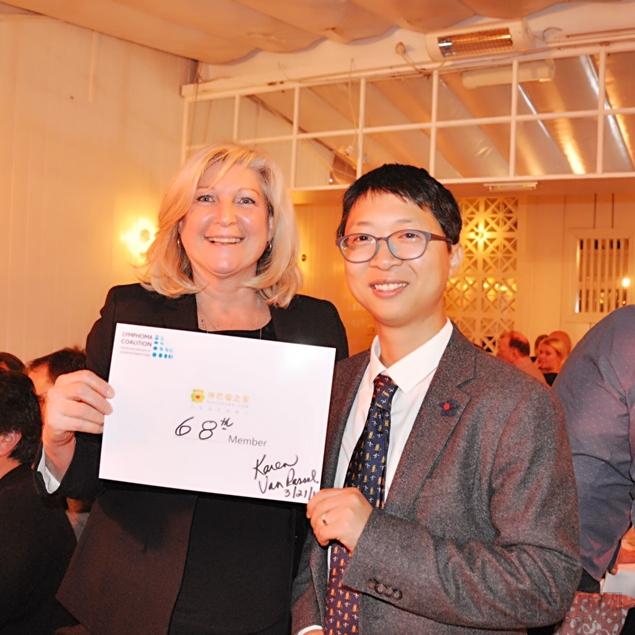
Lymphoma Home Becomes the 68th Member Organization of the International Lymphoma Alliance
The collection of big data in oncology has been frequently discussed recently, mostly in the context of real-world studies. In contrast, Lymphoma Home takes a patient survival-oriented approach, dedicated to leveraging data to improve social support and security services for cancer patients.
In September 2017, Home of Lymphoma, in collaboration with the School of Economics and Management at Tsinghua University, jointly released the inaugural “Report on the Survival Status of Chinese Lymphoma Patients,” supported by the Beijing CSCO Clinical Oncology Research Foundation and Shanghai Roche Pharmaceuticals Ltd. The survey collected a total of 1,090 data samples and employed quantitative analysis to infer the overall survival status of lymphoma patients and their families in China. The report randomly sampled 1,090 patients, 50% of whom were in remission.
Hong Fei is more focused on how public welfare organizations can break free from traditional mindsets in their service delivery, contemplating how patients, medical institutions, non-profit organizations, media, and the government can work together to address the pain points in the field of rare diseases.
Lymphoma patients often face the high cost of imported targeted therapies, which places a significant financial burden on their survival. Therefore, Hong Fei hopes to leverage his platform to advocate for the inclusion of lymphoma targeted drugs in China’s national medical insurance scheme, thereby alleviating the survival pressures faced by these patients. “If we can demonstrate that patients maintain a high quality of life and that the patient population is relatively young—meaning they can make greater contributions to society in the future—we can use data on patients’ financial status and treatment burden as compelling evidence to urge the Chinese government to improve its medical insurance coverage.”
Meanwhile, patient big data is precisely what pharmaceutical companies need for their R&D efforts. Hong Fei believes that many pharmaceutical firms have concentrated their R&D investments in the United States and Europe, while overlooking the Asian market. In fact, the number of oncology patients in Asia is no smaller than that in Europe and the United States. “With China’s rapidly aging population, the incidence of cancer is rising significantly. By collaborating with global organizations through Lymphoma Home to share data, pharmaceutical companies will become more aware that the Chinese market requires greater investment and the introduction of more new drugs to help these patients.”
Currently, Lymphoma Home has partnered with renowned pharmaceutical companies such as Roche, Bayer, Janssen, BeiGene, and Innovent Biologics to accelerate the market launch of new drugs and provide patients with more comprehensive and scientifically grounded treatment information.
As a patient community platform, Lymphoma Home has successfully achieved the operation of patient organizations. Hong Fei aims to incubate more patient groups for cancers and rare diseases in the next step, such as the lung cancer community “51 Miracle” currently in operation, Multiple Sclerosis Home, multiple myeloma patient communities, and more patient communities for cancers and rare diseases. By integrating resources from all parties within the platform, including patients, doctors, pharmaceutical companies, and even the government, we strive to provide more hope for patients and help them find a trustworthy communication platform where they can truly be understood.