

Private Intimate Plastic Surgery Surges: Decoding the Top 10 Medical Aesthetics Trends of 2018 as Asia Poised to Overtake Western Markets
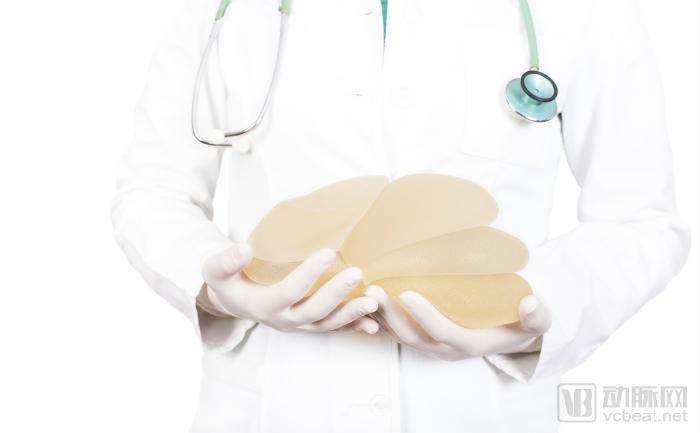
Image from ISAPS
Driven by consumption upgrades, the celebrity effect, and a popular culture centered on aesthetic enhancement, public awareness of beauty has intensified, leading to surging demand for plastic surgery and cosmetic procedures. Consequently, the medical aesthetics industry has experienced rapid development, securing a significant position in the global economy. In China, it now rivals industries with high levels of market maturity, such as maternal and child healthcare and dental care.
However, among the many options for cosmetic and plastic surgery procedures, consumers have diverse preferences; for instance, users of photoelectric skin rejuvenation treatments generally outnumber those opting for surgical or injectable procedures. In recent years, there have been slight shifts in industry trends. What types of procedures are aesthetic seekers actually undergoing? VCBeat (WeChat ID: vcbeat) will outline the key trends in the medical aesthetics industry in 2018.
According to a report by the International Master Course on Aging Skin (IMCAS), the total global expenditure on materials and chemical products used in plastic surgery procedures in 2017 reached as high as€8.6 billion(RMB 65.59 billion). According to IMCAS, the cosmetic surgery industry continues to demonstrate robust vitality that cannot be overlooked, even in sectors facing unfavorable economic conditions.
According to the report, the aforementioned market size was expected to reach €9.3 billion (RMB 70.93 billion) in 2018, and by 2021, this figure could be twice or more than that of 2014. Although these numbers are already exciting, in reality, surgeons’ spending on these items is merely a drop in the bucket compared to what medical aesthetics clients spend.
According to statistics from the American Society for Aesthetic Plastic Surgery (ASAPS), Americans spent over $15 billion on cosmetic procedures in 2016, representing an 11% increase from 2015. ASAPS President Daniel Mills attributes this growth to a robust and orderly economy, continuous technological innovations, and the desire of baby boomers and their descendants to remain competitive in a youth-centric labor market.
Data show that unwanted fat transferred from areas such as the buttocks or abdomen is used forBreast Augmentation Surgery, most popular in the United States,Strong Demand for Anti-Aging Solutions。
According to the latest 2016 data report from ISAPS (International Society of Aesthetic Plastic Surgery), a total of 23.6 million facial or body aesthetic procedures were performed worldwide, representing a 9% increase from 2015. Among these, 10.4 million were surgical aesthetic medical procedures, while the remainder consisted of injectable or non-invasive treatments. Renato Saltz, President of ISAPS, believes that demand for cosmetic surgery is stronger than ever before.
According to the ISAPS report, the top five countries (the United States, Brazil, Japan, Italy, and Mexico) accounted for 41.4% of global plastic surgery procedures. Breast augmentation remained the most popular plastic surgery procedure in 2016, representing 15.8% of all procedures, followed by liposuction (14%), blepharoplasty (12.9%), and rhinoplasty (7.6%). Penile enlargement was the least popular cosmetic surgical procedure in 2016, with its decline rate reaching a historic high, dropping by 28% overall.
According to the ISAPS report,The Most Popular Non-Surgical Medical Aesthetic Procedures Remain Injectables, with botulinum toxin (botulinum toxin) ranking first, completing a total of 4,627,752 injections.
Driven by the markets in China and India, Asia has become the fastest-growing market. With the support of IMCAS, spending in Asia’s plastic surgery and aesthetic medicine market may have surpassed that of Europe for the first time in 2018. Data show that men account for nearly 14% of total clients, primarily seeking blepharoplasty, breast reduction, rhinoplasty, liposuction, and hair transplantation.
According to the latest 2018 data from the American Society for Aesthetic Plastic Surgery (ASAPS), many modern cosmetic surgical procedures are on the rise, with aesthetic surgery accounting for 77% of the practices of all surveyed physicians.
ASAPS is widely recognized as the world’s leading organization dedicated to cosmetic plastic surgery and facial and body aesthetic medicine, comprising more than 2,600 plastic surgeons. In collaboration with an independent research firm, ASAPS compiled national data on cosmetic surgical procedures from 2012 to 2017 by mailing paper questionnaires to 6,500 board-certified plastic surgeons, of whom 291 returned completed surveys. Although the survey was distributed to all board-certified plastic surgeons in China, the organization’s most recent annual survey reflects data exclusively from plastic surgeons certified by the American Board of Plastic Surgery (ABPS).
ASAPS President Clyde H. Ishii stated, “We have chosen to change our survey format to better represent the plastic surgery industry.” After more than two decades of collecting data from various specialties, ASAPS has intentionally adjusted our survey and carefully examined what plastic surgeons are seeing in their practices.

Top 5 Most Popular Surgical and Minimally Invasive Aesthetic Procedures: Data Source ASAPS
New data suggest that many previously consideredPlastic Surgery in Decline or Plateau Gains Increasing PopularityASAPS President W. Grant Stevens stated, “Contrary to popular belief and portrayals in mainstream media, cosmetic surgery does not equate to death.” In fact, new data indicate that the number of cosmetic surgical procedures performed in the United States increased by 21.9% last year alone, with a 21.8% rise over the past five years.
With advancements in technologies such as minimally invasive surgery, postoperative recovery times have become increasingly shorter, leading to a growing number of customers opting for surgical medical aesthetic procedures. Although surgical medical aesthetics may not deliver permanent results, their effects are the most long-lasting.
Other rapidly growing cosmetic procedures include breast lifts, blepharoplasty, arm lifts, and liposuction, all of which have experienced double-digit growth over the past year as well as over the past five years:
1. Breast lift procedures increased by 13.9% over the past year and by 57.5% over the past five years;
2. Blepharoplasty increased by 26.3% over the past year and by 33.5% over the past five years;
3. Liposuction procedures increased by 16.5% over the past year and by 58.0% over the past five years;
4. The volume of arm lift procedures increased by 20.1% over the past year and by 59.1% over the past five years.

Top 5 Most Popular Surgical and Minimally Invasive Aesthetic Procedures Among Women, Data Source: ASAPS

Top 5 Most Popular Surgical and Minimally Invasive Aesthetic Procedures Among Men (Data Source: ASAPS)
Each year, the ISAPS Global Survey provides plastic surgeons worldwide with valuable data. This survey accumulates the most accurate and detailed information on aesthetic medical trends and their popularity. By analyzing the latest data collected in the ISAPS Global Survey, we can identify increasing and decreasing trends in the popularity of certain procedures and make effective decisions for the future. Based on projections from the latest survey data, the main aesthetic medical trends in 2018 were as follows:
1. The Rise of Men’s Demand for Medical Aesthetics
Over the years, it has become increasingly evident that men’s overall acceptance of plastic surgery and medical aesthetics is rising. The stigma associated with cosmetic procedures has gradually dissipated, a trend expected to continue through 2018 and beyond. In 2016, 13.8% of all surgical and non-surgical medical aesthetic procedures were performed on men.
As in 2015, botulinum toxin injections remained the most popular non-surgical cosmetic procedure for men in 2016. The five most common surgical cosmetic procedures for men worldwide were blepharoplasty (286,418), gynecomastia treatment (236,371), rhinoplasty (217,152), liposuction (213,992), and hair transplantation (116,487). As these five procedures also ranked as the top five in 2015, this trend is expected to continue in the coming year.
From 2015 to 2016, the number of botulinum toxin procedures among men increased by 4%, while the overall volume of the top five procedures rose by 7%. As more men embrace cosmetic surgery with advancing age, these figures are expected to continue rising. Therefore, advertising for cosmetic procedures should target not only women but also men.
2. Rapid Growth in Intimate Plastic Surgery
As one of the most sought-after cosmetic surgeries, labiaplasty spending in the United States has increased by 23% since 2015,Increased by 45% globally. This procedure can reduce the size of the labia or correct labial asymmetry, thereby achieving a smoother and tighter vaginal appearance. Renato Saltz, President of the International Society of Aesthetic Plastic Surgery (ISAPS), stated that vaginal rejuvenation is the new trend in aesthetic plastic surgery today, and alsoThe Fastest-Growing Surgical Procedure。
Based on 2016 data, labiaplasty will continue to beOne of the World's Fastest-Growing Plastic Surgery Procedures. Labiaplasty was performed 95,010 times globally in 2015, rising to 138,033 times in 2016. Among these, Brazil was one of the countries with the most significant increase.
Brazil performed 23,155 labiaplasty procedures in 2016 (an 80% increase from 2015). However, the largest percentage increase was seen in Italy. Although Italy had fewer labiaplasty procedures in 2016 (4,879), this represented a 160% increase from 2015! The United States saw an increase of just over 20%, with a total of 13,266 labiaplasty procedures performed in 2016.
As labiaplasty becomes more prevalent, the adoption rate of vaginoplasty has also increased (up 10% from 2015), and we expect this figure to rise again next year.
3. Upper and Lower Body Lift Surgeries Gain Popularity
Abdominoplasty, which did not make the list of the five most popular cosmetic surgical procedures in 2016, rebounded into the top five in 2017. The number of abdominoplasties performed in 2017 was 2,000 higher than in 2016. “Improving abdominal contour is a goal pursued by many of us, but for some patients, this may not be achievable through diet and exercise alone,” said Janis.
Age, pregnancy, and significant weight fluctuations can all affect the skin and underlying muscles. An abdominoplasty performed by a board-certified plastic surgeon can remove excess fat and skin and, in most cases, repair weakened or separated muscles, thereby improving the abdominal contour.
Although procedures to remove fat and excess skin—such as lower-body abdominal liposuction and buttock lifts, as well as upper-body arm lifts and breast lifts—have been popular for many years, plastic surgeons are only now beginning to integrate these procedures.
In 2015, the Global Statistics Survey began collecting data on body contouring procedures, revealing distinct trends. In 2016, a total of 72,253 lower body lifts were performed worldwide, representing an increase of nearly 29% compared to the 56,169 procedures conducted in 2015. The growth in lower body lifts was also notable, rising from 22,634 cases in 2015 to 28,595 in 2016. Undoubtedly, the popularity of body contouring surgery will continue to grow in the coming year.
4. Laser Breast Lift: A New Technology
Contrary to the early-2000s trend favoring large breasts, many people today consider small breasts to be in vogue. According to a report by ASAPS, non-invasive laser breast reduction, known as “laser breast lift,” was poised to rival traditional breast reduction surgery in 2018.
“It creates a full, perky appearance. It is essentially an internal bra with no foreign material,” explains Los Angeles plastic surgeon Grant Stevens. The physician discovered that, much like facial tissue, breast tissue is also affected by laser energy, leading him to develop the two-hour Laser Breast Lift procedure. Rather than removing excess skin from the breasts, this technique preserves the skin and treats it with a carbon dioxide (CO2) laser, thereby creating an “internal bra.”
5. Breast Augmentation: Traditional Procedures Still Maintain a Large Patient Base
Breast augmentation surgery uses silicone gel implants, saline implants, or fat transfer to increase or restore breast size. As one of the most frequently performed plastic surgery procedures, breast augmentation has long been favored by women seeking fuller or more balanced breasts.
Breast augmentation accounted for 16% of all plastic surgery procedures in 2016, remaining as popular as ever. Even so, there have been some shifts in the popularity of different breast augmentation techniques. Surprisingly to many, the number of patients receiving saline implants has declined slightly worldwide (-4.5%), while the use of silicone gel implants has increased (10%), making it by far the most popular type of breast augmentation procedure. This shift is likely to continue into the coming year, but the truly interesting trend isThe Prevalence of Fat Grafting for Breast Augmentation Has Increased, increased by 22% from 2015 to 2016.
6. Breast Reduction Surgery, High Satisfaction Rate
After a 4% decline in 2016, the volume of reduction mammoplasties surged by 11% in 2017. Reduction mammoplasty, also known as breast reduction surgery, is a procedure that removes excess breast fat, glandular tissue, and skin to achieve a breast size proportionate to the patient’s body.
“Breast reduction surgery has long been regarded as one of the plastic surgery procedures with the highest patient satisfaction, as it positively impacts women’s quality of life. It addresses both functional and aesthetic concerns,” said Jeffrey E. Janis, President of the ASPS. As more women become increasingly aware of this issue, this trend is likely to continue.
7. Rhinoplasty: Safe and Reliable
Rhinoplasty has long been a reliable and popular procedure, but we are now beginning to observe new trends. The announcement of Prince Harry’s engagement to Meghan Markle sparked widespread admiration for her nose, leading many individuals to seek rhinoplasty to achieve a similar appearance and causing a surge in the procedure’s popularity. With another royal wedding on the horizon, this trend is expected to continue, particularly among patients aged 19 to 34, who account for 65% of all rhinoplasty procedures.
8. Body Contouring and Non-Invasive Fat Reduction Procedures Continue to Gain Popularity
More people are opting for ultrasound, radiofrequency, infrared therapy, vacuum massage, and injectable treatments to contour various body areas and reduce fat. Non-invasive procedures for fat reduction and skin tightening are gaining increasing popularity, with the fastest-growing procedure beingCellulite Fat Reduction Treatment, an increase of nearly 20% compared to last year.
Janis said, “Unwanted fat affects so many Americans. Plastic surgeons are able to offer patients more options than ever before to eliminate or redistribute fat.”
Non-invasive fat reduction and skin tightening procedures continue to gain popularity: non-invasive fat reduction treatments that use specialized technology to “freeze” fat increased by 7%; non-surgical laser lipolysis for cellulite increased by 19% (a 55% increase since 2000); and non-invasive skin tightening procedures targeting fat and sagging areas rose by 9%.
9. Botulinum Toxin 2.0: Potential Developments
Michigan-based plastic surgeon Anthony Youn predicts that a superior, longer-lasting injectable product will emerge this year, outperforming current botulinum toxin treatments. Although the specific effects of this improved botulinum toxin remain unclear, he notes that a similar product could appear in 2018, potentially making botulinum toxin the most frequently used aesthetic injectable.
10. Ocular Fillers: Significant Growth Potential
New York plastic surgeon Tracy Pfeifer believes that 2018 will be the year of dermal fillers. And the most notable, and perhaps most surprising, isOcular FillersSpecifically, more physicians are adopting dermal fillers to contour the periorbital area, a approach that differs significantly from the concept of merely removing fat around the eyes to reduce under-eye bags. As Pfeifer explains, fillers in the upper and lower eyelids can restore volume lost in the eye region due to aging.
Overall, the medical aesthetics industry is gaining increasing popularity and recognition, with demand hotspots still concentrated on certain plastic surgery procedures. Many experts point out that the booming development of the medical aesthetics industry and the growing number of consumers are, to some extent, attributable to the rise of selfie culture today. Driven by the desire for self-presentation, people are not only increasingly pursuing perfect appearance and body shape but also becoming more accepting of surgical medical aesthetic treatments.
Furthermore, male consumers have become an indispensable segment in the field of plastic surgery. Although physiological differences lead to some distinctions between men and women in their choices of medical aesthetic procedures, treatments such as body lift surgeries and non-surgical fat reduction appeal to both male and female consumers.
Given that the majority of individuals currently undergoing plastic surgery are women, many clinics and physicians target female prospects when formulating marketing strategies. However, research indicates that physicians should also consider male consumers in their marketing and communication efforts, as this group is currently often overlooked. Studies suggest that the following factors may help improve the psychological well-being of men undergoing plastic surgery, thereby boosting their confidence.
1. Pay attention to popular surgical procedures
Focus on the types of cosmetic surgeries that are already popular among male consumers, and provide a large number of before-and-after photos of men who have undergone these procedures. Additionally, these images can demonstrate to them that they can achieve the natural-looking results they desire by opting for highly effective and trustworthy cosmetic surgeries.
2. Focus on Youth and Vitality
The word men least want to hear is “tired.” Young men strive for their next promotion in a busy work environment, so appearing lacking in vitality can have adverse effects in many aspects. By reducing wrinkles through cosmetic surgery, the appearance of male fatigue can be significantly improved. Many men wish to restore the youthful, energetic look they had in their twenties. Cosmetic surgery advertisements should once again emphasize before-and-after photos, showcasing the dramatic changes that procedures can bring—changes that many men may not realize are possible.
3. Targeting the Father Demographic
After years of child-rearing, stress, and work, fathers inevitably undergo certain physical and aesthetic changes. The process of raising children can lead to wrinkles and weight gain. For plastic surgeons, the paternal demographic represents a promising and relatively untapped market. By shifting advertising narratives to focus on hardworking, child-rearing fathers and promoting the concept of “restoring youth for dads,” practitioners can effectively engage this audience.
4. Emphasize a natural and handsome appearance
While many men may believe that plastic surgery is exclusively for women, in reality, masculine features can be enhanced through procedures that deliver natural-looking results. Even Hollywood’s most famous stars are not entirely “natural.” Dwayne Johnson has admitted to undergoing liposuction on stubborn areas of loose skin, and George Clooney has acknowledged having an eye lift to restore a more youthful appearance.
5. Targeting Couples
The most effective strategy for reaching men may be through their girlfriends or wives. It is not uncommon for husbands or boyfriends to use products purchased by their partners. The aesthetic surgery industry can also leverage this approach.
6. Pay Attention to Men's Online Shopping Trends
Men are increasingly turning their shopping experiences into social ones, using social media to compare prices and discuss products with others. Although this type of online behavior was traditionally associated with women, it is gaining growing popularity among men.
An online study by ManScan found that 72% of men compare prices when shopping online, 56% read reviews of products and services, and 44% share this information with others. In many cases, the products and services they discuss relate to health and fitness. This pattern of information sharing can similarly be applied to cosmetic surgery.
The male market presents plastic surgeons with a new opportunity to expand their practices through online advertising. By focusing on trends and behaviors, marketing targeted at men may yield unexpected results.
Data Source:
ISAPS (International Society of Aesthetic Plastic Surgery) Report on the Latest 2016 Data
Data Released by the American Society for Aesthetic Plastic Surgery (ASAPS) in 2017
References:
https://medicalxpress.com/news/2018-02-skin-deep-cosmetic-surgery-industry.html
https://www.isaps.org/blog/2018/01/23/worldwide-cosmetic-surgery-trends-watch-2018/
https://www.surgery.org/media/news-releases/the-american-society-for-aesthetic-plastic-surgery-reports-that-modern-cosmetic-procedures-are-on-the-rise
https://www.searchinfluence.com/2017/04/marketing-to-males-how-can-your-cosmetic-surgery-practice-draw-in-more-men/