

How Leading Internet Healthcare Companies View Regulatory Oversight: Insights from Dingxiang Garden, Yilian, JD Health, Beida Medical Informatics, Haodf, and Others
On the morning of May 8, the Yinchuan Big Data Management and Service Bureau and the Municipal Health and Family Planning Commission jointly held a press conference to announce the official launch of the Yinchuan Internet Hospital Supervision Platform. A reporter from VCBeat (WeChat ID: vcbeat) attended the event in its entirety and covered it.
On March 19 last year, the Yinchuan Municipal Government of Ningxia launched the “Yinchuan Internet Healthcare Industry Project Signing Ceremony,” entering into strategic cooperation agreements with 15 internet healthcare companies and formally welcoming them to Yinchuan. The official launch of the Yinchuan Internet Hospital Regulatory Platform also took place, with all 15 companies participating in the event.
So, what is the workflow of the Yinchuan Internet Hospital Supervision Platform? Who is the technology provider for this platform? How do the regulated entrepreneurs view it? What are the subsequent plans? To address these questions, VCBeat interviewed nine companies, including Peking University Medical Information Technology (PKU MIIT), DXY, Xiao Pingguo, Medlinker, Qilekang, Hao Xinqing, and JD.com, aiming to comprehensively understand the functions of the supervision platform, as well as the perspectives and next steps of the regulated internet hospitals.
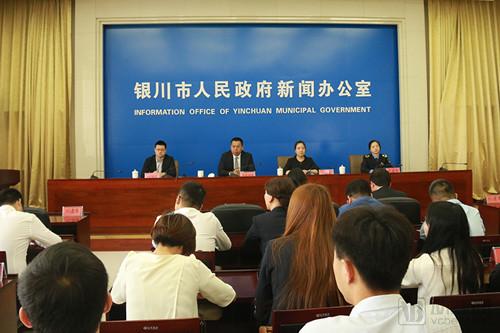
Scene from the Launch Event for the Official Operation of the Yinchuan Internet Hospital Supervision Platform (Photo provided by the interviewee)
At the press conference, Wang Chuan, Director of the Yinchuan Big Data Management Service Bureau, stated that although “Internet + Healthcare” is an emerging field with significant differences from traditional healthcare in terms of industry regulation and security assurance, Yinchuan has attached great importance to effective regulatory oversight and has been continuously exploring relevant approaches since the initial stages of developing its “Internet + Healthcare” ecosystem.
“By leveraging the traceable nature of online medical consultations and through extensive research and validation, we have developed an innovative and effective model for online supervision. The concrete manifestation of this supervisory model is the ‘Internet Hospital Supervision Platform,’ which is the focal point of today’s press conference,” Wang Chuan told reporters. “The platform is built with a focus on comprehensiveness, precision, performance orientation, and standardization, fully utilizing information technology to achieve end-to-end, all-encompassing, fully automated, real-time online supervision.”
In short, the Internet Hospital Supervision Platform conducts supervision through three aspects: pre-event alerts, in-process control, and post-event traceability.
Pre-event Reminder:The regulatory platform conducts real-time verification and oversight of the compliance filing information for internet diagnosis and treatment platforms. It flags and alerts users to deficiencies, omissions, or inaccuracies in enterprise management processes. The platform monitors 17 key indicators, including hospital qualifications, physician registration, and professional titles, and proactively notifies stakeholders of incomplete or non-compliant registration information. This enables regulators to address issues at their source, ensuring that all internet diagnosis and treatment platforms conduct medical operations in a compliant and orderly manner.
In-process Control:The Internet Hospital Supervision Platform conducts real-time monitoring of core clinical activities, including online consultations, prescriptions, and referrals. It implements real-time control over 46 regulatory indicators, such as prescription writing standards, excessive dosages, high-cost prescriptions, and restrictions on toxic, narcotic, and psychotropic substances. Among these, 41 indicators are managed through automated system alerts, while the remaining five require manual intervention for regulatory oversight.
Conduct real-time checks on every prescription and medical order issued through the internet diagnosis and treatment platform; verify the identity of contracted physicians during the issuance of electronic prescriptions to ensure that the physician providing services is the same as the one registered under contract, thereby preventing fraudulent diagnostic and treatment practices; provide alerts for incomplete business data or missing historical case records during online consultations to guard against misdiagnosis or missed diagnoses due to insufficient medical evidence; monitor the prescription review process, recording the entire prescription issuance workflow and the personnel involved, thereby providing robust support for medical service regulation; support prescription regulatory audits by enabling real-time extraction and analysis of prescriptions, with audit results fed back to the internet diagnosis and treatment platform; and leverage intelligent alert services to notify regulators in real time of any abnormal medical practices, achieving efficient and rapid online supervision.
Post-hoc Retrospective Analysis:The Internet Hospital Supervision Platform leverages big data technology to oversee online consultations, triage, prescription issuance, remote consultations, medical record documentation, and medication delivery conducted by internet healthcare institutions. By analyzing data and digital footprints from each stage, the platform enables comprehensive retrospective tracing of diagnostic and treatment activities on internet healthcare platforms. It conducts analyses of clinical practices across multiple dimensions, including departments, physicians, medication usage, and consultation timing. Additionally, the platform facilitates the “Multi-Practice Registration for Licensed Physicians” service for internet healthcare providers, which not only improves administrative efficiency but also ensures quality control of registered physicians at the source.
Liu Chunyang, Deputy General Manager of the Regional Medical and Health Information Systems Product Division at Peking University Healthcare Information Technology (PKU HIT), the technology provider for the Yinchuan Internet Hospital Regulatory Platform, added,The system will also adopt a control approach combining automated verification alerts with manual intervention.“With a vast array of new business models being entirely governed by data management, the core challenge for regulators is to leverage data to assess the compliance and quality of medical services, and to effectively prevent violations hidden within operational processes. Therefore, regulation of internet hospitals cannot rely solely on manual oversight; it must employ information technology solutions to achieve real-time alerts and automated supervision.”
Lei Jing, Deputy Director of the Yinchuan Municipal Health and Family Planning Commission, stated in his speech that as an emerging entity, “Internet + Healthcare” must prioritize public health safety and data security, making regulatory oversight particularly crucial. Leveraging the Internet Hospital Supervision Platform, the Yinchuan health and family planning authorities will implement a hybrid online-offline regulatory model for internet healthcare institutions, ensuring comprehensive oversight across pre-approval and market access, ongoing operations, and post-event management.
It is reported that the Yinchuan Municipal Health and Family Planning Commission will further strengthen the management and supervision of services such as telemedicine provided by internet hospitals and internet information platforms established by third-party institutions.
So, how many internet hospitals has the Yinchuan Internet Hospital Supervision Platform integrated with? What challenges were encountered during the integration process?
Liu Chunyang stated that the 15 internet hospitals currently under contract in Yinchuan are rolling out their services on a staggered basis, with each platform operating differently. These business platforms employ diverse architectures and service models. The regulatory platform for internet hospitals is required to monitor the operations of each internet hospital in real time, which necessitates high performance and high concurrency capabilities. Furthermore, given the nature of medical data, the platform must meet stringent security and privacy protection requirements. At the same time, it must ensure the flexibility and scalability of the data exchange platform to accommodate continuously evolving and newly added business functionalities.
First, to ensure comprehensive data oversight, all internet hospitals are required to deploy their data services at the Yinchuan Big Data Center, facilitating unified data management.
Secondly, to enhance the quality of data collection, the regulatory platform center provides a comprehensive interface data quality assessment system and establishes a robust data monitoring mechanism. This mechanism offers an integrated display of internet hospital data upload status, including upload volume categorized by interface, upload success rate, and quality assessment results. The key requirements are as follows:
(1) To achieve high performance, an auto-scaling microservices architecture is adopted, which decouples data ingestion, validation, processing, analysis, and visualization into separate services that are organically integrated.Automatic service deployment and dynamic scaling through internal performance monitoring mechanisms.
The central node of data integration adopts a process-driven approach to connect different data processing functions within a data exchange workflow, enabling visual modeling of business rules and visual monitoring of business process execution.
(2) Incorporate intelligent supervision.Specifically, the system defines flexible regulatory items tailored to diverse regulatory data and requirements. Regulators can adjust these items and their judgment thresholds in response to updates in regulatory guidelines, thereby enabling rapid compliance responses.
Data acquisition, compliance checks, and interface display are handled by separate services, allowing for adjustable service throughput to meet the requirements for real-time, automated, and comprehensive monitoring.
(3) Big data-based analytical models.The Internet Hospital Regulatory Platform leverages technologies such as big data and medical knowledge graphs to restructure and redefine key aspects including medical authenticity, clinical practices, medication rationality, diagnostic and treatment standards, and healthcare expenditures. By establishing distinct thresholds, the platform enables automated intelligent supervision and early warning systems to ensure compliant diagnoses and rational drug use.
(4) Safety Supervision: Safety is also the top priority of the regulatory platform.The overall information security design for the Yinchuan Internet Hospital Supervision Platform addresses the actual and potential security risks faced by internal business-related information, externally exchanged business data, and publicly released service information. By analyzing the various types of information requiring protection and comprehensively considering the system’s acceptable risk levels, this design establishes security objectives aligned with the specific security requirements of each information system. Furthermore, it constructs a security model and an information security protection framework to achieve these objectives, thereby ensuring an optimal balance among risk, security, and investment.
In collaboration with the Yinchuan Big Data Center, comprehensive safeguards are implemented for physical-level and network-level security, while the supervision platform is designed and implemented with integrated application-level and system-level security.
Currently, he pointed out that since the regulatory platform began its trial operation in late 2017, it has connected with 14 contracted institutions and conducted full-process tracking and verification of business data for all internet hospitals.Meanwhile, for internet hospitals under application, carry out development and debugging of data integration in advance, guide newly joined internet hospitals to improve their data records, and gradually enhance and optimize business compliance and usability.
So, how have internet hospitals subject to regulatory oversight developed in practice? What are their perspectives on this matter? What are their plans for the next steps?
Zhu Bo, Northwest Regional Director of DXY’s Government Affairs Department, stated that the launch of the regulatory platform was timely. Since the Yinchuan Municipal Government held a centralized signing ceremony for internet hospitals on March 19 last year, Yinchuan’s internet healthcare sector has attracted sustained attention from domestic media, including efforts to formulate policies and regulatory frameworks for internet healthcare. Compared with other regions, Yinchuan’s internet healthcare policies are relatively comprehensive, thereby attracting the largest number of internet healthcare enterprises in China to establish operations there.
During this year’s “Two Sessions,” Premier Li Keqiang, while meeting with the Ningxia delegation, specifically emphasized the need to support the development of “Internet + Healthcare” in Ningxia. On April 28, the General Office of the State Council released the “Guiding Opinions on Promoting the Development of ‘Internet + Medical Health.’” It can be said that Yinchuan’s three-year pilot initiatives in internet hospitals served as a catalyst for the issuance of the national “Guiding Opinions.”
The launch of the Internet Hospital Regulatory Platform has also provided pilot experience for the National Health Commission to roll it out nationwide.
“We have actively cooperated with the regulatory platform, assigned dedicated personnel for liaison, and ensured comprehensive, gap-free integration of all data,” Zhu Bo told reporters.
As an internet healthcare company driven by data and centered on empowering doctors and patients, DXY proactively accepts regulatory oversight and integrates regulatory thinking in advance. He believes that the launch of the regulatory platform presents a valuable opportunity to enhance service quality.
"In fact, prior to the launch of this regulatory platform, DXY Internet Hospital had already conducted extensive quality audits and controls."
First, we strictly control physician quality by evaluating their competence in three steps.
Step 1: Targeted Invitation for Physicians to Join. On most doctor-patient communication platforms, any physician can register. We believe that not all physicians possess the competence for remote consultation or diagnosis and treatment. Therefore, we only invite physicians approved by us to provide services to patients.
Step 2: After the invitation and before the physician provides services, an assessment must be conducted. By presenting simulated questions, we evaluate the quality of the physician’s responses.
Step 3: After passing the examination, we closely monitor physicians’ responses to user inquiries during their service provision. To ensure fairness, we have also convened a panel of senior physicians from tertiary Grade A hospitals to conduct “peer review” of the answers provided on the platform.
Meanwhile, a mechanism for removing underperforming physicians is in place to ensure that the most competent practitioners are retained while those who fall short are phased out. To date, physicians on the DXY Internet Hospital platform have accumulated nearly 500,000 hours of service time, with an approval rating exceeding 97%.
Over the past year, DXY Internet Hospital has made significant strides in pre- and post-consultation chronic disease management as well as in the field of artificial intelligence. For instance, in the areas of pre-consultation patient education and health science popularization, health articles published by DXY Doctor on the DXY Internet Hospital platform garnered 3.17 billion views in 2017. During the Two Sessions, a deputy to the National People’s Congress specifically submitted recommendations to the state, leading to the inclusion of improving national health literacy in the national development plan.
“I am confident that, under the strong leadership of the Yinchuan Municipal Party Committee and Municipal People’s Government, and with the close support of the Health Commission and the Big Data Bureau, Yinchuan’s internet healthcare industry will flourish, leveraging the launch of the regulatory platform as a catalyst. The cluster effect and the Matthew effect will become increasingly pronounced. DXY will spare no effort to provide our full support.”
A relevant executive from Medlinker Internet Hospital stated that national policies are not only favorable toward “Internet + Healthcare,” but the launch of this regulatory platform also presents a significant opportunity for the internet healthcare sector. Moving forward, Medlinker will increase its investment and development efforts based on its core physician platform, with a particular focus on single-disease patient management and end-to-end Direct-to-Patient (DTP) services. Currently, it has achieved notable progress in fields such as hepatology and nephrology. In the future, the company aims to build more disease-specific service systems grounded in single-disease patient management.
Meanwhile, Medlinker recently announced a partnership with the Rizhao municipal government to jointly establish Rizhao’s first internet hospital. Following the signing of the agreement, Medlinker will collaborate with Rizhao Dongchen Group to co-create the “Shandong Medlinker Huafang Internet Hospital.”
Wang Shirui, Founder and CEO of Medlinker and Penguin Doctor, stated that the Shandong Medlinker Huafang Internet Hospital will leverage national initiatives in the “Internet + Healthcare” sector and integrate with Medlinker’s MHD Health Big Data Application Service Platform to provide services such as online consultations, remote consultations, visits by renowned physicians, electronic prescriptions, and home medication delivery, thereby meeting society’s practical demand for high-quality healthcare.
JD Internet Hospital is a medical institution registered in Yinchuan by JD Health, a subsidiary of JD.com. Its online services primarily include triage and guidance, online consultations, patient education, and telemedicine.
“JD.com’s internet hospital has initially confirmed its basic functionalities and is still in the process of refinement.” According to a representative from JD Internet Hospital, the launch of the regulatory platform for internet hospitals by Yinchuan City signifies recognition of the internet hospital sector and will better promote the healthy development of the entire industry.
On December 10, 2016, Yinchuan Smart Internet Hospital officially opened. Leveraging the high-quality physician resources of Haodf Online, by the end of April 2018, 16,000 doctors from 30 provinces and municipalities across China had completed registration with the Yinchuan Approval Bureau, providing services to patients nationwide through Yinchuan Smart Internet Hospital. Among the registered physicians, 89% were from public tertiary hospitals, and 73% held associate senior professional titles or higher. Since its establishment, Yinchuan Smart Internet Hospital has handled approximately 15,000 consultations per day, accumulating a total of 7.68 million patient visits from across China.
“In the future, our internet hospital will focus on advancing remote outpatient services and family physician programs,” said Wang Hang.
In terms of remote outpatient services, Haodf Online extends the diagnostic and treatment capabilities of specialists to western and grassroots regions, making remote consultations a routine clinical practice and supporting tiered diagnosis and treatment. Without the need for large-scale telemedicine equipment, specialists can conduct video consultations with grassroots doctors and patients thousands of miles away using only their mobile phones, providing diagnostic and treatment plans. Local doctors then implement the necessary examinations and treatments for patients. This truly enables patients to consult national experts locally and receive treatment without the burden of travel. Since its launch in April 2017, the remote outpatient service has served over 4,000 patients across China.
Meanwhile, pilot programs are being advanced to promote “Internet + Family Doctor” services. Online medical teams, integrating specialists and general practitioners, have been established to assist enrolled residents in completing daily disease consultations, medication guidance, and health education via mobile phones. This approach ensures that family doctor services are effectively implemented, addressing the public’s health concerns. The first pilot project was launched in Pengyang County, Ningxia. Once the model is refined and matured, it will be expanded to more regions across China. As of May 2018, 57,000 residents in Pengyang had signed up for online family doctor services, accounting for 29.1% of the permanent population. Residents’ health awareness has significantly improved, with a marked reduction in the previously common practice of delaying hospital visits until symptoms became unbearable.
Regarding its future layout for internet hospitals, Haodf Online will pursue gradual development under the premise of strengthening service quality. As an internet healthcare platform established 12 years ago, Haodf Online’s core objective remains the continuous improvement of service quality, which is even more critical amid favorable policy conditions. On one hand, the industry must deliver tangible and effective results that truly address the practical concerns of the general public, thereby reinforcing policymakers’ confidence in supporting industry development and unlocking greater growth prospects. On the other hand, competition within the industry will inevitably intensify under these favorable policy conditions; only platforms that deliver genuine value to users will stand out.
For the first time, national functional departments have incorporated “Internet + Healthcare” into policy frameworks to support and encourage industry development. While the internet healthcare sector has ushered in opportunities for growth, it is equally essential to emphasize that internet enterprises must assume their corresponding principal responsibilities, safeguard public health, and ensure the sound and sustainable development of the industry.
Chen Guanwei, CEO of Haixinqing, stated, “The entire regulatory framework is a medical big data and supervision platform specifically tailored for internet healthcare services. We have fully integrated our systems with the platform in strict accordance with the regulatory requirements for internet hospitals. This platform features comprehensive process monitoring, encompassing a regulatory system that covers pre-event, in-process, and post-event stages, making it arguably the first relatively complete internet healthcare regulatory platform in China. Haixinqing has actively participated in and cooperated with the platform integration process.”
“This regulatory initiative not only aligns with the recent national standards for internet healthcare but also demonstrates the foresight and professionalism of the Yinchuan Municipal Government in overseeing this sector. Chen Guanwei stated that this is China’s first comprehensive regulatory platform for internet healthcare, offering significant guidance and reference value for the industry.”
The Haoxinqing Internet Hospital system has been fully established, passed the acceptance review by the relevant authorities in Yinchuan City, and obtained the medical practice license for internet hospitals. The business volume of Haoxinqing Internet Hospital is growing rapidly, currently focusing primarily on patient follow-up consultations and online prescription services, with an average daily consultation volume exceeding 1,000 visits.
In recent days, the state has frequently issued policies on “Internet + Healthcare.” Chen Guanwei believes that this not only reflects market demand but also aligns with the characteristics of China’s healthcare resource needs, representing a positive signal for the entire internet healthcare industry. Going forward, companies such as Haixinqing and their peers should accelerate market expansion to meet user needs while simultaneously developing a more secure, compliant, and lawful online medical service model. “We will continue to focus on online medical services primarily catering to patients with mental health conditions, aiming to build one of the most professional online medical service platforms in China.”
The introduction of this regulatory policy,Shi Zhenyang, Founder and Chairman of Qilekang, believes thatWhile emphasizing that internet hospitals should be primarily based on physical medical institutions, the policy also formally recognizes the role of third-party internet healthcare enterprises in driving healthcare reform, enhancing national medical services, and meeting the public’s multi-tiered healthcare needs. This will serve to drive and promote the development of the entire industry.“We believe that the clarification of policies will accelerate the robust growth of the industry. Of course, industry practitioners may also face heightened competition and greater challenges.”
With the support of the Yinchuan Municipal Government, Qilekang signed an agreement with the government in March 2017, obtaining the qualification for a Yinchuan Internet Hospital and officially settling into the Yinchuan Smart Internet Hospital Base. It was also one of the 14 enterprises included in the regulatory platform as part of this agreement, committed to becoming the most trustworthy smart chronic disease service platform. As a government-authorized medical institution, it not only provides an internet platform for physicians to practice at multiple locations but also offers patients high-quality, integrated remote chronic disease management services.
According to Shi Zhenyang, Qilekang Internet Hospital is positioned as a provider of remote follow-up consultations for chronic diseases. Leveraging its leading R&D capabilities in information technology and its comprehensive layout across the medical industry, the hospital has achieved rapid growth in just over a year, attaining major accomplishments in the following areas:
Provided a compliant and legal internet-based multi-site practice platform for hundreds of thousands of doctors from 31 provinces and over 300 cities across China;
To provide physicians with a wide range of medication options, facilitating the delivery of over ten million remote follow-up consultations for chronic diseases to millions of patients, and enabling them to issue legally valid electronic prescriptions;
Establish a chain of pharmacies in Yinchuan and set up a Northwest Operations Center to ensure the supply of medications for users in Ningxia and the broader Northwest region, providing patients with convenient, China-wide pharmaceutical delivery services; launch an online hospital’s “Renowned Physicians Lecture Series” to enhance the medical proficiency of primary care physicians.
Shi Zhenyang still vividly recalls the scene: Following Premier Li Keqiang’s high praise for Yinchuan’s internet hospital industry during the Two Sessions, officials from the State Council responsible for researching the “Internet + Healthcare” policy traveled to Yinchuan for field investigations. As one of the first internet hospital companies to settle in the Yinchuan Smart Internet Hospital Base, 7LeKang participated throughout the entire research process, delivered a separate report to the head of the research team, and submitted its policy recommendations on “internet hospitals.”
Following this, representatives from Qilekang traveled to Beijing to deliver a specialized briefing and report to the Development Research Center of the State Council.
Subsequently, the regulatory framework disclosed at the State Council’s policy briefing on “Internet + Healthcare” revealed that several provisions were included in the policy recommendations submitted by Qilekang.In particular, this pertains to the scope of diagnosis and treatment provided by internet hospitals, support from medical insurance policies, and the sharing of prescription information. This demonstrates that 7lecare’s focus on industry development aligns with the national objectives for healthcare reform.
When discussing future plans, Shi Zhenyang stated that Yinchuan Qilekang Internet Hospital would leverage its competitive business model and intelligent healthcare solutions to gradually optimize its “doctor–medicine–patient–testing–insurance” service loop, thereby supporting the development of “Smart Yinchuan.”
Collaborated closely with the Yinchuan Municipal Health and Family Planning Commission, the Big Data Bureau, and other departments to mine and analyze medical big data from Yinchuan Qilekang Internet Hospital;
Leverage technologies such as artificial intelligence and big data analytics to establish electronic health records for patients and facilitate intelligent physician-led follow-ups;
Establish collaborations with hospitals and third-party testing institutions to enable interoperability between test results and internet hospital data;
Introduce commercial insurance and other service components. Going forward, we will further expand our footprint in internet healthcare by leveraging big data, artificial intelligence, and other technologies to continuously optimize and upgrade existing medical services, thereby promoting the nationwide adoption of remote follow-up care for chronic diseases and benefiting the general public.
“Since joining the Yinchuan Internet Hospital Regulatory Platform, we have deeply felt our rapid growth alongside the platform,” said Lu Bo, founder of Little Apple Kunyu Internet Hospital.
Yinchuan Little Apple Kunyu Internet Hospital is a homegrown internet healthcare company based in Yinchuan. As an internet hospital centered on women’s and children’s health, the group established China’s first pediatrician collective—Little Apple Pediatrics. Leveraging high-quality physician resources, it has successfully launched online light-consultation platforms, “Pediatrician Answers” and “Obstetrician Answers,” and partners with multiple leading maternal and infant care platforms to serve tens of millions of women and children.
According to Lu Bo, among the more than 3,000 physicians registered on the platform, 20 pediatricians have already joined the Little Apple Pediatrician Group on a full-time basis. The number of users engaging in online learning activities daily has reached 100,000, while the number of users seeking online consultations has exceeded 1,000. This initiative has effectively brought prenatal and parenting education directly to mothers, enabling maternal and child populations to conveniently and efficiently access high-quality medical resources.
Meanwhile, as the most recently approved internet hospital in Yinchuan, Yinchuan Little Apple Kunyu Internet Hospital not only relies on physical medical institutions but also achieves deep integration with them. “Our partner physical medical institution is Ningxia Ci’an Women’s and Children’s Hospital, with which we have successively collaborated to carry out services such as remote outpatient consultations, physician training, and expert remote ward rounds.”
“He stated that a women’s and children’s surgical center will be established based on patient data from Xiao Pingguo Kunyu Internet Hospital, thereby enabling residents of Yinchuan and surrounding areas to truly access diagnostic and treatment services provided by national-level medical experts.”
Furthermore, Lu Bo told reporters that the group company has also opened five self-operated chain clinics and established in-depth cooperative relationships with 15 medical institutions. Its services now cover eight cities, including Beijing, Shanghai, Guangzhou, Shenzhen, Hangzhou, Chongqing, and Chengdu, thereby extending the reach of its “online consultation, offline treatment” model. Currently, the company is engaging in deep collaboration with third-party medication delivery, laboratory testing, and medical imaging platforms, aiming to swiftly achieve data sharing between internet hospitals and physical medical institutions. This will enable the provision of comprehensive medical services to patients, truly realizing the goal of “more data flow, fewer patient trips,” to the ultimate benefit of patients.
Throughout his career, whether in internet healthcare or operating physical medical institutions, Lu Bo has always prioritized medical safety. Fully aware of its critical importance, he recognizes that no aspect of medical safety is trivial. His enduring goal has been to minimize medical risks to the lowest possible level.
Throughout this process, in addition to continuously strengthening the security awareness of internal staff and physicians on the platform and completing relevant training, he actively collaborated with the Yinchuan Big Data Bureau’s regulatory platform to improve data integration, establish rules and regulations, and standardize operational procedures. “In particular, we are deeply grateful to the Yinchuan Big Data Bureau for leveraging information technology to implement innovative oversight of internet hospitals through pre-event alerts, in-process controls, and post-event traceability, thereby ensuring the safety and legal compliance of online diagnosis and treatment. This has enabled us to operate our internet hospital with greater confidence and in accordance with clear guidelines.”
According to him, Xiaopingguo Kunyu Internet Hospital has implemented real-time updates of operational compliance filing information for regulatory oversight in its pre-emptive alert system. For physicians providing online services, the hospital conducts physician registration on the regulatory platform and records 17 indicators, including professional titles, to ensure that all internet hospitals conduct medical activities in a compliant and orderly manner.
"In terms of real-time control, core business activities such as online consultations, prescriptions, and referrals are uploaded in real time to the regulatory platform. The platform periodically samples prescriptions for analysis and provides us with audit results, helping us correct abnormal medical practices."
In terms of post-event traceability, since every step in the medical process is documented, relevant stages can be quickly identified through platform data for corresponding analysis and handling. Meanwhile, the Yinchuan Big Data Bureau regularly organizes symposiums and sharing sessions with internet healthcare companies, helping us continuously improve and optimize our services through experience exchange and strategic guidance.
Since obtaining the Medical Institution Practice License issued by the relevant authorities in Yinchuan in July 2017, Anxin Health Group’s Yunhaiyi Internet Hospital in Yinchuan has actively developed its online internet hospital platform, completing the transition from light consultations to online diagnosis and treatment and online prescription services.
According to Ge Xing, founder of Anxin Doctor, the ground promotion team actively communicated with online contracted physicians to complete the multi-site practice registration for the internet hospital. Before the launch of the online registration software, the registration process for physicians was relatively complex and cumbersome. Nevertheless, within less than six months, we registered over a thousand physicians, who collectively served tens of thousands of patients. Anxin Health Group believes that with the favorable implementation of government policies on “Internet Plus Healthcare,” and if further policy support can be secured in medical insurance coverage, the explosive growth of internet healthcare is imminent.
Like most digital health entrepreneurs, Ge Xing is not only building China’s largest online women’s and children’s hospital but also establishing a chain of mid-to-high-end community-based clinics for women and children. Currently, two such clinics are operating on a trial basis in Beijing, and the Hangzhou Huibao Chuntian Comprehensive Outpatient Clinic, a joint venture with Dean Duan Tao’s Chuntian Medical Management, has completed site selection and is expected to commence operations in the second half of this year.
Ge Xing believes that the future of new healthcare will be a combination of online medical services (internet hospitals) and offline medical services (hospitals, clinics).