

Shao Yifu Hospital's Innovations and Applications in Medical AI: Expectations, Challenges, and Clinical Integration
Recently, the “Zhijiang Science Forum – Sir Run Run Shaw Hospital, Zhejiang University School of Medicine 2018 Summit on Medical Imaging,” initiated by the Zhejiang Provincial Natural Science Foundation Committee and co-organized by the Department of Radiology at Sir Run Run Shaw Hospital, Zhejiang University School of Medicine, and the Medical Artificial Intelligence Alliance, was held at Sir Run Run Shaw Hospital.
At this forum,The physicians and experts present not only discussed the clinical applications of medical artificial intelligence but also reflected on the confusion it has brought to clinicians amid its rapid development.During the event, VCBeat interviewed three experts from Sir Run Run Shaw Hospital to gain insights into their perspectives on and applications of medical AI.

Cai Xiujun, Vice Chairman of the Zhejiang Provincial Committee of the Chinese People's Political Consultative Conference, President of Sir Run Run Shaw Hospital, and Renowned Surgical Expert, Delivered the Opening Address
Products from 10 Medical AI Companies All Deployed at Sir Run Run Shaw Hospital
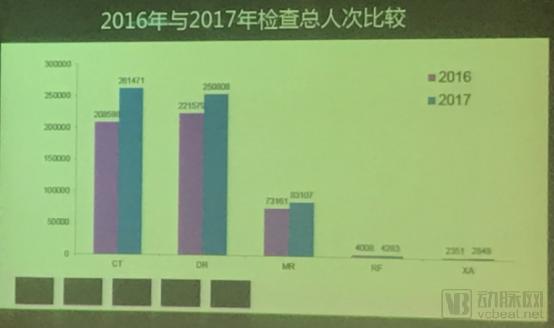
As a public Grade A tertiary hospital that has passed the Joint Commission International (JCI) accreditation four times, Sir Run Run Shaw Hospital’s Department of Radiology handles an astonishing volume of examinations. According to Hu Hongjie, Director of the Department of Radiology, the hospital performed 261,471 CT scans, 250,808 digital radiography (DR) examinations, and 83,107 magnetic resonance imaging (MRI) scans in 2017. Notably, the growth rates for CT and MRI examinations reached 25% and 13%, respectively, with the number of examinations increasing at double-digit rates annually over the past five years.
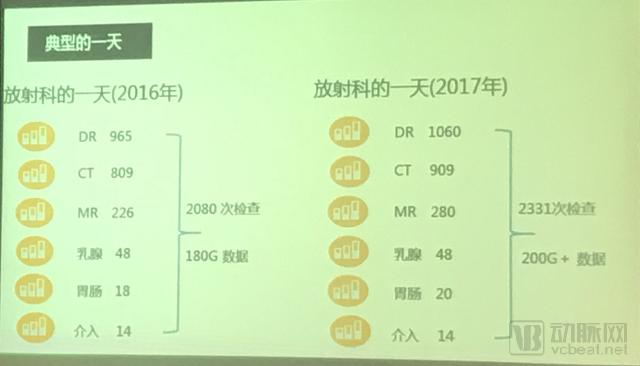
The heavy volume of examinations has imposed a substantial workload on radiologists. In 2016, the hospital’s Department of Radiology performed an average of 809 CT scans per day; this figure rose to 909 in 2017. According to Hu Hongjie’s projections, the daily number will increase by another 100 in 2018, exceeding 1,000 scans.
Given the current volume of imaging examinations, radiologists are still able to issue reports on schedule. However, as the number of patients undergoing these examinations continues to rise, relying solely on manual labor is becoming increasingly impractical. Therefore, leveraging medical artificial intelligence (AI) to assist physicians in image interpretation will become an essential approach. Since 2016, ten medical AI companies have collaborated with the Department of Radiology at Sir Run Run Shaw Hospital to jointly refine their medical AI products.
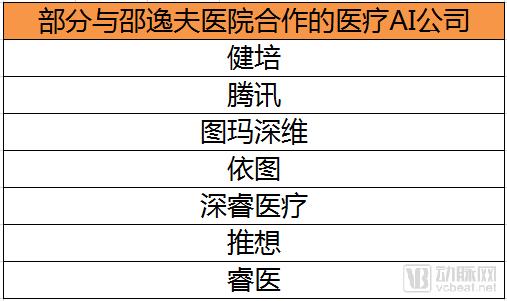
Among these collaborating AI companies, the depth of partnership varies. Some enterprises merely place their products in hospitals for physicians to use, making it difficult to assess their effectiveness; others integrate auxiliary diagnostic software into the hospital’s PACS system, offering greater convenience for clinicians; the optimal approach involves AI companies assigning engineering staff to work alongside physicians within clinical departments to jointly refine and optimize the product.
Hu Hongjie stated that medical AI products are currently in their nascent stage and are not yet capable of replacing physicians. Given the extreme complexity of clinical diagnosis and treatment, medical AI can only assist with specific segments of the process, supporting physicians in standardized, repetitive tasks. For instance, in lung cancer screening, AI primarily handles the detection of pulmonary nodules and the assessment of their benign or malignant nature, while physicians remain responsible for making final decisions on whether resection is necessary, as well as managing postoperative recovery and quality-of-life issues. “Although AI is still in its early stages, as a radiologist, I recognize its potential; in the coming years, it will undoubtedly transform the existing workflows of physicians,” Hu Hongjie added.

Conference Chair, Professor Hu Hongjie, Director of the Department of Radiology, Sir Run Run Shaw Hospital
Beyond the Lungs, Medical AI Can Also Make Significant Contributions in Other Fields
Although medical AI is developing rapidly, Hu Hongjie has also identified some minor issues. For instance, most AI companies have entered the market through pulmonary nodule projects, with relatively less R&D dedicated to other fields. This situation arises because of the enormous volume of lung screenings. Taking Sir Run Run Shaw Hospital as an example, 40% of every 1,000 CT scans are chest CTs, indicating a substantial market potential for pulmonary nodule screening.
However, we must not overlook that, in addition to lung nodule screening, the screening for abnormal lesions such as thyroid nodules, breast nodules, liver space-occupying lesions, and prostate abnormalities also consumes significant physician effort, with substantial future demand anticipated. To address these challenges, Sir Run Run Shaw Hospital, in addition to directly adopting enterprise-provided products and assisting in their refinement and iterative development, is also collaborating with universities to research and develop medical AI products.
Currently, the interdisciplinary research being conducted jointly by Sir Run Run Shaw Hospital and university teams primarily focuses on three areas:
I. Automated Grading of Liver Lesions
Grading liver lesions is relatively complex. The current mainstream approach is based on the LI-RADS criteria established by the American College of Radiology. However, this standardized system is continuously updated, and many physicians lack sufficient time to keep pace with these updates.
Note: The Liver Imaging Reporting and Data System (LI-RADS) was introduced in March 2011 and has been widely adopted in clinical practice. This system is primarily intended for patients at risk of hepatocellular carcinoma (HCC), aiming to standardize the interpretation, analysis, and reporting of hepatic CT and MRI examinations. For individuals at high risk of HCC, LI-RADS categorizes liver nodules detected on CT or MRI into five classes: benign, probably benign, intermediate probability of HCC, probable HCC, and definite HCC (corresponding to LI-RADS categories 1–5, respectively).
Zhang Qiaowei, Associate Chief Physician in the Department of Radiology at Sir Run Run Shaw Hospital, told VCBeat that the department had collaborated with the Computer Science Department of Zhejiang University three years ago to leverage an AI system for automated grading to address this issue.
Currently, in a consistency evaluation comparing the system developed by Sir Run Run Shaw Hospital with two physicians, the L-5 model achieved an accuracy of 93.8%, while the physicians achieved 92.3%.
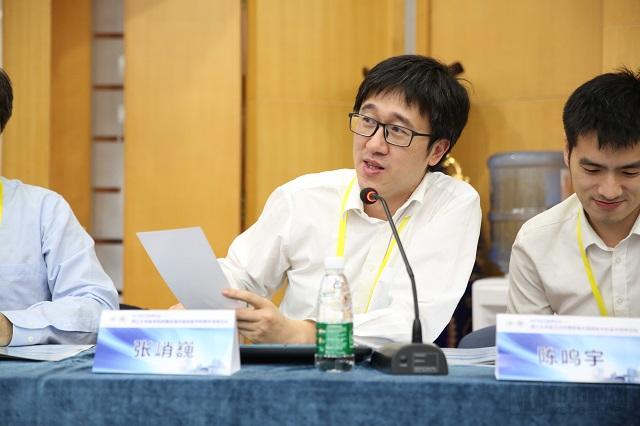
Zhang Qiaowei, Associate Chief Physician, Department of Radiology, Sir Run Run Shaw Hospital
According to Zhang Qiaowei, the development of medical AI products has reached a stage where they are beginning to influence physicians’ workflows. An increasing number of doctors in various departments are voluntarily choosing to incorporate medical AI products into their daily practice. In the past, physicians’ workflow involved reviewing imaging studies and then writing and submitting reports. Currently, before finalizing their reports, many physicians opt to consult the reports generated by AI systems, comparing them with their own findings to identify any omissions or discrepancies. To some extent, AI systems can bolster physicians’ confidence in issuing their diagnostic reports.
However, Zhang Qiaowei also stated that,Currently, AI remains AI and PACS remains PACS; the two have not yet achieved fully seamless integration.. This makes the physician's operation seem less user-friendly, which to some extent affects physicians' enthusiasm for using the system. Seamlessly integrating AI systems with PACS will also be the next direction for development.
II. Preoperative Prediction of Early Recurrence After Hepatocellular Carcinoma Resection Based on Radiomics/Machine Learning Methods
According to Hu Hongjie, in current clinical practice for liver cancer, some cases of relatively early-stage disease, initially expected to be curable, have recurred during recovery; conversely, some patients with advanced-stage disease, seemingly beyond therapeutic hope, have achieved remarkable recovery.
There exists a certain pattern that remains unclear to physicians. Hospitals aim to leverage next-generation AI technologies, with their powerful computational and learning capabilities, to uncover this pattern. The research has already made some progress.
III. Quantitative Analysis of Emphysema Subtypes and Their Correlation with Pulmonary Function
Emphysema is a common and frequently occurring disease that poses significant therapeutic challenges. Different types of emphysema have varying impacts on pulmonary function. Clinically, emphysema is generally classified into centrilobular emphysema (CLE), panlobular emphysema (PLE), paraseptal emphysema (PSE), and mixed-type emphysema. Currently, the extent to which different forms of emphysema affect pulmonary function is primarily assessed through pulmonary function testing. However, the Department of Radiology at Sir Run Run Shaw Hospital aims to quantitatively analyze the degree of pulmonary impairment using CT imaging, with preliminary research results showing considerable promise.
Subjective AI Product for Pre-Diagnosis System Solution
In addition to AI products applied in the Department of Radiology, Sir Run Run Shaw Hospital is also developing products for other departments. Dr. Chen Mingyu from the Department of General Surgery at Sir Run Run Shaw Hospital told VCBeat that most AI products currently used in radiology generate results based on objective data. For instance, the presence of a malignant nodule in a specific location is an objective fact. Such products address the pain point of helping physicians identify abnormal nodules.
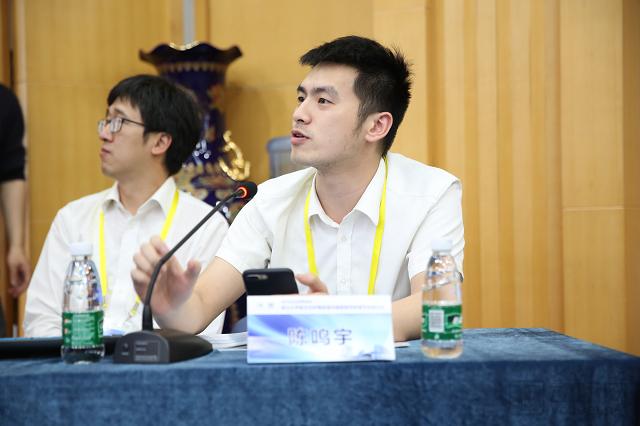
Dr. Chen Mingyu
As a general surgeon, Chen Mingyu registers 150 patients on each of his clinic days. With only five hours allocated for consultations, the average time spent per patient is merely two minutes. Due to individual variations among patients, it is difficult to make an accurate diagnosis within such a brief communication window. Consequently, he typically issues test requisitions and schedules follow-up visits, thereby exacerbating the problem of difficulty in accessing medical care.
To this end, Chen Mingyu independently developed a patient data collection system. Once patients have registered for an appointment, they can access the system for preliminary triage. Based on patients’ subjective self-descriptions, the system collects and organizes their basic information, symptoms, and medical history, and recommends appropriate diagnostic tests. During the consultation, Chen Mingyu can directly conduct the evaluation based on the test reports and the information compiled by the system, significantly improving consultation efficiency and enhancing the experience for both physicians and patients. Currently, the prototype of this AI product has been completed, with its official launch expected in approximately four to five years.
Chen Mingyu stated that this system was developed based on issues identified during his own clinical consultations, addressing the daily needs of both himself and his patients. As a result, the product is used by the physician himself, as well as by the majority of patients. In Chen Mingyu’s view, medical AI products should inherently be designed with this approach, prioritizing the resolution of clinical needs.
Reflections of Physicians on Medical AI
Hu Hongjie stated that while medical AI is currently very popular, with a wide variety of explorations in the medical field, its actual clinical application remains minimal. This is primarily due to four reasons:
1. In complex clinical applications, artificial intelligence systems lack high-quality, applicable data, resulting in conclusions that lack reliability;
2. The collection and preprocessing of clinical medical data are insufficient, failing to incorporate physicians' workflow into consideration. A critical aspect of disease diagnosis by physicians relies on scientific reasoning and clinical experience, making their cognitive processes difficult to replicate;
3. Current medical AI products generally exhibit "high sensitivity but low specificity," causing significant confusion for physicians;
4. Many AI products remain at the laboratory stage and are still some distance away from clinical application.
Furthermore, AI is currently in a phase of unregulated, rampant growth. Many companies are eager to acquire data from hospitals without truly embedding themselves within these institutions to understand the genuine pain points faced in clinical practice and by physicians. Some are even driven by short-sighted gains, prioritizing paper publications and successful fundraising rounds, which has caused the development of the AI industry to stray somewhat off course.
In communications with VCBeat, Hu Hongjie, Zhang Qiaowei, and Chen Mingyu all stated that, as physicians, they would actively participate in the trial and development of new technologies, hoping that emerging technologies could enhance the service capacity and efficiency of healthcare. Meanwhile, they also urged doctors not to blindly follow trends but to approach AI products rationally, emphasizing that the true path forward lies in developing products that are clinically applicable.