

"New Structure": 2018 Primary Healthcare Innovation & Practice Summit
Primary healthcare, which encompasses community health service centers (stations), township (sub-district) health centers, village clinics, and outpatient departments, accounts for 95% of China’s overall medical and health system. However, it handles only 55% of patient visits. In contrast, hospitals, which make up merely 3% of the total, account for as high as 41.2% of patient visits. The imbalance in the development of primary healthcare is prominent. To achieve the healthcare reform goal of equalizing access to basic medical services, medical resources must be reallocated with greater emphasis on strengthening the primary care sector.
Government Efforts and Frequent Policy Releases: Building a 30-Minute Primary Healthcare Service Circle in 2020
At the National “Two Sessions” held in March of this year, it was proposed that by 2018, each city should establish at least one medical consortium with demonstrable effectiveness. By 2020, all secondary public hospitals and government-run primary healthcare institutions were to fully participate in medical consortia. Since the 18th National Congress of the Communist Party of China, central government investments totaling RMB 47.48 billion have been allocated to support infrastructure development in 110,000 county-level hospitals and primary healthcare institutions, thereby continuously improving the primary healthcare service system. Ma Xiaowei, Deputy Director of the National Health and Family Planning Commission, stated, “By 2020, over 95% of primary healthcare institutions will meet standardized requirements, establishing a 30-minute primary healthcare service circle.”
Industry Attention, Capital Entry: 24 Companies Secure RMB 3.6 Billion in Financing
In the grassroots healthcare market, which exceeds RMB 4 trillion, a wide variety of companies have entered the fray, centering on scenarios where residents seek medical care at the primary level. According to data from VCBeat in February 2017, more than 80 companies had already ventured into the grassroots healthcare sector. Capital enthusiasm for participating in this space has reached unprecedented heights; according to incomplete statistics from VCBeat, by December 2017, 24 startups had secured financing, with the total amount exceeding RMB 3.6 billion.
Against the macro backdrop of the new healthcare reform vigorously promoted by the government, and driven by the dual forces of innovative technologies and capital momentum, China’s primary healthcare service system is undergoing profound and far-reaching transformations.
The new systemic reforms will inevitably lead to the deconstruction and reshaping of China’s primary healthcare industry. Primary healthcare is poised to become the key patient traffic gateway for future medical services. Its industrial upgrading and leapfrog development follow the initial trajectory of plate tectonics—through evolution, distribution, and structural combination—to form a new material state.
As industry observers and chroniclers, VCBeat, in collaboration with the National Engineering Laboratory for Internet Healthcare Systems and Applications and the Internet Healthcare Industry Alliance, jointly presents a highly informative forum—2018 Summit on Innovative Practices in Primary Healthcare。
Here you will find the most professional insights, the most forward-looking trends, cutting-edge technological innovations, and proven models of innovation. Here you can connect with experts, entrepreneurs, and industry professionals who share your focus on primary healthcare.
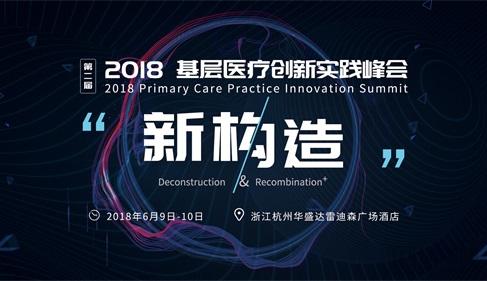
Name: “New Structure” – 2018 Summit on Innovative Practices in Primary Healthcare
Time: June 9–10, 2018
Venue: Landison Plaza Hotel Hangzhou, Zhejiang Province
Registration URL: http://vcbeat.top/P-Care2018
Six Key Sectors Enter a Pivotal Year of Opportunity: Six Forums Invite You to In-Depth Discussions
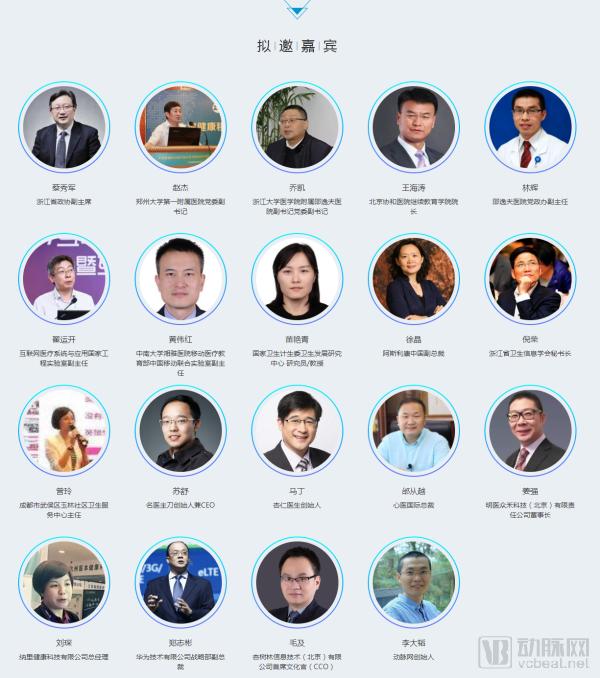
Forum on Innovation and Practical Development of Medical Consortiums
In the context of China’s new healthcare reforms, Medical Consortia have been entrusted with significant responsibilities in the new era as a key driver for implementing tiered diagnosis and treatment. By the end of 2017, 2,134 public hospitals across China had participated in pilot programs for Medical Consortia, while the number of specialized medical consortia surged from one to fifty over five years. Consequently, Medical Consortia have garnered extensive attention and discussion within the industry.
Under the four medical consortium models—urban medical groups, county-level medical communities, cross-regional specialty alliances, and telemedicine collaboration networks—how can tertiary hospitals, secondary hospitals, and community hospitals effectively fulfill their respective roles while maintaining close cooperation? Against the backdrop of the new healthcare reform, from which scenarios will innovative enterprises enter the medical consortium market? ……
This forum will invite leaders from relevant government agencies, administrators of medical institutions at all levels, senior executives of listed companies involved in medical consortiums, and founders of enterprises such as healthcare IT, telemedicine, and pharmaceutical distribution service providers. The one-day discussion will focus on themes including the construction and development of medical consortiums, collaboration and development among medical institutions at various levels within these consortiums, and the informatization of medical consortiums.
Frontier Forum on the Development of New-Type Clinics
The new industrial system model, driven by consumption upgrading, has reshaped the structure of rigid demands related to essential needs, scenarios, and products. This has created a strong demand for innovative operational models in primary healthcare. Meanwhile, the emergence of branded, scaled, and standardized new-type clinics has brought new opportunities for the standardization of primary healthcare services.
In 2017, more than 10 internet healthcare companies, including WeDoctor and DXY, expanded into the clinic sector. Real estate giants such as Wanda Group and Country Garden partnered with hospitals to establish clinics. Twelve new-type clinics, including Zhuozheng Medical, Johnson Medical, and Arrail Dental, secured financing last year. These new-type clinics have attracted significant attention and favor from the industry, particularly from investors.
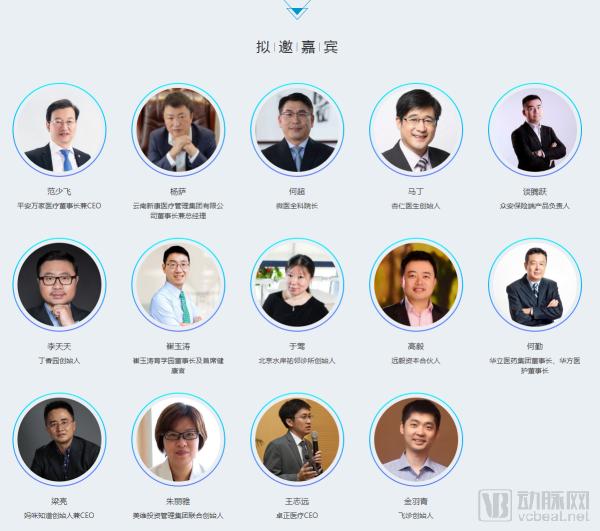
How Can New-Type Clinics Expand Their Territory? How to Build an Information Technology Platform to Become an Online Traffic Gateway? This forum will invite relevant government officials, experts and presidents of traditional large public hospitals, senior executives from listed companies involved in new-type clinics, founders of internet enterprises that have transitioned into the core of healthcare through online channels, and senior investors in related fields. They will engage in a one-day discussion focusing on topics such as the expansion and standardization of new-type chain clinics, business models, and customer acquisition costs.
Frontier Forum on Chronic Disease and Health Management
Under the backdrop of the new healthcare reform, community medical services are developing rapidly, with family doctor programs and community medical institutions beginning to take shape. However, many challenges remain, including a singular clinic management model, a lack of experience in chronic disease management, and the need for further exploration of family doctor service models.
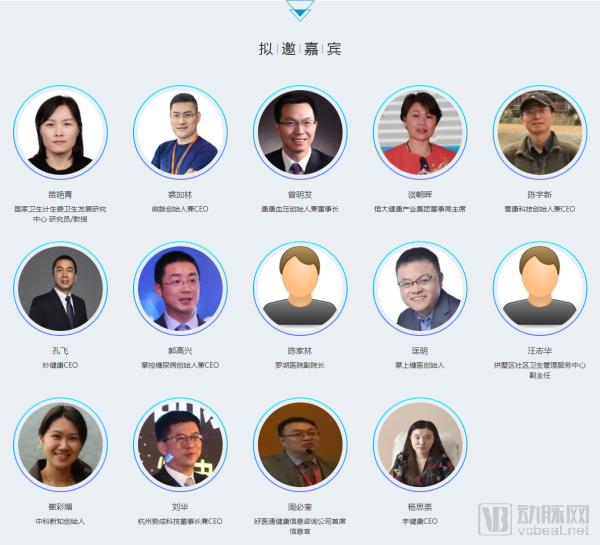
This forum will invite executives from listed companies, founders of startups, investors, and other stakeholders in relevant fields to jointly discuss hot topics such as “Implementation of Community Health Management” and “Insurance + Health Management.” This parallel forum will center on the theme “Innovation in Health Management Products and Service Implementation,” featuring one day of discussions.
Forum on the Development of Pharmaceutical Retail and Distribution
China’s Pharmaceutical Retail Industry Enters a Pivotal Year of OpportunityIn 2017, significant progress was made in two key initiatives: information sharing among medical insurance providers, hospitals, and retail pharmacies, and the tiered classification of retail pharmacies. The pharmaceutical retail sector has benefited from multiple favorable developments, including the advancement of comprehensive reforms in public hospitals, the accelerated separation of prescribing from dispensing, and the expanding outflow of prescriptions from hospitals. As a result, pharmaceutical retail is gradually replacing hospitals as the primary channel for pharmaceutical distribution.
This forum will invite relevant government officials, senior industry experts, scholars, and heads of well-known pharmaceutical retail, commercial, and manufacturing enterprises across China to attend. They will engage in a half-day discussion on topics such as how to capture the market for outpatient prescription outflows and explore models integrating pharmaceutical retail with commercial health insurance.
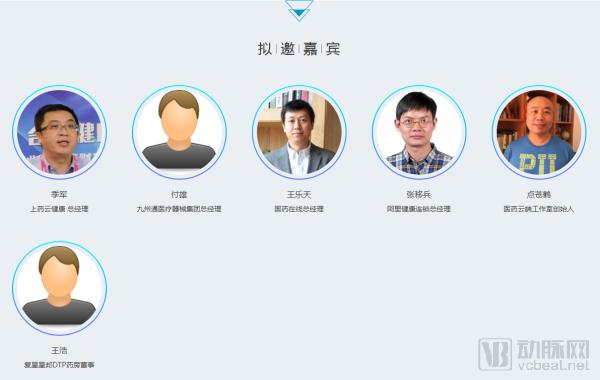
Third-Party Medical Imaging Development Forum
In August 2016, the National Health and Family Planning Commission issued the “Basic Standards for Medical Imaging Diagnostic Centers (Trial),” giving a green light to third-party medical imaging centers at the national policy level. Encouraged by this policy, various investors rushed into the market, aiming to stake out territory and capture market share. However, this sector has high entry barriers; without robust operational capabilities, heavy asset investments may lead to significant difficulties.
How to Overcome the Three Major Barriers: Medical Licenses, Equipment Configuration Certificates, and Patient Acquisition? What Is the Current State and Future Trajectory of the Third-Party Medical Imaging Market? This forum will invite relevant government officials, expert hospital directors from medical institutions, executives from leading companies across various sectors, and social capital investors. Participants will engage in a half-day discussion focusing on the current development status and business models of third-party medical imaging services, as well as collaboration with traditional large public hospitals and primary healthcare institutions.
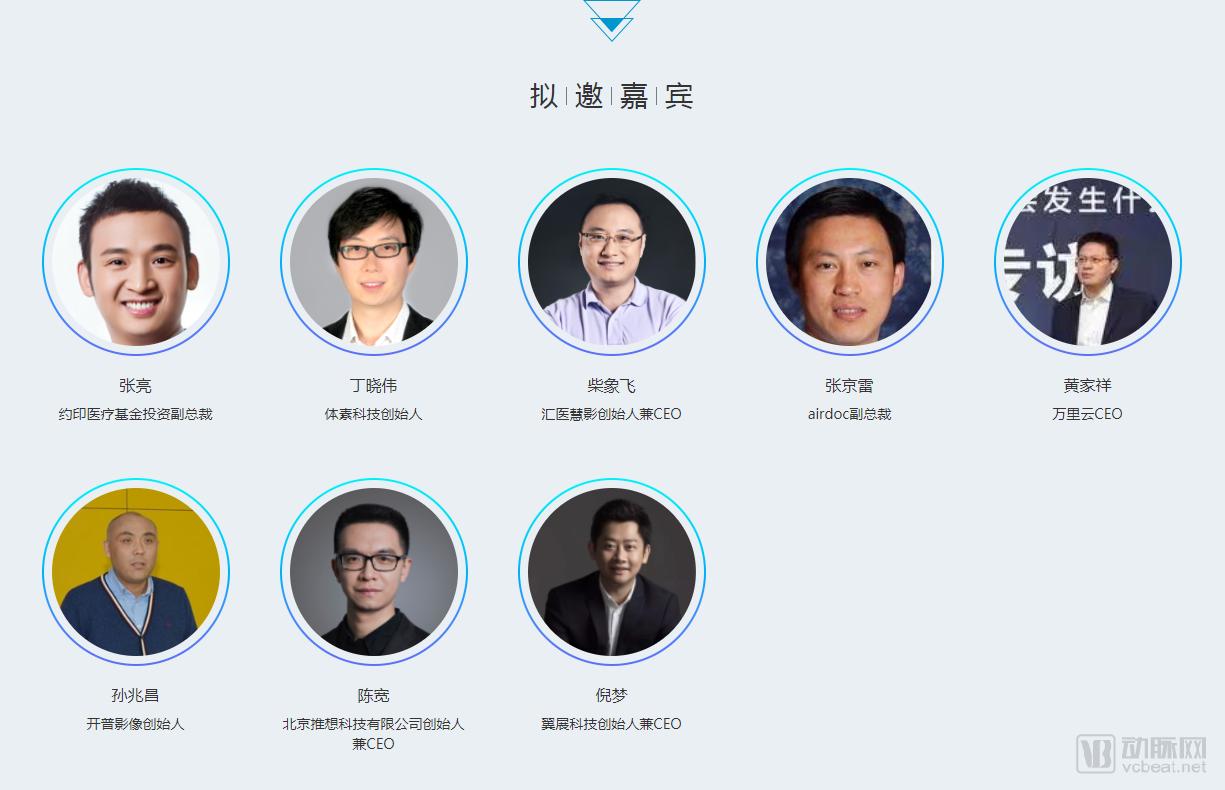
Third-Party Hemodialysis Center Development Forum
“The Issuance of Document No. 67” defines independent hemodialysis centers for the first time, further signaling the state’s encouragement for hemodialysis centers to develop along chain-based and group-oriented lines, as well as its openness to private capital.
What are the chain cooperation models for hemodialysis centers? What are the key points in the approval and practice acceptance processes for hemodialysis centers? How can customer acquisition strategies for hemodialysis centers be developed? This forum will invite leaders from relevant government agencies, managers of hemodialysis centers, senior executives of listed companies involved in the hemodialysis sector, as well as founders of foreign-funded companies and industry startups. The half-day discussion will focus on themes such as the construction and development of hemodialysis centers, and the collaboration and development between hemodialysis centers, hospitals, pharmaceutical companies, and medical device manufacturers.
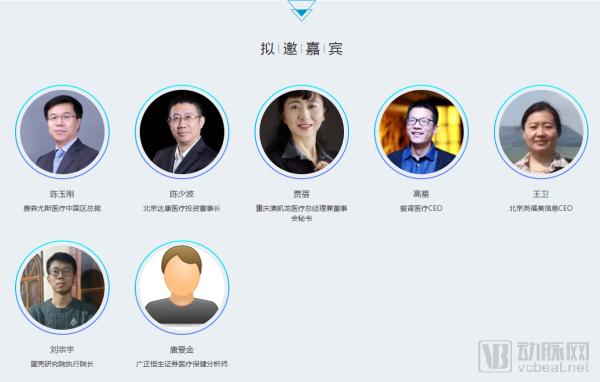
We will invite 1,500 industry professionals to participate in the conference, including:
Special invitation extended to leaders of relevant national commissions and bureaus;
Leaders of local health commissions; heads of departments for medical administration and medical practice management, and primary healthcare; heads of information centers and telemedicine centers; senior executives of relevant health institutions, including those for disease control, maternal and child health care, health supervision, and blood centers.
Heads of various medical consortiums; senior executives, directors of information centers, and other management personnel from medical institutions such as large hospitals, county-level hospitals, community health service centers, and rural health clinics;
Teaching, research, and industry experts engaged in primary healthcare research;
Relevant person in charge of an investment institution engaged in primary healthcare project investments;
Targeting executives of listed healthcare companies, founders of innovative enterprises, and primary care practitioners focused on grassroots healthcare.
We will release three reports covering the following specialized sectors: medical consortia, new-type clinics, and third-party medical services.
As the launch platform for innovation trends in China’s primary healthcare industry, we will release an annual industry trend report at the Primary Healthcare Innovation Practice Summit.
Last year, we released China’s first research report on innovative practices in primary healthcare—“White Paper on the Primary Healthcare Innovation Industry 2017.” It was produced by eight researchers from VCBeat over a period of nearly four months.
This year, we will release three reports covering medical consortia, new-type clinics, and third-party medical services. Stay tuned.
We are seeking the most outstanding primary care cases in China and inviting them to be shared at the conference:
On April 2, 2018, VCBeat and VBInsight launched a call for case studies themed “Seeking Best Practice Cases in China’s Primary Healthcare,” targeting the primary healthcare industry. The initiative focused on addressing prevalent challenges in primary care by selecting innovative practice cases in areas such as medical consortia, chain clinics, health management, pharmaceutical retail, and third-party services.
Outstanding cases will be featured in the “Grassroots Healthcare Innovation Practices” article series and promoted across VCBeat’s official website, official WeChat account, event website, and media matrix, reaching over 1,000 investors and more than 100,000 industry professionals. Selected cases may also be invited to participate in our forums, providing opportunities to connect with industry capital and facilitate multi-dimensional, multi-stage business collaborations. The call for case submissions is currently open.Click here to learn more.
If you are
Government agencies related to primary healthcare, such as the National Health and Family Planning Commission and local health bureaus
Key Coverage: Executives of Listed Companies in Primary Healthcare
Primary healthcare practitioners, including directors of county-level hospitals and heads of community health centers and clinics
Primary Healthcare Solution Providers, Including Equipment, Instruments, Laboratory Testing, Medical Imaging, Pharmaceuticals, and Training Institutions
Family Doctor Promotion Agencies, Including Medical Associations at All Levels and General Practitioner Organizations
Investors Focusing on Primary Healthcare
……
Registration Open

(Registration QR Code)