Every Day of Founding Meihe, I Wanted to Quit: A 60-Year-Old Chief Physician's Entrepreneurial Diary
This article is reprinted from the WeChat official account:Beijing Meihe Eye ClinicAuthor: Yu Gang
On April 25, 2017, I celebrated an unforgettable birthday. On that day, at the age of 60, I officially established Meihe Eye Hospital. In the blink of an eye, a year has swiftly passed, and Meihe has made significant progress thanks to the concerted efforts of the entire team. However, what others may not realize is that since the inception of Meihe, there has not been a single day when I did not contemplate giving up.
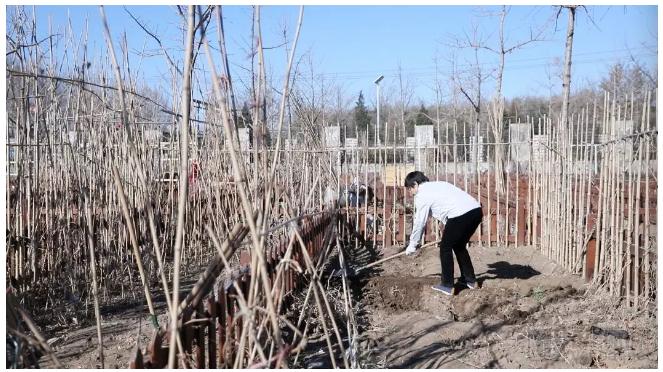
At 5:00 a.m., the alarm clock ruthlessly roused me from my slumber, seemingly oblivious to the fact that I had been preparing lessons until 1:00 a.m. the previous night. Outside, silence still reigned, punctuated only by the faint chirping of insects. After a quick wash-up, I rode my bicycle to the vegetable garden—yes, you read that correctly, a vegetable garden.
In 1997, I came across a serialized feature titled “My Life as a Farmer in the United States” in World Vision magazine. Captivated by the author’s witty and humorous prose, I took note of his name: Tang Shizeng, also known as “Donald Duck.” Later, I read all of his works, including Return to Baghdad and I Crawled into the Pyramids, among others. While Tang Shizeng left a lasting impression on me, I also developed an aspiration to become a farmer. Time flies; it has already been twenty years, yet my farming dream remains unfulfilled.
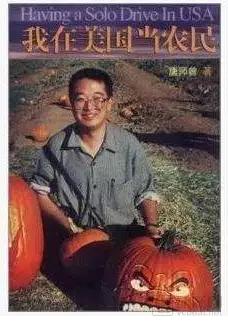
Tang Shizeng: "I Was a Farmer in the United States"
In 2016, I finally managed to rent two plots of land near my home. Overjoyed, I continued to harbor the sweet dream of becoming a vegetable farmer in Beijing after retirement.
I bought everything needed for vegetable gardening: books, seeds, fertilizers, shovels, and hoes—you name it. Later, I founded Meihe, and as work became increasingly demanding and time grew scarce, I still persisted in gardening. It seems to have become my way of relieving stress.
Setting aside the quality of the seeds, watching the seedlings grow from sowing and germination to bearing abundant fruit every day inevitably reminds me of the children who come to us for medical care from all across China and even from overseas; it inevitably reminds me of our young and vibrant team of medical professionals, nurses, and optometrists at Meihe; and it inevitably reminds me of my own life.

(My Two Vegetable GardensChild)
I often reflect that growing vegetables embodies many philosophical truths about life. Nurturing a seed into a mature vegetable is no simpler than leading a team effectively or becoming a competent physician.
Oh, I forgot to mention that last year, President Zhang Feng specially brought me “Mare’s Milk Grapes” from Xuanhua, Zhangjiakou, Hebei Province. He gave me 12 grapevine seedlings; ten of them survived this spring and have already borne fruit.
Meihe Eye Hospital, embodying the essence of beauty and harmony, also draws inspiration from the character “He” (禾), meaning “young grain.” Our team is continuously nurturing it with time, energy, and love, aspiring for it to grow into a towering tree.
“Ding-dong”
A message from Manager Guan of the Customer Service Department appeared on my phone: “Director, the car has been booked. It will pick you up at the community gate at 6:20. There are 70 outpatient visits scheduled for today.” After a quick breakfast, I needed to head out. Standing in front of the mirror, I clenched my fists and said, “Brother Yu, keep it up!” This was a ritual I performed every day before leaving home—a daily dose of self-motivation each morning.
It was only a little over ten kilometers from home to the office. In the early days of my entrepreneurial journey, I spent every commute pondering and wrestling with doubts: Why did I choose to start a business? Could I succeed?
With so many vivid examples before my eyes, numerous academicians and committee chairmen have left the public healthcare system. Stripped of their former prestige as renowned experts and devoid of the once-abundant stream of eager patients, I found myself reflecting before embarking on my entrepreneurial journey: having left the “grand temple” of the Children’s Hospital, can this “old monk” still “chant the scriptures” effectively in a new setting? Although I have been engaged in online and offline health education for nearly 16 years and built a substantial patient base in Beijing, I remain unable to foresee what beauty and promise the future will hold in this era of rapid internet development.
My daily schedule was packed to the brim: seeing patients, performing surgeries, delivering lectures, scouting for new projects, and negotiating with collaborators—I hardly had a moment to catch my breath. When I realized that the team needed to be built from the ground up into a new elite force, I did have moments of regret;
When the chairmen of several major domestic chain eye hospitals and private children’s hospitals personally approached me, inviting me to serve as hospital president and assuring me that my role would be limited to overall hospital management without the need to personally attend to patients or perform surgeries, I hesitated and felt uncertain.
Yet, I have never once considered giving up or backing down.
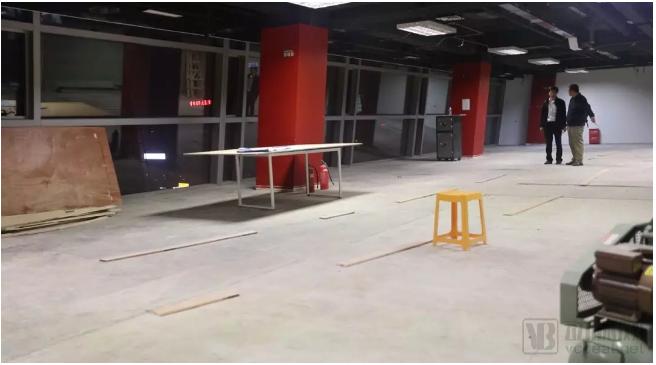
(He Eye Hospital, not yet renovated)
In 2016, Meihe, located in Xizhimen, had not yet taken shape; it was nothing more than a dilapidated, unfinished bare shell with no furnishings or equipment. Staff even had to work in residential buildings near the clinic. Yet, even under such arduous conditions, Meihe already had its followers.
Meihe’s First Batch of Founding Employees: Our Veteran Staff Have Now Completed Two Years of ServiceZhou Yi, Director of Human Resources, still vividly remembers that their first interviews were conducted standing up at Meihe’s construction site. There was no coffee, no sofas, and no comfortable environment; the only companions throughout the interview process were the swirling dust and the pungent smell of paint.
I cannot retreat, nor can I give up, because I must not let down my employees, my team, or my partners.
A year has passed, and my concerns have gradually faded. At the Physician Group Conference in Hengdian, I summarized my reflections on the first year of establishing Beijing Meihe Eye Hospital, highlighting three unexpected outcomes: I did not expect such high demand for premium pediatric ophthalmology services among patients; I did not expect that we could still achieve professional success after leaving the public healthcare system; and I did not expect such strong patient compliance with our care at Meihe Eye Hospital.
A year has passed, and the dilemma faced by the temple and its monks has been resolved. Currently, our surgeries are scheduled two months out, and the daily outpatient volume for some of our experts has exceeded 70 patients.
We initially chose Xizhimen as our location due to its convenient transportation. Many patients travel from other regions, and direct subway access helps reduce their travel burdens. Additionally, the CapitaLand Mall offers comprehensive amenities, and its proximity to the Beijing Zoo and the Beijing Aquarium allows children to enjoy recreational activities during their visit.
No one knew about this modest-sized clinic. Dean Zhang Feng, Director Lang from the Engineering Department, and I spent two full years searching for it. We scoured every ring road, from the Sixth Ring to the First Ring, conducting comprehensive evaluations that covered everything from transportation access to dining, entertainment, and lifestyle amenities. At the time, I asked Dean Zhang Feng, “Did you put this much effort into buying your own home?” He was gnawing on a hamburger and shook his head with a sly smile. Now, whenever I hear Yue Yunpeng’s “Song of the Fifth Ring,” I am reminded of how we hummed that tune while hunting for our location. All those bittersweet moments have since become memories of the past.
Our first all-hands meeting was held in a bare concrete room. Looking around, I saw IT specialists, HR professionals, and media personnel—it seemed like a small but complete setup. The exhilaration of my third entrepreneurial venture kept rushing through my mind, and I failed to realize that, apart from myself, Wu Qian, and Zhang Feng, there were no doctors present.
How difficult is it to establish a clinic step by step? I believe many physicians who have left the public healthcare system to start their own practices can deeply relate to this challenge. Regulatory approval represents the most significant hurdle, encompassing not only medical licensing but also a series of other requirements, including fire safety and general security compliance.
I still remember the first time the Meihe team conducted a live micro-lecture and interacted with patients online. At that time, our clinic was not yet completed, so we crammed into an office in a residential building to deliver the lecture. Nearly several thousand people joined the session simultaneously. After the lecture, our seven experts entered the group chat to answer questions and engage with patients. The course was quite successful, and everyone chatted excitedly.
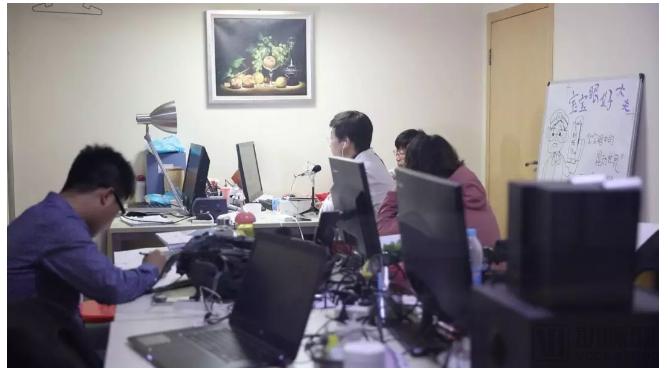
(The rural homestead where we started our business)
"Thud! Thud! Thud!"
At that moment, a heavy pounding on the door was heard. Upon opening it, there stood an elderly man, furious.
“Look at the time! I’m calling 110 to report you! You are seriously disturbing the residents!” It was only after checking the time that we realized it was already 12:30. The young woman from our team pleaded with the elderly man, talking until she was nearly hoarse, before finally calming him down.
However, we still had several live broadcasts scheduled in the following days. As I walked into the office, my heart sank. Once it passed ten o’clock, the young men and women in the office even started walking like models on a catwalk, which looked quite comical.
"Thud! Thud! Thud!"
Another round of knocking, though much lighter this time. I opened the door to find the elderly gentleman from downstairs once again.
“Huh, how come you haven’t been giving lectures recently?”
The elderly gentleman had a kindly demeanor. His question left our team members exchanging bewildered glances, while Zhang Feng snickered off to the side. We later learned that Zhang Feng had secretly gone downstairs to “visit” the gentleman, giving him an 80-yuan “lecture attendance support fee” each time we held our micro-lectures. However, considering the disturbance to neighbors, we eventually moved and never saw that lovable elderly gentleman again.
Having practiced medicine for 37 years, I became a department director at the age of 26 and a hospital president at 34. Throughout that time, I was constantly coddled and revered. At the inception of Meihe Eye Hospital, however, I transformed into an ordinary worker and entrepreneur. As the saying goes, “Climbing up the mountain is hard, but coming down is even harder,” because descending means losing glory and shedding one’s halo. This sense of disparity is perhaps something only entrepreneurs themselves can truly understand.
To purchase cream-colored wallpaper that matched our flooring, Director Lang from the Engineering Department, our graphic designer, and I went directly to the building materials market. Upon entering, we were immediately overwhelmed: wallpaper prices ranged from 100 yuan per square meter to as high as 2,000 yuan per square meter. With no other option, we had to visit store after store, comparing products one by one. That day, we visited nearly 60 independent wallpaper shops. Between Director Lang and me, our combined age exceeded 120 years. Having both been sports enthusiasts in our youth, we each suffered from knee injuries. Nevertheless, we stood throughout the day, continuously bargaining with vendors and haggling over every single cent.
On our final return, we were only about 1,000 meters away from where we had parked, but the two of us were too exhausted to walk any further, so we took a taxi back to the parking lot. I can’t even recall how many times over the past year or more I have visited addresses and reviewed materials entirely on foot.
The designer responsible for the overall aesthetic of Meihe Design Clinic has previously created designs for numerous high-end clinics and hospitals. Even so, after the main decoration work was completed, we still underwent repeated cycles of installation and removal during the later stages. Upon project completion, Director Lang presented a set of mid-process design revisions. Zhang Feng and I were stunned to find that nearly 30 areas had been modified. As the inaugural project of Meihe Ophthalmology, we strove for utmost perfection and minimal flaws. On one occasion, while chatting with Yu Ying, she shared that she had gone through similar experiences and challenges when developing the Amcare Clinic.
Wu Qian, Zhang Feng, and I, the three founders of Baby Eye Doctor Group, all began our careers as pediatric ophthalmologists and have many years of management experience. Logically, launching Meihe Ophthalmology should have been second nature to us. However, our vision was to establish Meihe as a boutique practice, distinct from the traditional tertiary (Grade 3A) hospitals. To achieve this, Zhang Feng and I led our team on study visits to numerous high-end private clinics in Shanghai, Shenzhen, Hong Kong, and abroad. We meticulously photographed every detail—from the clinic’s exterior and staff presentation to medical brochures, and even finer points such as children’s toilet seat cushions and nursing areas for infants. Upon our return, we carefully analyzed and discussed these observations.
Meanwhile, we have repeatedly consulted with pioneers of physician groups such as Yu Ying, Zhang Qiang, Xiao Ming, and Dong Lei, carefully summarizing their experiences and lessons learned in the hope of minimizing detours.
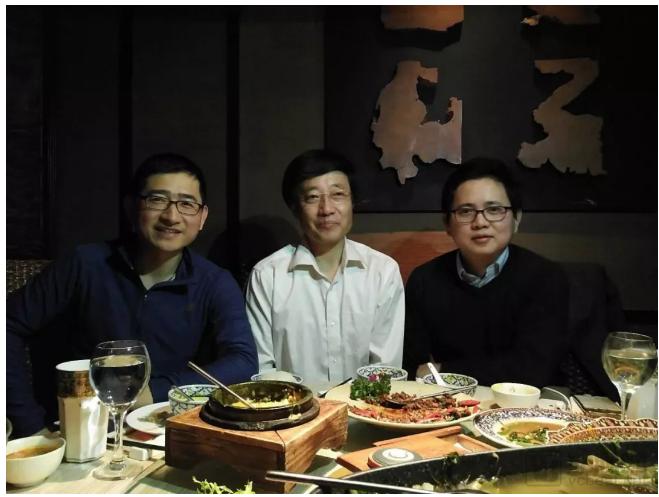
(Zhang Qiang, Gong Xiaoming, and I are in Beijing)
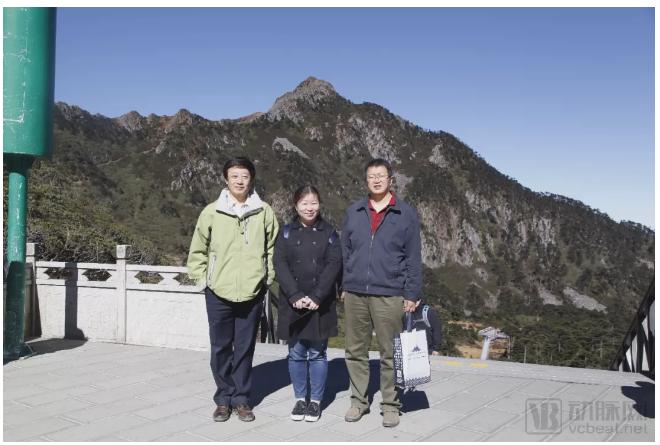
(Me, Zhang Feng, and Yu Ying at Cangshan)
From 2016 to 2017, our team spent roughly half of our time on airplanes and high-speed trains. At times, Zhang Feng and I would pass the waiting hours by playing Gomoku or Chinese chess, finding moments of levity amidst the hardship. Over the course of that year, we continually engaged in a process of self-affirmation, self-questioning, self-correction, and self-adjustment.
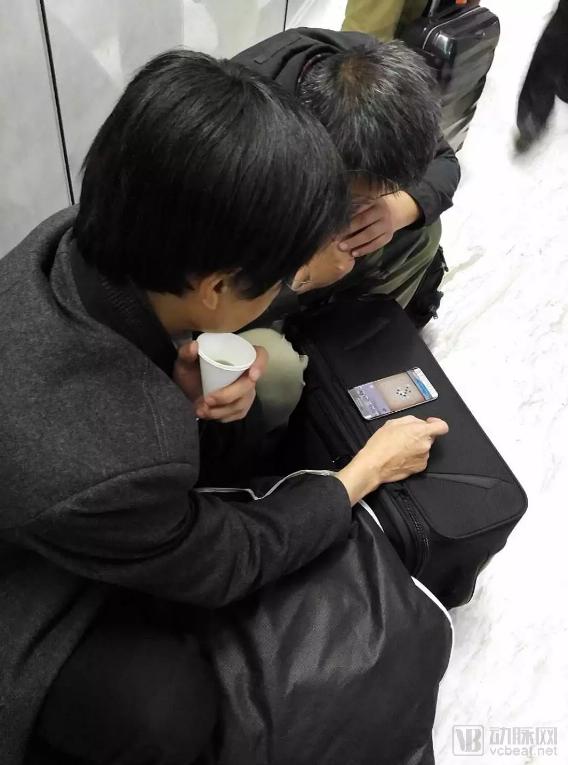
(Zhang Feng and I are playing Gomoku at the airport)
At this year’s Beijing High-End Clinic Entrepreneurship Seminar, I stated that the entrepreneurial spirit of Meihe in 2017 was: dedication, empathy, and time. And Meihe’s entrepreneurial slogan for 2018 was: tolerance for error, tolerance for error, tolerance for error.
“If you call such early efforts ‘hardship,’ then it was only in the days that followed that I truly came to understand what real hardship means.”
Ptosis surgery has long been our team’s strength, but if we remain complacent with merely “doing well,” we will never make progress. From the very first day of my third entrepreneurial venture, I knew that I had to become an “outlier” in pediatric ophthalmology.
"If I am a 'major paranoid,' then Zhang Feng is a 'minor paranoid.'"
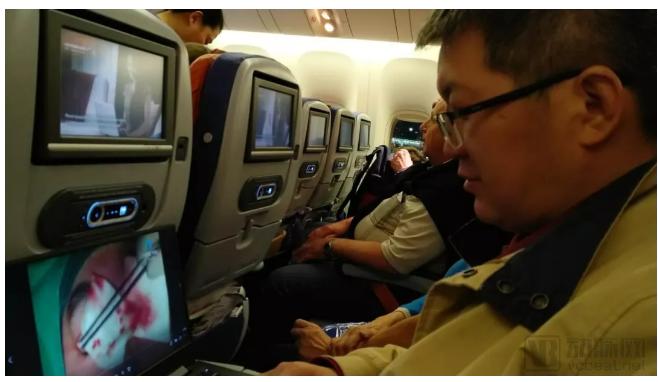
(Zhang Feng was also watching surgical videos on the plane)
Eating, sleeping, outpatient clinics, surgeries, and meetings—this is essentially the norm of life for Zhang Feng and me. We continuously take courses, watch surgical videos, review literature, engage in discussions, and practice. Our journey has progressed from single-sling to double-sling techniques for ptosis correction, from three-point to four-point fixation, culminating in the innovative development of an independent adjustable sling system. We are now capable of adjusting the curvature and height of the operated eye in accordance with facial development as children grow older.
Meanwhile, we have designed an integrated protocol for a quadruple procedure addressing pediatric ptosis, epicanthal folds, and entropion with trichiasis. This approach significantly reduces surgical trauma to the child, minimizes the number of operations required, and spares children from undergoing a second general anesthesia and the discomfort associated with postoperative incision care.
In addition to innovating surgical techniques, we have decided to accept more complex cases of ophthalmic diseases and adult eye conditions. Since the establishment of Meihe Ophthalmology, we have treated a large number of pediatric patients with complex eye disorders. These include cases of failed ptosis repair after three previous surgeries, ptosis associated with congenital craniofacial deformities, ptosis with a palpebral fissure width as narrow as two chive leaves, and complex ptosis characterized by eyelid twitching during meals. Many of these children had endured prolonged disease courses, severe deformities, and unsatisfactory outcomes from prior interventions, leading them to seek medical help from multiple providers without success.
I have witnessed the dawn in Beijing at 4 a.m. and slept on the hardest floors. When I said I wanted to give up for the hundredth time, I chose to stand up for the hundred and first. Stepping out of one’s comfort zone is difficult, but I am determined to provide differentiated medical services—those that tertiary hospitals are unwilling, unable, or reluctant to offer.
The most critical factor in entrepreneurship is people. When I look at the young faces in our team who have come to Meihe from all corners of the country, I feel not only delight but also anxiety. How can I mold this group of young people, with their varying levels of competence and mixed quality, into an elite force? The majority of our team members are post-90s generation. Their thinking is trendy and unique, vastly different from that of our older generation. This thirty-something-year "generation gap" constantly makes me ask myself: Brother Yu, can you really pull this off?
Since we are starting from scratch, let’s take it step by step.
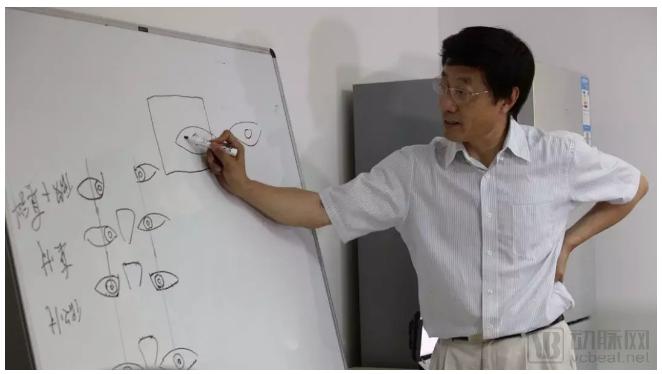
(I am conducting training for the nursing and optometry departments.)
Before Meihe officially opened, Director Wu Qian and President Zhang Feng personally led the training for nurses and optometrists. The training was comprehensive and detailed, covering everything from how to conduct vision screenings for children and interpret optometry reports to how to document medical records. Through continuous training, examinations, and practical exercises, we watched these young professionals gradually grow and mature. However, my concerns also arose. I constantly worried that once they had mastered their skills, they might leave. Amidst this busyness and anxiety, our team expanded: the number of first- and second-line experts reached 10, the optometry team grew to 7, and the nursing team increased to 13. Every nurse and optometrist has become a versatile professional well-versed in internet operations, brand management, medical practice, and optometry.
Anxiety still lingers, but I constantly remind myself that if I give them 200% of my emotional investment and they still choose to leave Meihe, it means that Meihe is not yet strong enough and that I have not been good enough to them. I mentor these young people as if they were my own children, guiding them through farming, swimming, singing, skiing, appearing on television programs, and participating in volunteer teaching and free medical clinics in Tibetan areas at an altitude of 2,700 meters. I encourage them to learn and grow. Each time I see the increasing patient volume in the optometry clinic and the smooth progress of nursing work, I feel the same joy as watching small seedlings grow in a vegetable garden.
I, too, have chosen to let go. Last summer, during the busiest and most staff-intensive period at Meihe, Zhang Feng and I decided to allow two optometrists and two nurses to use their vacation time to volunteer as teachers in the mountainous regions of Qinghai Province. We chose to step back and let them pursue what they truly wished to do. They were away for 15 days, eating steamed buns, sleeping in dormitories, and spending the most brilliant summer of 2017 alongside a group of little angels.
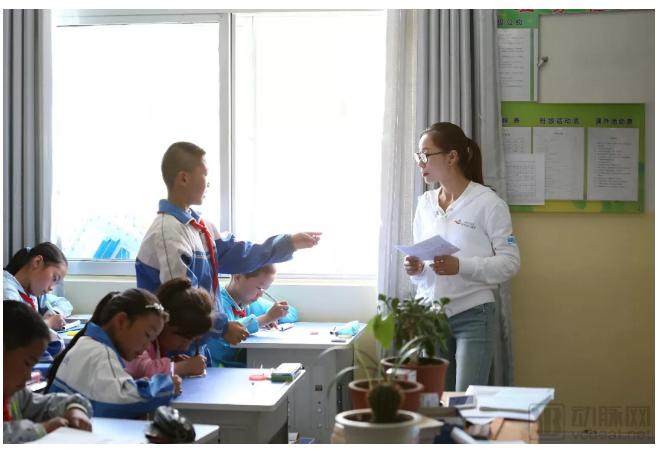
(Zhang Jieying from the Optometry Department is participating in volunteer teaching in Qinghai)
Many friends often joke that the requirements for joining the Meihe team must be very high. In reality, the most important criterion Meihe looks for in recruitment is: character.
Work is never truly finished, yet the nurturing of these children and the cultivation of their humanistic values cannot wait. I hope every member of my staff possesses a heart full of love, for only those who cherish children and respect life can deliver excellent medical care. Each time I see our nurses gently cradling post-operative children and whispering softly to them, I am deeply moved. Though they are not yet married and have no experience as mothers themselves, I am certain they will become wonderful wives and mothers in the future.
Every time I watched Head Nurse Lu lead her team in accompanying children through preoperative experiences—singing songs and dancing the bunny hop as they entered the operating room—I often found myself unable to distinguish who were the children and who were the adults. They accompanied the children in play areas; I watched Head Nurse Lu and the younger nurses carefully ironing tiny outfits for the little surgical patients one by one; medical staff visited the hotels where pediatric patients stayed for evening rounds; when out-of-town parents, worried about their children’s adjustment to a new environment, insisted on cooking for them themselves, Head Nurse Lu even helped them purchase complete sets of pots, pans, and utensils. These caregivers, young at heart, bear few traces of time’s passage. It seems that time itself is reluctant to let these angels in white age too soon.
With Heart, With Emotion, With Time.
These were the closing remarks I delivered at the inaugural National Doctors’ Group Conference, back when I was still at Beijing Children’s Hospital. Later, summarized by Head Nurse Lv, they became a signature motto of the Meihe team. Zhang Feng and I often tell the young members of our team: “The greater the sacrifice you make, the greater the advantage you gain.” Only by making sacrifices can you achieve victory and success. Always learn to think from others’ perspectives. As physicians, we must consider issues from the patient’s point of view in order to become good doctors.
There is a law of attraction in interpersonal relationships: you will always attract people who are similar to you.
For example, my student Pang Xiujie—I always call her “Dr. Fatty” online. Although she is slender and delicate, I enjoy teasing her in this way.
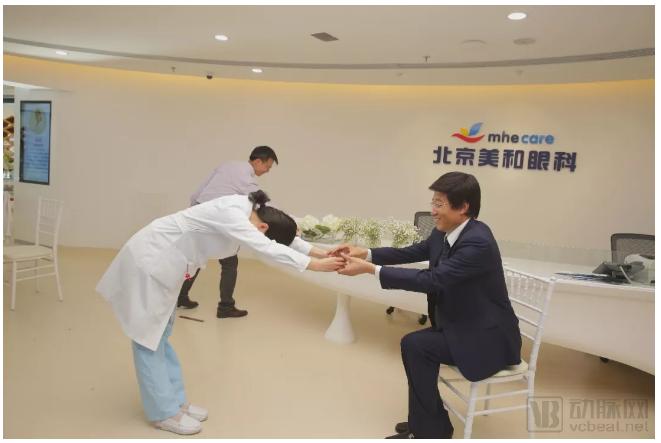
(April 25, 2017, Mentorship Tea Ceremony)
On my birthday last year, which also marked the official establishment of Meihe Eye Hospital, Dr. Pang formally became my disciple under a mentorship ceremony. She is the second student I have officially accepted, following Director Wu Qian. I consider myself to be someone who is extremely persistent in getting things done; President Zhang Feng has jokingly described me as being rather “paranoid.”
My student’s deep affection for her patients and their children has often meant her absence from her own son’s upbringing. She manages numerous patient support groups, and whenever I check the messages, Dr. Pang is always responding to patients’ inquiries. Only I, as her demanding mentor, know just how much time and energy she has devoted. In designing her personal training plan, I gave her no room to breathe: studying theory, mastering surgical techniques, learning doctor-patient communication, taking notes, and writing summaries. We maintain dozens of warm, engaging, and interactive doctor-patient support groups, with nearly 10,000 patients online. Her dedication to answering questions online has undoubtedly cost her countless meals and moments that could have been spent with her son.
I am reminded of the saying, “When Heaven is about to confer a great responsibility on any man, it will first test his mind and will, exhaust his muscles and bones.” I would like to say to my beloved apprentice: Dr. Pang, keep going!
While I was writing this article, a young colleague from our media department asked me, “Director, there’s a show called ‘Back to Field’ lately. Do you have your own ideal life?” It seems that in their eyes, I’ve always been seen as a workaholic.
I have long envisioned my ideal life. I plan to travel the world after retirement. As my father was a soldier and once served as a war correspondent, I was influenced by him from an early age and developed a love for literature. I yearn to trace the footsteps of The Count of Monte Cristo at the Château d'If, revisit the romance of Scarlett and Rhett in Atlanta, explore Shaanxi through the lens of Jia Pingwa, the Sanggan River depicted by Ding Ling, the Snow Country portrayed by Yasunari Kawabata, and West Hunan immortalized by Shen Congwen...
I long to hold my little grandson more often, accompany him as he slowly grows up, and hear him call me “Grandpa” time and again.
I plan to watch, one by one, the Oscar-winning films that have been treasured in my home for years, and organize my scene-by-scene analysis notes...
My close friend and highly respected President of the Optometry Industry Association, Li Jie, is currently engaged in new medical work after retirement. Over drinks, he once told me, “Old Yu, at our age, returning to the fray and starting anew means we are fighting for honor!” Li Jie is an old friend of mine and a younger brother whom I deeply respect. He is about my age, and we have both reached the stage in life where one might expect to stay home and look after grandchildren. But for warriors like us who have spent our lives battling for adult ophthalmology and children’s eye health, if we return home, where else is there a battlefield?
Later, whenever I encountered difficulties or setbacks, I would always recall Brother Li Jie’s words: “Fight for honor!”
A few days ago, I once again came across a book introducing Chu Shijian at Urumqi Airport in Xinjiang. In the past, I have repeatedly read the biographies of Chu Shijian, Wang Shi, and Nelson Mandela. At the age of 75, Chu Shijian began planting oranges, raising seedlings, and building irrigation channels in the Ailao Mountains, naming his product “Chu Oranges.” It was not until he turned 80 that the trees bore fruit for the first time, propelling “Chu Oranges” to nationwide fame. At 50, Wang Shi challenged himself by climbing Mount Everest, and at 67, he chose to return to the public eye, dedicating himself to public welfare and charitable causes. Nelson Mandela endured 27 years of imprisonment, yet it never broke the man who “held fast to freedom amid the storms.”
These individuals, who never cease their struggles, are described by the younger generation as loving to “stir things up.” To me, however, this reflects their refusal to resign themselves to fate. I often draw self-motivation from their stories.
"Stay humble in success; stay resilient in adversity."
Never stop moving forward; always cherish life.
Forever young, forever with tears in our eyes.
"Still Young at Heart After a Hundred Battles, I’m Still on the Entrepreneurial Journey."
Looking back, every day since founding Meihe, I have indeed been making sacrifices—yet what I am giving up is the life I once longed for.
Finally, I return to the editor's question.
Q: What is your ultimate ideal life?
A: I want to go home early to grow vegetables!