

How Shiyan Taihe Hospital Rose as a Leading Municipal Hospital: Building Over 95% Provincial Key Disciplines and Diversified Medical Consortiums in a Decade
When “hospitals” are mentioned, people’s first association is typically with provincial or municipal tertiary hospitals, whereas prefecture-level tertiary hospitals are less frequently discussed and relatively fewer in number, leaving prefecture-level hospitals in an awkward position.
Luo Jie, President of Taihe Hospital in Shiyan City, Hubei Province (hereinafter referred to as “Taihe Hospital”), believes that prefecture-level tertiary hospitals lack the profound heritage of provincial and ministerial-level hospitals and do not enjoy the favorable policies afforded to primary and secondary hospitals, placing them in a somewhat “sandwiched” position. However, the new healthcare reform explicitly calls for the establishment of a grassroots healthcare system led by county-level hospitals, forming a three-tier medical radiation network with county-level hospitals as the lead, township health centers as the backbone, and village clinics as the foundation.
In other words, in addition to providing treatment and emergency care for critically ill patients, county-level hospitals will also assume responsibility for offering professional technical guidance and training to rural healthcare institutions. The government will prioritize the development of county-level hospitals, which will inevitably lead to substantial market growth and establish a new tier within the healthcare market.
““In the future, prefecture-level hospitals may become the ‘mainstay’ of medical institutions,” said Roger.With prefecture-levelThe hospital's existing conditions,Achieving this goal is tooIt was challenging. The darkness before dawn is an inevitable trial on the path to becoming a pillar of strength; with this in mind, he felt at ease.
How can prefecture-level hospitals develop? Perhaps the story of Taihe Hospital offers valuable lessons. In 2008, Luo Jie assumed the position of President of Taihe Hospital;Ten years later, Taihe Hospital emerged as a standout institution. With over 95% of its departments designated as provincial-level key specialties and the establishment of diverse medical consortium models, it has firmly established itself as the leading hospital at the prefecture-level city level.
Over the past decade, how did Roger manage Taihe Hospital? Where did the talent come from? On May 12, at the 2018 China Hospital Development Conference (CHDC) hosted by DXY, he concisely recounted the story of Taihe Hospital in a 30-minute presentation, winning over countless fans.
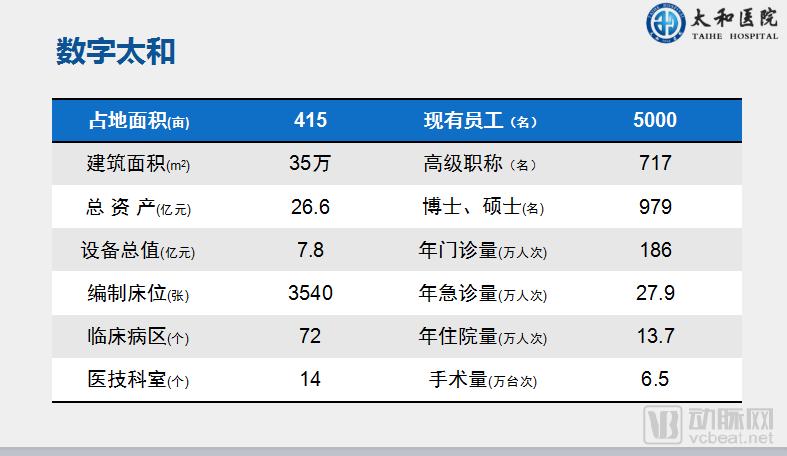
Currently, Taihe Hospital operates one main campus and two branch campuses (the East Campus and the Taiji Lake Campus), with total assets of RMB 2.66 billion, a building area of 357,000 square meters, 3,540 authorized beds, and 5,000 employees.Last year, the hospital recorded over 1.86 million outpatient visits, more than 137,000 discharges, and 27,000 surgeries performed in the central operating rooms, with a rate of 66.25% for level III and IV procedures. Its medical services radiate to six prefecture-level cities and states in the bordering regions of Hubei, Henan, Shaanxi, and Chongqing, covering a population of 26 million."National Civilized Unit" for five consecutive terms,Hailed as one of the Four Major Business Cards of Shiyan.
This is a rare occurrence in China—a hospital being regarded as the city’s calling card. In 1995, the administrative office of Yunyang Prefecture in Hubei Province was merged with Shiyan City, and the hospital was renamed Shiyan Taihe Hospital. The name carries two meanings: first, it derives from Mount Wudang, also known as Taihe Mountain; second, it signifies peace and harmony. Although Shiyan appears to be located at the geographical center of China on the map, its urban development lags behind that of coastal cities.
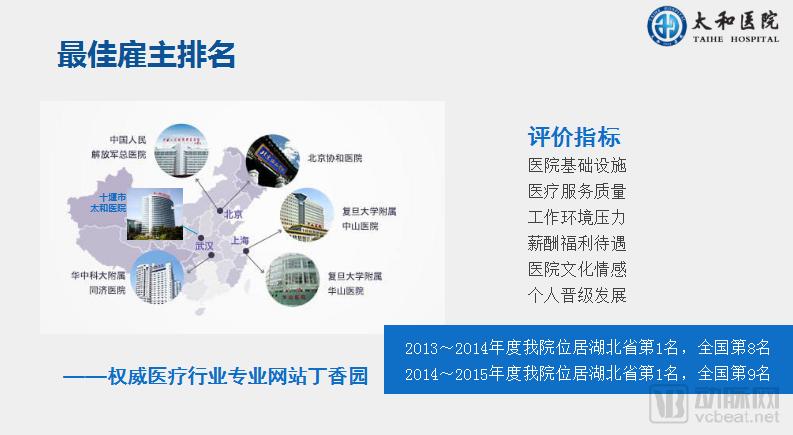
2008, After Roger became the president, Taihe Hospital has won countless awards.For instance, the hospital was ranked 10th in the 2017 China Prefecture-level City Hospital Competitiveness Ranking. In the China Hospital Best Employer Ranking jointly released by DXY and McKinsey, it ranked 1st in Hubei Province and 8th nationwide in the 2013–2014 period, and 1st in Hubei Province and 9th nationwide in the 2014–2015 period.
Among these awards, Roger cares most about the Best Employer selection.This award, evaluated by hospital staff, encompasses six dimensions: hospital infrastructure, quality of medical services, workplace stress, compensation and benefits, hospital culture and emotional engagement, and personal career advancement. A higher ranking indicates a stronger sense of belonging and greater recognition among hospital staff toward their institution.“I believe that employees’ recognition of and sense of belonging to the hospital are the driving forces behind its development.”
In terms of employee management, Roger’s philosophy is to make work vibrant and engaging, life rich and flavorful, and interpersonal relationships grounded in affection and integrity. To this end, he has provided employees with a diverse array of leisure activities, such as flower arranging in early spring, swimming in midsummer, outings in golden autumn, and mountain climbing in mild winters. He has even organized matchmaking parties for single employees born in the 1980s and 1990s at the hospital.
“After the two-child policy was relaxed, our hospital experienced a severe nursing shortage for a period,” said Roger. At that time, nurses would often claim their pregnancies were high-risk once they conceived, requesting leave for fetal preservation, which further exacerbated the staffing strain among medical personnel. In response, Roger introduced a small “Expectant Mother” badge for pregnant staff to wear on their chests, informing patients that they were receiving care from a pregnant healthcare provider. This simple change touched many patients.
Roger also adopted a strategy of extending care to employees’ families, thereby thoroughly addressing their concerns. Benefits available to employees’ families include assistance with children’s school enrollment, family health experiences, holiday childcare services, outpatient care for employees’ children, and an annual complimentary health check-up. As the workforce expanded, although employees could consult specialists when seeking medical care for their families, these specialists did not necessarily know the employees personally. To address this, Roger established a private outpatient clinic exclusively for employees, where renowned specialists take turns providing consultations, thereby meeting the healthcare needs of younger staff members.
Meanwhile, he mandated that all department heads must personally apply for overseas advanced studies and, upon their return, present their learning insights to the entire hospital to ensure that the training is substantive rather than merely formal. All logistical and administrative staff were also sent out for training, as effective logistics management is crucial for improving efficiency and reducing costs.
Roger earned the trust of his staff through concrete actions. As a result, employees will be more dedicated in serving patients, and patients will place greater trust in Taihe Hospital.
Not only that, he also boldly improved the hospital's hardware facilities. All ambulances in the hospital were replaced with gasoline-engine vehicles to prevent starting failures in mountainous areas during winter. Any vehicle reaching 150,000 kilometers must be retired, ensuring that patient treatment is never delayed due to vehicle issues.
It is evident that a hospital’s development hinges on the trust of both its employees and patients, which serve as the cornerstones of its growth. Roger believes that patients “vote with their feet” when choosing a hospital. Only by striving to enhance its clinical disciplines can a hospital build the capacity to manage more complex and challenging cases, alleviate patients’ suffering, ensure medical quality and safety, and ultimately earn patients’ trust.
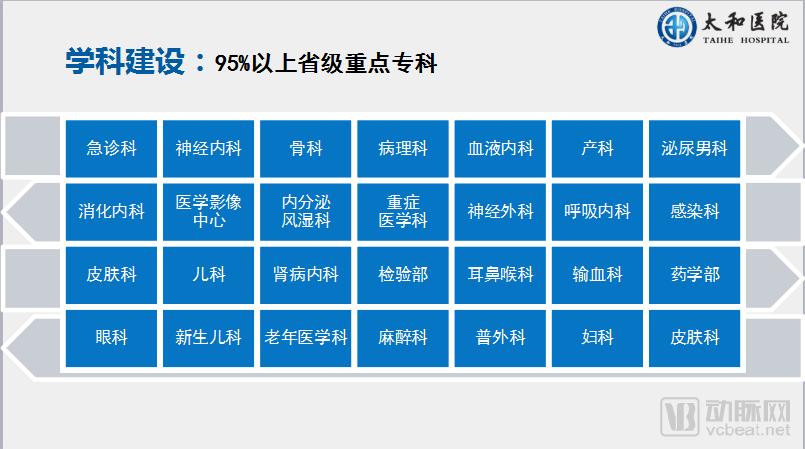
Roger believes that “discipline construction is a crucial component of hospital development; strong disciplines make a strong hospital, and vice versa.”On the one hand, the hospital’s completion of provincial-level key discipline construction can also urge department directors to devote more effort to disciplinary development. On the other hand, department directors aspire for their specialties to attain academic standing within the region, progressively elevating their academic stature from the prefectural city level to the provincial level, and ultimately to the national level.
Taihe Hospital’s emphasis on discipline development can be traced back to its founding.In 1965, 53 medical staff members from the former Wuhan Medical College (now Tongji Medical College of Huazhong University of Science and Technology) and its affiliated hospital relocated with their families to the mountainous region of northwestern Hubei Province, where they established the Yunyang Prefectural People’s Hospital.Tongji Medical College has always placed great emphasis on building academic frameworks within its affiliated hospitals; naturally, Taihe Hospital has inherited this genetic trait.
According to Roger’s recollection, in 2001, the theme year for Taihe Hospital was “Year of Discipline Development.” At that time, as the hospital promoted discipline development, it encountered a question: should all disciplines be developed simultaneously, or should selected disciplines be prioritized?The final objective is "achieve a breakthrough at a single point and use it to drive broader progress."
Two years later, Hubei Province launched the first round of evaluations for key specialized departments. Taihe Hospital participated in this initiative, and within the four-year period leading up to 2005, “11 disciplines at our hospital were designated as Key Specialized Departments of Hubei Province.”
By 2008, after Roger assumed the role of hospital director, he vigorously promoted the development of key disciplines, primarily through two approaches: first, identifying which disciplines to prioritize; and second, recruiting suitable talent.This coincided with Hubei Province’s selection process for the second three-year cycle of key disciplines. The regulations at the time stipulated that no two hospitals within Hubei Province could simultaneously apply for key discipline status in the same specialty. For instance, if the neurosurgery department of one hospital had already been designated as a key discipline, other hospitals would be ineligible for the same designation. Furthermore, no single hospital could have more than six provincial-level key specialties accredited within the same cycle.
Although Roger found these regulations unreasonable and voiced his objections, he ultimately complied with them. Subsequently, during the second cycle, Taihe Hospital followed this model, resulting in six additional specialties being designated as provincial-level key specialties.
It was not until after 2012 that Hubei Province completely lifted the restrictions on the number of provincial-level key clinical specialties that could be designated. Seizing this opportunity, Luo Jie submitted all clinical departments at Taihe Hospital for evaluation as provincial-level key specialties. Although he faced significant pressure at the time, he was determined to proceed. During the “13th Five-Year Plan” period, he had made a firm commitment: 99% of the hospital’s clinical departments were to achieve designation as provincial-level key specialties. While some weaker departments might not successfully attain this status, all others were required to meet the provincial standards.
To alleviate the pressure on department heads, Roger divided the fundamental pathway for building key disciplines into five steps: Positioning, Direction, Pathway, Customization, and Resilience.First, pinpoint the specialty’s development position and establish benchmark performance metrics; second, define the target diseases, technologies, and the desired level of proficiency; finally, formulate an implementation plan, conduct regular assessments, and encourage and urge department heads to persist.
During this process, he also formulated guidelines for the development of specialty classifications, categorizing specialties into four groups: A, B, C, and D. Corresponding financial support was allocated to each category. For instance, Category A specialties receive an annual funding allocation of RMB 3 million to the department head, which can be used for personnel training or equipment procurement. This initiative serves as a breakthrough point to motivate department heads, leveraging key areas to drive comprehensive progress, with the aim of achieving full coverage of provincial-level key specialties and striving to meet the standards for national-level key specialties.
Roger has devoted considerable effort to talent recruitment and has gained profound insights from the experience.He believes that the recruitment and development of personnel must align with the hospital’s culture, and that employees must embrace this culture. “We generally do not recruit high-profile ‘stars,’ as they are difficult to retain. Furthermore, we cannot compromise institutional rules for the sake of any single individual, as this would be unfair to others.”
In Roger’s view, only after a new hire has fully embraced the hospital’s culture would he devote his utmost efforts to cultivating that individual, thereby enabling them to make greater contributions on the hospital’s platform. “If in the future they encounter a more suitable platform where they can leverage their capabilities to a higher level, I am also willing to let them go.”He views this recruitment strategy as akin to the ancient concept of marriage, which emphasized matching social and economic status. By extension, it means making full use of each individual’s talents and ensuring that talent is utilized to its fullest potential.This individual has been unable to fully leverage his capabilities on your platform, representing a failure to make optimal use of talent. His willingness to showcase his expertise on a more prominent platform is a positive development. In this process, he has also contributed significantly to the talent pipeline for Beijing, Shanghai, and Guangzhou.
Through Roger’s efforts, over 95% of the provincial-level key disciplines at Taihe Hospital have been established, including Gastroenterology, Nephrology, Pediatrics, and Ophthalmology.In terms of talent teams, there are 717 professionals with senior titles and 979 individuals holding doctoral or master's degrees.Seven experts enjoying the State Council’s special allowances, six Hubei Province experts with outstanding contributions, four experts receiving special allowances from the Hubei Provincial People’s Government, two national-level key experts, two talents under the Hubei Province “Hundred Talents Program,” and one leading medical talent in Hubei Province.There are 12 staff members at the National Level II positions and 16 at the National Level III positions.A total of 10,546 papers were published in journals indexed in the Statistical Source Journals of the Ministry of Science and Technology of China or higher-tier publications, including 663 SCI-indexed papers, and 813 monographs were published.
In addition to prioritizing discipline development, Roger also places particular emphasis on the quality and safety of medical care.He believes the key is to put the right people in the right place at the right time, doing the right things.The Path of Quality Construction at Taihe Hospital Is as Follows:
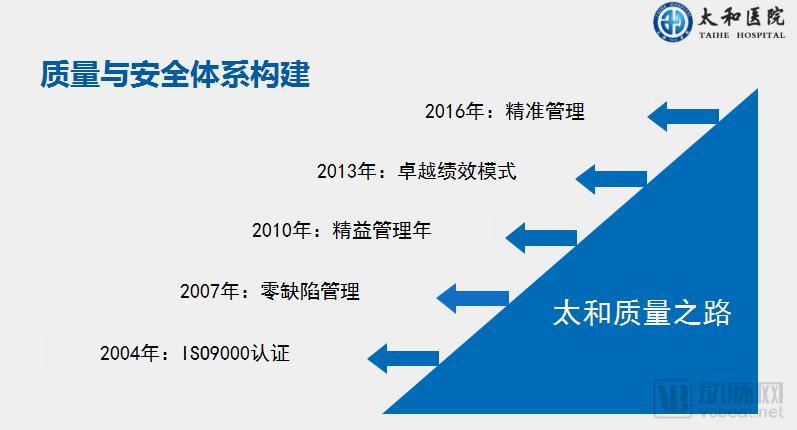
He introduced ISO certification in 2004, followed by the implementation of Zero Defects management. “We regard zero defects as a goal and an ideal state; achieving it requires a commitment to continuous improvement.”
As management deepened, Roger successively introduced lean management, the performance excellence model, and precision management. He believes that hospital quality management is a system, and managers must possess systematic thinking and an understanding of interconnections to effectively manage a hospital.
In his view, management approaches must evolve in accordance with the different stages of a hospital’s development. For instance, the framework established in 2013Performance Excellence Model, which covers seven aspects: leadership; strategic planning; customer focus; measurement, analysis, and knowledge management; workforce focus; operations focus; and results.This is a relatively comprehensive management system, serving both as a management methodology and a management philosophy.
In terms of knowledge management, the key issue Roger sought to avoid was having a single individual dictate the development, rise, and fall of an entire department.Generally, a hospital department may have only one leading expert; if this physician leaves, the hospital will also suffer a loss of resources.
Roger’s strategy was as follows: “Take cardiac surgery as an example. At that time, only the department chief could perform aortic dissection surgery, so I clearly communicated two points to him:One is that even during holidays, his range of activity is limited to within a one-hour drive from the hospital."Performing this surgery is a race against time. What if the patient arrives and you're not here, and we can't save them?"Another is that you must mentor an apprentice,“You are not in the hospital, and your apprentice can also perform the surgery. This way, there will be two people capable of performing this procedure, effectively mitigating the risk that a single individual could impact the development of an entire department.”
During Roger’s sharing session, he mentioned the following statement:Since 2013, Taihe Hospital has implemented various models of medical consortia. It has formed close-knit medical consortia by taking over the management of four hospitals (Yunyang District People’s Hospital, Shennongjia Forestry District People’s Hospital, Yunyang District Hospital of Traditional Chinese Medicine, and Zhuxi County People’s Hospital), merged with Wudang Mountain Tourism Special Zone People’s Hospital, established a supportive close-knit alliance with Xiyuan Hospital, created 20 specialized alliances, and assumed management oversight of five specialized departments.
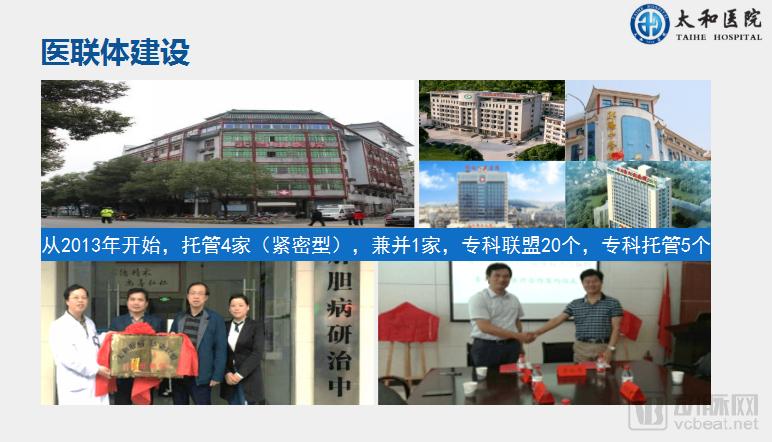
In fact, it was only after the General Office of the State Council issued the “Guiding Opinions on Promoting the Construction and Development of Medical Consortia” on April 26, 2017, that the specific development framework for medical consortia was formally established. The tightly integrated medical consortium model was vigorously promoted nationwide just before the Two Sessions this year, whereas Roger’s establishment of a tightly integrated medical consortium predated this by a full five years.
In response to the reporter’s questions, Roger offered the following explanation: Previously, Hubei Province launched the “Ten Thousand Physicians to the Countryside” initiative, a substantive and significant effort aimed at improving rural healthcare services and safeguarding farmers’ health. Under this program, physicians from large tertiary hospitals were dispatched to provide targeted assistance and support, with tertiary hospitals also assigned to offer counterpart support to secondary hospitals. “At that time, our hospital was assigned to provide counterpart support to two institutions: Yunyang District People’s Hospital and Zhuxi County People’s Hospital.”
In the process of paired assistance, superior hospitals are tasked with various performance assessments and subject to non-random inspections. However, this administratively mandated approach has yielded poor results, as it meets with resistance from both the directors of recipient hospitals and the dispatched physicians. The underlying reason is that while these physicians can perform multiple surgeries per day at their home institutions, they often find no surgical cases available at the assisted hospitals. This practice constitutes a waste of medical human resources and hospital management capacity, while also hindering the professional development of the physicians themselves.
Roger pondered how to execute this initiative effectively. Coinciding with the national rollout of tiered diagnosis and treatment, which necessitates the establishment of medical consortiums for success, he proposed leveraging paired assistance programs to build such consortiums in targeted regions. This approach not only fulfilled mandatory government directives but also strategically positioned the organization within the medical consortium framework ahead of schedule, achieving a dual benefit.
Since he decided to pursue the medical consortium model, he opted directly for a tightly integrated medical consortium. This is because loosely affiliated medical consortia are often nominal in name only, rendering such efforts futile. Following this rationale, he presented his proposal to the hospitals involved in paired assistance programs and insisted on securing three key rights: operational management, personnel administration, and distribution authority. All other aspects, including historical property relationships and organizational ties, would remain unchanged.
In this way, Roger was able to help these hospitals reposition themselves from a holistic perspective. As the saying goes, “One does not know the true cost of household necessities until one manages the home.” After taking charge of these hospitals, he carried out a reallocation of resources. In this process, operational management rights, distribution rights, and personnel management rights are essential for the internal operation of a closely integrated medical consortium; therefore, the hospitals were highly supportive.
To incentivize these hospitals, he proposed allocating a portion of the profits from their operational growth to Taihe Hospital, with these funds ultimately being reinvested into the local hospitals for discipline development.
When providing assistance to subordinate hospitals, Roger adopted a two-step approach: first, helping the hospital establish its brand, and second, cultivating and developing talent. Specifically, he appointed key members of the management team, including the president, vice president, director of the medical affairs department, director of the nursing department, chief of finance, and chief of human resources. Additionally, he dispatched an expert team from Taihe Hospital, which formulated a strategy of “focusing on both ends to drive the middle,” tailored to the strengths and weaknesses of the assisted hospital’s disciplinary development.
The so-called “grasping both ends” strategy refers to strengthening the hospital’s already strong disciplines, using them to support weaker ones, and thereby elevating the intermediate-level disciplines. In 2013, when Hubei Province evaluated key specialty construction programs, 11 specialties at this hospital were designated as provincial-level key specialties in Hubei—a testament to the achievements realized over five years of assistance provided by Luo Jie.
Roger concluded, “When it becomes difficult to fulfill government-mandated tasks, we observe emerging trends and align our actions accordingly. This principle applies to all endeavors: going with the flow can yield twice the results with half the effort.”
In addition to providing assistance to Yunyang District People's Hospital,The Shennongjia Forestry District People's Hospital No. 2 has also joined Roger’s trusteeship team.This hospital has implemented numerous initiatives, itsThe most popular measure among the public was keeping dialysis patients at the hospital.Given that the journey from Shennongjia Forestry District People’s Hospital to the municipal hospital takes over three hours, dialysis patients must travel to Taihe Hospital at least two to three times per week.
In fact, dialysis is a relatively standardized diagnostic and therapeutic procedure, making it unnecessary to subject patients to such hardship. Therefore, after taking over the hospital’s management, Roger prioritized the establishment of a dialysis center, enabling local dialysis patients to receive treatment without leaving their county. This initiative greatly satisfied residents by addressing their most immediate and vital healthcare needs.
Furthermore, the People’s Hospital of Shennongjia Forestry District faced a shortage of cardiologists. In response, Luo Jie established a remote consultation center, initially named the “Borderless Hospital.” The concept aimed to dismantle the physical barriers of the hospital by leveraging internet connectivity to assist with image interpretation and address their clinical challenges.
In this way, talent has been cultivated for the local hospital, while further enhancing the brand visibility of Taihe Hospital. Previously, Roger believed that Taihe Hospital was a household name in the local area, known to everyone including women and children. In reality, however, this was hardly the case in rural communities. After taking over the management of the local hospital, residents have come to recognize the high quality of care provided by Taihe Hospital, which now brings expert medical services directly to their doorstep.With top-tier specialists performing their surgeries and fees charged according to the rate schedule for secondary hospitals, such facilities will undoubtedly become the preferred choice for patients in the future.
According to statistical data from the Medical Administration and Hospital Management Bureau at that time, under the assistance of Taihe Hospital, the number of outpatient and emergency visits and inpatient admissions at Yunyang District People's Hospital increased by 13.33% and 7.87%, respectively, compared to the same period last year.
In the development of medical consortiums, Roger believes that lead hospitals should focus on enhancing their brand image and assisting lower-tier hospitals in cultivating and identifying talent, rather than fixating on the financial benefits brought to the hospital by the consortium. “We have trained three presidents of tertiary hospitals and multiple vice presidents of tertiary hospitals.”
Through the establishment of medical consortia, he hopes to help more people understand not only the superficial prestige enjoyed by hospital presidents but also the underlying uncertainties they face, and to recognize the challenges involved in establishing and managing a hospital.
A hospital’s greatest resources and strengths lie in disease treatment, but this also limits its perspective. Hospitals often focus solely on treating diseases, neglecting pre-illness prevention and health management, as well as post-disease rehabilitation, let alone wellness care and elderly care.
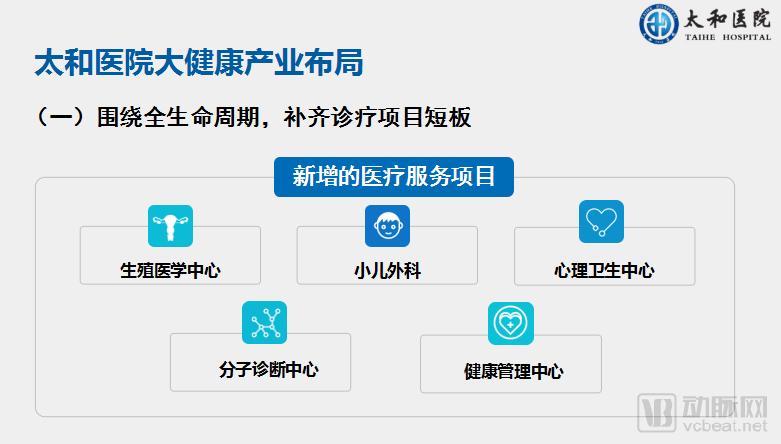
Therefore, Roger proposed that Taihe Hospital’s future development should encompass the entire life cycle. He believed this approach aligns with prevailing trends and has established a health care system spanning from birth to end-of-life care, aiming to address all health-related concerns for patients.He primarily achieves this in five steps:
First, focus on the full life cycle to address gaps in diagnostic and therapeutic services;
2. Align with the needs of inpatients and provide rehabilitation medical services;
3. Develop maternal and infant care services in response to the two-child policy;
Fourth, develop integrated medical and elderly care services to address population aging;
5. Leverage local resource advantages to develop health and wellness services.
Guided by this development philosophy, he established nine categories of medical services, including reproductive medicine, obstetrics, neonatology, and pediatrics; and six categories of health services, encompassing postpartum care centers, preventive healthcare centers, mental health centers, health screenings, genetic testing, health management, wellness and health preservation, and integrated medical and elderly care.
Taking the Reproductive Medicine Center as an example, it was established in July 2008. It began offering intrauterine insemination (IUI) using husband’s sperm in June 2010, obtained qualification for the Prenatal Diagnosis Center in 2012, and launched in vitro fertilization-embryo transfer (IVF-ET) and intracytoplasmic sperm injection (ICSI) techniques in February 2015. Currently, services offered include IUI with husband’s sperm, IVF (“test-tube baby”) technology, ICSI, testicular/epididymal sperm aspiration, systematic evaluation and treatment of recurrent miscarriage, lymphocyte immunotherapy, fluorescence in situ hybridization (FISH) on abortive villi, non-invasive chromosomal aneuploidy testing, and monogenic disease testing.
Meanwhile, a shopping mall adjacent to Taihe Hospital went out of business; it was acquired and redeveloped into a specialized hospital—the Children’s Medical Center. With 257 beds and nine specialty departments, it is the largest children’s medical center in Hubei Province, excluding Wuhan City.
According to Luo Jie, leveraging Shiyan’s local resource advantages, he will also develop health and wellness services. The Taiji Lake Health Medical Center is currently under preparation; construction commenced in September 2015, with a planned opening in 2018. The facility will have a total floor area of 120,000 square meters and will be completed in two phases. The center will provide comprehensive medical care, health management, and health and wellness programs, and its health management initiatives will be carried out in collaboration with the Canadian Health Management Center.
How Should Prefecture-Level Hospitals Position Themselves? This is a challenge faced by all public hospitals at the prefecture level, and even large non-affiliated hospitals in provincial capitals share this dilemma.
During the initial phase of implementing medical consortiums, one criticism was that lead hospitals were using this model to siphon off patients. However, Luo Jie believes that patient siphoning has little to do with whether or not a medical consortium is established, as this phenomenon occurs across major hospitals regardless. For instance, prestigious institutions in Hangzhou—such as The First Affiliated Hospital of Zhejiang University School of Medicine (Zhejiang First Hospital), The Second Affiliated Hospital of Zhejiang University School of Medicine (Zhejiang Second Hospital), and Sir Run Run Shaw Hospital—serve as beneficial resources for patients throughout Hangzhou City and even Zhejiang Province. Patients willingly choose these facilities, a trend that is largely independent of the medical consortium framework.
For other less-renowned tertiary hospitals, however, such positioning is awkward, a predicament caused by policy. As is widely recognized, healthcare reform aims to establish a three-tier diagnosis and treatment system with county-level hospitals at the forefront, thereby excluding prefecture-level city hospitals. Provincial capital hospitals, particularly well-known Grade A tertiary hospitals, possess substantial historical foundations. Hospital development requires accumulated experience; it takes a long time for a hospital to build up its strengths before achieving significant breakthroughs. This also explains why hospitals initially established by social capital often struggled to perform well.
Roger stated that to change the awkward position of prefecture-level hospitals, they must actively adapt to and integrate into various policies of healthcare reform. You need to build a three-tier diagnosis and treatment system with county-level hospitals as the leaders; I will help you construct it. Why help him build it? The provincial capital's hospitals are too far from county-level hospitals. This distance cannot be bridged by policy alone, nor can it be overcome simply through emotional ties or financial incentives, due to the significant natural physical distance involved.
Why did Roger joke today that prefecture-level hospitals are the mainstay? In fact, they can connect with large provincial capital hospitals above and maintain close ties with county-level hospitals below. This is the positioning of prefecture-level hospitals.After integrating into the broader wave of healthcare reform, he helped prefecture-level hospitals establish medical consortiums led by the hospitals themselves, providing end-to-end support and assistance. He adopted a collaborative approach—handling tasks beyond your capacity while empowering you to manage what you could—which effectively resolved the currently awkward position imposed by policy constraints.
Current healthcare reforms are impacting public hospitals, affecting institutions at all levels. The key lies in how hospital leaders leverage operational strategies to mitigate these impacts—for instance, by increasing surgical fees and registration fees.Subsidies are also available in various regions,The standard subsidy ratio is “80%, 10%, 10%,” with some cases adopting a ratio of “90%, 5%, 5%.”
However, the remaining revenue must still be improved through operational efforts. Roger believes that there are essentially two key points: first, controlling hospital costs, as there is significant potential to optimize management costs in public hospitals.
For example, every hospital has photocopiers. One copier is certainly insufficient, especially when graded hospitals face accreditation reviews and need to reproduce substantial amounts of documentation. Thus, if one is not enough, they purchase two; if two are still inadequate, they add a third. Once the number of photocopiers increases beyond what one person can manage, additional staff become necessary. These two individuals must have a designated leader who establishes rules and regulations. Clearly, an increase in the number of photocopiers leads to issues, such as the unauthorized copying of both official and personal documents. Therefore, management policies must be formulated to explicitly prohibit certain types of copying, and procurement procedures for consumables must be subject to competitive bidding.
This is what Roger referred to as the waste of costs, human resources, management, and consumables brought about by a single photocopier. By thinking differently, would it not be more convenient to eliminate the photocopiers altogether and outsource these services to third-party providers?
“Yes, given the abundance of small copy shops in the community, public hospitals could openly tender these services. Vendors would submit bids, and the contract would be awarded to the provider that delivers high-quality, rapid printing, offers on-call availability with overtime capacity, and provides competitive pricing. This approach eliminates the need to appoint dedicated managerial staff or establish complex administrative protocols. Therefore, Roger believes that if public hospitals are managed diligently, many costs can be eliminated. ‘We have cut many such costs, thereby achieving effective cost control.’”
Second, employee incentives must be effectively implemented, particularly for experts.As long as medical personnel earn their income through labor, hospitals should provide them with a decent wage. Such a respectable income would make doctors feel valued in their profession, naturally eliminating any ulterior motives.