

Deshengtang's 20-Year Evolution: From Gansu to Nationwide, from Retail to Full-Service Pharmaceutical Ecosystem
“With industrial capital making significant inroads into the pharmaceutical retail sector, industry competition has intensified, giving us a strong sense of urgency. In the face of such competition, you either drive the pace or are pushed by it; the latter signifies that you have fallen behind and will soon be eliminated by latecomers,” said Long Yan, founder of Gansu Deshengtang Pharmaceutical Technology Group Co., Ltd.
Recently, VCBeat (WeChat ID: vcbeat) interviewed Long Yan, founder of Deshengtang, discussing the company’s nearly 20-year development journey, its current business layout, and future growth plans. Long Yan also shared his insights on hot industry topics, such as significant capital investments in pharmaceutical retail, retail pharmacies accommodating prescription outflows, new pharmaceutical retail models, and the upgrading and transformation of retail pharmacies.
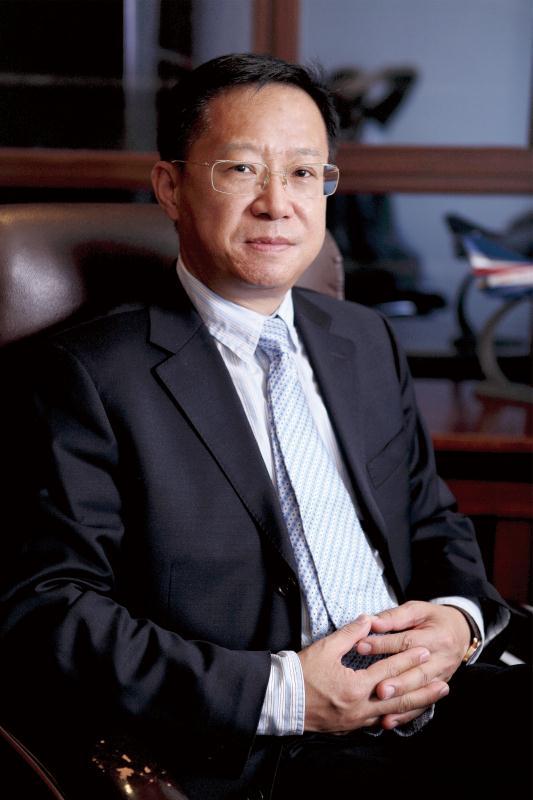
Long Yan, founder of Deshengtang. Photo provided by the company
Long Yan told VCBeat that Deshengtang was founded in 1999, starting out in Jinchang, Gansu. At that time, pharmaceutical retail had not yet been fully liberalized, making Deshengtang one of the first pioneers to venture into the market.
In 2001, with the liberalization of pharmaceutical retail, Deshengtang began its chain-store expansion. In 2004, Deshengtang entered Lanzhou, the provincial capital of Gansu Province, and established “Gansu Deshengtang Pharmaceutical Wholesale Co., Ltd.,” marking the start of its rapid expansion across the province. By 2009, the number of Deshengtang stores had exceeded 100. This constituted the first phase of Deshengtang’s development.
In 2009, Deshengtang entered the Beijing market by establishing “Beijing Shidai Qianfang Pharmacy Co., Ltd.” and launching the “111 Medical Hall” brand, marking the beginning of the second phase of Deshengtang’s development.
Regarding the rationale behind launching the “111 Pharmacy” brand, Long Yan stated that the market was saturated with pharmacies using the suffix “Tang” (Hall). Adopting this name allowed for market differentiation and distinct development. Concurrently with the new brand launch, Gansu Deshengtang Pharmaceutical Technology Group Co., Ltd. piloted its online pharmacy business under the “111 Pharmacy” brand, ensuring consistency between online and offline channels and building brand equity.
Currently, Deshengtang’s business spans multiple sectors, including pharmaceutical retail, pharmaceutical wholesale, medical services, internet-based B2C, B2B, and O2O platforms, telemedicine, and franchise recruitment. It also owns its proprietary hearing aid brand “Xianyin” and the male wellness brand “Zidanfei” Liuwei Dihuang Wan, thereby achieving comprehensive development across the entire pharmaceutical industry chain.
Longyan stated,Currently, Deshengtang operates over 600 chain stores across more than 30 cities in nearly 20 provinces and municipalities throughout China, with a workforce of over 4,000 employees who have received professional pharmaceutical training.In addition, it owns one hospital, multiple medical institutions, and numerous high-quality projects and brands, and has established its own R&D and management centers in Beijing and Lanzhou.
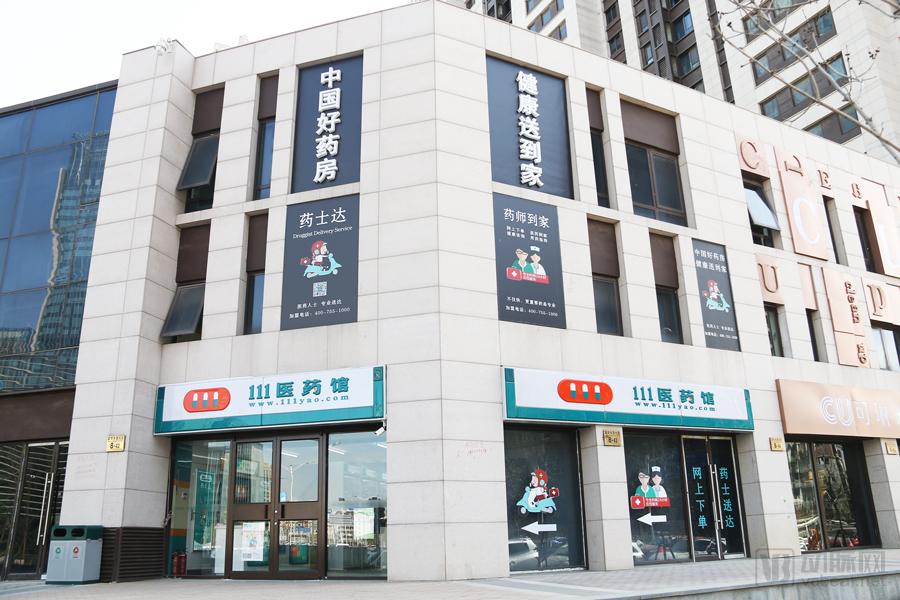
“111 Medicine Hall” under Deshengtang. Photo provided by the company
From Gansu to the National Market, from a Single Retail Pharmacy to Development Across the Entire Pharmaceutical Industry Chain: What Is the Secret Behind Deshengtang’s Growth, and Why Has It Stood Out Among Numerous Chain Pharmacies?
“Quoting a recently popular phrase, ‘Stay true to our original aspiration and forge ahead with determination,’ we must first ask ourselves why we are doing this and clarify our reasons for setting out before expanding. Deshengtang’s mission is to provide customers with omni-channel pharmaceutical and healthcare services, allowing health products to flow into every household like water, and making Deshengtang truly the ‘good health neighbor’ of community residents. With an unwavering commitment to fulfilling this mission, we will continue to grow,” said Long Yan.
“Running a business is like leading an army: uniting under a shared mission while leveraging new technologies to equip the team, thereby fostering cohesion, combat effectiveness, and sustained growth momentum.”
According to incomplete statistics from VCBeat, in recent years, professional investment institutions such as Tianyi Capital, GF Xinde, and Hillhouse Capital, along with industrial enterprises including GPC Baiyunshan, Tasly Group, and Buchang Pharmaceuticals, have actively participated in investments and M&A activities within the pharmaceutical retail sector. Coupled with listed pharmaceutical retail companies intensifying their acquisitions of small pharmacy chains, the “land grab” campaign in the pharmaceutical retail industry has been unfolding with great momentum.
Deshengtang also introduced Yanhai Capital and Bangsheng Capital in August 2017. Longyan believes that the significant influx of capital into the pharmaceutical retail sector signifies that the value of the industry has been recognized. Under the influence of a series of factors, including policies and market dynamics, chain pharmacies have become a “hot favorite” among investors.
Capital’s optimism toward pharmaceutical retail stems primarily from three factors: first, the pharmaceutical retail sector is not a high-barrier industry, making market entry relatively easy; second, the domestic pharmaceutical retail industry has a very low concentration ratio, and capital involvement can facilitate industry consolidation; third, favorable policies support the development of retail pharmacies, such as the relaxation of medical insurance qualification reviews and opportunities arising from prescription outflow under the separation of prescribing and dispensing.
Leading pharmacy chains in China typically emerged from regional markets; for instance, Yixintang originated in Yunnan Province, and Yifeng Pharmacy in Hunan Province. Their long-term, deep-rooted presence in these regional markets laid the foundation for their nationwide expansion. Capital infusion has undoubtedly accelerated their subsequent growth trajectories.
Longyan's judgment,The trend of capital inflow into the pharmaceutical retail sector is expected to persist in the coming period, with a particular focus on regional leaders. “The competitive landscape of the retail pharmacy industry may evolve into a capital-driven structure.”
Amid broader market trends, any chain pharmacy of a certain scale will feel a sense of urgency. “With substantial industrial capital flooding into the pharmaceutical retail sector and intensifying industry competition, we are under significant pressure. In the face of such competition, you either proactively keep pace or get pushed forward by rivals; the latter scenario indicates that you have already fallen behind and will soon be eliminated by newcomers,” said Long Yan, founder of Gansu Deshengtang Pharmaceutical Technology Group Co., Ltd.
Longyan suggests that chain pharmacy enterprises planning to introduce capital to support their development should first strengthen their “internal capabilities” and solidify their foundation before seeking investment; only then should they properly understand the role of capital and bring in investors who share their values to facilitate growth.
Long Yan stated that after securing capital investment, Deshengtang primarily focused on two initiatives: first, consolidating its position in the Northwest China market with Gansu as the core while gradually expanding; and second, establishing management and R&D centers in Beijing to leverage best practices from other pharmacy chains, while exploring new models and innovative approaches in pharmaceutical retail by institutionalizing and tooling successful business frameworks.
In the future, Gansu Deshengtang Pharmaceutical Technology Group Co., Ltd. will continue to introduce industrial capital from partners who share its values, aiming to create synergies with the resources brought by such capital.
Driven by the continuous advancement of the separation between medical services and pharmaceutical sales, the outflow of prescriptions is at the tipping point of a full-scale surge. In essence, prescription outflow represents a redistribution of profits from drug sales, naturally attracting intense competition from various market players. Around this trend, pharmaceutical manufacturers, distributors, and retailers have made numerous attempts to stake their claims and expand their market share.
VCBeat summarizes that there are currently five major models for handling the outflow of prescriptions: hospital-adjacent pharmacies, managed pharmacies, DTP (Direct-to-Patient) pharmacies, prescription-sharing platforms, and online consultation with delivery.
Each of these models has representative cases, such as Shanghai Pharmaceuticals’ managed pharmacy, DTP (Direct-to-Patient) pharmacy, and e-prescription models; Guoda Drugstore’s extensive deployment of the “hospital-adjacent store + DTP pharmacy” model; other innovative models include Alibaba Health’s online consultation and delivery model, and WeChat’s “Smart Pharmacy” model.
From local pilot programs, Xi’an, Chengdu, and Chongqing have all issued policies to trial “electronic prescriptions” in retail pharmacies. These cities adopt an approach that integrates with medical institutions, implementing computer networking to obtain electronic prescriptions from healthcare providers through information systems, verifying the authenticity of the prescriptions, and ensuring medication safety.
Long Yan believes that,Prescription outflow represents a trillion-yuan market opportunity for retail pharmacies.Deshengtang has also made strategic arrangements to accommodate the outflow of prescriptions. For instance, it established the “Jinchang Diabetes Specialist Hospital” in 2013 and simultaneously launched telemedicine services. In 2016, in partnership with Ali Health and the China Pharmaceutical O2O Pioneer Alliance, it brought the first online hospital in Northwest China to Jinchang, Gansu Province. Additionally, Deshengtang has deployed pharmacies adjacent to hospitals in multiple locations to handle the diversion of prescription purchases from hospitals.
“Prescription outflow is currently a hot topic, with some pioneering attempts underway in the industry. However, detailed supporting policies have yet to be introduced, leaving many blind spots in practical implementation. Technology is not the primary driver of prescription outflow; most current models are resource-driven. We hope that more detailed policies will be issued in the future to guide the industry in effectively implementing prescription outflow,” said Long Yan.
The pharmaceutical retail sector is experiencing positive growth, attracting numerous companies that are developing “enabling” tools for this market, such as CRM systems, store management solutions, B2B procurement platforms, and marketing service tools. Even tech giants like Alibaba and Tencent, along with Fosun, have entered this space.
On March 20 this year, at the pharmacy industry session of the Ant Open Day held in Qingdao, Ant Financial announced that it would integrate and open up multi-dimensional capabilities—including marketing, financial services, and credit—to the pharmacy sector.
To serve the “new retail” model in the pharmaceutical industry, Fosun Pharma launched the “Xingbang Health” project last year, providing pharmacies with a comprehensive suite of services covering marketing, healthcare, insurance, and product collaboration. The initiative aims to fully “empower” pharmacies and drive the development of new retail in the pharmaceutical sector, with the vision of “making it easy for every pharmacy to do business.”
Earlier, in August 2015, WeChat unveiled its “WeChat Smart Pharmacy” solution, proposing an “Internet Plus” action guide for the pharmaceutical retail industry to address the pain points of traditional pharmacies. The solution encompasses online pharmacist consultations, member profiles, medication reminders, and marketing campaigns, as well as offline shopping assistance and WeChat Pay. Subsequently, it signed cooperation agreements with Liuzhou Workers’ Hospital and Liuzhou Pharmaceutical Co., Ltd. to pilot “out-of-hospital prescription circulation.”
Regarding the selection of numerous “empowerment” tools and platforms, Long Yan statedSelect the most suitable tools based on the enterprise’s specific circumstances.“While there is a plethora of new tools available, it is crucial to identify those that best align with the enterprise’s developmental needs. Different stages of corporate growth require different tools; therefore, blind adoption should be avoided.”
“Some products meet corporate needs and serve as the icing on the cake; others do not align with a company’s actual circumstances, and their implementation not only fails to deliver results but also hinders business development.” Long Yan cited the example of Gansu Deshengtang Pharmaceutical Technology Group Co., Ltd. (Deshengtang), noting that when considering the adoption of a specific inventory management system, the company would undertake secondary development tailored to its own needs in addition to direct usage.
Deshengtang itself possesses certain capabilities in developing information systems and considers in-house R&D of such tools when practical needs arise. “During corporate expansion, it is essential to plan information systems strategically. If mature products are available on the market, they can be directly adopted; otherwise, in-house development may be considered. The initial version does not need to be overly refined—‘taking small steps quickly and iterating rapidly’ is also a highly effective approach,” said Long Yan.
Pharmaceutical retail differs from the retail of general consumer goods; it possesses the attributes of commodity retail while also requiring professional services for support, representing a combination of the retail and service industries. Therefore, in terms of costs, pharmaceutical retail must consider not only the price differential between purchase and sales but also personnel and management costs.
Industry data shows that the selling expense ratios and administrative expense ratios of several listed chain leaders are lower than the industry average, reflecting “economies of scale” to some extent. Long Yan agrees with this view, stating that increased scale indeed provides companies with cost-control advantages, such as enhanced bargaining power with upstream suppliers and cost-sharing effects.
“Cost control is a perennial issue, essentially revolving around two approaches: increasing revenue and reducing expenditures. One is to expand scale, and the other is to leverage technological means to optimize management practices, implement refined management, and lower costs, which also underscores the necessity of scale expansion,” said Long Yan. To achieve scale expansion, it is essential to introduce capital and pursue cross-industry mergers and acquisitions, which represents an inevitable path for the development of chain pharmacies.
In terms of Deshengtang’s development, Longyan has set short-term and long-term goals for the company. The short-term goal is to reach 2,000 stores; the long-term goal is to exceed 5,000 stores and provide customers with in-depth health management services.
When asked about any IPO plans, Long Yan stated that going public is a very important option for chain pharmacies, driven by the industry trend of “being pushed to list.” In fact, we have indeed witnessed a wave of IPOs among chain pharmacies. For instance, around the time of Dashenlin’s successful IPO, Shuyu Civilian and Jianzhijia successively disclosed their prospectus filings, while regional chain leaders such as Quanyi Health and Huakang Pharmaceutical have also publicly expressed their intention to go public.
With continuous favorable developments across policy, capital, and industrial fronts, pharmaceutical retail remains a highly coveted “lucrative business.” New technologies and business models are driving industrial transformation and reshaping the sector, ensuring that the high-growth trajectory of the pharmaceutical retail industry will persist. Looking ahead, the industry landscape is likely to evolve into a structure featuring four or five “national leaders” alongside several “regional leaders.” Regional leaders such as Gansu Deshengtang Pharmaceutical Technology Group Co., Ltd., which boast solid operational foundations and have secured capital support, may well carve out a significant presence in the national market.