

Ping An WanJia Medical Launches China's Answer to 'MinuteClinic' with Thousands of Retail Pharmacy Partners
Amid the backdrop of the new healthcare reforms, retail chain pharmacies and clinics are facing new opportunities and challenges. The liberalization of policies has intensified industry competition, necessitating continuous upgrades in corporate transformation and innovation to secure market share. In this context, collaboration across various segments of the healthcare industry has emerged, giving rise to Ping An Wanjia’s rapid medical consultation model.
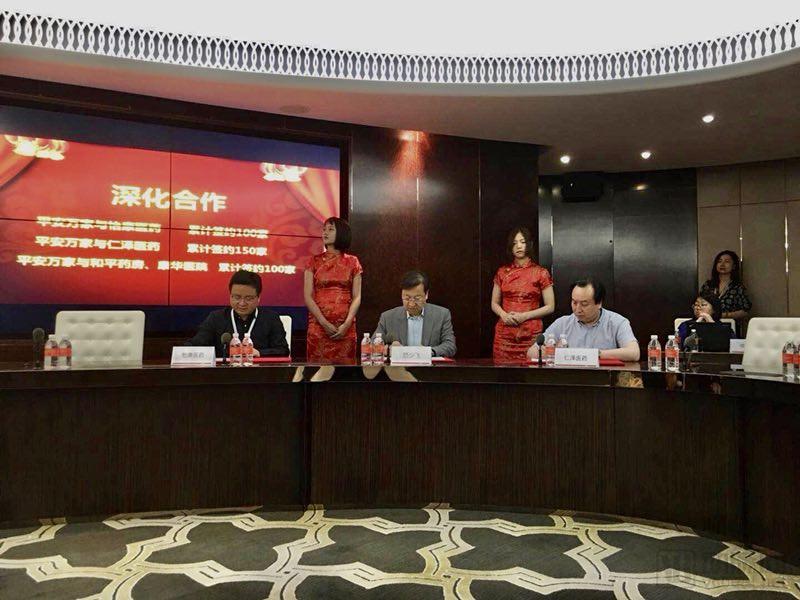
On May 10, Ping An Wanjia Medical held a press conference in Shanghai to launch its Quick Diagnosis Model, themed “New Formats, New Development, New Challenges.” At the event, Ping An Wanjia Medical signed quick diagnosis cooperation agreements with leading domestic pharmacy chains, including Shanxi Renhe, Shaanxi Yikang, Gansu Hui Rentang, Shandong Shuyu Civilian Pharmacy, Hunan Laobaixing Pharmacy, Hubei Haoyaoshi Pharmacy, and Zhejiang Jiuzhou. This brings the total number of pharmacies under the Ping An Wanjia Medical Quick Diagnosis Model to nearly 1,000. Heads of multiple national pharmacy chains, senior experts in the pharmaceutical sector, and institutional investors gathered to discuss topics such as leveraging the quick diagnosis model to drive the transformation and upgrading of pharmacies, thereby promoting “supply-side structural reform” in the pharmaceutical industry.
This collaboration represents a strategic alliance between retail pharmacies and primary healthcare service platforms within the medical sector’s specialized segments. By leveraging their complementary strengths, the parties aim to fully utilize Ping An Group’s robust resources in insurance and health industry ecosystems to provide comprehensive empowerment. Together, they will explore the integration of pharmacies with rapid consultation, rapid testing, rapid medication delivery, and insurance services, with the goal of establishing a new service model for primary healthcare.
In fact, there are numerous examples of the rapid-diagnosis model abroad. According to Wang Jin, a global director and partner at McKinsey & Company, many companies in the United States and Europe have experimented with this model, including CVS and retailer DM. The store sizes of health supplement stores, pharmacies, and health outlets range from 500 to 1,500 square meters.
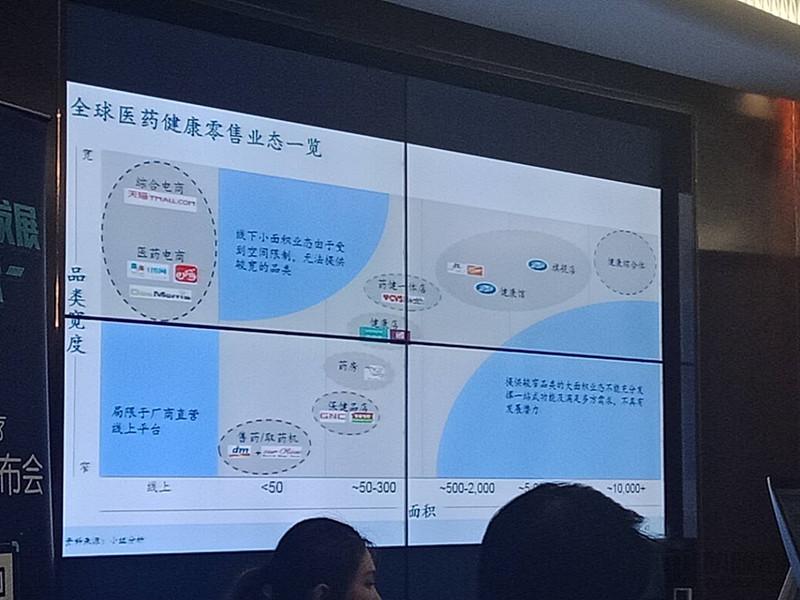
CVS operates pharmacies, including Direct-to-Patient (DTP) pharmacies. Its MinuteClinic represents the most traditional and core component of its healthcare business in the United States. To date, it has provided outpatient services to 35 million Americans. MinuteClinic adopts a walk-in model, allowing patients to receive care without prior appointments. By staffing primarily with nurse practitioners and physician assistants, it meets patient demand while reducing labor costs, thereby achieving an ultra-short consultation time of just 15 minutes. Furthermore, MinuteClinic clearly lists each medical service and its corresponding price, much like a McDonald’s menu, with prices ranging from $30 to $110. The cost for patients is significantly lower than hospital visits, and the process avoids the cumbersome procedures typically associated with hospitals.
The inspiration for Ping An Wanjia Medical’s rapid diagnosis model also stems from this. “In the next two years, I hope to stand on a stage in the United States and share China’s business model,” Wang Jin said with anticipation.
Furthermore, DM, a German retailer operating as a non-pharmacy health store, has installed compact medication dispensing kiosks within its shopping malls. These kiosks collect and analyze big data on patients or their current medications, matching this information with backend databases to help patients scientifically and accurately manage their medication regimens. Additionally, GlowCap is an electronic smart cap for prescription medication bottles that uses auditory and visual alerts to remind patients with chronic conditions to take their prescribed medicines on time. It can even automatically place orders and arrange delivery when a bottle is empty, thereby effectively improving patient adherence.
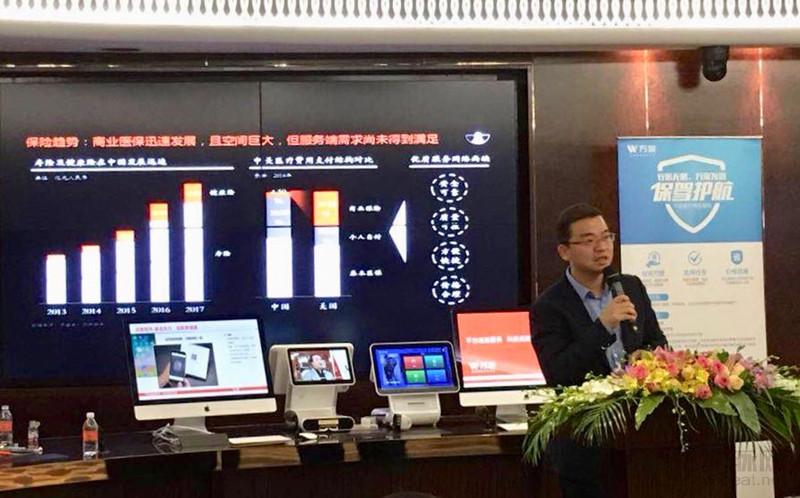
“Although Ping An Wanjia Medical’s rapid diagnosis model draws inspiration from U.S. minute clinics, it adapts foreign practices for local use and introduces a novel systemic solution featuring ‘one design framework, three business support pillars, and one technology platform,’” said Xu Zhihong, General Manager of Ping An Wanjia Medical.
“A Set of Design Solutions”: Ping An Wanjia Medical provides pharmacies with high-standard SI brand identity, consultation room spatial layouts, and departmental specifications.
“Three Major Business Supports”: Provide pharmacies with product support, service support, and quality control support. “Product support” enriches pharmacy service offerings, helping to enhance pharmacy appeal and customer satisfaction. By building a qualified service network, it gradually integrates services with government medical insurance cost-control measures and Ping An commercial insurance services.
“Service Support” is reflected in standardized operations and skills training. Ping An Wanjia Medical not only provides pharmacies with standard specifications such as the *Medical Operations Manual*, *Engineering and Renovation Manual*, and *Marketing Guidance Manual*, but also offers more than 750 online courses and conducts training sessions for over 120 groups, delivering systematic training to pharmacies in areas including medical skills and clinic management.
In terms of “quality control support,” the Wanjia certification standards center on patient safety and healthcare quality to promote continuous improvement in medical institutions. These standards serve not only as a benchmark for primary care quality but also provide endorsement for quick-clinic stores that meet the certification requirements.
As a foundational technical support platform, Ping An Wanjia Medical Cloud Clinic has achieved digital and information-based operational management for all roles, including doctors, nurses, and pharmacies. Its coverage spans from electronic medical records to assisted diagnosis, from telemedicine to member management, from mobile clinic solutions to centralized procurement, and from promotional marketing to public opinion monitoring.
Li Jiang, General Manager of the Chain Business Division at Ping An Wanjia Medical, stated that the Quick Diagnosis model is an innovative healthcare delivery approach developed in response to healthcare reform policies and market demand for primary care. Built on two pillars—standardized certification and platform-enabled technology—the model introduces modern medical technologies and service safety standards to centrally address core needs of traditional pharmacies, including lean operations, revenue growth, regulatory compliance, and customer satisfaction.
Li Jiang added, “In the United States, rapid diagnostic testing at pharmacies is supported by commercial insurance, whereas in China, commercial insurance has not yet reached that level of development. Currently, payment coverage for treatment in China is relatively limited. Leveraging the robust resources of Ping An Group, Wanjia Rapid Diagnostics is committed to integrating both social medical insurance and commercial insurance, thereby supplementing the basic social medical security system and delivering value to its partners.”
As a direct second-generation subsidiary of Ping An Group, Ping An Wanjia Medical identified the potential of this market as early as 2016. At present, the rapid consultation model is facilitating the upgrading and transformation of traditional pharmacies, establishing a number of industry benchmarks.
On June 15, 2017, Ping An Wanjia Medical and the Renhe Chain Clinics under the Shanxi Renze Pharmaceutical Group launched their first rapid-diagnosis clinic in Taiyuan. Promoting the slogan “20 common diseases diagnosed within 15 minutes,” the initiative aims to provide patients with tangible convenience and benefits through a “one-stop” service for consultation and medication dispensing. The partners plan to jointly establish 100 rapid-diagnosis clinics across Shanxi Province to expedite the diagnosis and treatment of common illnesses among local residents and accelerate the development of primary healthcare infrastructure.
Yang Quanzhu, Chairman of Shanxi Renze Pharmaceutical Group, stated, “The rapid diagnosis model leverages the standards, systems, and platform of Ping An Wanjia Medical Care, while integrating the local resource advantages of Renhe Pharmacy, thereby creating new opportunities for mutual development.”
Currently, Ping An Wanjia Medical and Renhe Chain Clinics have joined forces to achieve a comprehensive upgrade and transformation of the clinics, while progressively advancing deep integration with Ping An Group’s insurance and medical resources. In the next phase, building on their quick-diagnosis collaboration, both parties will jointly explore and develop new models for pharmaceutical supply. This initiative aims to help clinics expand their drug categories, streamline procurement processes, and reduce overall costs, while simultaneously assisting pharmacies in broadening sales channels, establishing competitive barriers, and enhancing sales services.
On May 10, 2018, Ping An Wanjia Medical once again signed rapid diagnosis cooperation agreements with domestic pharmacy chains including Shanxi Renhe, Yikang, Huirentang, Shuyu Civilian, Laobaixing, Haoyaoshi, and Jiuzhou, aiming to implement rapid diagnostic services in thousands of pharmacies across China and address the pain point of traditional pharmacies’ unfamiliarity with the management and operations of medical institutions.
He Yu, Chairman of Yikang Pharmaceutical Group, believes that with the advancement of national healthcare reforms, the “rapid diagnosis + rapid medication + rapid testing” model increasingly aligns with our philosophy of delivering medical services to the highest standard. “We have over 6 million members. With the rapid diagnosis model in place, we can further provide health management services, which will significantly boost pharmacy operations. I am confident that this model will be successfully implemented across China,” He Yu added.
Wang Li, Executive Director of Laobaixing Pharmacy, stated that although retail pharmacies across China are connected to local medical insurance systems, it remains highly challenging for chain pharmacies to provide integrated medical services through in-store clinics. This is the primary rationale behind our desire to collaborate with Ping An Wanjia Medical.
“Regarding the layout of primary healthcare facilities, to truly achieve tiered diagnosis and treatment in the future, pharmacies serve as the last-mile entry point for patients,” Wang Li stated with conviction. However, how can we ensure both rapid testing and safety? He added, “While we possess extensive expertise in pharmaceuticals, we lack sufficient control over the safety aspects of medical processes. We hope to collaborate with Ping An Wanjia Medical to address these shortcomings.”
“From the perspective of current collaboration models, there is a strong synergy between pharmacies and customers with chronic diseases. Chronic disease patients obtain their medications at pharmacies, enabling pharmacies to effectively reach these customers and more easily establish a closed loop encompassing purchase, service, and claims settlement.” Li Xin, Vice President of Ping An Health Insurance, believes that this represents a deep integration between payers and service providers.
Fan Shaofei, Chairman and CEO of Ping An Wanjia Medical, believes that the integration of rapid diagnostics with commercial health insurance is an excellent combination. This synergy will effectively unite payers, and he anticipates that the rapid diagnostic model will then spread like wildfire, meeting the payers’ needs for comprehensive network coverage.
In the future, Ping An Wanjia Medical will continue to innovate its healthcare models, vigorously strengthen primary care, and further meet and optimize the public’s healthcare service needs and experience.