

DXY Clinic Achieves Near Profitability Across Four Direct-Owned Clinics Within Two Years and Launches Clinic Alliance to Share Operational Expertise
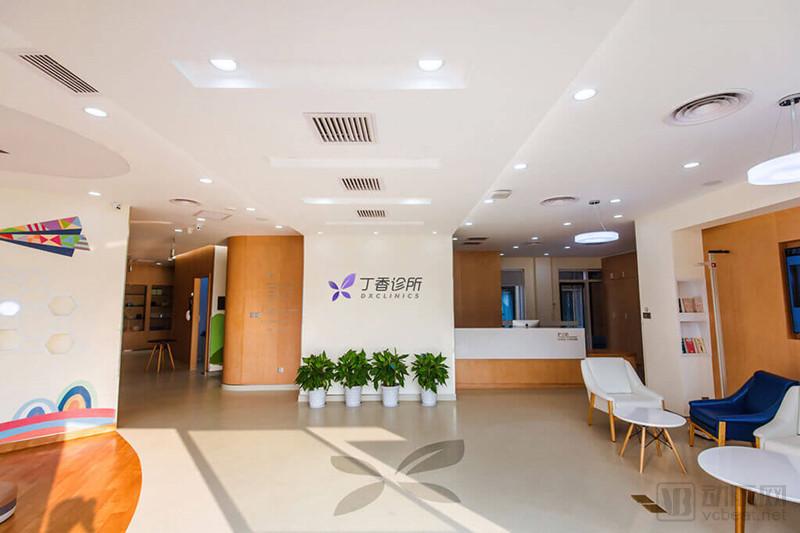
“Previously, my wife and I ran a small clinic together. It was doing well, and we enjoyed a comfortable life. Unexpectedly, I was invited by Li Tiantian, the founder of DXY, to embark on a new venture—DXY Clinic—which has been exhausting.” Thus spoke Yang Zefang, head of DXY Clinic, during a roundtable discussion at China’s inaugural Clinic Conference.
As a seasoned pediatrician, Yang Zefang decided to launch DXY Clinic with a focus on pediatrics, targeting health-conscious consumers in second- and third-tier cities and exploring a revenue model primarily driven by consultation fees. Encouragingly, within just two years, the four directly operated DXY Clinic locations are on the verge of achieving overall profitability.
Yet his ambitions extend far beyond this. Leveraging DXY’s influence within the industry, he organized China’s inaugural Clinic Conference, where he established a clinic alliance and shared his proprietary insights on clinic operations. His aim is to empower more physicians aspiring to launch their own practices, making it easier for them to establish clinics and gradually expand from single locations into chain operations, thereby driving the upgrading of the healthcare industry.
Over the two years since its inception, Dingxiang Clinic has expanded at a modest pace, currently operating only four directly owned clinics in cities such as Hangzhou and Fuzhou. With each clinic’s operations becoming increasingly mature and patient volumes repeatedly reaching new highs, the chain is on the verge of achieving overall profitability.
This stems from DXY Clinic’s emphasis on building a strong reputation and its commitment to establishing standardized diagnosis and treatment protocols. Currently, 99% of patient visits across all clinics are self-pay, with daily outpatient volumes ranging from 50 to 70. “We do not pursue patient volume targets; instead, we aim to introduce advanced models and concepts in service delivery. It is also the only product within DXY that operates without performance pressure,” said Yang Zefang. He believes that clinic operations should not focus solely on foot traffic, but must adopt an integrated online-offline approach to serve a broader user base.
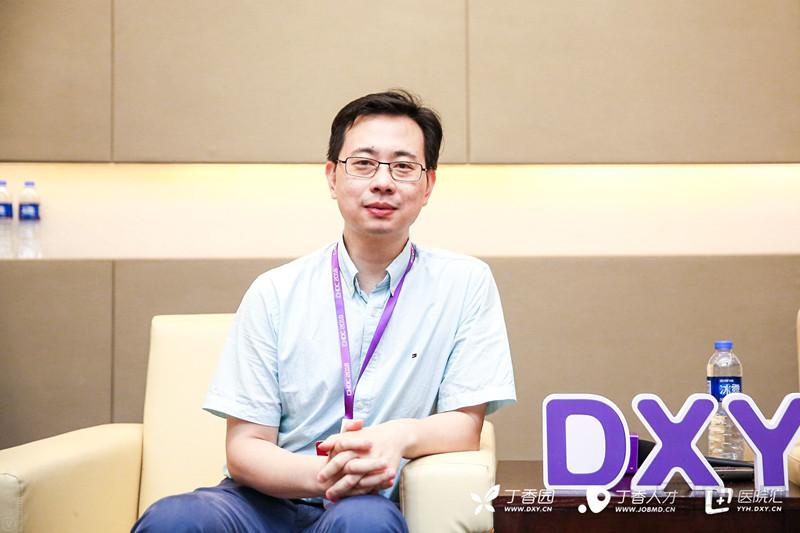
Yang Zefang is not concerned about the clinic’s profitability. He believes that by focusing on building the clinic’s reputation and establishing standardized operations, while providing excellent service to visiting patients, and by delivering medical care with the highest professional standards, the patient volume will inevitably increase in the long run. “Growth in the healthcare industry is not a straight line; we are currently in the uphill phase. Once our reputation has solidified, the inflection point for growth will arrive.”
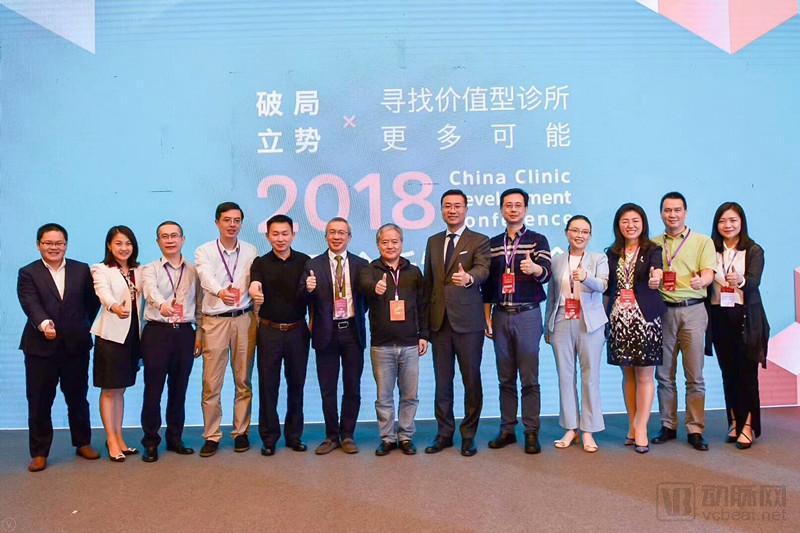
Having consolidated its comprehensive strength and reputation, Yang Zefang also held the “2018 China Clinic Development Conference” from May 12 to 13 during the China Hospital Development Conference hosted by DXY. The conference theme was “Breaking Through and Establishing Momentum: Exploring More Possibilities for Value-Driven Clinics.”
The reasons are fourfold: First, to leverage the momentum of the China Hospital Development Conference to promote the Clinic Conference and attract greater attention. Second, as DXY’s flagship product for the year, the clinic initiative was personally endorsed by Li Tiantian, who lost 15 kilograms over seven months in preparation for the event. Third, to standardize DXY Clinic’s years of accumulated expertise in clinic operations and reputation building into a comprehensive product package, establishing industry-wide standards for talent development, clinical protocols, and management models. Fourth, to help other clinics in China form a brand alliance, jointly establish industry standards and certification systems, and promote the standardization of the domestic medical practice sector.
This is also an inevitable requirement for the development of China’s clinic industry. Currently, the development of clinics in China faces challenges such as single-profit models, unregulated markets, and weak operational sustainability. Clinics operate as fragmented entities, with resources failing to be effectively integrated. The “China Clinic Development Conference” was convened in response to the urgent need for industry upgrading, bringing together high-quality resources and expertise from within the sector, gathering diverse perspectives, and discussing the direction of industry development.
So, how exactly does DXY Clinic manage its operations? At the China Clinic Development Conference, Yang Zefang stated: “If a clinic leader can focus on only two things, they should be product design for the clinic and human resources management. All other tasks can be delegated to others. Only by excelling in these two areas can a clinic achieve sustainable development.”
Regarding design products for clinics, he believes they can be categorized into tangible and intangible products. Attention should be paid to product depth, length, width, and consistency, enabling an optimized portfolio of all products to maximize benefits for the clinic.
For instance, the "width" of a product refers to the number of departments a clinic needs. Is it always better to have more departments and greater breadth? The "length" pertains to the categories of clinical departments, such as pediatrics, health examinations, preventive care, and rehabilitation. Is it better to have comprehensive, large-scale departments, or specialized, focused ones?
Which services can be offered across these departments? Can the services provided by each department form synergies, facilitate cross-referrals, and generate profits for the enterprise? These factors cannot be overlooked. This is why Yang Zefang chose to expand into other specialties despite the strong performance of the pediatrics department at Dingxiang Clinic—a proactive measure to prepare for future challenges.
If a particular product’s services happen to gain significant user traction over a couple of days, what should be done when a wave of competitors and imitators follows? How can clinics ensure they possess the continuous capacity to develop new products and iterate on existing ones?
After carefully considering the above questions, the first step Yang Zefang took was to conduct market research and needs analysis, aiming to structure his product portfolio based on market demand. He first leveraged DXY’s extensive data resources to develop user personas, as product design requires precisely identifying a market entry point amidst a cluttered landscape. For example, when DXY Clinic launched its weight management service, it found that the group with stronger willingness to pay was not those who were already severely overweight, but rather individuals with health awareness and concerns who were only slightly overweight.
Product thinking emphasizes not only market demand but also the product matrix. When designing medical service products, Dingxiang Clinic first categorizes them into tangible and intangible products. The combination of products across clinics forms a product line.
If a clinic offers a comprehensive product portfolio, its risk resilience and profitability will both increase in the long run. Taking DXY Clinic’s pediatrics department, which boasts a relatively complete product chain, as an example, consultations and health examinations revealed numerous unmet patient needs for services not yet offered. In response, DXY Clinic has developed a series of pediatric-focused products.
Meanwhile, leveraging the clinic’s existing patient flow, it is highly effective to analyze patients’ most pressing needs through data mining and organization of current patient records, determine what products you can offer, and adopt this same approach for customer education when promoting new products. DXY Clinic has mastered this methodology to perfection.
Moreover, DXY’s product philosophy places significant emphasis on medical service products. The core offering of a clinic is to resolve patients’ health issues, while medical service products aim to make the care experience tangible and perceptible to patients through clinical interactions. For instance, when administering an injection, nurses should inform patients about the specific measures taken to alleviate the pain associated with the needle stick.
Dingxiang Clinic delivers this series of products in a quantified manner, with the aim of transforming high-quality offerings into replicable best practices that can empower more primary-care clinics.
Amid the backdrop of consumption upgrading, the entire healthcare industry faces a need for transformation. The sustainability of profitability reliant on drug markups is weak, and consumers are seeking better services. During the establishment of DXY Clinic, professionals from various sectors of the healthcare industry also visited to learn about clinic operations.
Among these, Yang Zefang places the greatest emphasis on physicians with core technical expertise launching their own ventures. These individuals not only possess profound professional foundations but also demonstrate a strong sense of responsibility and passion for the healthcare industry, enabling them to collectively drive its progress. DXY Doctor aims to provide specialized medical management training, talent recruitment services, supporting professional management systems, and financial resources, thereby helping these physicians and other clinics achieve profitability through service excellence and build value-driven practices.
In fact, Yang Zefang is also a physician who is all too familiar with the challenges doctors face when launching startups, as he has personally experienced these difficulties and frustrations. Now, DXY Clinic, which is on the verge of inflection-point growth, can provide comprehensive support to promising startup clinics, marking his pivotal transition from 0 to 1 and from 1 to N.
In his view, a major challenge for physicians launching startups is the inability to attract more high-caliber doctors to join. Dingxiang Doctor, however, leverages its clinic alliance model and adheres to industry standards for personnel recruitment.
The specific approach is as follows: The clinic first joins the DXY Clinic Alliance, which then helps primary care clinics access more high-quality human resources through labor dispatch. For clinics that have been in operation for several years, the DXY Clinic Alliance can also provide talent training programs. By integrating resources and addressing key challenges, the alliance aims to foster a virtuous cycle within the healthcare industry.
With talent in place, the clinic naturally acquires its “soul.” Yang Zefang is still exploring talent management and development models that differ from those of public hospitals within the state-run system. Within the clinic, physicians are not differentiated by administrative ranks; instead, a project responsibility system is implemented. The project lead is not a fixed position, but the designated project lead has the authority to allocate all of the clinic’s resources to support their project.
From a management perspective, physician entrepreneurs face diminishing marginal returns on profitability due to rising management costs, regardless of whether their clinics are startups or experiencing strong growth. Physicians with specialized expertise often achieve solid profits with their first clinic, but as they expand to a second or third location, escalating management expenses gradually lead to profitability challenges. Within the development plan of the DXY Clinic Alliance, lessons drawn from the experiences of leading high-quality clinics can be leveraged to enhance physicians’ operational capabilities or provide professional management personnel, thereby reducing the costs associated with physician-led ventures.
From a technical perspective, Yang Zefang cited the hospital’s IT system as an example. While IT systems in low-end clinics are still struggling with issues such as ensuring accurate drug pricing, Dingxiang Clinic, which has adopted a consultation fee model, has already achieved zero markup on drugs. In the future, IT systems will be highly beneficial for clinics to carry out health management, as they can assist physicians in patient follow-up and health management.
This technological disruption mirrors how Apple once reshaped the entire mobile phone industry; it is not the majority of companies that set industry standards, but those at the forefront.
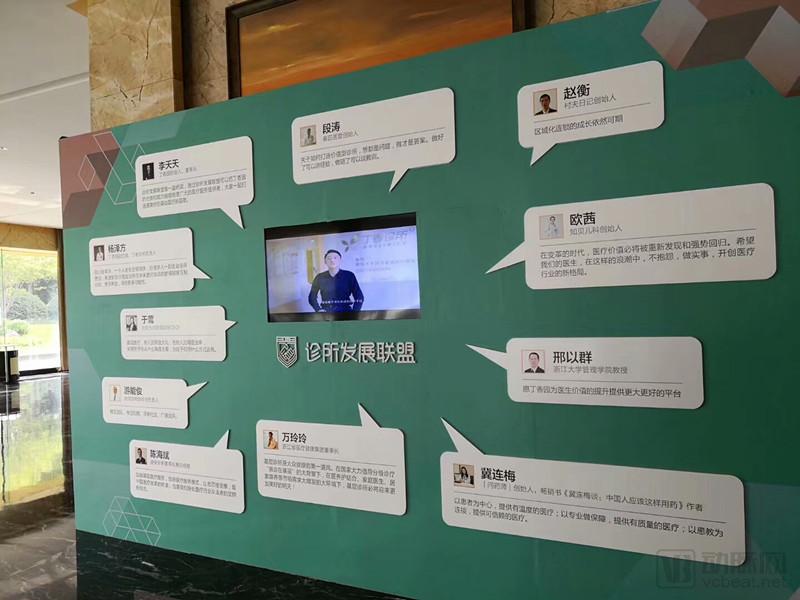
“In just one week, the number of clinics applying to join our clinic alliance has exceeded 100. We are currently conducting follow-up screening and verification, and we anticipate growing interest among clinic entrepreneurs in the alliance,” said Yang Zefang. He also noted that the previously mentioned development of clinic-related content was a collaborative effort involving other departments at DXY.
Dingxiang Yuan is a platform with a highly robust industrial chain. Compared to independent clinics, it possesses an open DNA that enables business integration and the establishment of comprehensive clinic alliances encompassing course training, standard setting, and financial support. Such division of labor and collaboration can more effectively amplify the influence of these clinic alliances.
Seizing the opportunity of the conference, DXY established a clinic alliance, aiming to provide a platform for mutual learning among medical clinics. “We aim to promote the development of the healthcare industry and deliver better medical services to more people. Operating clinics in isolation is not viable; we must draw on industry experience to achieve common progress.”
In this process, resource sharing among industry peers is indispensable. Yang Zefang hopes that the clinics joining the clinic alliance will be those committed to becoming value-based practices. This is not merely a difference in decorative attitude, but rather a distinction in the mode of clinical service delivery. Currently, he favors clinics that have already adopted a fee-for-service model, which severs the link between physicians and drug price differentials and completely breaks away from the outdated practice of subsidizing medical care through pharmaceutical sales.
Patient volume is not a criterion for evaluating the quality of a clinic. Yang Zefang believes that pursuing high patient volumes—counting daily visits as they climb from 50 to 90, 200, 300, and beyond—would mean retracing the path that has led public hospitals into developmental bottlenecks. He places greater emphasis on the quality of service provided to in-person patients. Taking Dingxiang Clinic as an example, although its daily patient volume is approximately 50–70, 99% of these patients are self-pay.
In DXY’s future plans, the Clinic Alliance can provide market-oriented training and support for physicians who wish to establish clinics. After DXY Health’s team integrates the content, it will be delivered through various formats such as courses and training programs, enabling clients to purchase courses from other clinics and learn from their experiences. DXY Health will specifically incubate projects that standardize the output of the Clinic Alliance.
Yang Zefang has been a physician for many years, but has only been an entrepreneur for a few. After examining healthcare service models around the world, he believes that clinic services can draw lessons from Taiwan, while technical expertise should follow the U.S. model of general practice skills and professional knowledge, given that the U.S. payment system is entirely different from China’s.
Under his advocacy, the launch of this clinic alliance aims to support clinics that are still in the incubation stage and have yet to establish clear profitability models. By fostering an open mindset and uniting these relatively vulnerable entities for mutual support, the initiative seeks to drive the development and upgrading of the healthcare industry through medical education.
Clinics face distinct challenges at each stage of their development. Currently, they need to pursue differentiated growth strategies relative to public hospitals. In the future, as clinics proliferate widely, success will depend on building specialized practices with strong reputations, which will test their cost-control capabilities. This evolution aligns with the inevitable trend of technological advancement: with the application of intelligent products and internet technologies, service delivery models are transforming, and the radius of service coverage is expanding, making the emergence of “smart clinics” highly likely.
In the future, Dingxiang Clinic may also engage in investments or acquire other clinics. According to Yang Zefang, his primary consideration is whether a clinic primarily operates on a consultation fee model, followed by the professional competence of its team, particularly its ability to serve the local community. Given the significant variations in policies and cultures across China, although he can provide training to bridge cultural gaps, he prefers teams that are better equipped to meet local needs.