

Dingding Pediatrics Files IPO Prospectus to Become a Leading Pediatric Clinic Brand in Central China
Pediatric clinics have emerged as a popular trend in recent years. On one hand, this is due to the scarcity and poor patient experience associated with public pediatric care resources. On the other hand, strategic investments by capital markets have fostered the growth of high-quality pediatric clinics, which have gained parental favor and recognition through differentiated services.
Zhengzhou Dingding Health Management Co., Ltd. (hereinafter referred to as “Dingding Pediatrics”) originated in Zhengzhou, Henan Province. It currently operates four pediatric outpatient clinics and has deeply embedded itself within local communities. By making substantial efforts in children’s health management, the company has developed distinctive services and established a first-mover competitive advantage. What kind of pediatric chain organization is it? To find out, VCBeat (WeChat ID: vcbeat) conducted an exclusive interview with Mr. Wang Ga, founder of Dingding Pediatrics.
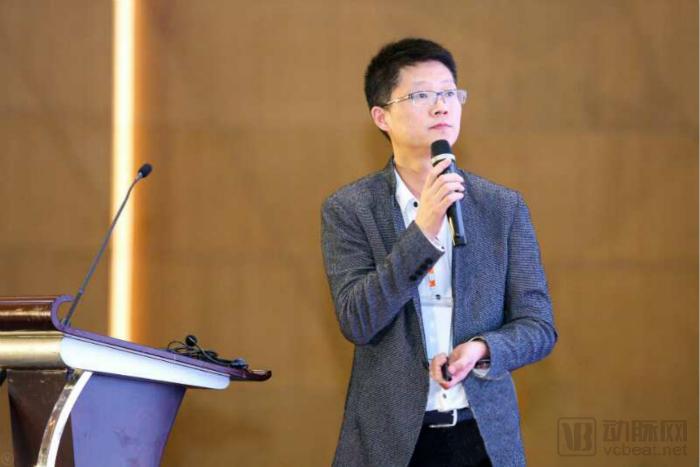
Wang Ga, Founder of Dingding Pediatrics (Image provided by the company)
Since 2016, pediatric clinics have entered a period of rapid growth. Against the backdrop of consumption upgrading, the national government has encouraged the development of private healthcare, attracting an influx of capital. “I believe this growth potential has emerged naturally. Currently, pediatric clinics across China are flourishing in diverse forms, refining various innovative business models in an effort to meet patients’ needs.”
Wang Ga believes that the pediatric clinic sector has currently formed several distinct camps and patterns, namely: mid-to-high-end pediatric clinic chains in first-tier cities; community-based pediatric clinics centered around major metropolitan areas; pediatric clinic chains with characteristics of small- to medium-sized children’s hospitals; and specialized chains focusing on niche specialties such as ophthalmology and dentistry. Moreover, each camp already has relatively mature acquisition targets.
Dingding Pediatrics is a community-based pediatric chain committed to “providing more efficient and convenient solutions for children’s medical needs within a 2-kilometer radius.” In addition to diagnosing and treating common illnesses, we offer specialized, high-quality professional medical services—including well-child care, pediatric tuina (massage), growth and development monitoring, asthma management, and allergy management—delivering concierge-style care that covers the entire lifecycle from ages 0 to 14.
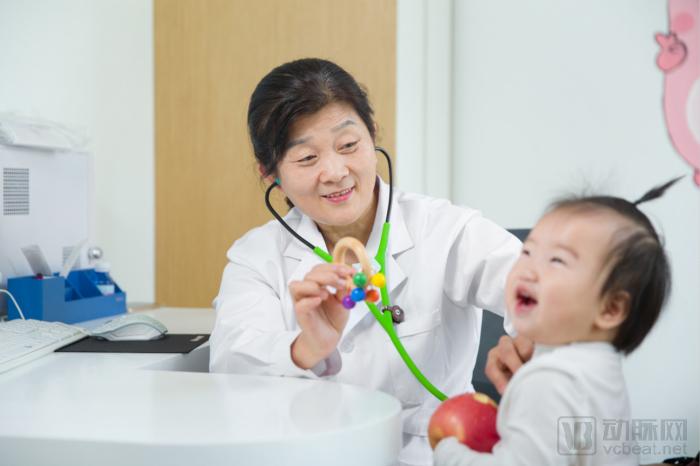
A doctor is conducting a consultation for a child (Image provided by the company)
Currently, there are several major issues in the field of pediatrics. The first is the insufficient supply of pediatric medical resources. “This leads to various problems, such as low efficiency, long waiting times (e.g., three hours of queuing for a three-minute consultation), poor patient experience, and even issues like overtreatment and cross-infection.”
“A distinctive feature of pediatric care is that it often involves the entire family, with parents frequently experiencing anxiety and stress. ‘Therefore, they strongly desire greater convenience, seeking rapid access to quality physicians to understand their child’s condition. The three core elements of healthcare—physicians, services, and accessibility—are particularly pronounced in pediatrics.’”
For Dingding, its distinguishing features include minimizing injections, intravenous infusions, and excessive examinations and treatments, while integrating child healthcare services to focus on disease prevention. Dingding’s physicians are all pediatric department directors, deputy directors, and attending physicians from top-tier (Grade 3A) hospitals. In terms of service, one-on-one health consultants assist patients throughout the entire process—from online appointment scheduling and triage to consultation, prescription, and follow-up—thereby reducing waiting times. Regarding convenience, we adopt a community-centric model, allowing parents to access medical care without traveling long distances.
Wang Ga told reporters, “A core tenet of the Healthy China Strategy is that prevention outweighs treatment. In pediatrics, diseases account for only 30% of cases, while the remaining 70% hinges more critically on prevention. Therefore, in conjunction with child healthcare services, we prioritize prevention alongside treatment.”
It has been reported that Wang Ga graduated from Henan Medical University and has 22 years of experience in the pharmaceutical and healthcare industry, giving him a distinct advantage in accessing physician resources. Currently, in addition to its three clinics in Zhengzhou, Dingding Pediatrics has expanded across regions by opening a new pediatric clinic in Qingdao. The team comprises more than 50 members.
Wang Ga revealed, “Currently, the proportion of pediatricians from Grade 3A hospitals in Zhengzhou who have signed contracts has reached 10%. The ratio of full-time physicians to those practicing at multiple sites in our clinics is 1:1, and top-tier doctors will even become our partners.”
Day-to-day operations are managed by store managers and medical staff. We have established comprehensive models and implementation guidelines covering operational procedures, quality control, service standards, and marketing conversion. Regular training and performance evaluations are conducted for store managers and the medical team. Additionally, we appoint department leads to provide professional endorsement for physicians. Through public health education courses, free clinics, physician interviews, and user engagement events, we build physicians’ personal brands and foster users’ recognition of and trust in our brand.
"As private clinics operating outside the public hospital system, community-based pediatric clinics serve as a robust complement to public hospitals. The two should develop synergistically. We have established streamlined referral channels for critical illnesses. Therefore, we strive to avoid diverting patients from public hospitals; instead, we attract users through the reputation of our services. Currently, 50%-60% of our clients come to us through word-of-mouth referrals from existing customers."
“Of course, Dingding Pediatrics also organizes activities such as ‘Mommy Classes’ and promotional discounts. Our educational campaigns targeting common seasonal illnesses—hand, foot, and mouth disease in summer, diarrhea in autumn, and influenza in spring—have yielded significant in-store conversion results. Nevertheless, our core competitiveness lies in providing professional and trustworthy medical services that quickly and conveniently address infants’ health issues; this is the key to success.”
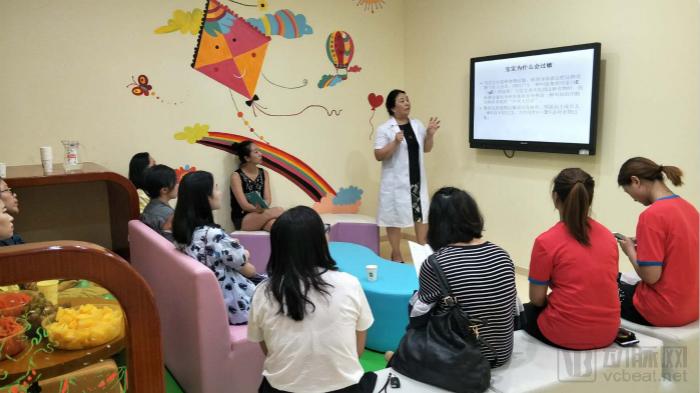
Regular health education outreach activities are conducted within the clinic (image provided by the enterprise)
“Rather than competing with public hospitals for market share, we should focus on service upgrades and creating a positive patient experience. This is the correct positioning for pediatric clinics in Wang Ga’s view. Compared to regions like Shanghai, Guangzhou, and Shenzhen, the concept of consultation fees is still gradually gaining acceptance in central provinces. We need to deeply explore opportunities beyond treatment, particularly in preventive care and post-illness management. Providing health management services for children that public hospitals are unwilling or find too cumbersome to offer is the direction we should strive toward.”
Currently, Dingding Pediatrics has established a mature site selection model. In line with the psychological and visual developmental characteristics of children, its interior design creates a warm, family-friendly atmosphere. “From site selection, renovation, and regulatory approvals to opening, every step follows a complete, detailed, and quantifiable process, enabling us to open a new clinic approximately every two to three months.”
Standardization and profitability pose a significant challenge for all pediatric clinic chains. Wang Ga believes that the primary difficulty in chain operations lies in establishing unified standards.
“Establishing standards for clinical care, communication, service, and training is a gradual process. As a brick-and-mortar entity, it requires upfront investment. Given the generally low average transaction value per patient, meticulous attention to detail and standardization is essential to achieve revenue breakeven. While many clinics have a payback period of over 18 months, we aim to shorten this timeframe as much as possible.”
Furthermore, Wang Ga noted that after cross-regional expansion, the intensity and standards of remote management significantly test overall operational capabilities. “This necessarily involves a process of exploration. During this process, we have drawn on mature operational models from overseas pediatric clinics, such as the family-centered general practice model in U.S. pediatrics and adherence to evidence-based medicine, all of which serve as valuable references. We are currently conducting in-depth analyses of data across various subspecialties in public hospital pediatric departments, identifying the top 10 most popular specialties. Based on this data-driven approach, we configure our disease-specific departments to build differentiation.”
Reporters learned that Dingding Pediatric Clinic sees between 40 and 90 patients per day, with variations between peak and off-peak seasons. The consultation fee is RMB 50, while the cost for treating common illnesses generally remains around RMB 150. With growing word-of-mouth reputation and continuous upgrades in community-based services, a significant increase in patient volume is expected in the second half of the year.
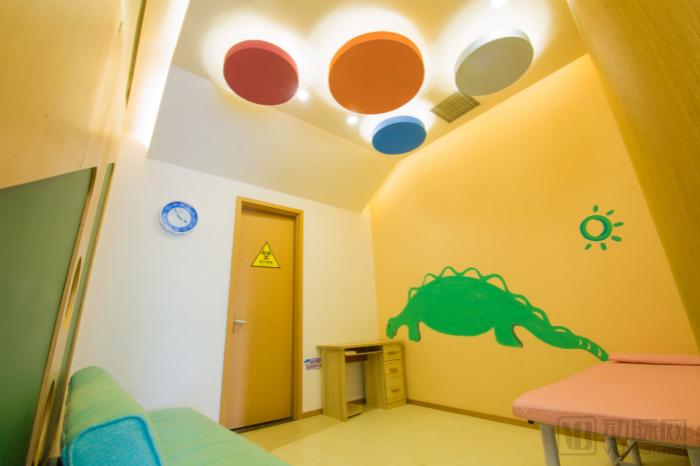
Pediatric Clinic Features a Warm Interior Design Aligned with Children’s Psychological and Visual Characteristics (Image Provided by the Company)
In terms of profitability, Dingding Pediatrics’ revenue streams primarily consist of consultation fees, pharmaceuticals, treatments, and diagnostic tests. Costs are mainly driven by back-end operational expenses and the day-to-day operating costs of front-line clinics, along with expenditures on medications, renovation, and rent.
“Revenue from common diseases accounts for over 50%, supplemented by services such as pediatric health check-up clinics, growth and development clinics, pediatric massage, and chronic disease management. In the future, the proportion of specialized services like pediatric health checks, massage, asthma management, and chronic disease management will gradually increase. We will also add high-value, specialized primary care departments focusing on dentistry, dermatology, and allergies.”
How to Build Competitive Advantage and Moats Among Numerous Clinics: Wang Ga Identifies Three Key Points to Recognize
First, differentiation should not be pursued for its own sake. True differentiation must be strategically constructed by integrating local market demands and characteristics, brand positioning, and the specific attributes of the target audience and business operations.
Second, in terms of service, there is no “best,” only “better.” Dingding Pediatrics will continuously draw on services from peers and companies in other industries, iterating, upgrading, and evolving at the fastest pace, and even developing distinctive, signature services tailored to specific disease categories.
Third, the business model: building a leading platform. Pediatric clinics operate on a reputation-based model through community chain networks; therefore, it is essential to secure the commanding heights of brand influence and traffic flow, establish a monopolistic advantage, and ultimately drive further conversion toward high-margin pediatric services.
Over the past two years since its inception, Wang Ga has revealed that the company’s future plan is to “leverage the first-mover advantage in the Central Plains region to accelerate scaling, amplify regional strengths, and establish barriers in terms of brand and resources.” In addition to common diseases, it is essential to enhance services in areas such as growth and development, preventive healthcare, Traditional Chinese Medicine (TCM), asthma, and allergies. These specialties are crucial for differentiating the clinic from competitors and pursuing a path of specialized care.
After two years of development, Dingding Pediatrics has established a robust clinic operational model and an excellent team, positioning itself as a leading private pediatric clinic brand in provinces such as Henan and Shandong. In the future, it will leverage capital to further enhance its services and strengthen its competitive moat.