

2018 Big Data Expo Accelerates Integrated Development of Big Data; XinYi International Empowers Guizhou's Telemedicine Initiative — 'Minor Illnesses Treated in Townships, Major Illnesses Managed Within Counties'
On May 26, the annual national-level expo—the 2018 China International Big Data Industry Expo (Big Data Expo)—opened in Guiyang, Guizhou Province. President Xi Jinping sent a congratulatory letter to the event. Xi emphasized that China attaches great importance to the development of big data. He expressed the hope that delegates and guests would engage in in-depth exchanges and pool their wisdom around the expo’s theme, “Digitalizing Everything, Intelligence through Integration,” to jointly promote innovative development in the big data industry, create smart lives, benefit people worldwide, and work together to build a community with a shared future for mankind.

Centering on technological innovations and the latest achievements in big data, this edition of the Big Data Expo explores the epochal transformations driving big data development, while establishing a high-end, professional platform for exchange and trading services. More than 30 academicians from China and abroad provided expert guidance, joined by industry luminaries such as Jack Ma, Pony Ma, and Robin Li. Representatives from 388 globally renowned enterprises, including Apple, Microsoft, Facebook, Qualcomm, and IBM, gathered for the event.
Seizing the opportunities presented by the Big Data Comprehensive Pilot Zone and the pilot policies for telemedicine, Guizhou Province has leveraged healthcare big data to build a telemedicine service system characterized by “vertical integration and horizontal interoperability” as well as “flat structure and zero-distance access.” In 2016, the province achieved county-level coverage of telemedicine services across all counties. In 2017, it became the first in China to achieve full telemedicine coverage across public medical institutions at four levels: provincial, municipal, county, and township.
Through government procurement, Xinyi International is responsible for providing technical support for the construction of Guizhou’s Integrated Telemedicine Business Management Platform, leveraging information technology to enable big data regulatory services for telemedicine. The real-time monitoring dashboard displayed on-site comprehensively showcases the status of telemedicine operations across various regions in the province. The platform automatically issues alerts for consultation cases that exceed time limits, ensuring timely consultations; it also enhances management standards and service efficiency through big data analytics, effectively implementing big data technologies in practice. Leaders from the Central Cyberspace Affairs Commission and relevant agencies from provinces and municipalities nationwide visited the site, reviewed Guizhou Province’s achievements in telemedicine development, and expressed strong recognition.
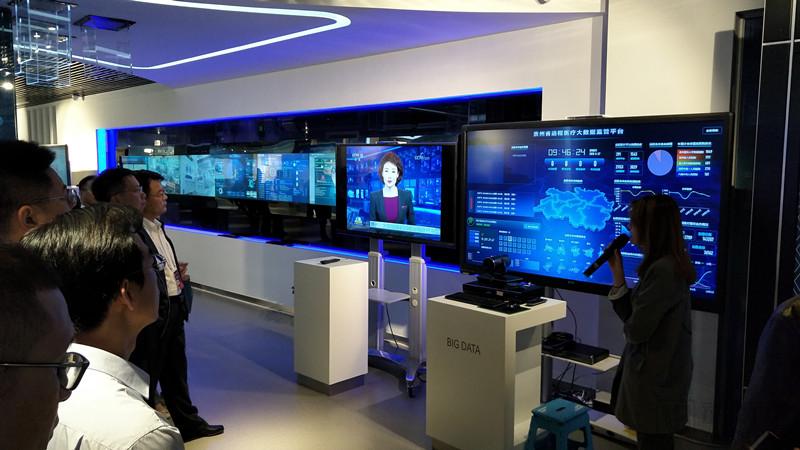
Through Guizhou’s Integrated Telemedicine Management Platform, various telemedicine services—including remote consultations, remote imaging, and electrocardiogram (ECG) diagnostics—have been integrated across the province. To date, a cumulative total of 36,000 remote consultations, nearly 190,000 remote diagnoses, and approximately 300,000 person-times in remote training have been conducted. On May 13, CCTV’s “Xinwen Lianbo” broadcast a report titled “Guizhou: Big Data Establishes a Four-Tier Telemedicine Platform,” highly commending Guizhou Province’s telemedicine initiatives.
As China’s first national big data comprehensive pilot zone, Guizhou Province has steadfastly implemented its big data strategic initiatives in recent years. Leveraging the Big Data Health Cloud, Guizhou has extended the remote medical service platforms of public healthcare institutions to every township, achieving coverage across four tiers—provincial, municipal, county, and township. This has enabled a growing number of residents to access medical care close to home, realizing the goal of “minor illnesses treated within the township, major illnesses treated within the county.” According to statistics from Guizhou’s health and family planning authorities, the proportion of patients seeking care within their respective counties has exceeded 82% through the remote medical system.