

Multiple Business Models and Innovative Services Coexist: An Overview of Policies, Services, and M&A Activities in the U.S. Telemedicine Industry
According to data from the U.S. Centers for Disease Control and Prevention (CDC), there are 1.25 billion outpatient visits annually in the United States. Approximately one-third of these visits (417 million) can be addressed through telemedicine. Data from the Agency for Healthcare Research and Quality (AHRQ) indicates that there are about 168 million follow-up visits each year in the U.S., of which 80%, or 134.4 million visits, can also be managed via telemedicine services. Combined, these two categories represent a market potential of approximately 585 million telemedicine consultations. Furthermore, statistics from various associations, including the American Cancer Society and the Epilepsy Foundation, show that an additional 5.1 million patients with serious illnesses seek remote specialist consultations each year.
The vast market naturally drives the development of services and technology.
According to statistics from U.S. healthcare authorities, more than 60% of health service providers and 50% of hospitals nationwide have adopted telemedicine services to varying degrees. Tele-radiology services are available in all 50 states; 49 states offer tele-mental health services; and 36 states have established various telemedicine consultation services centered on home-based care. According to MedGadget’s estimates, the U.S. telemedicine market was projected to reach $6.77 billion by 2020, with a compound annual growth rate (CAGR) of 6.3% during this period.
What policies, business models, and medical services have driven such a mature market operation? VCBeat has compiled relevant information and documented real-time market dynamics.
What Policy Support Does Telemedicine in the United States Have?
In 1996, the Federation of State Medical Boards (FSMB) promulgated the "Model Practice Act for the Practice of Medicine Across State Lines," which defined interstate medical practice, specified licensure requirements, outlined the issuance of interstate medical licenses, and addressed the retention of patients' medical records. The Balanced Budget Act of 1997 stipulated that physicians providing telemedicine consultation services to residents in rural areas would be eligible for reimbursement under Medicare Part B.
The Medicare, Medicaid, and SCHIP Benefits Improvement and Protection Act of 2000 clarified the methods, duration, geographic scope, and types of services eligible for telemedicine reimbursement. The Standards for the Appropriate Use of the Internet in Medical Practice, issued in 2002, stipulated that physicians providing telemedicine services must adhere to the same standards and norms applicable to in-person medical encounters.
The Patient Protection and Affordable Care Act, enacted in 2010, elevated the levels of assistance and insurance reimbursement for telemedicine, shifting the payment model from fee-for-service to value-based care. In 2011, the Centers for Medicare & Medicaid Services issued new telemedicine service rules, streamlining the credentialing process for telemedicine physicians and the review process for hospitals engaging in telemedicine collaborations.
In 2015, the Medicare Access and CHIP Reauthorization Act was enacted, and an analysis was conducted on the factors influencing the use of telemedicine and remote patient monitoring under this legislation. Furthermore, hospitals and other healthcare facilities may apply for a $500,000 grant to cover medical equipment and technical assistance for delivering telehealth services in rural areas.
The United States has not only established comprehensive federal legislation but also seen active legislative efforts at the state level, which have played a significant role in facilitating the cross-state provision of telemedicine services. According to the report “Gap Analysis of Telemedicine Laws Across All 50 States,” released by the American Telemedicine Association in February 2017, 13 U.S. states had enacted telemedicine laws, Medicaid programs in all 50 states covered certain types of telemedicine services, and 11 states offered patients telemedicine services with virtually no barriers.
In 2017, Texas, where Teladoc is based, passed telemedicine legislation during its 185th Legislative Session, repealing the requirement that physicians could only provide telemedicine services after an in-person encounter with patients. This also created a favorable policy environment for Teladoc’s long-term development.
In November 2017, the U.S. government passed the Veterans E-Health and Telemedicine Support Act of 2017, enabling healthcare providers who have served in the military to offer services to the general public.
These diverse policies, ranging from the federal to state and local governments, have fostered the unique business model of telemedicine in the United States.
The United States is the country with the most advanced internet infrastructure and has established the world’s most developed healthcare network. Its telemedicine services are built upon widespread internet technology, with universities serving as core hubs providing technical support for development; regional integration of medical resources acts as the management core; and increasingly refined payment mechanisms ensure the rapid growth of telemedicine services.
AMD Global Telemedicine lists three potential service models available for telehealth operations:
1. Visiting Nursing Model. This model provides nursing services to individuals in remote areas or those who are unable to receive care due to geographical constraints or limited resources.
2. Cost-Saving Model. This model aims to reduce costs by lowering the expenses associated with round-trip hospital visits and medical consultations.
3. Market Model. This model can expand the market coverage of healthcare service providers and deliver services and expertise over greater distances, but it is heavily reliant on policy support.
The Telemedicine Magazine defines three non-traditional yet successful telemedicine business models:
1. Inter-institutional models. Expert physicians at a hospital can provide their specialized expertise to hospitals within their local area or assist these facilities with diagnostic services. The medical center may enter into contracts with rural hospitals or other institutions requiring on-demand specialized expertise, with billing structured on a monthly basis or per-case basis.
2. Accountable Care Organizations (ACOs) Providing Telehealth Services. Telehealth technology companies and startups can offer services to ACOs, thereby improving care quality and reducing costs. ACOs that meet specific care quality criteria are eligible for Medicare incentives.
3. Provide services to corporate employees. Telemedicine providers can deliver telemedicine-based care to employees of employer organizations through a combination of on-site self-service kiosks and online applications.
To develop a telehealth project plan, companies must define a business model that is economically sustainable and capable of successfully addressing challenges. There is no one-size-fits-all approach in this field; companies must tailor their products to meet the needs of communities or specific market segments, as well as comply with state and federal legal requirements.
Taking Teladoc as an example, its service and business models integrate the various theoretical frameworks mentioned above. The specific model is determined by the patient’s geographic location, consumption intent, and purchasing power.
Users can seek remote medical services from Teladoc at any time, with an average response time of 11 minutes (2017 statistics). Teladoc physicians generally treat only non-emergency conditions, including the diagnosis of colds, flu symptoms, upper respiratory infections, ear and nose infections, skin infections, and other similar issues.
In China, the purpose of developing telemedicine is to optimize the allocation of medical resources by establishing telemedicine facilities in primary hospitals, enabling people in remote areas to access services from Grade A tertiary hospitals via video consultations without traveling long distances; remote video-based teaching can also be categorized under telemedicine.
Unlike the development of telemedicine in China, most telemedicine companies in the United States primarily provide consultations for common conditions and daily care for chronic diseases. Under this model, telemedicine service providers incur very low costs and do not need to rely on physical hospitals. For example, after receiving medication advice from a doctor via video consultation, an asthma patient can directly have the corresponding prescription sent to a pharmacy for pickup.
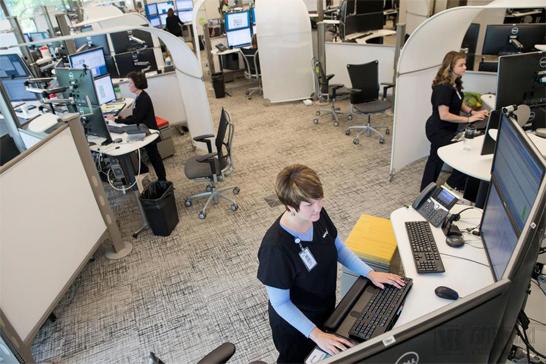
Image source: VCBeat
Routine services provided by telehealth providers generally involve two to three steps. For example, the consultation process for seasonal allergies is as follows:1. Ask the patient a few simple questions about allergy symptoms; 2. The attending physician orders a blood panel, and the patient can have their blood drawn locally; 3. Follow up with the attending physician to review the results, and the physician will provide subsequent recommendations.
Asthma Care Process:1. Conduct a video consultation with the attending physician, during which the patient reports asthma symptoms; 2. The physician provides recommendations and prescribes the necessary medications; 3. The patient can fill the prescription at a local pharmacy and provide feedback to the physician regarding their condition after taking the medication.
The service steps for chronic diseases such as hypertension are:1. Engage in a video consultation with the physician and provide information on blood pressure readings and medication usage; 2. The physician may issue a prescription or recommend new medications based on the patient’s condition, while also offering non-pharmacological advice for blood pressure management; 3. The patient can fill the prescription at a pharmacy and continue to report medication adherence and response to the physician.
A small number of enterprises also offer specialized telemedicine services.
SwyMed has developed a telemedicine equipment backpack equipped with a specialized tablet computer, featuring high-resolution cameras and screens that remain clearly visible even under intense sunlight.
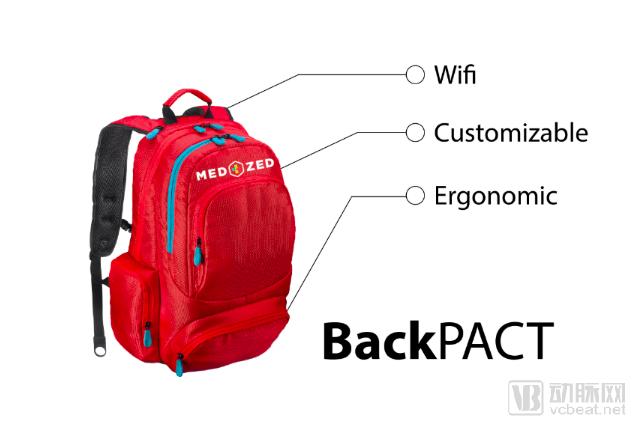
Image source: MedZed official website
Furthermore, the backpack is equipped with two modems and four built-in antennas as a backup solution to maximize signal transmission and reception range. Two digital oscilloscopes inside the backpack enable physicians to perform basic remote examinations of patients, and their built-in batteries provide approximately 15 hours of continuous operation.
In the event of natural disasters such as typhoons, when traffic disruptions prevent patients from being transported to hospitals in a timely manner, rescue personnel equipped with telemedicine backpacks can monitor patients’ vital signs in real time and transmit the data to physicians, who can then directly issue instructions for the rescue personnel to execute.
Another service offered by SwyMed is telemedicine for inmates. Transferring prisoners from correctional facilities to clinics poses various risks and challenges, while also incurring substantial costs. SwyMed now provides telemedicine support to physicians, enabling them to avoid direct contact with inmates and reducing the cost of prisoner medical consultations.
In the United States, where telemedicine is already widespread, services operating over 4G and private networks can provide stable video transmission and IoT device data transfer. With a relatively even distribution of medical resources, telemedicine has become an integral part of routine healthcare. Consequently, while 5G is unlikely to significantly enhance overall telemedicine services in the short term, it holds the potential to revolutionize the U.S. telemedicine landscape in the long run.
On April 30, 2018, telehealth company American Well announced that it would acquire telehealth company Avizia (which had acquired telehealth company Carena in 2017) by the end of the second quarter, aiming to enhance its acute care capabilities in telehealth services.
Telemedicine is inherently an emergency medical service, applicable in special circumstances. The development of 5G enables the application of telemedicine in a broader range of scenarios. For instance, within ambulances, 5G-enabled telemedicine can transmit more medical images and provide patient information to physicians more rapidly, facilitating earlier decision-making. Ambulances can also be equipped with more devices that were previously unusable due to network limitations. Furthermore, patients who are unable to leave their homes can receive care through telemedicine.
Furthermore, for children’s charitable organizations in the United States and residents in remote areas, 5G enables these populations, who previously had limited access to such services, to better utilize remote healthcare consultations. This model is similar to the current state of telemedicine development in China.
Some previously unexplored areas have also seen recent developments. In 2017, Hurricanes Harvey and Irma struck the U.S. Gulf Coast and Southeast, causing significant casualties. Many healthcare providers, equipped with telemedicine backpacks, were able to conduct patient assessments and treatments without the need for transfer. Telemedicine demonstrated immense value during these two disasters, underscoring the critical need for stable network connectivity in such outdoor medical operations.
5G networks will also introduce issues related to security and privacy. As 5G increases the number of devices connected to the network, lawmakers must establish new HIPAA regulations and find ways to protect consumers’ sensitive data in the context of these new technologies. Otherwise, risks such as medical identity theft and data breaches will undermine the credibility of telemedicine; due to privacy and security concerns, users may abandon telemedicine services.
VCBeat conducted a brief analysis and overview of 22 major telemedicine companies in the United States. Among these 22 companies, nine are based in California, three each in Virginia and Texas, two in Florida, and one each in Oregon, Minnesota, Pennsylvania, Arizona, Massachusetts, and New York.
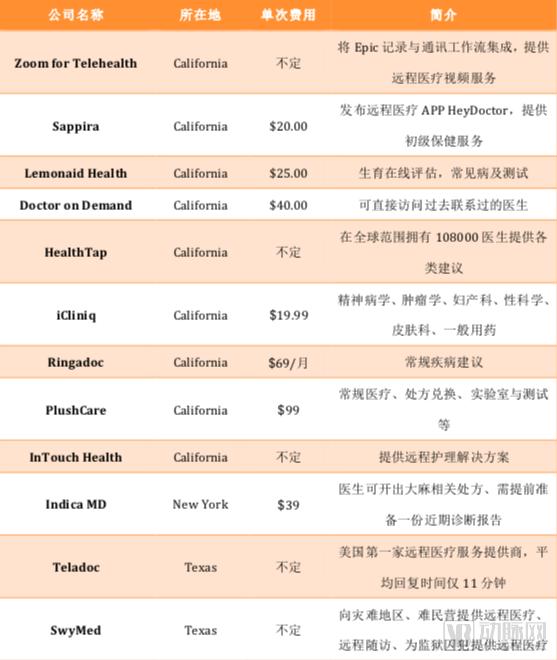
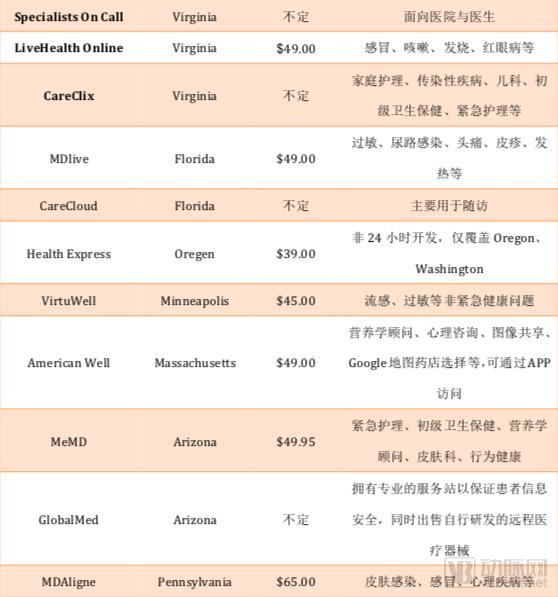
The services offered by these 22 telemedicine providers are largely similar, with only a few companies providing specialized offerings. For instance, Specialists On Call is a company serving hospitals and physicians, acting as an intermediary in the delivery of telemedicine services.
SwyMed, another company, also offers unique services, such as providing telemedicine to prison inmates and developing outdoor equipment to deliver remote emergency medical care in outdoor settings.
Amidst this vast market, numerous telemedicine companies are continuously innovating and addressing their business blind spots through mergers and acquisitions. Meanwhile, some professionals in the healthcare sector are entering this industry by acquiring telemedicine firms.
Teladoc has been active recently. On June 19, 2017, it acquired Best Doctors, the world’s leading medical opinion consulting firm, to enhance its capabilities in health insurance claims management.
On June 2, 2018, Teladoc made another strategic move by acquiring the remote care company Advanced Medical for $352 million to expand into the Latin American and Asia-Pacific markets.
Advanced Medical, founded in 1999, boasts a network of over 450 physicians, operates in more than 125 countries, and provides services in over 20 languages. The company offers behavioral health care, expert medical opinions, specialized medication management, and virtual primary care. This acquisition underscores Teladoc’s determination to expand beyond the United States.
InTouch has also completed two acquisitions, acquiring the telehealth platforms TruClinic and ReachHealth in January and April 2018, respectively, to enhance its telehealth services, particularly by strengthening its care delivery capabilities.
In March 2017, GlobalMed acquired TreatMD, a Miami-based startup specializing in consumer-facing telemedicine. While GlobalMed has primarily focused on developing hardware and software to enable site-to-site telemedicine within hospitals and healthcare systems, TreatMD provides direct-to-consumer telemedicine services. This acquisition may signal GlobalMed’s further expansion into the patient-centric telemedicine sector.
Amid fierce competition, some companies have met their Waterloo. Practice Fusion, an electronic health record company once valued at $1.5 billion, acquired Ringadoc in 2014 to advance its telemedicine initiatives; its valuation has since dropped to $100 million.
Seeking Progress Through Differences
The mature health insurance system in the United States, the evenly distributed hospital network, and restrictions on video streaming have, to some extent, hindered the development of telemedicine; however, cumbersome appointment procedures and high travel costs have continued to drive its growth.
The most valuable segment of this development is chronic disease management under telemedicine. After thoroughly understanding a patient’s health status, physicians receive real-time data transmitted through various monitoring devices. In this setting, doctors can directly observe patients’ physical and emotional changes via video consultations and provide care recommendations for the subsequent period. Such recommendations are highly accurate, while also eliminating the time and costs associated with hospital visits, which is particularly beneficial for patients with limited mobility.
Internet healthcare in China differs from that in the United States, and it is unlikely to reach the level of U.S. telemedicine in the short term. This is because most U.S. telemedicine companies collaborate with commercial insurance providers, deriving a significant portion of their revenue from them. In contrast, China’s commercial medical insurance sector is still in its early stages of development, and residents primarily rely on state-sponsored medical insurance.
Limited revenue makes it difficult to drive service upgrades; therefore, the U.S. model cannot be directly replicated in China at this time. Of course, we do not need to fully adhere to the U.S. development model for internet healthcare, but we should still reflect on its strengths and adopt the best practices where appropriate.