

Dr. Xun Jia Joins Lianxin Medical as Scientific Advisor to Address Shortage of Medical Physicists with AI
Recently, VCBeat learned that Dr. Jia Xun, Associate Professor at the University of Texas Southwestern Medical Center and Director of Medical Physics in the Biomedical Engineering PhD Program, has joined Lianxin Medical, a Chinese radiotherapy AI company, as Scientific Advisor.It will provide support for Lianxin Medical's research in the fields of oncology treatment and automatic target volume delineation.
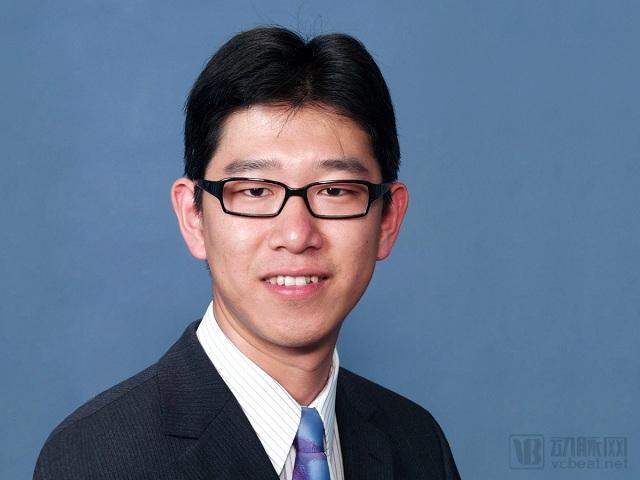
Dr. Jia Xun
Introduction to Dr. Jia XunIn 2009, Jia Xun conducted postdoctoral research at the University of California, San Diego, and subsequently secured an assistant professor position. He joined UT Southwestern Medical Center in 2013, was appointed associate professor in 2015, and served as Director of the Medical Physics Track within the Biomedical Engineering Ph.D. program.
Dr. Jia Xun’s primary research focuses on the application of image-guided and Monte Carlo dose calculation simulation systems in tumor radiation therapy. He has extensive expertise in cone-beam CT image reconstruction, automated treatment planning methods, and GPU-based high-performance computing. Dr. Jia has published 110 SCI-indexed papers and over 200 conference papers. He serves as the principal investigator for 12 grants and as a co-investigator for 8 others, including two R01 and three R21 awards from the U.S. National Institutes of Health (NIH).
In addition, Jia Xun has received the John Laughlin Young Scientist Award from the American Association of Physicists in Medicine (AAPM), the Resident Clinical/Basic Science Research Award from the American Society for Radiation Oncology (ASTRO), and the Young Investigator Award from the International Conference on the Use of Computers in Radiation Therapy (ICCR).
Lianxin Medical: An AI Company That Understands Radiotherapy
Jia Xun stated that he joined the Lianxin team due to their shared research interests and goals, with the hope of jointly advancing the further development of radiation oncology.
Dr. Jia Xun is not only a university professor but also a medical physicist, dedicating three and a half days each week to research work.
He believes that the true purpose of conducting research is to serve patients; if it is done solely for the sake of publishing papers, it loses its genuine significance. Collaboration with industry aims to ensure that his research can truly realize clinical value.
Our collaboration with Lianxin Medical is also driven by the fact that Lianxin Medical is a company that truly understands radiation therapy. In the field of radiation therapy, physicians are required not only to perform image recognition but also to conduct dose calculations and develop radiation treatment plans. Artificial intelligence technology can provide substantial support throughout this process.
Jia Xun told VCBeat that Lianxin Medical was founded by Dr. Zhang Hua, an expert well-versed in radiation oncology who has conducted radiation therapy-related research at the Netherlands Cancer Institute and the University of California, San Diego. These research experiences have given him a profound understanding of the pain points and needs in the field of radiation oncology.
After serving as a scientific advisor to Lianxin Medical, Jia Xun will primarily provide technical support to the company. Jia Xun’s laboratory is affiliated with the Medical Artificial Intelligence and Automation Laboratory at the University of Texas, focusing on research in artificial intelligence for radiation therapy. Research outcomes that are well-suited for commercialization will be brought to market through collaboration with Lianxin Medical, ensuring that Lianxin Medical remains at the forefront of innovation.
In addition to research in the field of artificial intelligence, Jia Xun is also engaged in radiotherapy-related research, such as dose calculation. His research achievements have significantly accelerated Monte Carlo-based dose calculations, reducing computation time from hours or even days to the order of seconds.
Jia Xun emphasized,Artificial intelligence is not the end goal; advancing research and applications in radiation therapy is. The mission of Lianxin Medical and its research endeavors is to better address challenges in radiation therapy. AI serves merely as a tool in this process. To optimize research and promote advancements in radiation therapy, they will employ any tools that meet their needs.。
Two Key Challenges in Radiation Therapy Technology
According to data released by the WHO, approximately 70% of cancer patients require radiotherapy during their treatment course, and about 40% of cancers can be cured with radiotherapy. The role and significance of radiotherapy in tumor treatment are becoming increasingly prominent, making it one of the primary modalities for treating malignant tumors.
In China, there were 4,292,000 newly diagnosed cancer cases in 2015. Among them, 3,004,400 new cases required radiotherapy. According to the "Survey on the Basic Situation of Radiotherapy in Mainland China in 2015," a total of 919,339 patients received radiotherapy throughout the year, accounting for 30.5% of the new patients who needed radiotherapy.
Radiotherapy is an effective treatment modality, but it also presents two challenges.
Dr. Jia Xun stated that the primary modalities for tumor treatment include radiation therapy, chemotherapy (pharmacological treatment), and surgical intervention. Radiation therapy is a precise treatment modality. While surgeons use scalpels to excise tumors, radiation therapy employs invisible rays to “resect” the tumor.
The first challenge in using radiation to “cut” tumors is minimizing the impact of radiation on normal tissues during radiotherapy.. Radiation passes through normal tissues to irradiate the tumor target area, and researchers are currently investigating how to design treatment protocols to minimize the impact of radiation on normal tissues.
Another challenge is that tumor treatment is a dynamic process, during which the tumor's size, shape, and position relative to other organs may change.. Developing a treatment plan and implementing it often takes a week, while the entire course of treatment may last several weeks. It is challenging for physicians to adjust the treatment plan in response to tumor changes, as higher-quality treatment plans are associated with improved patient survival rates.
Shortage of Medical Physicists Can Be Compensated by AI
Beyond technical challenges, the development of radiotherapy also involves human factors. Jia Xun stated that there is a certain gap between China’s radiotherapy technology and international standards.
Quality control requirements during radiotherapy are extremely stringent. A medical physicist must perform quality assurance checks on the linear accelerator every month to keep deviations within a controllable range, thereby ensuring the accuracy of dose delivery during treatment.
However, there is a significant gap in China regarding the number and training of medical physicists. In 2015, the total number of radiotherapy practitioners nationwide was 50,736, including 15,841 physicians (including oncologists from general hospitals), 3,294 physicists, 23,152 nurses, and 8,454 technicians. Compared with 2011, the number of radiotherapy practitioners increased by 63.74%, and the ratio of physicians to physicists engaged in radiotherapy decreased from 5.24:1 in 2011 to 4.81:1 in 2015 (The relationship between radiation oncologists and medical physicists is akin to that between surgeons and anesthesiologists. Effective anesthesia is a prerequisite for the successful execution of surgery, while medical physics ensures the proper implementation of radiotherapy plans. Each party fulfills its distinct role, yet they complement each other and are both indispensable. In developed countries and regions such as the United States, the ratio of medical physicists to radiation oncologists is approximately 1:1.)
Qualified medical physicists require rigorous training. While significant progress has been made in this field in China in recent years, further strengthening is still needed, particularlyAt municipal and county-level hospitals. Excellent medical physicists are the core personnel ensuring the implementation of high-quality treatment plans.
In the face of a shortage of qualified medical physicists, artificial intelligence offers a potential solution. Lianxin Medical’s approach leverages cloud computing and remote collaboration platforms, integrated with AI technologies, to automate the evaluation and optimization of radiotherapy treatment plans. This liberates medical physicists from repetitive tasks, while a cloud-based quality control system maximizes their professional contribution, thereby ensuring rigorous quality assurance in radiotherapy.
Dr. Jia Xun emphasized that both technical challenges and the shortage of medical physicists can be addressed to some extent through AI technology. Dr. Jia expressed hope that, as collaboration with Lianxin Medical deepens, certain issues in radiotherapy in China will be gradually resolved, and advanced international radiotherapy expertise will be introduced into China and integrated into clinical practice.