

Physician-Facing Mobile Health App Usage Survey Report: Doctors Show Pragmatic Needs, with Utility-Focused Apps Poised to Lead the Market
First and foremost, we extend our sincere gratitude to the physician readers who participated in this survey. We thank you for supporting VCBeat’s work amidst your busy schedules. VCBeat remains committed to serving the development and progress of the healthcare industry.
For physicians, the demand for mobile health apps is relatively niche and specialized, with a stronger sense of purpose. Therefore, the development trends of physician-oriented mobile health apps will inevitably differ from those of the traditional medical internet industry.
To understand physicians’ needs for mobile internet usage, clarify the current state of the physician-facing mobile health app market, and enhance physicians’ user experience with mobile health applications, we have released this survey report on physicians’ use of mobile health apps, providing relevant enterprises with referenceable user research data.
Currently, the medical mobile Internet apps used by doctors can be divided into three major categories:
One category comprises tool-based mobile applications that leverage information technology to assist physicians in diagnosis and treatment and enable real-time patient management, thereby enhancing service efficiency; these include electronic medical record (EMR) management tools, physician-patient communication apps, and clinical decision support apps.
One category comprises knowledge-service apps that enhance physicians’ expertise by delivering valuable content such as technical resources, timely updates, and medical knowledge; examples include medical record apps, healthcare news apps, and continuing medical education apps.
One category consists of link-based platform apps designed to enhance physicians’ personal influence, such as medical consultation apps and physician community apps.
This survey was primarily conducted by leveraging the physician resources available on the VCBeat platform. Questionnaires were distributed randomly, and the collected responses were analyzed to compile this report. We gathered approximately 1,000 completed questionnaires from physician users. The sample encompasses a wide range of medical service institutions across China, spanning from tertiary hospitals to primary care facilities, thereby achieving comprehensive coverage and sufficient dispersion within the healthcare sector. Consequently, although this report is based on a sampled subset, its findings possess a certain degree of representativeness. The basic information regarding the specific data sources for the survey is as follows:
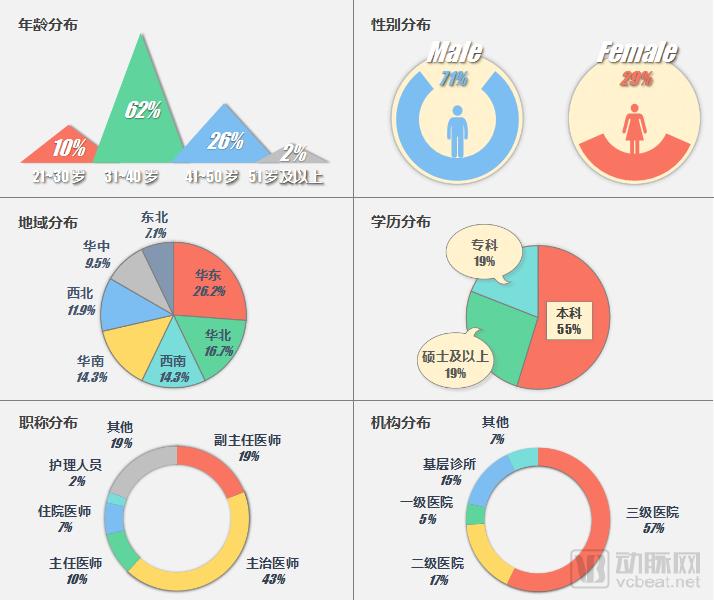
Figure 1: Distribution of Survey Samples
Report Viewpoint Summary:
Among physicians, mobile health apps have achieved high penetration, while the number of apps used per individual user remains low; market growth is driven by the process through which users articulate their diverse needs.
The internet is a crucial channel for the dissemination of mobile health apps, and word-of-mouth continues to play a significant role in their development. This underscores that the practical utility of an app—enabling users to apply what they learn—has become key to its product propagation.
Digitalization in healthcare is becoming increasingly prominent, with 77% of physician users being high-frequency users of mobile health apps (using them at least once every two days). Time cost has become the biggest barrier to app usage.
There is a disconnect between knowledge-service apps and the practical realities of medical practice; enabling physicians to effectively apply the content in clinical settings is key to winning their favor.
From peripheral services to core medical service delivery: The trend in mobile health app development, with utility apps serving as representative products penetrating the core medical service segment.
Mobile Health App Coverage Is High; Three Apps Can Meet the Needs of Most Physicians
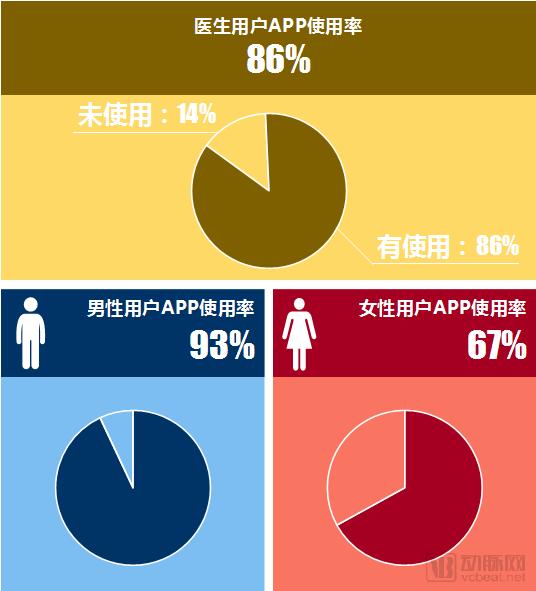
Figure 2: Current Status of Physicians’ Use of Mobile Health Apps
Survey results indicate that the user penetration rate of medical apps for physicians in China is currently high, with over 86% of doctors having used such physician-oriented medical applications.

Figure 3: Distribution of the Number of Medical-Related Apps Used by Physicians
In terms of the number of apps used, the largest group of users reported using “four or more.” However, it is worth noting that 58% of users have no more than three mobile health apps, which is clearly insufficient to meet the diverse usage needs of physicians.
We believe that there are two main reasons for this phenomenon:
On the one hand, this may be because medical apps feature strong functional integration, allowing physicians to meet their usage needs with only a few apps;
On the other hand, it may also be because doctors do not have time to use too many apps.
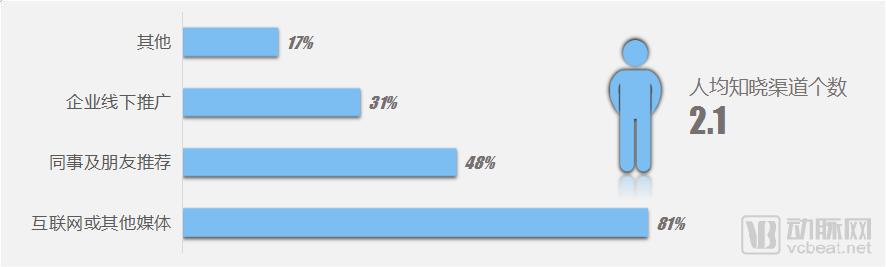
Figure 4: Channels Through Which Physicians Become Aware of Mobile Health Apps
Regarding channels of awareness, physicians primarily learn about mobile health apps through the internet, with over 80% of physician users discovering these apps via online sources.
Exceeding48% of users have learned about mobile health apps from their colleagues. This indicates that product reputation has a significant impact on mobile health apps, and word-of-mouth dissemination is a crucial strategy for their expansion. Apps that doctors are willing to recommend must be those that enhance their workflow and professional capabilities, which impliesThe practical value of products is becoming key to enhancing the influence of apps.
The average number of usage motivations per person is close to three,“Apply What You Learn”BecomeMobileMedicalAPP'sCoreValue
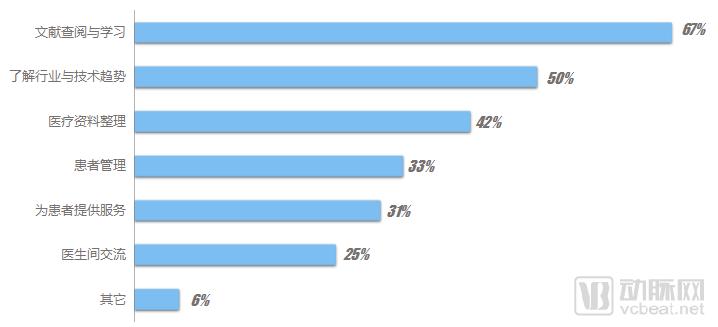
Figure 5: Distribution of Physicians’ Motivations for Using Mobile Health Apps
67% of users utilize the app for literature search and learning, while 50% use it to gain industry insights and understand trends in medical technology. The desire for knowledge is a significant driver for physicians’ adoption of mobile health apps. Therefore, incorporating features that address users’ informational needs can substantially enhance the appeal and user demand for mobile health app products.
Notably, patient management is closely aligned with recent healthcare reform policies, such as the family doctor system and tiered diagnosis and treatment. Based on historical data, we have found thatPatient management is the fastest-growing demand in recent years.
Among the six usage reasons provided in our survey questionnaire, respondents’ selections were relatively dispersed, with an average of 2.57 reasons selected per respondent. Even the least-selected option, “communication among physicians,” still received votes from 25% of physician users. This indicates that physicians’ motivations for using the app are highly diverse. Companies can address user needs through multiple pathways; satisfying a single need can effectively reach a large segment of the physician population.
It also indicates that,There are two types of companies in mobile healthcareAPPs hold a distinct advantage in industry competition; one category comprises platform-based APPs with extensive feature integration,create a traffic siphon effect to gain competitive advantage; the other category isDeep CultivationSub-sector,Enhance product demand while building a closed-loop service ecosystem, becoming a unicorn in niche functional domains.
However, overall, the latter also needs to provide relatively diversified application services to meet the usage needs of more users, andAlthough the knowledge services segment exhibits severe homogenization in the competition among mobile health apps, the substantial user demand underlying it cannot be overlooked and should be considered as an essential feature by all app developers.。
Among physicians’ favorite apps, knowledge-based learning apps are the most popular, with over 50% of physicians selecting “knowledge-based learning apps” as their preferred product category.
High Physician Interest, with Time Cost Becoming the Biggest Barrier to Medical Applications
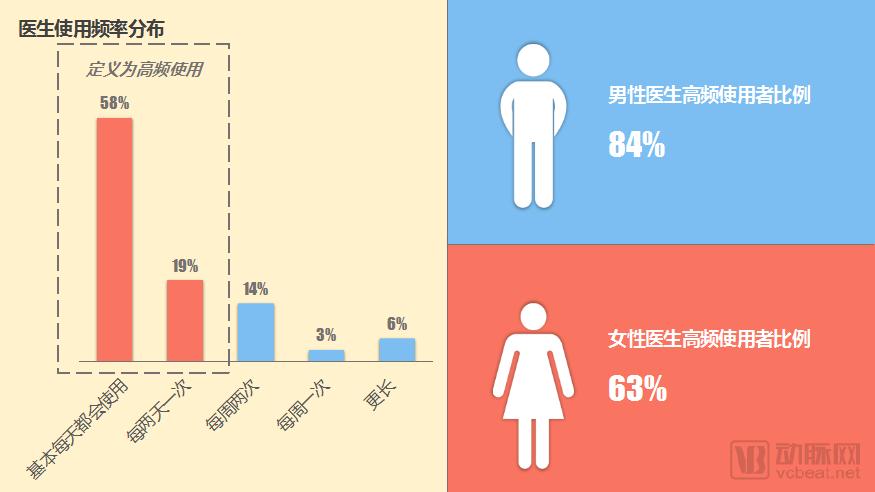
Figure 6: Distribution of Physicians’ Frequency of Using Mobile Health Apps
58% of physicians use mobile health apps on a daily basis. Defining users who access these apps more frequently than once every two days as high-frequency users, over 77% of the surveyed physicians fall into this category.
The emergence of high-frequency users signifiesMobile healthcare has become a trend. Its immediacy and efficiency are gradually unlocking the value of physicians, and a win-win situation for mobile healthcare vendors and physician users is beginning to emerge.
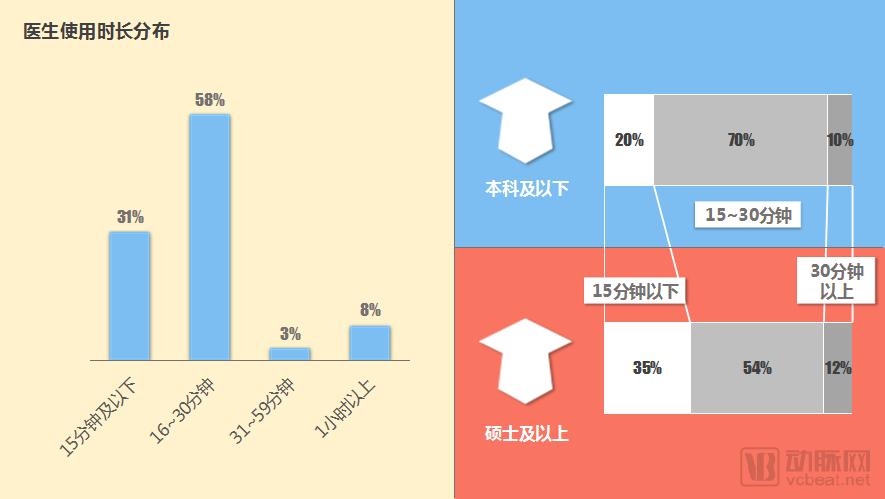
Figure 7: Distribution of Physicians’ Usage Duration of Mobile Health Apps
Nearly 90% of users spend no more than 30 minutes on the app, while over 58% of physicians use medical apps for 16 to 30 minutes.
In fact, educational attainment is inversely correlated with usage duration. By dividing the survey respondents into two groups—those with a bachelor’s degree or below and those with a master’s degree or above—we found that 35% of physician users holding a master’s degree or higher reported usage durations of no more than 15 minutes, whereas the corresponding proportion among physicians with a bachelor’s degree or below was only 20%.
Clearly,Educational attainment is inversely correlated with duration of use, a phenomenon attributable to three factors:
1、The higher the educational attainment, the higher the tier of the medical institution where they are employed, and the more critical the positions they hold; therefore, physicians in the healthcare sectorLess time spent on the app has affected the usage duration of mobile health apps.
2. In the survey sample, physicians with a bachelor’s degree or below largely originate from primary care settings. The lack of medical information systems in these settings has made this group of physicians more inclined to use mobile health apps, reflecting the growing demand for digital healthcare among primary care physicians.
3. In the collaboration of medical services, procedures are primarily performed by junior physicians, who often hold a bachelor’s degree or lower. Their workflow is more likely to generate demand for mobile health apps, thereby increasing usage duration.
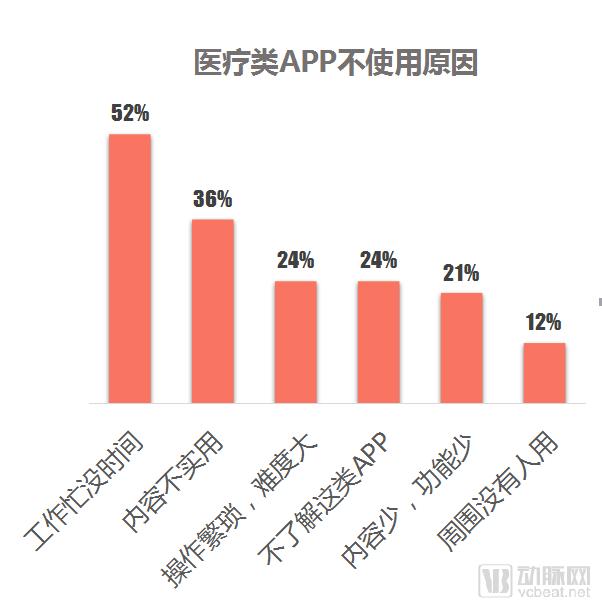
Figure 8: Reasons Why Physicians Do Not Use Mobile Health Apps
“Busy with work, no time” is the main reason why doctors do not use mobile health apps, with over 52% of users selecting this option. Such questionsThis presents a distinct opportunity for utility-based medical apps. The essence of such apps is to enhance physicians’ efficiency. While other apps focus on minimizing the time physicians spend using them, utility-based apps aim to create greater time flexibility for physicians by boosting their operational efficiency.
Meanwhile, the lack of practicality in the content of knowledge-based service apps is also a significant reason why users do not use such apps. From another perspective, this revealsKnowledge-service apps are often disconnected from the practical realities of medical operations, making the knowledge and literature they provide difficult to apply in clinical practice. For tool-based apps, this represents a core competitive advantage over information-platform medical apps.
Mobile health enterprises should enhance the practicality of app content, reduce low-value information, and enable physicians to “apply what they learn”; meanwhile, products should also lower user costs and improve interactive experience.
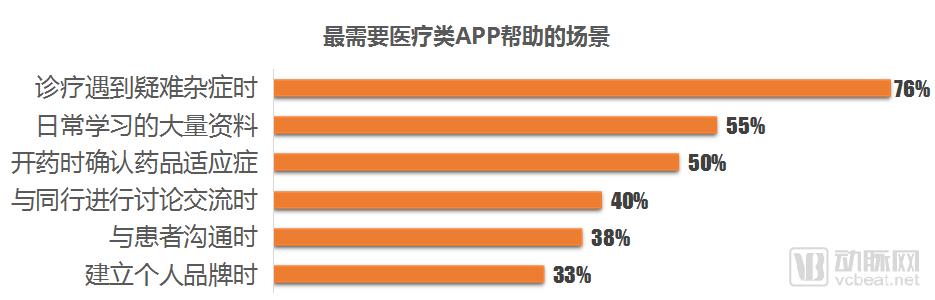
Figure 9: Scenarios in Which Physicians Most Desire Assistance from Mobile Health Apps
When asked, “At what time do you most hope to receive assistance from a medical app?”, over 76% of patients indicated that they needed help most when encountering difficult and complicated cases during diagnosis and treatment. Similarly, “confirming drug indications when prescribing” was the third most common scenario, with 50% of doctors selecting this option. These two types of needs fall under specific medical service scenarios, whereas the previously most favored need among doctors for knowledge enhancement ranked only second.
This may be because,Although knowledge-based services are the primary reason most users engage with medical apps, their needs have been largely met, resulting in relatively low urgency. In contrast, addressing specific practical issues encountered by physicians in clinical practice represents the most pressing demand for medical app usage among doctors today.
Utility apps are better positioned to integrate into specific segments of medical services, and those rooted in concrete healthcare scenarios currently hold immense potential for user engagement time.
KnowledgeLearning CategoryAPPCurrentlyMost Used,Mobile HealthcareUtility ClassAPPFutureGrowthOpportunityMaximum
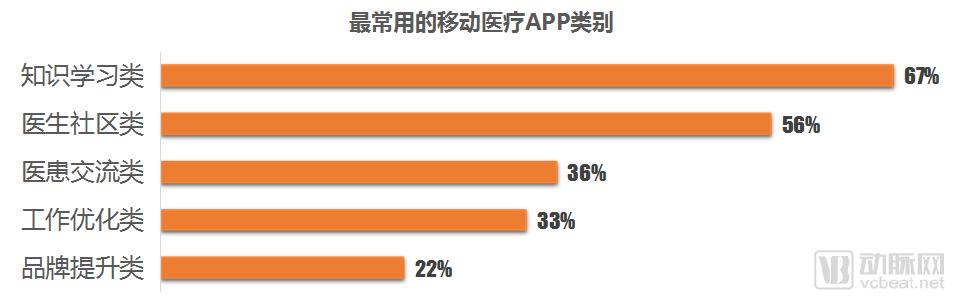
Figure 10: Categories of Mobile Health Apps Most Frequently Used by Physicians
Among the most commonly used medical apps,Knowledge-learning apps are the most frequently used by physicians, while brand-enhancement apps are the least used.
Among the medical tools most commonly used by physiciansIn the app, 67% and 56% of physicians selected knowledge-based learning and physician community features, respectively.This means mobile healthcareUtility AppsAlthough"Carries"CurrentlyThe Most Urgent Needs of Doctors, but the Most Frequently Used Apps by DoctorsStillThey are knowledge-enhancement and social networking apps.
We speculate that this may be attributed to two factors:
1. Utility-based apps have demonstrated poor effectiveness, with no significant improvement in the efficiency of medical service delivery processes to date.
2. User habits for tool-based mobile health apps have not yet been fully established
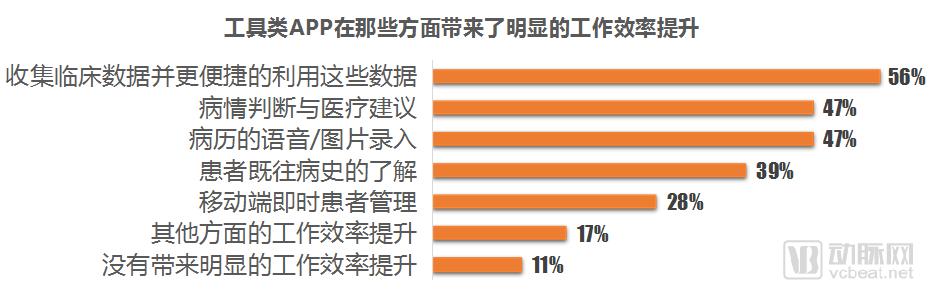
Figure 11: Efficiency Gains Driven by Physicians Using Utility Apps
In the survey of physicians, only11% of users stated that utility-based medical apps do not help improve work efficiency, indicating that the aforementioned Hypothesis 1 is not valid.Most physicians believe that tool-based products have delivered tangible and significant efficiency gains in their work, particularly in three areas: clinical data collection, disease assessment, and automated medical record entry.Therefore, the reason why tool-based apps have not yet become the mainstream choice for physicians using medical apps is that many physician users have not yet developed the habit of using such tools due to various reasons.
Doctors Use Mobile HealthcareThe essence of demand for mobile apps lies in enhancing value per unit of time. We believe that tool-based mobile health apps represent the most direct approach to addressing this need. However, compared with knowledge-learning apps, such products have emerged later, face higher entry barriers, and currently lack sufficient brand recognition. Developers of tool-based mobile health solutions should continue to strengthen user education, helping users understand the value of their products and improving productwhile building brand awareness, encourage users to develop the habit of using tool-based applicationsAPP Usage Habits,In the future, as tool-based mobile health apps gain deeper penetration among physicians, the influence of such products will be gradually unlocked, becoming a significant force in enhancing physician efficiency and unleashing healthcare productivity.
Average of 2.5 Search Scenarios per Capita, Out-of-Hospital Patient ManagementMost Popular Use Cases
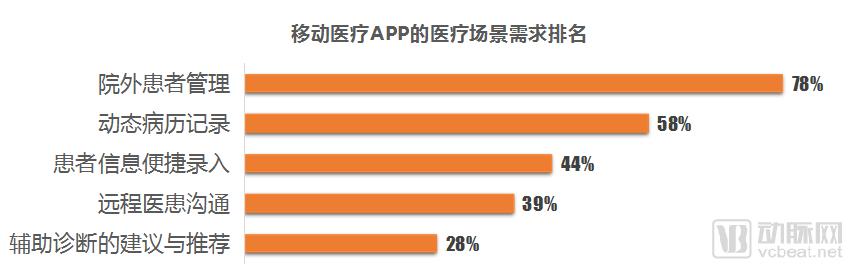
Figure 12: Distribution of Usage Scenarios for Physicians’ Mobile Health Apps
The trend in mobile health apps is shifting from peripheral support to core medical service delivery. In terms of demand scenarios for medical services, over half of physicians selected “out-of-hospital patient management” and “dynamic medical record documentation,” two areas that cannot be overlooked. These findings reflect the most concrete functional requirements physicians currently have for app-based products. In contrast, only 28% of users chose “diagnostic assistance and recommendations,” a figure significantly lower than that for remote patient communication, which ranked fourth.
The average user of mobile health apps has as many as 2.5 medical scenario needs. Tool-based apps are best positioned to penetrate the healthcare service delivery process.For manufacturers, this not only indicates a strong demand for tool-based apps but also suggests that the market offers multiple entry points.
Overall,Whether in primary healthcare institutions or tertiary hospitals, physicians have largely established their usage habits for mobile health apps., nearly all doctors have installed one or even several mobile health apps, and many of them are frequent users.
But this does not mean that the market space for mobile health apps has peaked; in fact,Physicians’ needs are highly diversified; as their cognitive frameworks evolve and manufacturers deepen user education, these needs will be continuously uncovered and articulated. Therefore, the future growth of the mobile health app market is essentially a process of the ongoing expression of physicians’ needs., the increase in physician demand or the expression of latent demand will drive diversification in the product forms of the mobile health market, thereby bringing incremental growth and development to the industry.
Our research clearly reveals that most physicians are eager to receive support from mobile health apps across multiple dimensions, particularly in clinical practice. However, the mobile health apps currently in use often fail to meet these needs. For instance, while physicians desire assistance with voice and image input for medical records, the mobile health apps most frequently used by them are primarily those providing medical news and information.
We can understand it this way: at the early stage of mobile health app development, the apps that first entered the healthcare industry were typically platform-based information or linkage apps. These apps were not strongly correlated with the actual medical service delivery process, and thus failed to meet physicians’ professional needs.
As physicians’ awareness has evolved and certain utility-focused apps have educated them through market exposure, the medical community has gradually come to recognize that apps can enhance their operational efficiency in specific areas, rather than serving merely as information platforms or connectivity tools. This shift has enabled physicians to articulate their deeper professional needs. At a macro level, these needs are closely tied to the pain point of excessive occupational pressure faced by physicians.
Currently, scenario-based demands within the healthcare service delivery process are becoming increasingly prominent. Physicians are turning to mobile health apps to enhance their work efficiency and professional competencies, signaling future development trends and opportunities for mobile health applications.The development of mobile health apps has evolved from a broad to a focused approach, and from top-down to increasingly refined and in-depth. Tool-based apps, represented by this model, will find opportunities for growth as more latent needs of physicians gradually come to the forefront. For physicians, well-designed product logic in tool-based apps can bring tangible efficiency improvements to daily medical practice. Consequently, the role of mobile health apps will shift from being connectivity platforms and knowledge gateways to becoming work assistants and efficiency tools.