

How Four Leaders of Top-Tier Hospitals Approach Brand Building for New Hospitals
Encouraged by policy support and favorable developments in the broader health industry, social capital has aggressively invested in building new hospitals or acquiring existing ones.
According to the Statistical Yearbook of the National Health and Family Planning Commission, since the launch of the “New Healthcare Reform,” the number of private hospitals has increased by approximately 1,500 per year, while the number of public hospitals has shown a declining trend. The number of private hospitals surpassed that of public hospitals for the first time in 2015 and reached 16,400 by the end of 2016, exceeding the number of public hospitals by nearly 4,000.
Recently, listed companies including Guangzheng Group, Kangzhi Pharmaceutical, Tonghua Jinma, and Hengkang Medical have successively announced plans to acquire hospital assets.
Acquiring or building a hospital is relatively straightforward, provided investors have ample capital and abundant resources. However, operating a hospital and establishing its brand is no easy feat, especially in today’s landscape of increasing strategic homogenization and intensifying competition, where major healthcare institutions are placing greater emphasis on brand building.
A key factor enabling top-tier hospitals both domestically and internationally to distinguish themselves from others is the establishment of a reputable hospital brand through long-term development.
How to Build a Hospital Brand? At the 2018 China Hospital Development Conference hosted by DXY, VCBeat gained insights from a group of hospital presidents with unique perspectives on hospital branding. Here we highlight four representative leaders: Zhao Ping, former president of the Cancer Hospital of the Chinese Academy of Medical Sciences; Sun Hong, president of Xiangya Hospital of Central South University; Chen Zhengying, Party Secretary of the Second Affiliated Hospital of Zhejiang University School of Medicine; and Wu Suying, Deputy Party Secretary of Henan Provincial People’s Hospital. Let’s hear their views on how to build a hospital brand.
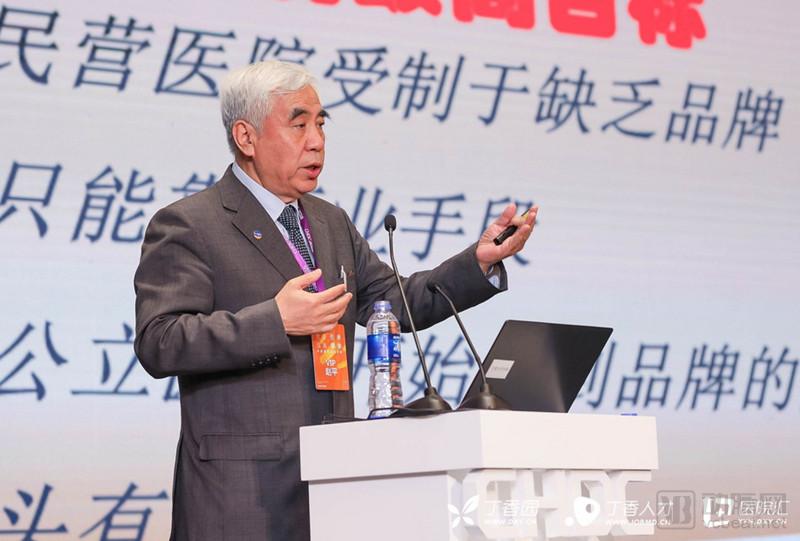
Zhao Ping, Former President of the Cancer Hospital, Chinese Academy of Medical Sciences
In fact, there are many hospitals with strong medical brands worldwide. Examples include Peking Union Medical College Hospital and the Cancer Hospital of the Chinese Academy of Medical Sciences in China, as well as KU Leuven in Belgium and the Cleveland Clinic.
Zhao Ping, former president of the Cancer Hospital of the Chinese Academy of Medical Sciences, believes that building a hospital’s brand is inseparable from talent, particularly the hospital president. During the unique era he experienced, anyone could serve as a hospital president, including workers and People’s Liberation Army personnel. However, whether one could effectively fulfill the role of hospital president is another matter altogether.
A capable hospital president brings brand equity to the institution, endowing it with bargaining power. This constitutes an intangible asset for the hospital, and such intangible assets should not be underestimated. It is akin to the difference in impression conveyed by carrying a Louis Vuitton bag versus a bag costing only a few dozen yuan.
There are several approaches to building a hospital’s brand. One is through medical services, as exemplified by the Mayo Clinic in the United States; another is by reviving the hospital’s historical name, as many hospitals are now doing, since their legacy names often carry stronger brand equity than their current ones.
In this way, a hospital’s brand has become an intangible asset, reflecting its reputation and status, serving as a competitive lever in the healthcare market, and acting as a magnet for medical resources. Because healthcare is an inelastic demand, patients follow where the best doctors are.
Although the state currently encourages the development of private capital, medical resources (patients and physicians) remain concentrated in public hospitals, particularly physicians. As healthcare reform advances, high-quality medical resources are increasingly tilting toward Grade A tertiary hospitals in major cities, with public hospitals absorbing a significant share of these premium resources.
To date, both public and private hospitals require branding, as brand equity determines their competitiveness. How can a hospital build its brand? First, establish branding as the hospital’s overarching strategic objective; for instance, by applying the 7S management framework, where all elements reinforce one another.
A hospital’s brand is shaped by a combination of factors, not just a single one. Just as a renowned expert alone cannot drive the overall influence of a hospital, there must be clear expectations for departments, reflected in the contribution of departmental leadership teams to the hospital’s strength. This contribution constitutes an irreplicable core competency both domestically and internationally, akin to the unique status of Coca-Cola worldwide.
Hospital brands are also stratified. Different hospitals can set achievable victories as their next targets based on their actual circumstances. For them, becoming a world-class hospital is the next goal. Central hospitals benefit from strong national policy support, but they must also establish themselves as centers for diagnosing and treating complex and rare diseases, and serve as hubs for collaboration in medical care, education, research, and prevention. Only then can they build a strong brand.
Hospital structure is also a component of the brand, but the most critical element lies in its talent. Professionals must possess advanced educational backgrounds and solid foundational training, enabling them to perform duties commensurate with senior professional titles, assume administrative leadership roles, or demonstrate specialized expertise.
In 2006, upon his reappointment as Dean, Zhao Ping established and solidified a team of 100 distinguished experts, comprising graduate supervisors, leading specialists in their respective fields within China, and authoritative figures in the domestic academic community. These individuals are pioneers who have made significant contributions to the development of their disciplines; they hold prominent positions in national or international academic organizations and have served as chief experts for major national scientific research projects.
A strong hospital culture is also one of the elements that reflect a branded hospital, and the hospital president is one of the representatives of hospital culture. In China, culture has long been neglected, especially by hospital presidents. In fact, the current medical disputes in China are precisely the result of hospitals failing to keep pace with cultural reforms in medicine, humanities, and sociology. He once said, “The organization assigned me to serve as the hospital president, so I must effectively coordinate the relationships among four parties: the government, the hospital, patients, and staff. This is a principle I have adhered to throughout my ten-year tenure.”
Reputation is the lifeline of a hospital’s brand, carrying the trust patients place in it with their lives. Patients’ focus on medical quality is reflected in people, processes, and facilities; from the perspective of treatment quality, physicians should prioritize technical expertise. Therefore, the selection of a department director is critical, as this individual determines the fate of the department’s development and influences the overall brand reputation of the hospital.
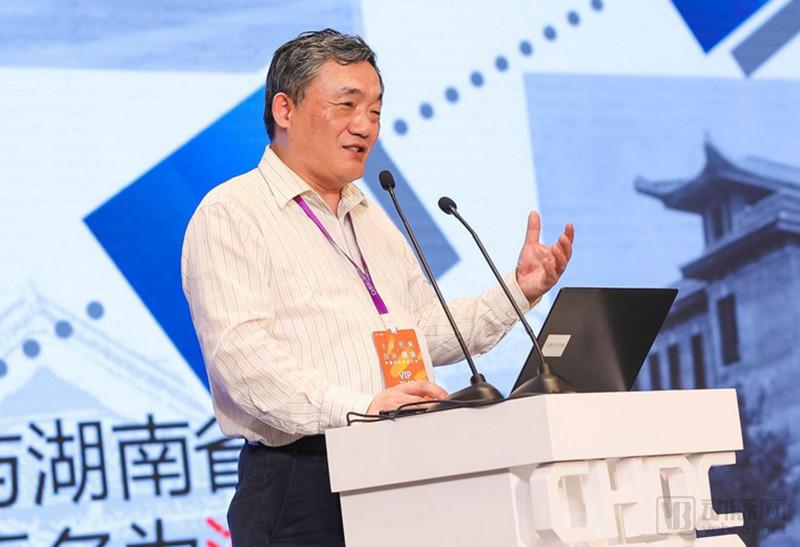
Sun Hong, President of Xiangya Hospital, Central South University
Where Should Hospitals Position Their Publicity Efforts?
“We place publicity work at the center of hospital operations, as publicity is also a productive force,” Sun Hong replied. If publicity efforts are inadequate, the impact of many other initiatives may be compromised.
Xiangya Hospital of Central South University currently has 3,500 authorized beds, 88 clinical and medical technology departments, an average length of stay of 9.58 days, 5 national key disciplines, 5 national-level premium shared courses, and 25 national key clinical specialty construction projects. The hospital handles over 3 million outpatient and emergency visits annually, discharges 130,000 inpatients per year, and performs 70,000 major and medium-sized surgeries annually. It also enrolls more than 1,700 graduate students and over 1,200 undergraduate students.
How Should a Large Hospital Promote Itself? Sun Hong introduced that promotional work is akin to telling stories from the heart. Only with genuine emotion can there be warmth, as warmth makes the audience feel cared for. With genuine emotion and warmth, the message will ultimately be well-received and accepted by the audience.
Easier said than done. Sun Hong has undertaken numerous initiatives to shape the hospital’s culture. What brought him the greatest satisfaction was the publication of the book *The Spirit of Xiangya* in early 2016, commemorating the anniversary of Central South University Xiangya Hospital. The aim was to promote Xiangya Hospital through this cultural medium and to harness the collective wisdom of all Xiangya staff.
During this process, he consulted many friends and received a consistent answer: storytelling. He promptly convened a meeting and, starting after the 2016 Spring Festival, began soliciting one to three stories from each hospital employee. The primary requirement was that each story must first move the person who experienced it. He initially expected to receive 100 stories; surprisingly, within less than three months, hundreds of touching stories were collected.
Next, a team was assembled, including faculty and students from the School of Liberal Arts at Central South University, to help the hospital compile and edit the narrative manuscripts. They later told Sun Hong that they were moved to tears as they read through the stories. Within less than a year, the book was completed. “I wrote the preface with deep emotion,” said Sun Hong.
Following the book’s release, hospital staff and Sun Hong’s friends alike expressed hope for a second edition. This underscores that effective promotion must be warm and resonate with readers. Additionally, Sun Hong organized the publication of Notes from a Chief Resident. Through such flexible, diverse, moving, and down-to-earth promotional efforts and writings, he hopes to reach a broader audience, thereby fostering greater understanding of Xiangya Hospital’s culture.
“Through the unadorned voices of healthcare professionals, discussing dedication and happiness, as well as loss and gain, we move our readers. I believe this represents the highest level of public communication,” Sun Hong added.
Moreover, publicity efforts must be guided by top-level design and align with the hospital’s overall development strategy and positioning. Sun Hong stated, “We treat publicity work as a central task of the hospital. Our strategic goal is to build a high-level research-oriented hospital with international competitiveness.”
On this basis, he believes that publicity work must possess the following characteristics:
First, we must embrace innovative concepts and position publicity work as a key driver of productivity. Our hospital adheres to the principles of “no news left overnight” and precise communication in its publicity efforts. In terms of topic selection, we focus on identifying highlights from the frontline and proactively planning news coverage. There are numerous stories emerging from our clinical frontline; simply visiting the emergency room reveals touching narratives every day, and vice versa. Thus, medical work is never devoid of beauty; rather, it lacks only the eyes to discover it. During the 2018 Spring Festival, we produced an 11-part series of reports.
Second, we leverage diverse domestic and international resources to achieve maximum outreach through various modern media channels. Our communication strategy involves comprehensive, resource-integrated, and cross-media proactive planning and promotion, encompassing talent, innovation, and resource platforms.
Third, the promotional content primarily focuses on medical research, management, and public welfare services; distinguished history and disciplinary strengths; and fine traditions and hospital culture.
Fourth, we will focus on amplifying Xiangya’s positive narrative by highlighting its philosophies, case studies, achievements, and plans, thereby showcasing Xiangya’s accomplishments and enhancing the reputation of the Xiangya brand.
Fifth, actively explore new models and methods for rapid work. It is essential to possess technical expertise, service quality, and media support, as well as strong cohesion.
6. Cultivation of Talent for the Publicity Team. Currently, the hospital’s publicity department comprises eight full-time staff members with specialized backgrounds in journalism, media, graphic design, and Chinese literature. Through our guidance and their years of practical experience, this professional publicity team has become the architects of the bridge between doctors and patients, the interpreters who demystify physicians’ work, the chroniclers witnessing the hospital’s development, and the vanguard team responding proactively to public opinion crises.
However, we also have a publicity team of over 250 members, who receive monthly training, supported by our dedicated Training Department. Every audience member is also a spokesperson for Xiangya Hospital. If you can move them, they will become your advocates and disseminators; if you offend them, they will oppose you. Therefore, it is essential to respect the audience and gain their recognition of your viewpoints and performance. Thus, publicity is not merely dialogue; it aims to transform “I” into “we,” aligning the audience with us in shared perspective and stance. In this context, your publicity and brand maintenance take on a different dimension, exerting a significant amplifying effect.
Seventh, promoting the concept that everyone bears responsibility for publicity and building a comprehensive Xiangya publicity team. Through years of education and practice, this ethos has been subtly instilled within Xiangya Hospital. Today, it has genuinely become part of our culture: every staff member serves as an ambassador for Xiangya Hospital’s image. In particular, each year more than 300 of our personnel travel abroad for advanced training, study, and exchange. They carry with them a concise English promotional video, which they present in laboratories while providing commentary. This too constitutes a form of publicity. Such efforts help friends both at home and abroad better understand Xiangya’s history as well as its present-day developments.
To achieve this, the key lies in fostering employees’ trust, sense of belonging, and collective pride in the hospital. In other words, hospital brand building and maintenance are not merely a matter of public relations; while publicity is a key focus, the effort encompasses all aspects of hospital operations, including logistics and support services.
Eighth, we have implemented joint actions to effectively manage public opinion. Our hospital has entered into a specialized agreement with a professional public opinion monitoring firm. We receive a weekly public opinion report that covers industry-wide sentiment as well as significant national trends and policy developments. I place particular emphasis on negative public opinion. Upon identifying such content, I immediately forward it to the relevant departments, which then directly engage the personnel involved to issue warnings and raise awareness. These incidents are formally documented. If a professor is subject to persistent criticism, accountability measures may be initiated. Although we may lack concrete evidence to prove specific misconduct, sustained public complaints invariably indicate underlying issues. Therefore, I am relatively satisfied with our management of negative public opinion.
Ninth, we proactively collaborate with media outlets to promote positive narratives. If you do not engage the media, they will seek you out; therefore, it is better to take the initiative in partnering with them. For instance, programs such as Workplace Health Lessons are joint productions with media partners. Our approach is fully open: we maintain interactive relationships not only with domestic media but also with major international mainstream media outlets.
In terms of selecting promotional channels, we have leveraged all available omni-media resources, including the official website, Weibo, WeChat, and the hospital newsletter. The hospital newsletter is the first of its kind in China and is published on a weekly basis.
Tenth, we are deeply committed to public health education, with all doctors and nurses across the hospital enthusiastically engaged in science popularization. We treat publicity as a core institutional priority, shifting our approach from merely “chasing news” to proactively “managing news,” thereby passing on the warmth of Xiangya Hospital’s century-old brand and ensuring that today’s Xiangya stories resonate with heartfelt warmth.
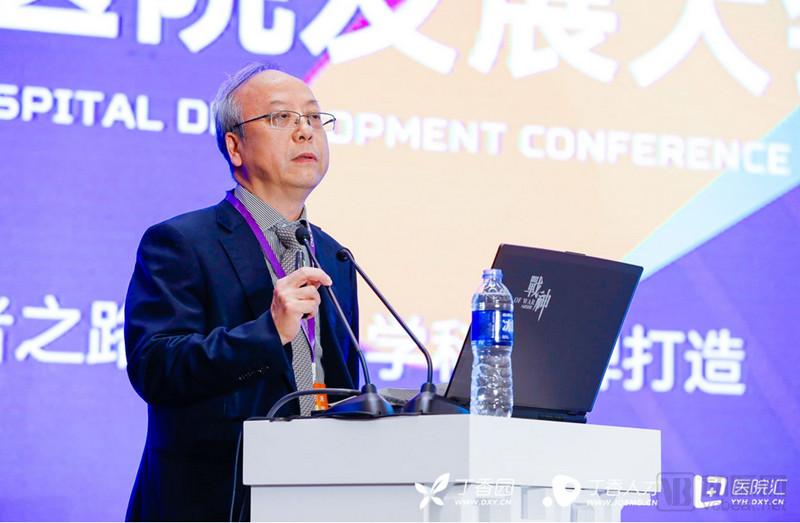
Chen Zhengying, Secretary of the Party Committee of The Second Affiliated Hospital Zhejiang University School of Medicine
The development of a hospital’s specialty brand is not only a necessity for fulfilling its social service obligations but also the foundation for its sustainable growth. In essence, it constitutes the lifeblood and productive force of the hospital. As productive forces determine production relations, while production relations, in turn, react upon productive forces, specialty development undoubtedly serves as a driving force for hospital advancement and represents a vital component of the hospital’s brand.
Generally speaking, the key factor determining the survival and development of public hospitals is the construction of disciplinary brands. The cultural development at The First Affiliated Hospital, Zhejiang University School of Medicine (Zheyi) and The Second Affiliated Hospital, Zhejiang University School of Medicine (Zhe’er) has been centered around building these disciplinary brands. Chen Zhengying, President of Zhe’er, believes that four conditions are necessary for the successful establishment of a hospital’s disciplinary brand:
First is talent.Currently, the talent pool at The Second Affiliated Hospital of Zhejiang University School of Medicine primarily relies on a combination of internal development and external recruitment. Notably, external hires are often brought in to enhance institutional capabilities through mentorship and knowledge transfer.
The second is the platform.Our hospital used to be small, covering an area of 40.2 mu; it has now expanded to Qianjiang New City, occupying a nearby plot of 140 mu with a capacity of 3,200 beds. The facility includes a highly standardized small-animal laboratory spanning 1,200 square meters, as well as a large-animal laboratory acquired directly from Japanese owners for RMB 30 million, making it the largest animal laboratory in East China. It also houses GMP-compliant laboratories, a biobank, and an ethics committee, forming a comprehensive research chain and platform.
Of course, there are also key research bases, including Key Laboratories of the Ministry of Education, National Pharmacology Laboratory of Traditional Chinese Medicine, and 7 Zhejiang Provincial Key Laboratories; many key clinical disciplines, including 15 national-level key clinical disciplines and key training bases at the provincial and ministerial levels under the National Health and Family Planning Commission.
In addition to these research bases, there is a training university established by our hospital. This includes the Second Affiliated Hospital of Zhejiang University School of Medicine Training Base, which offers training for middle-level cadres, Party members, and new employees, as well as physician and nurse assemblies, serving as the foundation for discipline development.
The hospital also employs numerous clinical promotion strategies, including the Guangji Academic Week. Held annually, this event features 69 specialized exchange sessions, facilitating continuous dialogue among tens of thousands of participants from around the world.
Moreover, we have continuously organized clinical Grand Rounds academic activities since 2015, inviting experts from various regions to engage in academic exchanges and providing a robust platform for scholarly discourse.
Therefore, the platform serves as an indispensable component of discipline development. While it provides a stage, it continuously evolves and transforms with progress. Without innovation, the platform cannot achieve significant impact.
Third is innovation, particularly technological innovation.Technological innovation is an indispensable component of brand building. At our hospital, we host numerous technological innovation forums annually, including competitive symposia. What we take the greatest pride in is our clinical innovation syndromes, which have significantly enhanced our work, disciplines, and the hospital’s overall impact. For instance, we pioneered the emergency syndrome model, addressing conditions such as craniocerebral emergencies, chest pain, and respiratory distress. Often, even national leaders visiting our facility are initially uncertain whether a patient’s symptoms stem from chest pain or a craniocerebral issue, underscoring the need for this new emergency syndrome approach. Recently, the National Healthcare Security Administration brought many experts from across China to our hospital for study and guidance. We believe we have thus created a novel model for innovation.
In terms of model innovation, the hospital has pioneered numerous aerial network initiatives, such as the "Air 120" emergency service. While this should ideally be a state-led initiative, the government has not yet rolled out such services. Given that many patients require the fastest possible transport to hospitals, we partnered with an aviation company to establish the Air Emergency Hospital Alliance. This alliance comprises over 500 hospitals across China and has trained and deployed medical personnel for more than 330 flights. Helicopter operations are conducted virtually every month, with over 80 flights landing at our hospital.
Recently, the state has specifically formulated regulations and protocols for air emergency medical services, which were jointly developed by our hospital along with West China Hospital, Peking Union Medical College Hospital, and several other institutions. Even organ transplantation services, from treatment to organ delivery, can be facilitated via helicopter transport of donor organs.
Fourth, an international perspective is essential; I believe that international cooperation is undoubtedly the best and most effective approach to discipline development.From 2011 to 2017, we engaged in extensive collaborations with hospitals across various international regions, spanning numerous departments. These partnerships yielded significant benefits, directly driving substantial development in certain disciplines. For instance, our collaboration with UCLA in the United States injected strong research momentum into our ultrasound department and facilitated its clinical application.
Next, we will explore how to collaborate with U.S. academic disciplines, including those focused on pancreatic cancer treatment, lymphoma treatment, and scientific research, as well as partnerships with UCLA. This may involve investing tens of millions of yuan to establish benchmark collaborations in specific disciplines, as such benchmark disciplines are essential for development and progress.
More often, it involves remote integration, such as the collaborative management of difficult-to-treat diseases.To date, we have conducted over 3,000 international remote consultations and more than 30,000 domestic cases. Beyond remote consultations, our international exchanges with the United States have facilitated numerous educational sessions, ward rounds, surgeries, demonstrations, and multimedia MDT (Multidisciplinary Team) discussions. Meanwhile, domestic exchanges continue to advance steadily.
Therefore, the development of hospital disciplines and brand building must be multifaceted, encompassing all aspects from academic disciplines, scientific research, and teaching to clinical practice. The decisive factors are undoubtedly talent and innovation. Only through continuous innovation can hospitals attract talented individuals to play significant roles, provide broader platforms for professional growth, and substantially enhance the hospital’s influence.
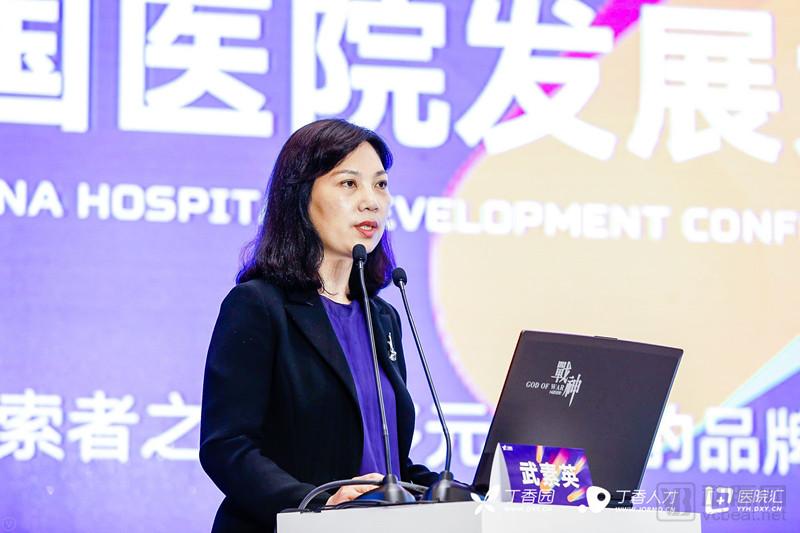
Wu Suying, Deputy Secretary of the Party Committee of Henan Provincial People's Hospital
Wu Suying summarized the core elements of brand building at Henan Provincial People’s Hospital as follows: moderate scale with multiple campuses and hospitals, prominent specialties in key disciplines, connotative development guided by culture, and interconnected smart health services. This plan was formulated in alignment with the new healthcare reform policies and the hospital’s actual conditions. In recent years, the hospital has undertaken numerous initiatives consistent with this strategy to promote its development and enhancement.
First, we maintain a moderate scale across multiple campuses and hospitals. Building upon the original main campus, we have established the Henan Eye Hospital, Henan Reproductive Hospital, Cerebrovascular Disease Hospital, International Medical Center, and Public Health Medical Center. Expanding eastward, we have opened the Huadong Hospital, jointly built by the national ministry and the provincial government, with over 1,000 beds in operation. In accordance with directives from higher authorities, we have deeply integrated with the First and Second Provincial Hospitals to establish specialized hospitals for hypertension and diabetes. Additionally, we have assumed nationwide trusteeship of the Yuren Hospital’s Southeastern Henan Branch. We have also established the Pingyuan Campus. Why adopt a multi-campus, multi-hospital model? This approach ensures comprehensive strategic layout, aligns with the hospital’s development trajectory, meets the healthcare needs of the people in Henan Province, and allows for differentiated positioning among facilities. However, we strictly control bed capacity, advocating against indiscriminate bed additions within the hospital to prioritize patient hospitalization experience and medical safety.
Secondly, the hospital’s key disciplines exhibit distinctive strengths. In recent years, it has comprehensively restructured its disciplinary framework and further subdivided its specialties. Currently, there are 56 specialties, 144 subspecialties, and 375 sub-specialty groups. Among its integrated advantageous specialties, there are seven “hospitals within the hospital” and five “centers within the hospital.” Henan Provincial People’s Hospital, with a 114-year history as a century-old institution, also ranks among the top 100 hospitals in terms of specialty development. In the Fudan University Hospital Rankings released in the first half of this year, the hospital entered the national top 100 for the first time, with five specialties receiving national nominations.
Then, internal development is guided by culture. This primarily encompasses two aspects: on one hand, hospital culture serves as the foundation of the hospital’s brand, consolidates employee performance, enhances core competitiveness, and acts as a guiding force.
Therefore, in terms of cultural brand building, the focus is on developing the “Seven Provincial Hospital” initiative. This initiative encompasses not only distinct thematic dimensions—humanism, scholarship, youthfulness, responsibility, well-being, harmony, and integrity—but also covers various operational aspects, such as logistics and administration. A three-year timeline has been established to refine and break down the objectives of the “Seven Provincial Hospital” initiative, with each task specifying a project name, person responsible, completion deadline, supervision schedule, and review date. This year, 78 work measures have been outlined to advance the construction of the “Seven Provincial Hospital” initiative.
On the other hand, we are committed to building our service brand. Alongside promoting the professional spirit of physicians, we have established a shared consensus on service, grounded in the core values of respect, compassion, care, and empathy. Empathy is reflected in attentiveness to patients’ experiences and in fostering harmony between medical staff and patients. As one of the few large public hospitals in China with a dedicated Patient Services Department, we ranked first nationwide in healthcare provider responsiveness satisfaction in the 2018 National Survey on High-Quality Medical Services.
Finally, there is the interconnected smart health service, which is also the third key focus area of the 13th Five-Year Plan. We are currently in a new internet era, requiring comprehensive collaboration and communication across a unified network, as well as effective utilization of modern information technologies. Relying on the Interconnected Smart Hierarchical Diagnosis and Treatment Service Platform, we have connected with 17 municipal-level hospitals and 111 county-level hospitals across 108 counties and districts. Beyond the province, we have established links with renowned domestic institutions such as the Chinese PLA General Hospital, as well as municipal and county-level hospitals in Hami (Xinjiang) and Julu (Hebei). Internationally, we have connected with top-tier international medical centers like the Oman Clinic and facilitated remote consultations with Ethiopia in Africa. Our volume of remote consultations ranks first nationwide, earning headline coverage on CCTV’s Xinwen Lianbo (News Broadcast).
By leveraging the Internet, we have also established an integrated air-ground-internet emergency rescue system. Centered in Zhengzhou, this system radiates to multiple locations across the province, creating a normalized, comprehensive, networked, and systematic “air rescue green channel.” The rooftop of the inpatient building serves as a helipad. To date, we have conducted 223 flights, totaling 118 flight hours, and transferred 23 patients. These operations are interconnected through the Intelligent Health Network. To further enhance the integrated air-ground rescue system, we purchased China’s first stroke rescue vehicle, enabling us to deliver treatment directly at patients’ homes.
The development strategy of the “13th Five-Year Plan” represents our hospital’s vision and the objective of our brand management: to establish a National Regional Medical Center that is a provincial leader, nationally first-class, and internationally renowned. We are steadily moving closer to this vision, yet substantial work remains. A key component is shaping the hospital’s brand. So, how should we build the hospital’s brand?
Wu Suying believes that bolstering hospital brand building through hospital culture, clinical disciplines, the hospital environment, medical equipment, service quality, and medical technology will elevate the hospital’s development ranking, thereby enabling it to better serve the public.
Although brand represents a new level of competitiveness, it still requires communication, which is an inevitable pathway to expanding brand influence. Without communication, a brand is like a butterfly without wings.
In terms of brand communication, she adheres to the “Five Haves” framework: having clear objectives, platforms, mechanisms, collaborations, and expansion strategies. Brand communication is integral to shaping a hospital’s image; it should not merely be a department prioritized by hospital leadership, but must be developed as a distinct discipline.
Regarding objectives, the hospital’s annual publicity work should be incorporated as a key institutional priority. A plan should be developed to professionalize the workforce, clarify objectives, and cultivate an in-house network of correspondents across the entire hospital. Relying solely on the seven or eight staff members in the Publicity Department is insufficient to manage the substantial workload across multiple campuses; therefore, establishing a dedicated correspondent team is essential. Regular training, development, and performance evaluations for these correspondents must be systematically implemented.
We have our own platform. In this era of the Internet and omni-media, it is better to rely on our own resources than on others; rather than waiting for external publicity, we should focus on building a strong internal team. Although this involves only the platform development of a medical institution, we strive to create a multi-dimensional, multimedia presence that includes “two websites (comprehensive English and Chinese websites), two WeChat platforms (official WeChat account and Weibo), two publications (newsletter and hospital journal), and two endpoints (Toutiao and Tencent Penguin Account).”
Operated by the Hospital’s Publicity Department, these eight platforms disseminate an average of 15 relevant messages daily, establishing an omnimedia communication framework that optimizes the integration of various media channels, positioning strategies, and functional roles.
We have established a specialized and systematic operational mechanism. Staff members are assigned professional roles based on their educational backgrounds and individual strengths. Daily operations follow a structured workflow that includes gathering leads, selecting topics, liaising with media outlets, and evaluating outcomes. Every publicity campaign or report undergoes a comprehensive process comprising topic preparation, selection, review, reporting and writing, editing, publication, and feedback collection. Post-publication, relevant data is collected to enable timely, data-driven reporting. This constitutes our standard operating procedure.
We have established collaborations, a practice actively pursued by all medical institutions and media outlets. In 2017, the number of hospital-related reports published across various media channels increased by 27.7% compared to the previous year. More than 160 articles were featured in national-level media, including China Central Television (CCTV), People’s Daily Online, Xinhua News Agency, Guangming Daily, and Phoenix News. We maintain in-depth and close partnerships with traditional media, emerging media, mobile news clients, and platforms such as DXY.
There is room for expansion. As everyone knows, Mayo Clinic’s executives actively promote their brand across various sectors in China. We should learn from their approach: in addition to publishing books, they achieve remarkable impact through on-site engagement and communication.
Meanwhile, we took the lead in establishing China’s first self-media alliance—the Henan Provincial Hospital Self-Media Alliance. Within less than a month, it grew to 130 members, covering all 18 prefecture-level cities in Henan Province.
A series of brand communication initiatives have yielded tangible results. Wu Suying evaluates these achievements from three perspectives, the first being the enhancement of the hospital’s reputation. Through sustained efforts and the united collaboration of staff at all levels, the hospital has earned honors such as “National Humanistic and Caring Hospital” and “Quality Service Post for Improving Medical Services.”
Second, we promoted positive comprehensive recognition. In 2017, we launched the inaugural “China’s Good Doctors” campaign, with Henan Province having the only representative selected; nationwide, Henan accounted for ten of the honored recipients.
Third, we innovate science communication by frequently organizing experts to participate in numerous health programs, such as delivering popular science content on CCTV’s “The Path to Health.” We have launched the “Renowned Doctors Discuss Health” column and hosted province-wide micro-science competitions and young employee science speech contests. By leveraging thematic photography, painting, video-based science communication, and other formats, we disseminate scientific knowledge, thereby promoting and maintaining our brand.
In summary, every hospital administrator has their own reflections and practices regarding the enhancement of the brand of large public hospitals. Drawing from the experience of Henan Provincial People’s Hospital, it is essential to update the concept of brand communication and clearly recognize the era in which we operate. To excel in this endeavor, efforts must center on the core mission of the medical institution’s development. No matter how well other aspects are executed, deviating from this central theme will render such efforts ineffective.
Therefore,Wu SuyingEight Key Words for Hospital Brand Building:
The first is the "center," which should revolve around the core of healthcare.
Second, we must align with the trend of media convergence. The key term is “owned,” meaning we must build our own platforms well and not skimp on investment in this area. The Publicity Department must ensure that professionals are assigned to perform professional tasks.
Third, delve deeply into the theme and maintain content quality, as content is always king. If the content is poor, no one will engage with it, regardless of how loudly the platform promotes it.
Fourth, we must advance the updating of formats and technologies. This requires making full use of new technologies and formats, rather than relying solely on text. Instead, we should integrate video, images, and even trending music to capture audience attention and enhance the impact of our communication.