

Beyond Traffic: How New Oxygen Empowers Medical Aesthetics Institutions Through Vertical Integration
VCBeat (WeChat: vcbeat) has learned that the 1st Chengdu International Medical Aesthetics Industry Conference and the “Capital of Medical Aesthetics” Summit Forum were successfully held in Chengdu from June 8 to 10, 2018. The event attracted over 300 scientists, entrepreneurs, and leading figures in the medical aesthetics field from both China and abroad, who engaged in comprehensive exchanges and presentations on research, technology, products, commerce, and investment. Nearly 3,000 professionals from the medical aesthetics industry attended the conference.
Jin Xing, founder and CEO of So-Young, stated in an on-site media interview at the conference that Chengdu boasts significant policy, market, and talent advantages. So-Young has engaged in positive communications with the Chengdu Municipal Government and aims to establish a presence in the city to align with its industrial layout as the “Capital of Medical Aesthetics.”
As a world-leading internet platform for medical aesthetics, New Oxygen is more than just a marketing channel for practitioners; it offers distinct advantages in the following four areas: significantly reducing doctor-patient disputes and alleviating patients’ post-operative anxiety; fostering a healthy competitive environment through market-driven selection; lowering industry entry barriers to promote market prosperity; and providing industry support through scientific big data analysis.
To better collaborate with the Chengdu Municipal Government, the Chinese Association of Plastics and Aesthetics, and other professionals in the medical aesthetics industry to promote sector development, SoYoung CEO Jin Xing, COO Liu Xiao, Vice President of Supply Chain and Marketing Liu Rong, and Vice President of the Consumer Operations Group Wang Yaqin each delivered speeches. They addressed topics including development strategy, corporate operations, asset management, and new media content operations, sharing SoYoung’s five years of experience in deeply cultivating the upstream and downstream segments of the industry. Their presentations highlighted SoYoung’s multifaceted approaches to empowering medical aesthetics institutions beyond mere traffic generation, eliciting strong positive responses from attendees.
Below are excerpts from the key highlights of the speeches delivered by four guests:
Beyond Traffic: How Else Can We Empower Aesthetic Medicine Clinics?
Speaker: Jin Xing, Founder and CEO of So-Young
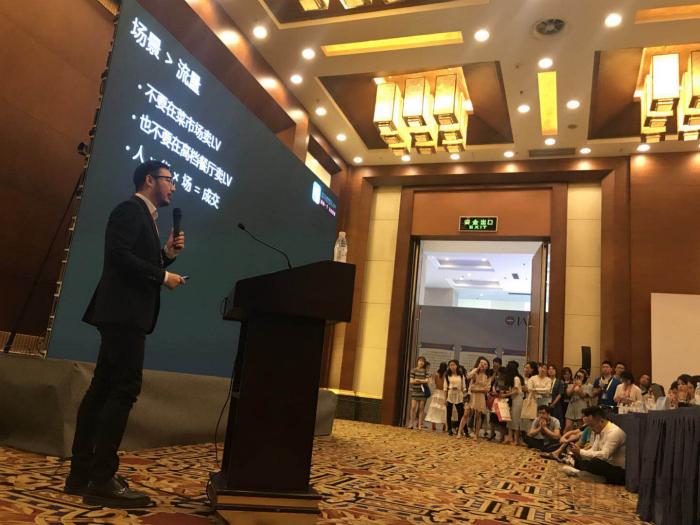
In the medical aesthetics industry, there has long been a saying: “For plastic surgery in China, look to the Southwest; for plastic surgery in the Southwest, look to Chengdu.” With the Chinese Association of Plastics and Aesthetics officially conferring upon Chengdu the title of “China’s Capital of Medical Aesthetics,” we all hope to leverage this opportunity for greater development.
Today, I will share insights on “How We Can Empower Aesthetic Medicine Institutions Beyond Traffic Acquisition.” Since 2013, we have collaborated extensively with numerous aesthetic medicine institutions. In the eyes of many, SoYoung is merely a channel for traffic acquisition.
Indeed, our PC platform sees over 22 million monthly visits, while our app’s monthly launch frequency holds a leading market share. We have made substantial investments in offline advertising, covering cinema placements in more than 70 cities. Furthermore, SoYoung has maintained a visible presence in popular TV dramas and variety shows such as Beijing Women’s Guidebook. In terms of traffic generation, SoYoung has indeed provided significant support to medical aesthetic institutions. A few days ago, an online acquaintance shared with me the internal statistics of a hospital in Sanlitun. Among the patients acquired through online channels, 60% came from SoYoung, approximately 29% from Baidu, and the remaining 1% from other third-party platforms.
Nowadays, an increasing number of online customer acquisition channels have emerged, including various medical aesthetics apps, Weibo, WeChat Official Accounts, WeChat Moments, Douyin, Toutiao, and more. But are these channels all suitable for the operation of medical aesthetics institutions? What is their actual effectiveness? We should still evaluate the return on investment (ROI) for each opportunity.
In my view, opportunities fall into two categories: platform-based opportunities and serendipitous opportunities. Platform-based opportunities yield returns commensurate with investment, whereas serendipitous opportunities do not necessarily do so.
Take Douyin, for example. Its content distribution relies heavily on algorithmic analysis rather than a follower-centric model, making content recommendations highly stochastic and traffic non-targeted. Furthermore, the platform’s format is ill-suited for showcasing the advantages and unique features of medical aesthetic institutions. Therefore, I believe that most such institutions struggle to derive significant benefits from this platform, despite its immense popularity.
Therefore, I provide three criteria for platform selection here:
First, traffic quality outweighs traffic quantity.Medical aesthetics is a luxury business, not a mass-market one. In this field, the most critical factor is the ability to reach precise target users. Paradoxically, a larger user base can make it more difficult to identify and filter out these high-value, precise customers.
Secondly, scenarios outweigh traffic."Scenario" is a subconscious perception that has been subtly shaped over time. Only when the three elements—people, products, and scenarios—are all aligned can effective transactions and conversions be achieved. Consider the successful platforms in the healthcare sector, such as Haodf, WeDoctor, SoYoung, DXY, and Chunyu Yisheng; tech giants like BAT have rarely participated directly, which differs from other industries. This is because the general public perceives healthcare as risky and requiring specialized expertise. Therefore, the more professional the perception of your platform or brand in consumers' minds, the more likely it is to succeed.
Finally, retention outweighs user acquisition.Attracting five in-store customers per day is an achievable target for most medical institutions. Therefore, the real challenge lies in retaining these users to ensure they continue generating value. Consequently, So-Young’s operational mechanism is designed to help institutions improve customer retention, as this addresses the core of the problem.
Thus, it is evident that So-Young has been comprehensively empowering medical aesthetic institutions by leveraging its existing traffic base to address their medical device needs, provide online and offline training, engage in joint marketing campaigns, and establish the So-Young Aesthetics framework.
E-commerce Operations Methodology — Based on Cases from Million-Level Institutions
Speaker: Liu Xiao, COO of So-Young
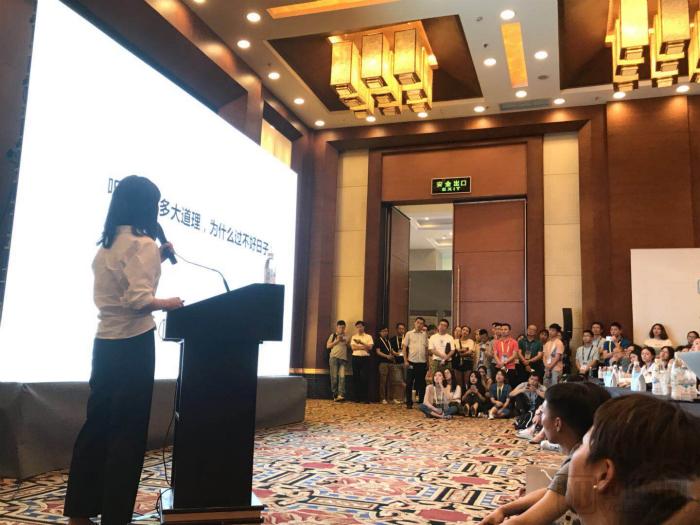
This year, we have heard many “buzzwords” related to marketing, equity structure, business models, mindset, and logic, such as scenario-based marketing, physician partners, traffic pool models, super-user thinking, and LTV. Yet, despite all these grand theories, why do many institutions still struggle to run their operations effectively?
This is an era where cognition is cheap, but execution is a luxury. Strategies without execution resources are essentially just PowerPoint presentations; attending conferences and learning without the resolve to execute amount to nothing more than social media posturing. Given the acute scarcity of execution capability, most institutions should consider leveraging external resources to a greater extent. They need a supervisor to provide close guidance, standardize operations, offer high-frequency feedback, and make real-time corrections. New Oxygen is precisely such a partner for these institutions.
New Oxygen has identified four key elements of operational success: first, the compound interest formula; second, an efficient market; third, controlling through non-control; and fourth, holistic thinking across all stages.
Currently, many emerging influencer-driven agencies are growing faster than established major brands with substantial budgets. The key difference lies in the turnover rate of the chosen channels. Traditional channels—such as seminar-based sales, revenue-sharing models with project companies, and per-capita referral channels—are characterized by low turnover rates. The sole criterion for evaluating a channel’s value is whether it can generate genuine, effective brand equity accumulation.
What Are Resources with High Turnover Rates? Improvements in conversion rates, retention rates, and customer recall rates, along with the efficiency of word-of-mouth propagation—most importantly, including individuals’ capacity for dissemination—constitute resources with high turnover rates. Organizations should invest in these areas, devote significant effort to them, and concentrate their entire execution resources on leveraging these assets.
An effective market refers to a market where users interact with one another, meaning that users in such a market take each other’s opinions into account. The marketing department is not tasked with buying traffic; rather, it facilitates user-driven dissemination by exceeding expectations, creating perceptual gaps, and aligning with topics that users are more passionate about.
Third, we must achieve control through non-control. For instance, it is difficult to build a successful WeChat official account for healthcare institutions because there are too many demands placed on it. By observing the accounts of many institutions, we see that after hiring numerous staff members, they often feel compelled to publish as many as eight posts per day: the first promoting monthly activities, the second highlighting corporate culture, the third advertising promotional campaigns, the fourth disseminating popular science content, and the fifth chasing trending topics simply because everyone else appears to be doing so.
If you examine this account, you may even struggle to identify which user needs it is addressing. We must first treat it as a product, ensuring that it continuously meets user demands. Rather than explicitly stating our objectives to users, we should subtly influence their decision-making.
In addition to the above, we shouldHolistic Process Thinking. Eighty percent of marketing efforts do not lie within the marketing or market departments, but rather span the entire operational chain, particularly in areas representing industry weaknesses. For instance, as mentioned earlier, whether your consultants possess the capability to design comprehensive treatment plans, and whether there exists a binding collaborative relationship between them and physicians to deliver highly complete solutions, constitutes an industry-wide shortcoming. If no one across the industry can fully achieve this, then merely performing slightly better than competitors may yield substantial benefits.
For example, the New Oxygen Aesthetics System drives aesthetic design based on user demands, which is then translated into a comprehensive diagnosis and treatment plan. It guides institutions on how to participate in this initiative, enhance user stickiness, and extend users’ lifetime value (LTV).
When designing an aesthetic treatment plan, consultants must first listen to what clients say and, equally importantly, what they leave unsaid. Second, they should accentuate individual features while preserving minor imperfections. Furthermore, they should guide clients’ aspirations, encouraging them not only to pursue external beauty but also to develop a strategic vision for their lives.
New Media Content Operations: Why Is Operational Management Necessary Beyond E-Commerce?
Speaker: Wang Yaqin, Vice President of the Consumer Operations Group at New Oxygen
In 2017, New Oxygen placed significant emphasis on e-commerce operations as a critical component of its strategy. Starting this year, we aim to adopt more cost-effective approaches to help medical institutions acquire greater traffic on the platform, including assisting them in establishing a strong market positioning.
Let’s first examine the content sections on New Oxygen, which include short reviews, recommendation posts, Q&A, doctor’s notes similar to WeChat Moments, doctor interviews, live streams, as well as operational direct-connect channels and product detail pages. All of these serve as the current carriers for our content.
Why, on the platform, do we need to create content in addition to managing e-commerce operations? Because for all platforms,High-quality content requiredFor institutions, we can embed product dimensions or product information and physician details into content, which is then published on the platform. The platform curates high-quality content and directs its traffic to such content, thereby channeling users to our products and ultimately completing a closed-loop transaction.
Why Should We Create Content? There are several reasons for content creation. First, the cost and entry barrier are relatively low. Second, content allows us to highlight our institution’s differentiation. Third, there is the cumulative benefit of content accumulation.
A key entry point for SoYoung’s new round of traffic in 2018 is what we call the SoYoung Headlines. What are SoYoung Headlines? On the bottom left of our app’s homepage, there is an entry point called “Yanzhi She” (Beauty Community). Within this section, we feature a wide variety of posts, with the goal of ensuring that all post-related content can be found here.
Before guiding institutions on how to excel in Toutiao, we reviewed data from content-driven information feeds within the industry. What most attracts user clicks ultimately boils down to adopting a user-centric perspective.
What kind of content is expected and favored by them?
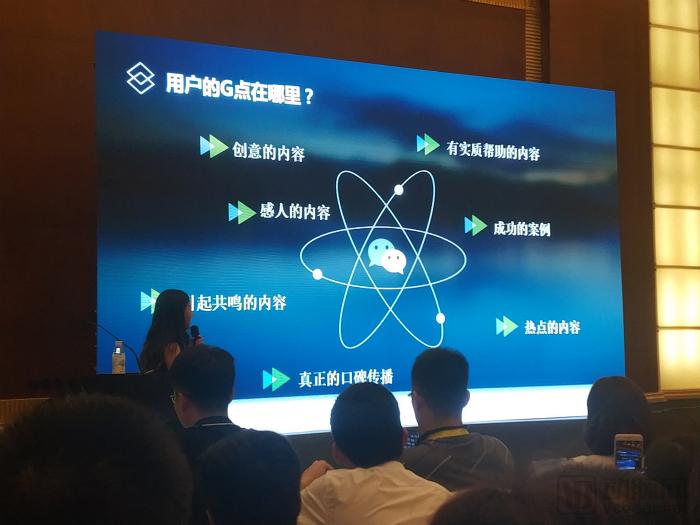
First, our content must be creative. For instance, it could be emotionally resonant to spark empathy and drive word-of-mouth propagation; leverage trending topics; share authentic success stories with users; or provide tangible, practical assistance. These are all effective strategies for addressing user pain points and capturing their attention.
Secondly, the curated cases we refer to may differ from those currently displayed on the homepage, which tend to be more lightweight.
The third category pertains to the daily routines of work and life, encompassing how we distribute our hospital’s distinctive services and environment.
Fourth, it serves as a demonstration of social status, which encompasses participation in academic forums, media interviews, and visibility through various programs.
Comprehensive Requirements for Images, Headlines, and Content Layout: Meeting these criteria ensures optimal visibility for the header content.
New Oxygen · Lezu: Helping You Operate Your Hospital with a Truly Asset-Light Model
Speaker: Liu Rong, Vice President of Supply Chain and Marketing at New Oxygen
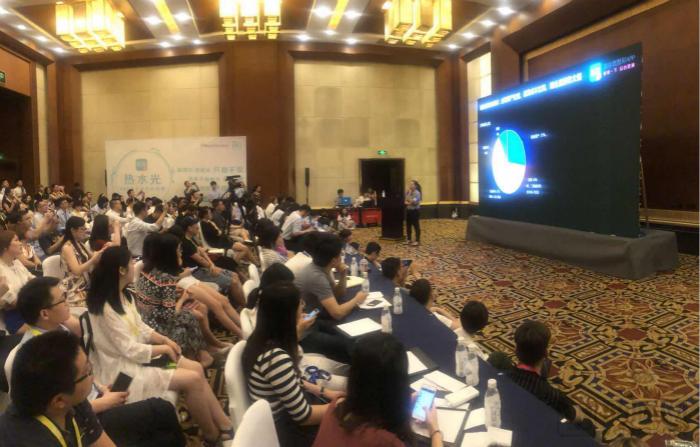
First, let me share some data with you. Each day, the medical aesthetics industry likely sees more than 3,000 new institutions established, but approximately 90% of them have a floor area of less than 2,000 square meters.Small and Medium-Sized Clinics, and among these newly opened clinics, the 18-month mortality rate is overwhelmingly high. If you fail to achieve proper operational alignment or do not recruit the right personnel, a new clinic may well shut down within its first 18 months.
If you are considering opening a clinic—certainly not limited to new clinics—you may face some critical anxieties. The first concern is the high cost of launching with heavy assets. Generally speaking, in first- and second-tier cities, the initial capital required to open a small-to-medium-sized medical aesthetics clinic is at least RMB 5 million to 10 million. The second issue is excessively high operational costs, and the third is slow cash flow turnover. From the time equipment is introduced to the market, its development speed and market penetration rate are relatively high during the first five months; basically, it reaches peak market popularity between eight and ten months.
We believe that the core competitiveness of an institution is, in fact, itsLiquiditySo, what does this mean? First, it means assessing whether your treatment outcomes are superior to others’ when using the same device or offering the same service. Second, it hinges on the ability to reflect the value of services in pricing and achieve cost recovery through price mechanisms—a key consideration. Third, it involves determining whether we have fully leveraged the high-value lifecycle of blockbuster devices and flagship services.
What problems can New Oxygen solve in this process? In fact, New Oxygen is committed to building a B2B platform—this B2B platform—New Oxygen Leasing, is an integrated leasing platform based on equipment plus services. The services and equipment currently leased out by SoYoung Leasing are primarily targeted at items with a unit price exceeding 600,000 yuan.Pigmentation, Anti-aging, and Intimate Care Treatments。
So, what services do we provide? We establish service standards to regulate service processes under strict quality control, enabling institutions to obtain predictable service offerings. Within this framework, we make the following commitments: First, all equipment provided in our projects is legitimate and compliant; we offer corresponding maintenance services, as well as training on equipment operation and usage. Second, our service outcomes are predictable.
We offer rental options on a daily, weekly, monthly, usage-based, or per-use basis. This model requires that you first secure the transaction and schedule the client for a concentrated one- to two-day period, after which the equipment is delivered to complete the project.
We also offer equipment rental with an operator, priced as a daily all-inclusive rate for one operator. This allows you to avoid assigning your own staff to operate the equipment, which is particularly beneficial for more complex devices.
Furthermore, we provide comprehensive solutions for our best-selling equipment. In other words, you only need to secure the venue and schedule clients; we will handle everything else, including on-site consultations, equipment provision, and accompanying the operating physicians.