

Grassroots Health Management Begins with Public Health Services: Resident Health Records as the Core Focus Amid Unmet Technical and Service Challenges

Weimai
Digital Health Service Platform Provider
Last year, VCBeat launched the first Grassroots Medical Innovation Practice Forum in Chengdu under the theme “The Power of Downward Reach.”
Over the past year, VCBeat has gained deeper insights and found that the fundamental industrial framework of primary healthcare has been initially established, giving rise to innovative industry models such as medical consortiums, new-type clinics, community health management, pharmaceutical distribution and retail, third-party imaging services, and third-party hemodialysis centers.
At the Frontier Forum on Chronic Disease and Health Management held on June 10, VCBeat was honored to invite industry experts and innovative practitioners to jointly explore the latest trends in chronic disease management and health care at the primary care level.
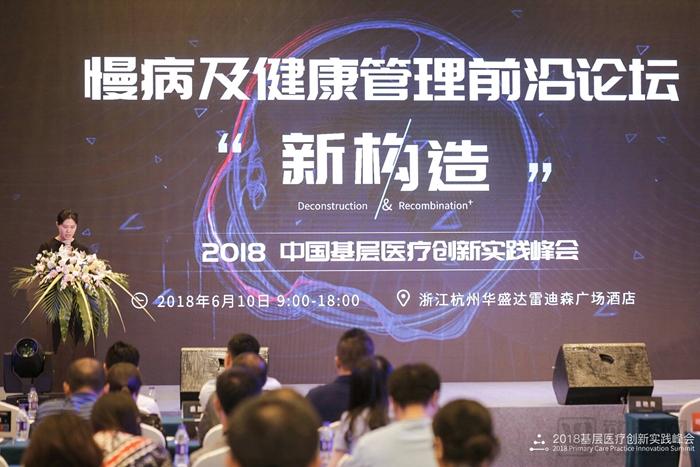
Following the institutional reforms, comprehensive and full-cycle health management has become a key issue. How have policies evolved at the top-level design stage? How should grassroots health management systems be constructed? What new technologies are empowering healthcare institutions to improve the efficiency of health management? How are various enterprises driving innovation in practice? These are the questions we will focus on exploring.
In October 2016, the Central Committee of the Communist Party of China and the State Council issued the “Outline of the ‘Healthy China 2030’ Plan,” which, in terms of prevention and control of major diseases, requires achieving health management for chronic diseases across the entire population and throughout the life cycle by 2030.
In October 2017, at the 19th National Congress of the Communist Party of China, General Secretary Xi Jinping reiterated the implementation of the Healthy China Strategy, proposing to improve national health policies and provide comprehensive, full-lifecycle health services to the people.
Amid a series of developments, health management has gradually risen to the level of national strategy, with the disease-treatment-centered orientation slowly evolving into a prevention-centered one. As collective attention focuses on health management, how to effectively implement it has become an issue that both the government and the market need to explore.
Health management should focus on the grassroots level to build a health management service system, with the key lying in the new positioning of grassroots services. According to the relevant content of the "Basic Medical and Health Care and Health Promotion Law" (Draft),The three major future functions of primary healthcare institutions are: basic medical care, public health services, and health management.
Miao Yanqing, a researcher and deputy director of the Rural Health Research Office at the Health Development Research Center of the National Health and Family Planning Commission, stated that to implement health management, achieve the Healthy China initiative, and shift to a health-centered approach, efforts must begin with the National Basic Public Health Services.“At present, we hope that the National Basic Public Health Service Package can be transformed into the National Basic Health Management Service Package.”
A critical aspect lies in the improvement of residents’ health records. Currently, primary-level health assessment systems face significant challenges. Health records should be integrated with medical institutions’ consultation and referral information, ensuring that all medical data is provided and documented within residents’ health records. At present, data integration has been achieved among medical institutions within local regions, but provincial-level integration has not yet been realized.
Miao Yanqing believes that the fundamental pathway to implementing health management services lies in the integration of resources, information, and services.and thus proposed the basic pathway for implementing health management servicesFive Perspectives:
First,The integrative mindset of health management services is reflected not only in internal integration within primary healthcare institutions (where general practitioners lead teams to fuse basic medical care, prevention, and public health services), but also in the multidimensional, continuous, and seamless coordination between primary healthcare institutions, higher-level healthcare institutions, and non-health sectors in the delivery of both medical and non-medical services.
Second,Health management services must be stratified by level, category, and target population.
Third,Health management services represent a concrete manifestation of efforts to strengthen the primary healthcare system and the workforce of general practitioners in the new era. They constitute a fundamental solution to addressing the public’s needs for medical care, effecting a profound adjustment to existing healthcare service models, patient care philosophies, and medical consultation order. As such, they form a foundational, long-term, and systematic institutional design.
Fourth,Implementing health management services requires not only a primary care focus and the rational delineation of functions among healthcare institutions at all levels, but more importantly, the establishment of institutional mechanisms and the support of a safeguard system. The key focus and challenge lie in how to establish incentive mechanisms.
Fifth,Health management services must be closely aligned with local concepts and awareness, adapted to local conditions, and remain practical and actionable.
Meanwhile, she emphasized,"Health Management Services Based on Resident Health Records" aims to strengthen the management functions at the grassroots level, establish grassroots health management committees, and form a new reporting system for health management work, enabling grassroots management departments (committees) to truly fulfill their roles as health managers.Strengthen the health management service functions of primary healthcare institutions, making them the information hubs, management centers, and guidance centers for residents' health; enhance the collaborative functions of family doctor teams, positioning them as the most direct and effective managers and guides of residents' health, as well as the primary providers and consultants for various health-related services.
Communities represent the smallest residential units for populations. From the perspective of current supply and demand, the health management system anchored by community health service centers is arguably the most indispensable component. However, primary-level chronic disease prevention and control are not limited to urban community health service centers. Due to disparities in medical resource distribution, county-level cities and even rural areas have a larger population base for primary healthcare management, making them a key focus of the new healthcare reform.
Dong Yin, a member of the Party Committee of the Yuhuan Municipal Health and Family Planning Bureau in Zhejiang Province, stated,The primary healthcare management practices in Yuhuan City, Zhejiang Province, are mainly carried out from four aspects: disease screening, standardized treatment, health education, and risk intervention.
InDisease ScreeningIn this regard, it primarily relies on the National Health Commission and other institutions, involving projects such as early screening and comprehensive intervention for high-risk populations of cardiovascular disease, comprehensive risk management of cardiovascular disease at the primary care level nationwide, health monitoring of the elderly in Zhejiang Province, and actions for screening and managing hypertension in primary care outpatient clinics.
Screening revealed high prevalence rates of hypertension, diabetes, and hyperlipidemia in the Yuhuan area; consequently, services from experts at provincial-level medical institutions in Zhejiang and other higher-tier healthcare facilities were procured to develop targeted health intervention plans.
Standardized Diagnosis and Treatmentincluding a Stroke Center, a Trauma Center, a Chest Pain Center under preparation, and the National Standardized Metabolic Disease Management Center (MMC) established in collaboration with Academician Ning Guang of Shanghai Ruijin Hospital.
In addition to collaborating with large hospitals, Yuhuan City has established a “large hospital + community” management model at the primary care level. Dong Yin stated, “We have partnered with three community health centers to establish primary-care-based MMC (Metabolic Management Center) centers. This approach places screening for small-vessel and microvascular complications of metabolic diseases at the primary care level, while screening for large-vessel complications is conducted at municipal-level hospitals.”
InHealth EducationIn terms of specific initiatives, Yuhuan City has primarily focused on population gathering areas, leveraging local social work organizations to establish platforms for implementing healthy lifestyle campaigns in enterprises and public institutions. Meanwhile, the city has built supportive environments for health, including 76 health trails, 3 health-themed parks, 1 health street, and 19 health kiosks with self-service testing points. The coverage rate of the “15-minute fitness circle” exceeds 90%.
andDangerous InterventionThe initiative primarily targets chronic disease management among occupational populations, piloting health management services in six functional communities within administrative and public institutions. These services are stratified and categorized based on individuals’ willingness to engage with health interventions, with targeted activities designed for highly motivated participants. As a result of these efforts, pilot units have seen significant improvements in population health literacy. Meanwhile, the Yuhuan Municipal Health and Family Planning Bureau has partnered with WeDoctor Group to establish health management platforms at primary healthcare institutions.
Furthermore, Dong Yin emphasized, regarding the fee mechanism for health management services, Yuhuan has adopted a model described as “the government sets the stage, enterprises perform, and the public benefits.” Accordingly, the Yuhuan Municipal Health and Family Planning Bureau collaborated with PICC (People’s Insurance Company of China) to launch commercial insurance programs for chronic diseases. Basic medical insurance purchases health management services from healthcare institutions at various levels based on cost-effectiveness, with any shortfall covered by bank wealth management products and commercial insurance.
In the next phase, as the reform of the Yuhuan Health Community deepens, Yuhuan will, on the basis of reconstructing a new medical service system,By establishing measures such as total budget management for medical insurance, coordinated operation of commercial health insurance, reform of the personnel and compensation system, and improvement of assessment mechanisms, we will explore pilot programs at the primary care level, such as capitation-based outpatient medical insurance payments for patients with chronic diseases. This approach aims to integrate multiple stakeholders—including healthcare providers, pharmaceutical suppliers, and health insurers—to form the broadest possible united front for health services.
Strengthen and substantiate disease prevention and control as well as health management, establish a sound “prevention + treatment + rehabilitation” trinity health service system, strive to enable the public to “fall ill later, fall ill less frequently, and suffer only minor illnesses,” reduce the overall disease incidence and total medical costs among the municipal population, ensure controllable fiscal investment and sustainable medical insurance payment capacity, and guarantee that the people can “access medical care, afford medical care, and receive quality medical care,” ultimately achieving the comprehensive goal of satisfaction among the public, healthcare professionals, and Party committees and governments.
"Blue Book on Health Management: Report on the Development of China's Health Management and Health Industry (2018)" points out that by the end of 2017, there were over 10,000 health management (physical examination) institutions at all levels and across various categories nationwide. Among them, 90% were established by public medical institutions (including those run by military medical institutions), while 10% were independent or chain health management or physical examination institutions operated by private entities or social capital. Public hospitals still occupy a dominant position in the market.
Zhao Xiaolan, Director of the Health Management Center at Southwest Hospital of Army Medical University (hereinafter referred to as “Southwest Hospital”), stated thatCurrently, there are 20,000 health management institutions in China, but fewer than 10% are genuinely engaged in health management. Most still primarily offer disease-oriented physical examination services, with insufficient pre-examination personalized risk assessment and post-examination health risk management. Therefore, "health management should be developed as a distinct academic discipline."
Advancing Health Management as a Discipline Relies on Three Transformations: First, Shifting from Disease Diagnosis to Health Checkup Assessment; Second, Moving from Package-Based Examinations to Personalized Precision Screenings; Third, Transitioning from Standalone Examinations to Post-Exam Services.
The implementation pathway for personalized health management begins with administering pre-examination lifestyle questionnaires to individuals undergoing health screenings. These questionnaires assess family and personal medical histories, as well as lifestyle factors such as physical activity, psychological well-being, and sleep patterns. By intelligently identifying risk factors, this approach enables pre-examination disease risk assessment and facilitates the provision of truly personalized health screening plans.
Following the health examination, a risk assessment is conducted via an intelligent data management platform by integrating the pre-examination “1+X” questionnaire with the examination results. This process generates both a comprehensive examination summary and a questionnaire-based consultation report, which are then used to produce a corresponding health management report. Zhao Xiaolan emphasized, “We provide not only a standard examination report but also a comprehensive health management report that offers users personalized health promotion plans. These plans include management of disease risk factors, as well as tailored exercise and dietary regimens, complemented by online and offline consultative and interactive services.”
Post-examination risk assessment is conducted across six dimensions: lifestyle, mental health, Traditional Chinese Medicine (TCM) constitution, dietary assessment, exercise regimen, and disease evaluation. Currently, Southwest Hospital has implemented assessments for several major diseases, such as diabetes, hypertension, and gastric cancer.
Zhao Xiaolan further pointed out that previously, there were no risk assessment models for chronic diseases and some common conditions in China. Since 2013, under the guidance of the Health Management Branch of the Chinese Medical Association and the China Health Promotion Foundation, the Health Management Center of Southwest Hospital collaborated with dozens of health management demonstration bases nationwide to revise and finalize the pre-examination lifestyle questionnaire. Meanwhile, over the course of one year and with the involvement of 20 physicians, the center standardized and revised the terminology for general examination conclusions, compiling more than 6,500 conclusion terms. It also implemented stratified coding of general examination conclusions based on disease status, linking them to corresponding health management plans, thereby achieving personalized, standardized, and intelligent health management solutions.
Data shows that China's health industry has consistently maintained an annual growth rate of over 10%, with its market size exceeding RMB 3.2 trillion by the end of 2016. The market size for health management has surpassed RMB 110 billion and is projected to expand to RMB 203.9 billion by 2020.
Health management embodies integrated medical technologies; its development is driven not by a single industry, but by the collaborative efforts of multiple industries.
Currently, with the aid of the Internet of Things (IoT), big data, and other technologies, health is no longer the exclusive domain of medical enterprises. Explorations into health management from various perspectives are underway, and a multi-industry collaborative market development pattern is gradually taking shape.
In an era where health big data is becoming increasingly valuable, mobile health management platforms are emerging as key traffic gateways for services. As the most highly valued company in the health management sector, Miao Health has frequently attracted capital market attention. Leveraging its strengths in the collection and analytical application of health behavior big data, Miao Health has gradually carved out its own path in mobile health management.
Luo Xiaobin, Chief Medical Officer of More Health, believes that the pain points in primary healthcare lie in the following five areas: unclear health service models; uneven levels of diagnostic and treatment technology; lack of specialized specialty programs; varying levels of professional competence among physicians; and a lack of out-of-hospital follow-up management.
In terms of out-of-hospital health management, the challenges lie in the difficulty of data collection, the lack of data sharing and standards, the difficulty of tracking user behavior, and the inability to provide timely interventions. These are precisely the issues that Miao Health aims to address through its big data and artificial intelligence solutions.
Over the past three years, Miao Health has established a relatively comprehensive online health management service system, including “Miao+,” an online wearable device data collection platform; “Miao Cloud,” which enables intelligent health management by quantifying human health behaviors through M-values; and the “Miao Health APP,” which serves as the medium for user interaction and delivery of health management services.
Luo Xiaobin stated that Miaojiankang has currently accumulated over 40 million users, with nearly 700,000 users engaging in health management on the Miaojiankang platform daily.
Furthermore, in April 2018, Miao Health partnered with the Canadian Health Management Center on a three-year plan to establish multiple multifunctional entities integrating fitness, chronic disease rehabilitation, health management, and new retail health services through various forms of collaboration. The initiative aims to explore the integration of CWI’s extensive offline clinical expertise with Miao Health’s internet-based health management approaches, combining big data on health and health behaviors with artificial intelligence to create a comprehensive online-to-offline closed-loop health management system. Dr. Luo refers to this model as a “new species of health management.”
In terms of standardizing data collection, Miao Health, in collaboration with the National Center for Chronic and Noncommunicable Disease Control and Prevention of the Chinese Center for Disease Control and Prevention (China CDC) and the Cloud Computing and Big Data Institute of the China Academy of Information and Communications Technology (CAICT) under the Ministry of Industry and Information Technology (MIIT), jointly developed China’s first “Health Management Information Exchange Platform.” This platform establishes a cloud-based system for health data collection and utilization by standardizing data acquisition from smart wearable devices.
Luo Xiaobin stated, “The platform will aggregate health data from various smart hardware devices to create comprehensive electronic health records focused on users’ overall exercise and wellness. This provides actionable health data foundations for medical data integration and chronic disease management. Meanwhile, the information system can transmit deduplicated, multi-dimensional user data back to smart hardware manufacturers, enabling them to refine algorithms and optimize products, thereby establishing a closed loop of user health information.”
“Internet Plus” is not a technology, nor a tool, nor a connectivity platform; rather, it represents an opportunity for regulators to demonstrate tolerance toward innovation.Regarding the openness of the internet healthcare sector, Qiu Jialin summarized the evolution of the “Internet + Healthcare” model over the past decade into four stages:
1.0 Cloud Mode, based on physician-physician and physician-patient communication platforms and communities, characterized by being independent of hospitals and unrelated to data;
2.0 Floating Ice Mode,Represented by numerous local appointment platforms and hospital-specific appointment platforms, their characteristic is being hospital-related rather than data-driven, as they are not integrated with hospital data or payment systems; the unit of service is the hospital.
3.0 The Iceberg Model,City-based online platforms enable not only appointment registration but also medical payment, health insurance settlement, report inquiries, prescription queries, and online consultations with attending physicians. This model extends beyond hospital operations to encompass data and payment systems, digitizing regional healthcare resources. Leveraging big data in healthcare, it delivers precise “Internet + Healthcare” services to the local population.
4.0 New Healthcare,It is to establish a user-centric, personalized, and precision service system.
In addition to digitizing three basic in-hospital services—namely appointment registration, report inquiry, and integrated payment—Weimai has broken through the limitations of space, time, and service delivery by extending medical care to broader out-of-hospital scenarios. By offering diversified services such as exclusive post-consultation and post-discharge care, online consultations, report interpretation, video consultations, house calls, e-prescriptions, and medication delivery, Weimai has expanded the scope of physicians’ services. Furthermore, through face-to-face consultations and other interactions, it has facilitated communication between local doctors and patients, establishing a strong chain of trust. This has created a closed-loop healthcare service model based on doctor-patient trust, as advocated by Weimai.
“Our strategy involves two key pillars: first, prioritizing the deployment of Internet-plus healthcare platforms in third- and fourth-tier cities; second, implementing large-scale promotion and operational efforts.” Qiu Jialin believes that with approximately 350 prefecture-level cities in China, including around 300 with populations exceeding one million, there is a significant opportunity. “Innovation does not necessarily have to be confined to first-tier cities; innovative services can also be continuously delivered in third- and fourth-tier cities. This strategy has already been validated by many outstanding enterprises.”
Qiu Jialin stated, “The internet has enabled some people to prosper first by prioritizing olive-shaped mid-tier resources rather than top-tier ones. In the healthcare industry, focusing on primary and secondary care levels can better unleash innovative vitality, whereas opportunities within core medical resources are relatively limited.”
Currently, Weimai has expanded its coverage to 17 provinces, partnering with nearly 500 hospitals across 70 cities. By integrating hospital appointment scheduling, data systems, payment solutions, and a broader range of physician services, Weimai connects over 70% of the medical resources in each city it serves.
In the provision of internet healthcare services by hospitals, Weimai emphasizes not only the need to “have” such services but, more importantly, to ensure they are “used.” According to Qiu Jialin,In a city in Zhejiang with a permanent population of 700,000, the Weimai app has reached 200,000 registered users. Data from April this year shows that Weimai’s penetration rate in healthcare services in the city is as high as 22.38%, making it the largest Internet-plus-healthcare service portal locally.
In its operational practice within another medical consortium, Weimai achieved a 27% share of the consortium’s total patient visits and payment volume through the Weimai platform, significantly enhancing operational efficiency and user experience.
As one of China’s earliest general practitioners and managers of primary healthcare services, Li Xiaoxia, founder and president of Kang Bairui, pointed out that health management services currently face the following challenges from multiple perspectives:Pain Points and Challenges:
1. Shortage of talent in the primary healthcare sector and low service capacity;
2. Lack of standards and clear definition in health management services, resulting in low profitability;
3. Chronic disease management processes and pathways remain predominantly at the theoretical and clinical diagnosis and treatment levels;
4. After data collection by smart wearable devices, there is a lack of further analysis and health solutions;
5. There is a need to shift from workload-based metrics to health outcome-oriented measures, among other changes.
Li Xiaoxia believes that without clear objectives, it is difficult to develop precise plans and health tasks in health management, making it challenging to achieve tangible health outcomes. Therefore, establishing health profiles and setting goals for target populations are among the primary strategic priorities of Kangbairui’s intelligent health management service platform.
“We aim to achieve prevention and adjunctive rehabilitation of individual chronic diseases through lifestyle management, adopting a patient- and customer-centric health model rather than a disease-centric one. The key distinction between person-centered and disease-centered management lies in the assessment and intervention based on the holistic and multidimensional factors of the individual. The scenario-based workflow of intelligent personal health management services consistently follows a closed-loop pathway, encompassing dynamic personal data collection, risk assessment, monitoring, guidance, and outcome evaluation.”
Kangbairui has made the following attempts to address the pain points of health management services, focusing on a model that helps primary care physicians implement health management practices:
First, authorize institutional and professional healthcare provider accounts on the health management service platform to empower institutions and professionals;
Second, an interactive platform for chronic disease management is established by integrating a smart engine for chronic disease management and professional service workflow pathways into the system, thereby standardizing and professionalizing the services;
Third, the platform establishes an operational model centered on health tasks, activity communities, friend and family connections, an online store, and health service packages to enhance customer stickiness, adherence, and health outcomes;
Fourth, a personal health service client app authorized and opened to institutional and individual clients, enabling self-health management and connection to medical and nursing services;
5. Open the authorized use management, statistical analysis, and performance platform to institutions and medical staff, driving data-based efficient operations and scalable management services.
To date, Kangbairui has cumulatively served over 300,000 clients and accumulated 5 million data records over the past decade. Leveraging its intelligent systems and an innovative “Internet + Health” model that integrates online and offline services, the company is poised to scale its annual service capacity by hundreds of thousands of users in the future.
The intelligentization of health management data analysis and the standardization of service processes have significantly enhanced physicians’ professional capabilities, increasing each physician’s capacity from passively serving 300 patients annually to proactively managing over 2,000. This transformation not only reduces the costs of professional and end-user services but also improves service efficiency and quality, substantially alleviating critical challenges in primary healthcare—namely, talent shortages, limited service capacity, and inconsistent professional standards. Through technological and model innovation, health services are simplified, making health management accessible to all.
As of the end of 2017, the number of individuals with chronic diseases in China was approximately 300 million, among whom those under the age of 65 accounted for 50% of the chronic disease burden. The proportion of deaths attributable to chronic diseases in urban and rural areas reached 85.3% and 79.5%, respectively, with the resulting disease burden accounting for 70% of the total disease burden.Chronic diseases in China are characterized by a large number of patients, prolonged disease duration, high medical costs, and substantial demand for healthcare services.
Medical wearable devices can transform healthcare delivery models, reduce medical costs, and address the uneven distribution of medical resources.Specifically, dynamic monitoring of health indicators and the timely provision of feedback and assistance empower patients with chronic diseases to engage in self-management, thereby helping to address the challenges posed by the high prevalence of chronic conditions.
Feng Nanhai, Founder and CEO of Li'an Technology, believes that the pain points in the primary healthcare management industry lie in the lack of service support mechanisms, the limited variety of home health monitoring products, and the difficulty in tracking patients' long-term health data.Health management must be grounded in home-based monitoring data. “Lian Technology has developed a dual-link service model integrating ‘home health informatization’ with ‘medical informatization,’ while also delivering robust cloud services to establish a national health management cloud platform. We have been providing ‘Internet + Health Management’ services for seven years.”
From 2012 to 2020, the development trend of China’s health-focused smart hardware industry saw its total market size exceed RMB 8 trillion. The United States began researching and developing wearable devices in 2012. In the same year, Lian Technology concurrently embarked on the research, development, and application of medical-health wearable technologies alongside the U.S. After years of exploration from 2013 to 2017, it became evident that medical-grade applications of wearable devices remained scarce. Throughout this period, Lian Technology has been diligently striving in these areas, exploring business models through demonstrations across various scenarios, and steadily advancing its journey.
When formulating product design proposals, the hardware standards for multi-parameter detectors encompass five aspects: first, multi-parameter capability; second, high precision; third, compact size; fourth, ultra-low cost; and fifth, intelligent transmission.
Technologically, the multiparameter detector leverages infrared, photoelectric, and bioelectrical sensing technologies to measure 18 physiological parameters of the human body. Despite its compact, palm-sized design, users can perform measurements simply by touching the device with their fingers.
On November 6, 2017, its multi-parameter monitor obtained Class II medical device registration from the CFDA; on November 29, 2017, it obtained the CFDA Medical Device Manufacturing License.
Currently, its products have been deployed in scenarios such as insurance, smart cities, integrated medical and elderly care, and occupational health services for functional communities. In partnership with mobile carriers, the company’s wearable devices for home health data collection are widely applied in various fields, including health-focused poverty alleviation and employee care programs.
In the service process of chronic disease management, out-of-hospital data monitoring has always been a challenge. Due to the continuous tracking capability and convenience of use scenarios of wearable medical devices, they are commonly used for pre-diagnosis screening and post-treatment follow-up of patients' subsequent conditions.
Gao Xiangdong, founder of BodyPlus, believes that many wearable devices merely present user data and highlight issues without offering solutions.“Chinese people are unwilling to pay for ‘knowledge.’ Telling me what the problem is doesn’t help me; you need to tell me how to solve it.”
Therefore, feedback interaction and post-data-presentation solutions for wearable devices are critical. With the evolution of future wearable equipment, the entire ecosystem should not merely satisfy data acquisition and presentation but must also incorporate intervention and interactive capabilities.
BodyPlus Smart ECG Vest integrates high-precision data acquisition with a comfortable wearing experience. Through the smart ECG vest and its companion mobile app, it enables long-term ECG monitoring and event-triggered ECG recording, providing 24-hour ECG data collection and recording for patients, and generating PDF reports of electrocardiograms.
Meanwhile, arrhythmia and other events are identified based on specific indicators. When the ECG vest detects abnormalities, special events are flagged, and the electrocardiogram (ECG) data from one minute before and after each event is recorded. After the data is uploaded to the cloud, healthcare institutions can review the patient’s condition by accessing the data and reports via a web-based platform.
To a certain extent, such devices can serve as intelligent tools for physicians to screen and manage follow-up care for patients with chronic cardiovascular diseases. They address challenges faced by primary care hospitals, such as difficulties in data collection and limited interpretation capabilities, thereby helping primary healthcare institutions improve the accuracy of diagnosis and treatment.
According to the “2017 Report on the Medical Big Data and Artificial Intelligence Industry” released by VCBeat in September 2017, health management combined with smart hardware can theoretically achieve comprehensive health management of the human body.
However, due to limitations in current sensor and hardware development levels, as well as insufficient accumulation of disease-related data, the primary application areas currently include diabetes management, chronic disease management, blood pressure management, breast health management, and fetal heart rate monitoring. Furthermore,The key health-related applications of artificial intelligence primarily include risk identification, health assessment, mental health monitoring, and health intervention.
Jin Xin, Founder and CEO of Aiyisheng, believes that China’s healthcare reform has progressed through three stages: the first stage began in 2014 with the introduction of family doctor contracting services, focusing on primary care at the community level; the second stage involved tiered diagnosis and treatment following the formation of medical consortia in 2015–2016; and the third stage, from 2017 to the present, has centered on the coordinated development of healthcare, health insurance, and pharmaceuticals (the “Three-Medicine Linkage”).
Aiyisheng Health’s first initiative was launched at the Beijing Fangzhuang Community Health Service Center. The second involved collaborating with Shenzhen Luohu to establish the renowned “Luohu Model” medical consortium. The third entailed developing a comprehensive, full-ecosystem system in Zaozhuang, Shandong Province.
Jin Xin emphasized,Three grassroots pilot projects address different issues:
The first practice in Fangzhuang aimed to address the issues of capability and execution in primary healthcare."Since the capacity of primary healthcare has always been a challenge, the top priority is to empower primary care institutions and equip our family physicians and general practitioners with enhanced capabilities. Following this empowerment, artificial intelligence plays a crucial role in facilitating effective implementation."
Jin Xin stated, “National guidelines for chronic diseases should be implemented and executed in the daily clinical practice of community health centers and general practitioners. Information technology can help standardize many service packages provided by primary healthcare institutions.”
The second practice in Luohu addresses an issue of motivation.How can motivation be transformed into an execution system for a more comprehensive service package? This requires capabilities, execution power, and motivation.
The third health community in Shandong addresses ecological issues.“This project is an innovative practice and a pilot initiative undertaken by Aiyisheng in collaboration with the government. However, ensuring sustainability after the pilot phase poses a significant challenge. Therefore, in Zaozhuang, Shandong Province, we addressed the issue of building a sustainable and scalable ecosystem.”
The roles played by the National Guideline Artificial Intelligence Chronic Disease Management System (GDS) for physicians, patients, and management are respectively:
1. Virtual Doctor Assistant (Medical)──Empowering primary care, enhancing the quality of medical services and clinical efficiency, and facilitating collaboration between specialists and general practitioners within medical consortia;
2. Virtual Bedside Nurse (Patient)──Provide patients with guidance on self-monitoring of blood pressure and blood glucose, as well as self-management, anytime and anywhere;
3. AI Big Data for Chronic Disease Management)—Supports hospital deans in government healthcare administration and health insurance operation supervision.
Jin Xin pointed out,GDS deployment scenarios encompass five product lines for communities, home care, hospitals, medical consortia, and government and health insurance sectors, connecting patients, physicians, hospitals, government entities, health insurance providers, and pharmaceutical companies to build an ecosystem for chronic disease prevention and control.
Meanwhile, the application of AI and big data to disease prediction, prevention, and management—particularly the intelligent management of major chronic diseases—represents the most critical pain point and value proposition in the current healthcare sector.
Chen Yixin, founder of Rhino Tech, believes that in the field of data mining, some devices can often acquire large volumes of data, butHow to truly unlock the value of these data and deliver tangible health benefits remains a critical question.
Xiniu Technology currently possesses several cutting-edge AI technologies:
The first technology is early warning for stroke. It uses high-dimensional deep learning to accurately predict the risk of stroke;
The second is an early warning system for the “three highs.” Rhino Tech monitors not only blood lipids, blood glucose, and blood pressure, but also analyzes users’ comprehensive high-dimensional lifestyle and physiological data. By mining time-series data to identify patterns, it provides alerts based not merely on current values but on historical trends.
3. Explainable Deep Neural Networks. Chen Yixin stated, “Currently, conventional deep learning models often deliver highly accurate predictions but fail to explain why such results occur.”
For patients at high risk of certain diseases, it is essential to clarify which interventions can be undertaken and which indicators should be improved to mitigate these risks.“Rhino’s technology can tell patients what target values they should achieve for certain indicators to reduce their risk. This model does not yield conclusions based on population-level data, but rather provides personalized insights for each individual, recognizing that every patient is unique.”
Chen Yixin emphasized, “Xiniu Technology does not manufacture hardware itself, but integrates with many mainstream health screening devices both domestically and internationally. By focusing on medical big data models, it provides risk prediction features for a wide variety of diseases.”Integration with smart hardware enables early screening, significantly reducing labor costs.