

VoxelCloud Submits IPO Prospectus: Pioneering AI-Powered, Protocol-Based Pan-Disease Diagnostic Solutions

VoxelCloud
Developer of Intelligent Imaging Systems
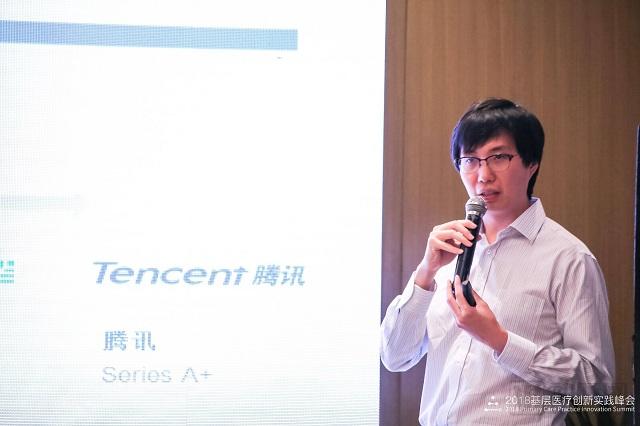
Recently, VCBeat held the Second 2018 Primary Care Forum in Hangzhou, themed around “New Structure.” Ding Xiaowei, founder of VoxelCloud, delivered an inspiring speech titled “AI: The Doctor’s Right-Hand Man” and participated in an exclusive interview with VCBeat. The following is the content of the interview:
From a medical professional perspective, to better empower existing clinical workflows, VoxelCloud positions its product types based on imaging protocols rather than disease categories.. Many products in the industry are developed for single diseases or single lesion types, such as auxiliary diagnostic systems for diabetic retinopathy and pulmonary nodules. VoxelCloud’s products are positioned based on imaging protocols, such as chest CT solutions, fundus image solutions, and chest X-ray solutions.
Taking chest CT solutions as an example, when reviewing lung imaging, radiologists must also screen for other thoracic conditions, including emphysema, bronchiectasis, pneumonia, mediastinal lesions, chest wall abnormalities, and upper abdominal pathologies within the scan field. Frontline radiologists anticipate that future AI systems will perform comprehensive evaluations of thoracic diseases—rather than merely screening for pulmonary nodules—and generate preliminary diagnostic reports.
Comprehensive Disease Computer-Aided Diagnosis System Is Suitable for Initial Diagnosis
Ding Xiaowei told VCBeat that the incidence rate of lung cancer is very high, but this high incidence is relative to other cancers; compared with other common diseases, the incidence rate is still much lower.
For patients receiving an initial diagnosis, typically only symptoms and high-risk factors are known. Upon visiting the clinical department, physicians will recommend appropriate imaging examinations based on the specific clinical presentation. Prior to reviewing the images, radiologists remain blinded to the location of any abnormalities in the pulmonary radiographs and do not presuppose any specific diagnosis for the screening individual.
Therefore, following natural logic, this section begins with imaging protocols. Imaging protocols refer to procedures such as chest CT scans, fundus photography, and coronary CT angiography performed on patients.
For follow-up patients during the course of treatment, physicians are already aware of the patient’s specific condition and seek to monitor therapeutic efficacy. This falls not within the scope of diagnosis, but rather within the realm of management and observation. Therefore, VoxelCloud has incorporated before-and-after comparisons of relevant lesions into its products.
For patients whose initial diagnosis yielded no conclusive results and who return for a follow-up visit to confirm the disease, such cases can be approached under the assumption of a specific condition, as the physician had previously suspected that particular disease and this visit is solely for confirmation. In such scenarios, both VoxelCloud’s single-disease products and its comprehensive multi-disease products provide coverage.
Ding Xiaowei believes that using single-disease computer-aided diagnosis systems for follow-up visits and all-disease computer-aided diagnosis systems for initial consultations better aligns with physicians’ workflow needs.
All-disease auxiliary diagnosis systems have high data requirements but facilitate subsequent refinement.
Ding Xiaowei believes that the medical AI industry will not see the sudden emergence of an exceptionally strong team; rather, it requires accumulated time and experience. Before founding VoxelCloud, Ding Xiaowei was engaged in research on artificial intelligence for medical imaging, working alongside physicians nearly every day. This collaboration provided him with a certain understanding of disease diagnosis and treatment. Although he is not licensed to practice medicine or treat complex and rare diseases, he can interpret basic medical images. Many researchers who have long been involved in the healthcare sector gradually acquire some medical knowledge.
Leveraging their expertise in medical imaging, Ding Xiaowei’s team positioned VoxelCloud’s flagship product as a multi-disease auxiliary diagnostic system from the company’s inception. Compared to single-disease auxiliary diagnostic systems, this approach involves a greater number of labels and imposes significantly higher requirements for data annotation and quality. However, this strategic direction has saved considerable effort in subsequent product refinement.
Because machine learning, particularly deep learning, involves a large number of parameters and labels, models require strong supervision to be well-optimized. Therefore, oversimplifying labels is detrimental to the learning process, and the system must be capable of screening for a sufficiently comprehensive range of diseases.
Taking pulmonary nodule detection as an example, if a system is designed solely to screen for pulmonary nodules, the positive (abnormal) findings are limited to the nodules themselves, while all other structures are classified as negative (normal). This poses a significant challenge for the model, as the negative class encompasses a wide variety of entities, such as empty regions, blood vessels, and other focal lesions.
This creates confusion for the system: why do negative cases exhibit such significant visual differences despite all being labeled as negative? VoxelCloud’s approach is to categorize negative regions by lesion type or tissue type. This provides the system with clear distinctions. Although this strategy complicates model design, it significantly simplifies subsequent parameter tuning and supervision of label differentiation.
The same logic applies to fundus images. If the system is designed solely to detect diabetic retinopathy in patients with diabetes, other abnormalities are likely to be misclassified as false positives. Instead, it is more effective to explicitly define the various types of abnormalities for the system.
Ding Xiaowei stated that positioning the product as an auxiliary diagnostic system for all disease categories not only aligns with physicians' workflow but also conserves R&D efforts, thereby enabling the system to achieve optimal performance.
Ding Xiaowei also emphasized that this training approach presents challenges. As the number of disease categories increases, it becomes difficult to maintain balance among them. Some diseases are common, while others are rare; training with imbalanced data yields suboptimal results and tends to overlook rare diseases.
Furthermore, modeling the relationships between diseases within a single framework is challenging. These relationships vary widely: some are mutually exclusive, others coexist, while some exhibit intersecting or hierarchical associations, and others have no discernible link. Achieving an optimal balance and accurately characterizing these diverse inter-disease relationships is therefore difficult. Additionally, the classification of comorbidities requires detailed guidance from physicians during the development phase to ensure quality control of the annotations.
VoxelCloud’s Partially Mature Solutions
Based on the aforementioned product positioning strategy, VoxelCloud has developed solutions including non-contrast chest CT, secondary diagnosis of lung cancer, coronary CT angiography (CCTA), and a comprehensive solution for all retinal diseases.
VoxelCloud is developing a non-contrast chest CT solution that simultaneously analyzes various disease conditions to generate natural language reports accompanied by quantitative analysis of abnormal regions. To produce standardized descriptions, the VoxelCloud product relies on the operation of multiple models behind the scenes. These models integrate information on the anatomical location of lesions, imaging feature descriptions, lesion characteristics, quantitative metrics, and clinically significant normal findings into a single coherent natural language paragraph—a task that cannot be accomplished by a simple engineering system.
To improve the diagnosis of lung cancer, VoxelCloud addresses this challenge from both microscopic and macroscopic perspectives. Cancer can be analyzed at the molecular scale, while also requiring assessment of lesions resulting from protein synthesis from a macroscopic viewpoint.
From a macroscopic perspective, VoxelCloud describes the morphology of lesions at the millimeter scale. At the molecular level, VoxelCloud and its collaborative liquid biopsy research team conduct ctDNA testing through non-invasive blood draws, integrating imaging findings with genomic sequencing data within a unified context to define lung cancer.
On CT scans, malignant tumors exhibit high sensitivity but low specificity, whereas ctDNA demonstrates high specificity. Therefore, the organic integration of these two diagnostic modalities can provide patients with a confirmatory service for early secondary diagnosis.
Next is coronary heart disease, the leading cause of death worldwide. In China, when elderly individuals experience chest pain or tightness, a common diagnostic test performed at hospitals is coronary computed tomography angiography (CCTA). This CT scan allows visualization of the degree of stenosis in the three major coronary arteries and identifies the underlying causes of the narrowing.
VoxelCloud’s Autoplaque not only provides the functionalities of a standard coronary CTA post-processing workstation but also offers quantitative analyses beyond routine clinical workflows, such as assessing the morphology and composition of plaques within the cardiac lumen. For cardiovascular diseases, VoxelCloud leverages non-invasive examinations to predict the outcomes of invasive cardiovascular procedures in advance, guiding patients on subsequent diagnostic tests and recommended follow-up intervals.
To accurately predict sudden cardiac events, VoxelCloud quantifies features such as cardiac fat and stenotic plaques within blood vessels from a patient’s cardiac imaging data to derive quantitative metrics. By integrating these metrics with clinical information—including biochemical markers, blood test results, medical history, and family history—the system predicts the time window within the next five years when the patient faces the highest probability of experiencing a myocardial infarction.
To enhance model accuracy, VoxelCloud derived its algorithms from real-world data collected through follow-ups of 50,000 patients across 20 hospitals.
Chest X-rays cannot diagnose all thoracic and pulmonary diseases, but they can detect certain abnormalities. Therefore, they play a significant role in determining whether patients undergoing routine health examinations require hospital admission for further diagnostic evaluation.
If it can be used for patient triage and referral, such positioning is highly reasonable. Therefore, VoxelCloud has conducted initial screening for all types of early-stage lesions in this field.
In the field of ophthalmology, VoxelCloud is not limited to screening for diabetic retinopathy; instead, it aims to provide comprehensive solutions for the full spectrum of retinal diseases, along with diagnostic analysis reports. Currently, VoxelCloud’s product covers the majority of ocular diseases and has achieved successful implementation, earning recognition from a major National Institutes of Health (NIH) project in the United States, which selected VoxelCloud’s product for experimentation across Los Angeles County. In China, VoxelCloud is also conducting clinical trials in the ophthalmology departments of three prestigious hospitals in Beijing.