

Addressing the Weaknesses of Direct-to-Consumer Genetic Testing: This Company Aims to Empower Health Through Life Data
In 2012, 23andMe launched a consumer-grade genetic testing product priced at $99, with its sales doubling within nine months. As the pioneer of consumer genetic testing, 23andMe opened up the market and simultaneously spawned and nurtured a billion-dollar industry. Genealogy company Ancestry subsequently followed suit, and together, the two companies propelled the U.S. consumer genetic testing market to its peak.
This has also drawn entrepreneurs flocking to the space, with more than 200 consumer-grade genetic testing companies now operating in China. Wang Xiaokang, founder and CEO of Shuimu Genomics, and his team are part of this large cohort.
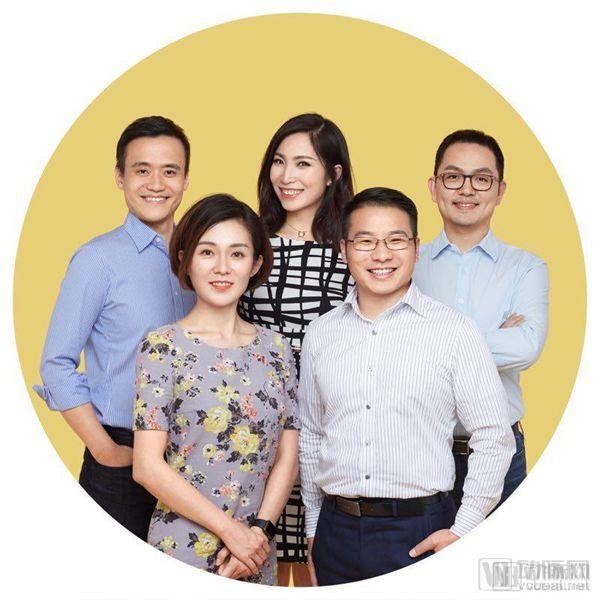
Group Photo of the Shuimu Gene Team (Image provided by Shuimu Gene)
Wang Xiaokang graduated from the Department of Physics at Peking University and earned a Master’s degree in Economics from the National School of Development at Peking University. Prior to founding Shuimu Gene, Wang had established an internet company, gaining profound insights into selecting market sectors, launching enterprises, and overcoming growth challenges.
At that time, he was also shocked by the news that sequencing costs had dropped to $1,000. Any new technology undergoes a gradual evolution from research and medical applications to civilian and consumer use.
He believes that once the cost of acquiring life data becomes sufficiently low, this market will explode at an extremely rapid pace.
As an entrepreneur in the internet industry, upon spotting this new opportunity in an era where speed is paramount, he immediately began considering whether to join the wave of life sciences startups.
His background enables him to oversee the company’s product marketing and overall strategic coordination. However, he is well aware that he does not have a formal training in bioinformatics; therefore, he needs an expert in this field to support the technical aspects spanning from research and development to production.
After much deliberation, Wang Xiaokang thought of his longtime friend Zhao Nan, who was currently serving as an assistant professor at Mississippi State University in the United States. After being briefed on the situation, Zhao Nan also believed that this presented a valuable opportunity for someone with a background in bioinformatics to consolidate academic achievements and experience, facilitating their translation and application within the industry.
Zhao Nan’s appointment as Chief Scientist at Shuimu Genetics marked the formalization of the company’s second co-founder. However, as the company grew and its operations matured, Wang Xiaokang recognized that there were greater needs for market expansion.
Within his own circle, his close friend Jiang Xiaofeng, a former partner at a public relations firm with years of entrepreneurial experience, joined as Chief Marketing Officer, providing Beijing Shuimu Technology Co., Ltd. (Shuimu Gene) with strong support in product marketing, market development, and government relations.
“I oversee the overall strategic management of the company and its products, Zhao Nan is responsible for R&D and laboratory production, and Xiaofeng handles brand marketing and growth. The three of us have complementary expertise,” Wang Xiaokang told VCBeat.
Adapting to Local Conditions: Exploring Business Models Suited to the Chinese Market
The company was officially established in 2015, by which time consumer-grade genetic testing in the United States had already undergone ten years of development. In the field of consumer-grade genetic testing, the U.S. is the absolute mainstream, with both its products and market being more mature than those in China.
In terms of its business model, Shuimu Gene not only studies star enterprises such as 23andMe and Helix, but also seeks a balance between their models and China’s local business environment and the health needs of the Chinese population.
“We are global in technology, yet rooted in local wisdom. We need to identify and leverage our unique strengths by adapting to the specific conditions of the Chinese market,” summarized Jiang Xiaofeng.
When asked about the design logic of the product, Wang Xiaokang responded: “While there are references from the United States, our approach is primarily driven by application scenarios., consider which aspects are needed to support our product logic.”
He revealed to VCBeat that Shuimu’s genetic interpretation loci are currently second to none in the industry, with its entire workflow covering all relevant projects within the sector. On the other hand, they also tailor their approach based on partners’ specific niches, determining the data support required for each product and defining consumer profiles. The overall process design is developed by taking both aspects into consideration.
The Ultimate Form of Consumer Genomics Must Be Integrated with Health Management
Wang Xiaokang told VCBeat that the domestic consumer-grade genetic testing market is still in its early stages, but it is predictable that in five years, it will surely become a mature market.
“And the most significant application among these is undoubtedly health-related.“He stated.”
In terms of the broader health and wellness market, the U.S. market is relatively mature, as evidenced by its well-established commercial insurance systems, family physician practices, and community-based services. By contrast, in China, commercial health insurance is still in its early stages, and the adoption of family physician contracting has only just begun.
Wang Xiaokang believes that the U.S. healthcare market, encompassing both insurance and family medicine, is already relatively mature. However, the more mature a market is, the more difficult it becomes to integrate new technologies.
“Meanwhile, in China, the overall development of the health and wellness services market is relatively lagging, remaining, like new technologies, in a nascent stage of emergence,” he added. “Therefore, the current stage actually presents better opportunities for us new technology companies.”
Therefore, although both are consumer-grade genetic testing products, Shuimu Gene differs significantly in product positioning. “This is because the industry as a whole is at different stages of development,” explained Jiang Xiaofeng.
From another perspective, it took over a decade for the U.S. consumer-grade genetic testing market to evolve from its inception to maturity. For Chinese startups, achieving in the next two to three years what the U.S. market accomplished over the past decade will undoubtedly pose significant challenges.
“It would be difficult to reach the U.S. level within two years if relying solely on online sales.“He revealed to VCBeat, ‘Therefore, we need alternative channels and product models to achieve overtaking on the bend in this field.’”
Break Through Limitations: Empowering Users to Leverage Their Data
Beijing Shuimu Technology Co.Ltd.'s products are mainly divided into two categories: one is health-related products for disease prevention and management, and the other is personal genomic products focused on health management.
“Life Coach™” is a comprehensive health product they designed based on personal genome and gut microbiome testing. They were the first in China to propose the concept of “using genetic data to tailor healthy lifestyles for users.”
In addition to assessing users’ health status through testing, Shuimu Genomics has independently developed a mobile app to serve its users.
The Jellyfish Gene Life Coaching Team, composed of professionals from various fields such as nutrition, kinesiology, and genetics, along with advanced machine algorithms, provides personalized and precise health guidance based on user test results. This human-led, machine-learning-assisted approach delivers tailored, efficient health management solutions.
They hope to break through within the industry“Report Only”limitations, enabling users to truly leverage their data.
Early this year, Shuimu Gene joined forces with Chinese National Geography magazine to launch China’s first “Chinese Surname Genetic Mapping Project” and the “Life Atlas™” product, initiating a journey for Chinese people to trace their roots and explore the familial histories behind different surnames.
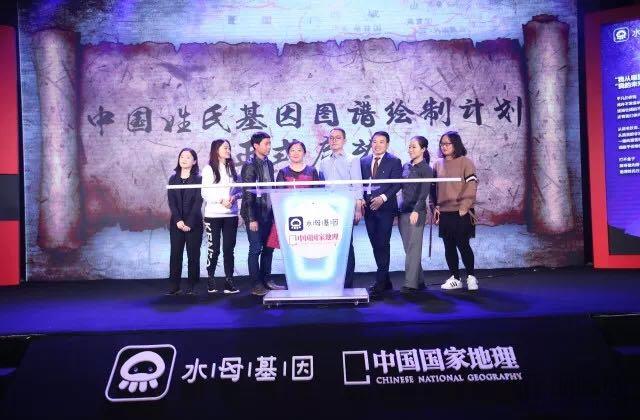
Image provided by Shuimu Gene
The product includes three ancestry tests (paternal, maternal, and general lineage), 286 personal health genetic tests, and a one-year life coaching service, covering surname ancestry, personal traits, dietary nutrition, exercise traits, disease risk, and more.
“China differs from the United States. The U.S. is an immigrant nation, where genetic testing primarily maps migration routes to reveal the ancestral national origins and ethnic composition of individuals’ forebears. In contrast, China is a relatively homogeneous country dominated by the Han ethnic group. Although our ancestors have been rooted here for over 5,000 years, the region has undergone multiple episodes of ethnic integration and population migration, making it far more challenging to construct accurate population migration maps,” stated Zhao Nan, Chief Scientist at Shuimu Genomics. “Moreover, China’s history spans a much longer period. Tracing lineage changes over these 5,000 years is significantly more complex than analyzing a single ancestral migration event.”
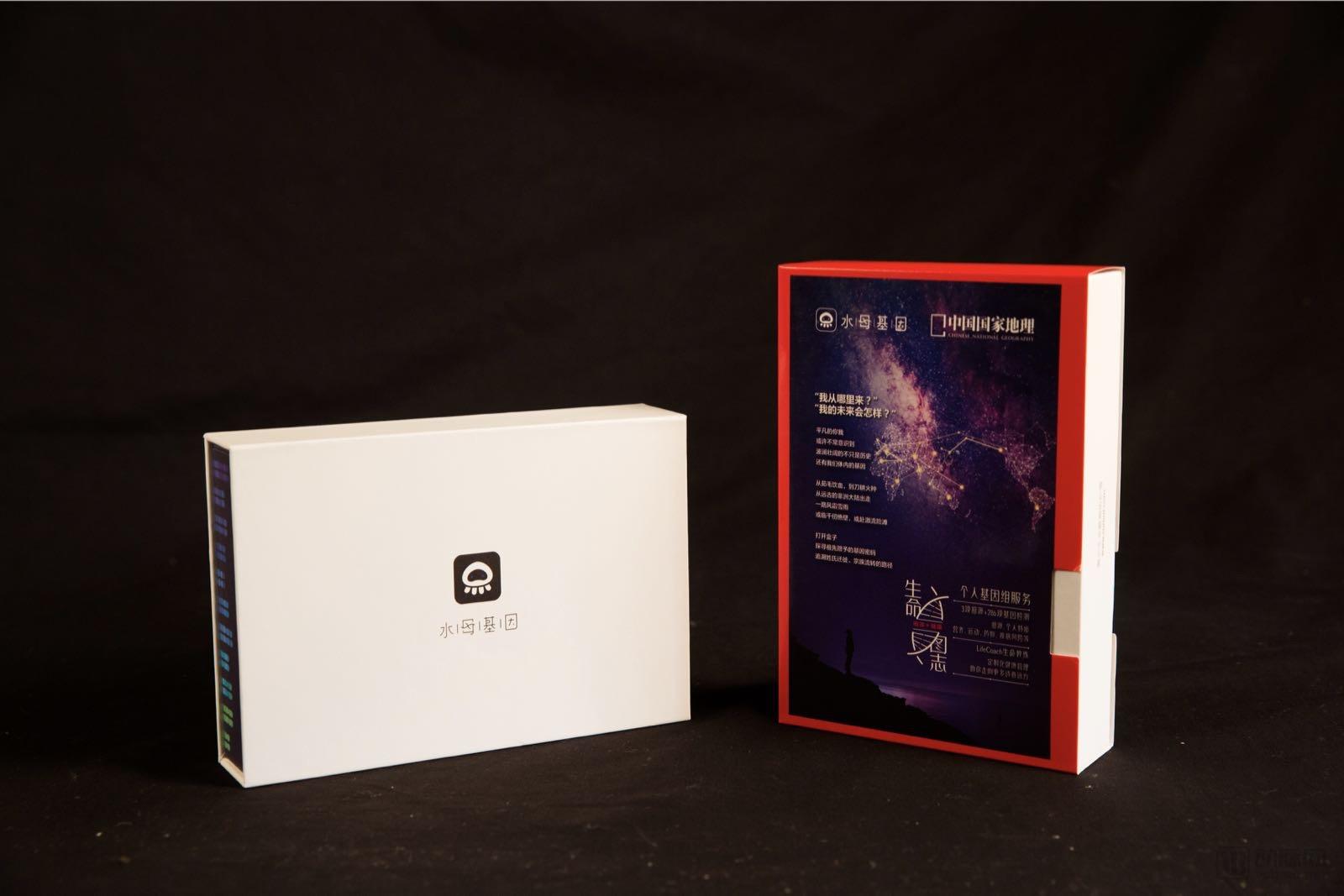
Image provided by Shuimu Gene
As consumer-grade genetic testing products, it is unlikely for users to find doctors for relevant communication after receiving the report, unlike clinical tests. This has long been a problem plaguing consumer-grade genetic testing products: users find it difficult to locate someone to interpret the data after obtaining their results.
Therefore, these data are difficult to provide guidance and reference for users' daily lives.
“Therefore, we are more inclined to provide users with a comprehensive suite of services.“By integrating users’ personal genomic data, gut microbiome profiles, and even physical examination results, we analyze these datasets to outline their health status,” said Wang Xiaokang. “For instance, our ‘Life Coach’ delivers audio, video, and text-based content to help users gain a better understanding of their physical health within the context of their daily lives and current life and career stages. These recommendations are tailored based on each individual’s biological data.”
Wang Xiaokang drew an analogy, stating that it is akin to the combination of longitude and latitude. A single line of longitude or latitude alone cannot determine a target’s location; however, when both values are plotted on a map, they pinpoint the exact coordinates. Such coordinates serve a navigational function in everyday life.
Applying such logic to genetic testing products can also provide precise health guidance for daily life.
“This is a very new product model, and current user engagement levels demonstrate that our product can deliver an excellent user experience,” said Wang Xiaokang.
Empowering the Industry: Making Gene Technology a Powerful Tool
“From the perspective of our strategic focus, Shuimu Gene does not aim to take over every link in the chain. Instead, we leverage our capabilities to empower partners across various health and wellness consumer scenarios by utilizing life science data,” said Wang Xiaokang.
He believes that gene technology should follow the trajectory of mobile internet over the past decade.Mobile internet did not create every industry; rather, as a tool, it has disrupted many industries.
For instance, in June 2018, Shuimu Gene joined forces with well-known Chinese brands PICOOC, Snail Sleep, and Benlai Life to host an offline event themed “X-GENE: Unlocking the Future Lifestyle” at HITIE Gym in Chaoyang District. Twenty-five genetic testing users attended the event, experiencing personalized exercise plans developed by Shuimu Gene’s “Life Coach” team based on their individual genetic profiles, and received hands-on training guidance from Guo Zihao, a popular Chinese fitness influencer and coach.
In addition, the various engaging activities set up at the event allowed participants to gain a deep understanding of the relationship between genes and fitness, fat loss, diet, sleep, and more, such as how to choose the right post-workout meals based on genetic test results. The "Life Coach" team from Shuimu Gene provided on-site interpretations of genetic reports and answered questions for all attendees.

X-GENE Event Scene: Fitness coach Guo Zihao leads user groups through workout sessions.
It is reported that renowned fitness coach Guo Zihao has officially become a contracted “Life Coach” for Shuimu Genomics. He will soon join the Shuimu Genomics APP, working alongside Shuimu Genomics’ in-house professional team to provide lifestyle guidance to Shuimu Genomics users.
“For us, we hope to leverage this tool to help our partners more accurately identify users and build better user profiles. Ultimately, this will enable them to provide more precise and personalized services to their customers, thereby delivering greater value to users,” said Jiang Xiaofeng.
This is akin to what DingTalk is doing: the app integrates a company’s routers, printers, and attendance machines into a unified platform. However, DingTalk itself does not handle all tasks directly; rather, it provides services to enterprises.
This philosophy has also attracted an increasing number of partners for Beijing Shuimu Technology Co.Ltd. to jointly launch co-branded products.
In addition to the “Life Atlas™” launched in collaboration with Chinese National Geography magazine, they will be rolling out more products in the second half of 2018.
Marketing Strategies Should Be Integrated with Application Scenarios
In terms of marketing, Shuimu Gene has not relied solely on the internet model like mainstream DTC genetic testing companies; instead, it combines application scenarios and works with partners to deliver products to customers.
On the one hand, partners have their own sales channels, through which Shuimu Gene can distribute its products to the partners’ user base. On the other hand, Shuimu Gene has established its own sales network via channels such as its mobile app, WeChat, and JD.com. This approach not only facilitates product marketing but also enables the integration of resources from both parties to jointly develop superior products. This is precisely why Shuimu Gene attracts partners to launch co-branded products.
“If you want to sell shoes to people who don’t wear them, the marketing costs will certainly be very high,” said Jiang Xiaofeng. “Our strategy is to enhance product value for users with specific needs, thereby reducing costs even in offline sales channels.”
He aims to integrate the product into users’ daily needs, enabling them to naturally experience the novel benefits of technology in their everyday lives.
“We do not intend to simply replicate the 23andMe model. While an online-only approach eliminates intermediary markups, it incurs substantial marketing costs due to advertising,” added Wang Xiaokang. He aims to collaborate with partners to enable consumers to directly recognize the value of the products, thereby maximizing the value delivered by these partners.
Select highly compatible partners to maximize product value
Regarding the selection of partners, Wang Xiaokang believes that the most important factor is to assess whether there is synergistic value between the two parties, ensuring that genetic data can deliver tangible value to products and users within the industry.
“We shouldn’t blindly launch a product just because it’s fun.”If data fails to deliver value to the industry, even strong initial sales will struggle to sustain momentum in the long run.”he explained to VCBeat.
After identifying viable industries for collaboration, they carefully select partners within those sectors who can truly integrate data with products. “If integration is limited to marketing alone, and the two teams are unable to interact effectively, it will be difficult to develop a high-quality product,” he added.
In short, they aim to identify partners with a high degree of alignment in terms of products, teams, and brand tonality, thereby enhancing the value delivered to users across both industries.
However, he also acknowledged that collaborative channels have only just begun to open. As this is a first-of-its-kind initiative within the industry, continuous refinement is still required. Currently, product sales rely primarily on the company’s own distribution channels. He hopes that growth in sales volume through these proprietary channels will attract more partners and resources.
“The engine is undoubtedly Beijing Shuimu Technology Co., Ltd.'s own user growth and sales volume.”He emphasized.
It is understood that Shuimu Gene’s business operations are divided into two segments: the enterprise-facing side and the direct-to-consumer (DTC) side. The DTC business, launched in late 2017, is currently growing at a monthly rate of 50%.
Jellyfish Gene has established its own state-of-the-art biological laboratory, located in the Fengchuang Technology Park in Yizhuang, Beijing. The facility employs the most advanced international automation technologies, with an annual production capacity ranking among the top in China.
“Our laboratory began operations in March this year and achieved production capacity by May,” said Zhao Nan. “Therefore, we will see a more rapid expansion of our production capacity.”
Next, products and production capacity are core.
At its inception, Shuimu Gene secured angel-round financing led by the Venture Capital Fund of Xi’an Jiaotong University. As its products were progressively refined and brought to market, the company launched its Series A financing round in 2018.
“We prioritize the efficiency of capital utilization. Shuimu Gene has been relatively slow in initiating fundraising within the industry, as we aim to avoid excessive cash burn in the early stages,” Wang Xiaokang explained to VCBeat. “We have managed our fundraising pace effectively, primarily driven by considerations for long-term, steady growth.”
Next, Shuimu Genes will continue to explore how to reveal the value of life data to consumers along its previously planned route. The top priority is investment in research and development.
Jiang Xiaofeng revealed that the turnaround time for Shuimu’s genetic testing currently leads the industry, with personal genomic testing typically completed within 10 days, compared to the industry average of 15–20 days. The company will invest more capital in the research and development of new bioassays, thereby providing users with multi-dimensional life data.
“We have already accumulated substantial reserves in talent and technology, and will launch new products once they are ready for commercialization,” added Wang Xiaokang.
On the other hand, investment is also directed toward identifying core application scenarios for data, continuing to create value for users and partners.
The above are the company’s two strategic pillars for the upcoming period. Aligned with these two pillars, the company will also expand its team size to a certain extent.
“We will establish new production bases in two regions, having already completed preliminary negotiations with the local governments. This will support our capacity expansion,” revealed Jiang Xiaofeng. “Accordingly, our business team will also be appropriately scaled up. Going forward, both the R&D and business teams are expected to experience rapid growth.”
It is reported that the company’s Beijing laboratory has officially commenced operations. Wang Xiaokang revealed that two new production bases will be established in the near future, and the company will apply for qualifications as a third-party clinical testing laboratory.