

From Pediatric Cerebral Palsy Rehabilitation to Neurorehabilitation: Bokang Medical Secures Tens of Millions in New Funding to Expand into the Neurorehabilitation Market
In the second half of last year, Cheng Jiayuan, founder of Bokang Medical, remained exceptionally busy. On one hand, the company’s rehabilitation projects were gaining strong momentum, necessitating considerations for future expansion space; on the other, he engaged in continuous discussions with dozens of investment institutions. “Few institutions are interested in the rehabilitation sector, and even fewer understand and are willing to invest in pediatric cerebral palsy rehabilitation and neurological rehabilitation.”
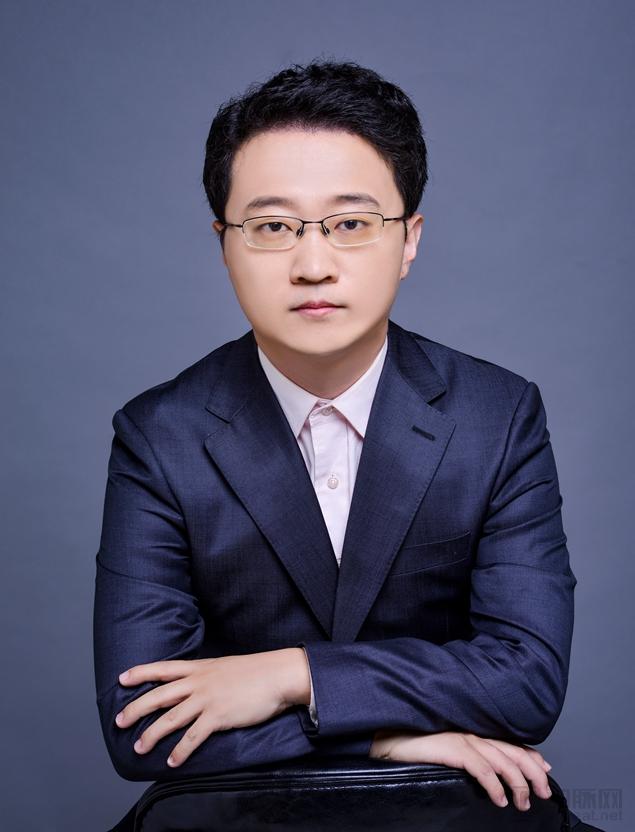
Cheng Jiayuan, Founder of Bokang Medical
Late last year, Yahui Capital, which had invested in nearly 20 innovative enterprises in the fields of molecular diagnostics, healthcare services, and new drug R&D, approached Cheng Jiayuan, and quickly completed processes such as investment committee approval and capital injection. “Yahui Capital is very optimistic about the neurorehabilitation sector and highly recognizes our team,” said Cheng Jiayuan. He expressed gratitude for Yahui Capital’s trust and hopes to leverage financial resources to promote standardization and chain-based expansion in the field of neurorehabilitation, thereby benefiting more patients.
From a GSK sales representative specializing in neurorehabilitation, to overseeing a neurorehabilitation department, and eventually founding a rehabilitation hospital for children with cerebral palsy, Cheng Jiayuan, a graduate of Peking University Health Science Center, has remained deeply immersed in the field of neurorehabilitation.
His computer stores numerous before-and-after records of patients. Following standardized treatment, these patients exhibited significant improvements. “After several courses of treatment, many patients are able to largely return to normal daily life; for instance, their gait and hand function have normalized.”
“These children truly suffer,” Cheng Jiayuan told VCBeat while attending the grassroots healthcare forum hosted by VCBeat, explaining why he left the pharmaceutical industry in 2010 to focus on cerebral palsy rehabilitation. “Many parents are misled by unregulated hospitals, wasting money and delaying proper treatment.”
Their core team consists of friends who have known and trusted each other for many years. It includes senior professionals with over a decade of experience in hospital management and operations, nationally renowned experts and professors in the field of rehabilitation, and mid-level managers from top global pharmaceutical companies. “This endeavor may not be profitable, but we find deep satisfaction in seeing children leave our care able to function like any other normal individual.”Cheng Jiayuan said, “Curing one child may save an entire family.”
China has a pediatric population of 256.5 million, with an incidence rate of cerebral palsy (CP) in children of approximately 5‰. Currently, there are about 6 million CP patients in China, and it is projected that an additional 1 million cases will emerge over the next decade. When including sequelae from traumatic brain injury, encephalitis, and peripheral nerve injuries, the total number of affected individuals is estimated to reach around 10 million.
At a cost of RMB 2,000–3,000 per patient per month, or approximately RMB 30,000 annually for treatment, the total expenditure on treatment and rehabilitation for patients with cerebral palsy would approach RMB 200 billion.“For some patients’ parents, this represents a significant financial burden,” Cheng Jiayuan told reporters, adding that they often waive part or even all of the medical fees for patients from financially disadvantaged backgrounds.
Cheng Jiayuan believes that, compared with adult rehabilitation, pediatric rehabilitation involves greater technical and managerial complexities and has higher entry barriers, resulting in a severe shortage of medical institutions equipped to provide pediatric rehabilitation services.
Tertiary hospitals prioritize the treatment of acute and critical conditions. Their rehabilitation departments, often transformed from traditional Chinese medicine or physiotherapy units, lack sufficient awareness and emphasis on pediatric rehabilitation. Furthermore, general rehabilitation requires prolonged hospitalization spanning 3–6 months or even up to a year, while certain pediatric conditions necessitate lifelong rehabilitation. However, public hospitals face a severe shortage of inpatient beds.Bed turnover rate poses a challenge to hospital services.In Beijing, there are only three tertiary hospitals with a genuine pediatric rehabilitation department, offering approximately 50 to 60 beds.
Currently, service institutions under the civil affairs departments and the China Disabled Persons’ Federation (CDPF) system cover rehabilitation services for the majority of children with disabilities and more than half of those with severe conditions. In contrast, private pediatric rehabilitation institutions primarily focus on educational interventions and manual therapies, largely lacking medical licenses. There is a significant shortage of medical experts in these settings, resulting in considerable restrictions on clinical interventions compared to medical institutions. These private facilities typically rely only on non-invasive treatments such as physical therapy and psychological intervention, leaving a notable gap in comprehensive treatment capabilities when compared to those available in medical institutions.
Bokang Medical’s management team has ultimately achieved “affordable, high-quality” medical services by introducing standardized operational management, regulated clinical workflows, and a top-tier domestic medical expert team.
Over the past seven years since its establishment, not a single member of Bokang Medical’s core management team has departed. “We believe this is a field worthy of our utmost dedication, and our team members derive a strong sense of accomplishment from their work.”
In a documentary filmed by Bokang itself, the reporter saw many patients from Russia, Kazakhstan, and Southeast Asia. “To date, we have provided treatment services to nearly 50,000 patients.”
According to the theory of Clayton Christensen, a professor at Harvard Business School and the “father of disruptive innovation,”Rehabilitation therapy represents a typical value-added service model, characterized by precise diagnosis and a clear correlation between treatment plans and outcomes. By integrating the diagnostic and therapeutic processes, treatment quality can be efficiently enhanced. Meanwhile, standardization in management and services enables low-cost expansion and the export of management capabilities.
Standardized practice has always been the focus of Bokang Medical. Bokang Medical has consistently aimed to demonstrate, through standardized operational management and regulated processes, that private medical institutions are trustworthy, offer guaranteed medical quality, charge reasonable fees, and are supported by medical insurance.
In building its team of rehabilitation experts, Bokang Medical has established long-term, stable collaborative partnerships with institutions such as the China Rehabilitation Research Center, Beijing Children’s Hospital, and the Beijing Association of Rehabilitation Medicine.
In Cheng Jiayuan’s view, “Many secondary or primary hospitals lack distinctive specialties. In terms of developing pediatric rehabilitation services, Bokang Medical can integrate various resources to help expand this business.”
In the private healthcare sector, Bokang Medical has identified opportunities in integrating rehabilitation services with private capital, targeting the model of rehabilitation centers with medical qualifications. Leveraging existing hospital resources, it provides comprehensive support and holistic solutions across technology, funding, equipment, operations, and talent. This approach delivers an overall qualitative improvement for partners in areas including discipline construction, departmental development, talent cultivation, infrastructure development, brand building, as well as economic and social benefits.
In May 2017, Bokang Medical partnered with Capital Medical Group to jointly establish the pediatric rehabilitation brand for Beijing Yingzhi Jingxi Rehabilitation Hospital, a premium rehabilitation brand under Capital Medical.
To date, Bokang Medical has managed and operated three hospitals and co-established two rehabilitation centers, including a Tier-1 general hospital, a Tier-2 rehabilitation and nursing hospital, a pediatric neurological rehabilitation center, and a sports injury rehabilitation center.
In Cheng Jiayuan’s strategic plan for Bokang Medical, the aim is to deliver more refined, higher-quality medical services while expanding implementation across broader regions.
“Based on data from Bokang Medical’s past patients and its online platform, we can analyze which locations require the establishment of offline facilities.”Bokang Medical will continue to develop offline neurorehabilitation institutions for children and adults, implementing a model of regional replication.
In terms of its operational model, Bokang also maintains an open mindset and is prepared to adopt a partner program for newly established rehabilitation centers, aiming to attract rehabilitation professionals from public hospitals as well as talent from the private healthcare sector to join.Cheng Jiayuan said, “We hope to build a chain of rehabilitation medical institutions with neurological rehabilitation as our core strength and distinctive feature.”