

Three Key Trends in China's Digital Healthcare Industry in 2018: AI+Healthcare, Doctor IP Evolution, and Integrated Patient-Physician Services
Over the past two years, China’s healthcare industry has attracted significant attention. With frequent policy releases and increasing investment, coupled with the boost from the “Internet Plus” model, the sector is undergoing a profound transformation. As healthcare professionals, how should we position ourselves in the present to secure success in the future?
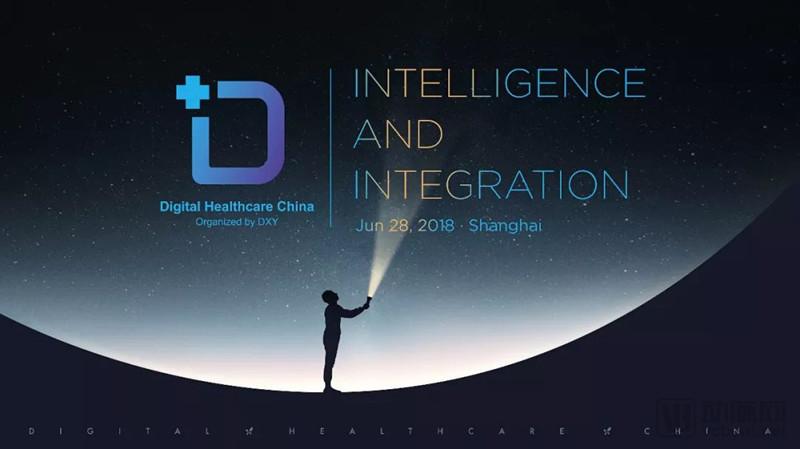
On June 28, the 5th DHC (Digital Healthcare China) Annual Summit by DXY will kick off, bringing together industry stakeholders to jointly interpret healthcare policies and development trends, explore strategies for addressing industry challenges, share innovative models of digital collaboration in healthcare, and integrate multi-party resources to help enterprises achieve commercial success.
This summit will focus on three major themes: AI + Healthcare, the upgrade of the Doctor IP model, and integrated doctor-patient services. Why were these three themes chosen?
Artificial intelligence technology has permeated a variety of service scenarios, and the application of “AI + Healthcare” has experienced explosive growth over the past two years. With the frequent introduction of healthcare policies and continuous increases in investment, the new service model of “AI + Healthcare” is being accepted and implemented by the industry.
As medical AI products continue to mature, an increasing number of medical AI companies are deploying their solutions in hospitals for pilot trials and iterative refinement.Particularly in the field of radiological imaging, some radiology departments at large Grade A tertiary hospitals have even partnered with more than 10 medical AI companies.
In fact, radiology departments in tertiary hospitals are not the only application scenario. For radiologists in tertiary hospitals, even without the assistance of medical imaging AI products, they can interpret medical images accurately; however, without AI support, there is a bottleneck in daily patient throughput, making it difficult to fully meet the growing demand for examinations. Nevertheless, this contradiction can be resolved by allocating more time.
For primary healthcare institutions, however, grassroots physicians have limited capability in interpreting medical images and are reluctant to make independent diagnoses. Given that missed diagnoses entail medical liability, these physicians cannot jeopardize their careers. Consequently, even when equipped with advanced imaging devices, primary healthcare institutions remain hesitant to blindly accept patients with such diagnostic needs.
In the future, as medical AI systems continue to mature and gain approval from the National Medical Products Administration (NMPA), they will bolster diagnostic confidence among primary care physicians, assist them in conducting health screening examinations, increase revenue for primary healthcare institutions, and alleviate the patient intake pressure on tertiary hospitals. It is evident that medical AI systems hold significant potential within primary healthcare settings.
With the widespread implementation of policies such as multi-site practice for physicians and tiered diagnosis and treatment, the internet has undoubtedly provided doctors with an efficient channel for delivering medical services. Consequently, “Physician IP” has become a hot topic in the healthcare sector in recent years. Physicians such as Zhang Qiang, Duan Tao, Yu Ying, and Cui Yutao have cultivated their presence on online platforms, building personal brands that rival those of hospitals.
The emergence of physician brands has disrupted the traditional hospital-centric healthcare relationship, significantly facilitating the mobility of medical talent and driving the prosperity of private hospitals, physician groups, and private clinics.
As Chinese doctors leverage the internet to build broader and more differentiated brand influence, how should healthcare companies utilize “doctor IP” (Intellectual Property) as a strategic lever to create a closed-loop business value chain and drive business innovation and development?
With the reform and opening-up of the healthcare system, the needs of medical stakeholders such as doctors and patients have become diversified and customized. Meanwhile, the internet and finance, as two major driving forces, have accelerated the implementation of an integrated doctor-patient business model.
DXY has also been prioritizing the development of an integrated doctor-patient model,Integrated Doctor-Patient CareIt comprises four key components. The first is physician education, which serves as the foundation of the entire healthcare core. The second is peer-to-peer interaction among physicians, where many young doctors engage in customized exchanges with the experts present here. The third is doctor-patient interaction, leveraging internet technologies to facilitate engagement between doctors and patients not only in physical settings but also online. The fourth is patient management, covering the pre-admission and post-discharge phases that are difficult for in-hospital physicians to monitor today; however, these can be effectively managed through internet-based solutions, particularly for chronic and severe diseases.
As healthcare reform enters its deep-water zone, how can we make medical care and services more accessible, affordable, and trustworthy, enabling patients to obtain targeted, high-quality medications and services at scientifically justified prices? How can healthcare providers integrate market dynamics, sales, IT, and even regulatory collaboration to achieve commercial innovation or win-win outcomes?
To address these questions, DXY has invited leaders from government agencies, academic institutions, hospitals, AI companies, insurance and financial payment firms, pharmaceutical distribution enterprises, as well as executives from McKinsey, Boston Consulting Group, and pharmaceutical companies to share their industry practices and insights. Additionally, Dr. Robert Wah, former President of the American Medical Association (AMA) and a member of the Obama healthcare reform advisory team, will be present to share his perspectives. The specific event details are as follows:

In addition to on-site participation, this event also features a special online live stream. To participate: scan the QR code above, visit the official account’s homepage to register, and you can watch the live broadcast of the 2018 DHC Summit. We look forward to witnessing the industry’s excellence together with you.