

Private Rehabilitation Hospitals Account for 67% of China's 495 Facilities: Digital Transformation Business Model Faces Three Key Barriers
In 2017, Mary Meeker’s Internet Trends Report opened with the statement, “Healthcare has reached a digital inflection point,” underscoring the critical role of technology in driving healthcare transformation.
From 2000 to 2017, medical technology achieved comprehensive breakthroughs. Medical X-ray imaging evolved from 2D analog to 3D digital; blood pressure monitors shifted from manual to automatic operation; electrocardiograms (ECGs) transitioned from paper-based records to wearable devices; and hospital monitoring systems moved from in-room surveillance to remote monitoring. According to Clayton Christensen’s theory, the core of the future healthcare system will no longer be physicians, but rather physician assistants or nurses, reflecting how technology replaces key roles in the specialist-dominated model.
Rehabilitation medicine was introduced to China in the 1980s. It is generally believed that the 2008 Wenchuan earthquake accelerated the development of rehabilitation healthcare in China. The key distinction between modern and traditional rehabilitation medicine lies in "technology." Traditional rehabilitation remains largely reliant on manual operations, lacking standardization, quantification, and an integrated framework and workflow. In contrast, modern rehabilitation leverages information technology, intelligent technologies, and network technologies to achieve rehabilitation goals.
VCBeat (WeChat ID: vcbeat) examines the digitalization trends in the rehabilitation sector, maps out the companies operating within this landscape, and seeks to identify a series of obstacles that disruptive technological innovations may encounter in the application of digital rehabilitation solutions.
According to the 2017 China Health Statistics Yearbook, there were a total of 495 rehabilitation hospitals and 603 orthopedic specialty hospitals across China in 2016. Given that postoperative orthopedic patients constitute a significant proportion of those undergoing rehabilitation, data on orthopedic hospitals are also provided for reference.
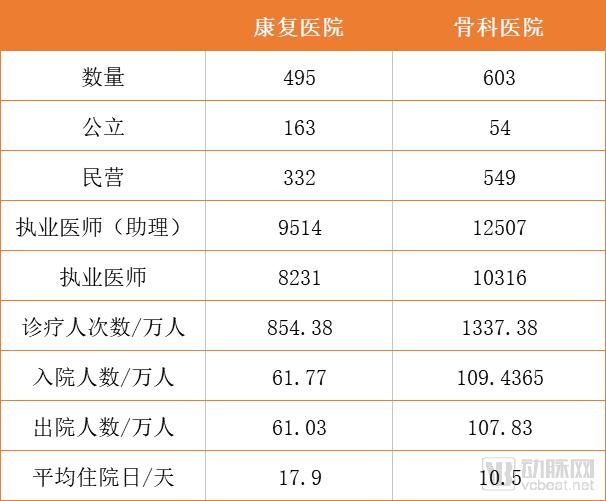
Rehabilitation Institution-Related Data (Data Source:China Health Statistics Yearbook 2017)
In 2016, rehabilitation hospitals recorded 617,700 admissions. The average length of stay in these facilities was relatively long, at 17.9 days. Physicians in rehabilitation hospitals managed an average of 3.7 inpatient bed-days per day, higher than the 2.6 days handled by physicians in general hospitals. In terms of workforce, there is a significant shortage of qualified professionals: only 9,514 physicians held credentials in rehabilitation medicine to provide rehabilitative services.
Generally, the investment cost for rehabilitation hospitals averages around RMB 300,000–500,000 per bed, whereas for general hospitals, this figure stands at RMB 1–1.5 million. According to research by Shenwan Hongyuan, the payback period for rehabilitation hospitals is three years, significantly shorter than that of general hospitals and the average return across the healthcare industry.
Unlike the acute clinical phase, patients undergoing rehabilitation therapy have stable conditions, and their treatment protocols are relatively standardized and modular. Furthermore, due to the shorter training cycle and lower entry barriers for professional personnel, as well as the low initial investment resulting from minimal reliance on large-scale equipment, specialized rehabilitation hospitals possess strong operational feasibility for replication and expansion, with growth rates far exceeding those of general hospitals.
The rehabilitation medical market is still in its early stages, with a relatively higher degree of marketization, fewer restrictions, and greater flexibility.
VCBeat’s “Five Major Upgrade Opportunities in the Digitalization of the Rehabilitation Industry” posits that the most significant challenge currently facing the rehabilitation sector is the shortage of rehabilitation professionals, a situation unlikely to see substantial improvement in the short term. Furthermore, as numerous publicly listed companies are heavily investing in establishing offline rehabilitation hospitals and clinics, entrepreneurial opportunities lie in leveraging asset-light models to enhance the efficiency of existing rehabilitation personnel and institutions.
According to data from the 2017 Health Statistics Yearbook, private hospitals account for 67% of rehabilitation hospitals. In contrast to public medical institutions, which are characterized by high channel barriers, substantial construction costs, and a focus on equipment functionality and reliability with low price sensitivity, private medical institutions feature shorter, scaled procurement cycles and prioritize cost-effectiveness. Consequently, intelligent rehabilitation equipment that enhances operational efficiency will be the first to penetrate the private rehabilitation sector, leveraging its high cost-performance ratio and flexible cooperation models.
Comprehensive Analysis of the Current Market Environment: Three Major Factors Driving Market Growth
1) With the growth of national income and increased public awareness of healthcare, China currently has only 1.7 rehabilitation physicians per 100,000 people. Leveraging digital tools to enhance rehabilitation efficiency is an inevitable choice to address the existing supply-demand imbalance of professional talent in China’s rehabilitation medical industry;
2) Renowned domestic research institutes and enterprises have intensified their R&D efforts, leading to an upward trend in the number of rehabilitation robot patent applications. New products have been successively launched, achieving a certain installed base in the mid-to-low-end market;
3) With the continuous expansion of medical insurance coverage and reimbursement rates, the trend toward domestication of medical devices, and favorable policies such as the explicit requirement by the National Health Commission for tertiary rehabilitation hospitals to be equipped with relevant technologies, rehabilitation robots and intelligent rehabilitation systems are ushering in new development opportunities.
Currently, rehabilitation hospitals and departments of rehabilitation medicine at all levels still rely primarily on rehabilitation therapists for patient management. However, with the integration of emerging technologies and models such as the Internet and robotics, the value of digital transformation in rehabilitation—spanning prevention, diagnosis, assessment, treatment, and training—should not be underestimated.
Within the rehabilitation healthcare system, general hospitals focus on providing early-stage rehabilitation during the acute phase and implementing early rehabilitation interventions to shorten hospital stays and free up capacity for other rehabilitation institutions.
Specialized rehabilitation hospitals and primary care rehabilitation institutions shall provide professional and comprehensive rehabilitation treatment for patients in the stable phase, accept referrals from general hospitals, and collaborate with continuing care institutions—such as geriatric hospitals, nursing homes, and community rehabilitation centers—to ensure timely patient transfers. These entities shall deliver continuous rehabilitation medical services, health education, and home-based rehabilitation nursing care for patients during the recovery phase of their illnesses.
In the construction of a three-tier rehabilitation system, user-oriented rehabilitation platforms and information management platforms for hospitals/rehabilitation institutions can provide comprehensive services, including clinical diagnosis and treatment, health management, two-way referral, and remote consultation. Digitalization enables hospitals to extend the reach of their rehabilitation services to a broader population.
Patients require rehabilitation services over extended periods. Online rehabilitation platforms leverage the incremental capabilities of internet technology to deliver medical services such as home-based rehabilitation and remote guidance.
The emergence of intelligent rehabilitation equipment has disrupted traditional rehabilitation therapy models by replacing repetitive manual tasks, reducing labor input, enhancing the engagement of training sessions, and introducing more objective evaluation methods, thereby improving the scientific rigor of rehabilitation treatment. There remains significant potential for the development and application of intelligent rehabilitation devices, as current equipment, including rehabilitation robots, does not yet fully meet clinical needs.
Intelligent Rehabilitation System for Healthcare Institutions
Rehabilitation is less a single department than a comprehensive system; clinical disciplines and specialties all rely on rehabilitative therapy, which is inherently embedded across the entire healthcare industry. Therefore, as a healthcare system, implementing rehabilitative therapy across multiple disciplines is key to establishing an integrated rehabilitation model.
Rehabilitation institutions at various levels have distinct roles and areas of focus, providing tiered and phased rehabilitation medical services to patients, with each level being indispensable. Furthermore, win-win models such as patient referral and technical collaboration exist among these institutions across different levels.
By leveraging information technologies such as the Internet, integrating and utilizing existing rehabilitation resources, establishing a regional three-tier rehabilitation network, and improving standards for integrated digital diagnosis and treatment in clinical rehabilitation, it is possible to achieve digitization and information sharing of clinical rehabilitation diagnosis and treatment data.
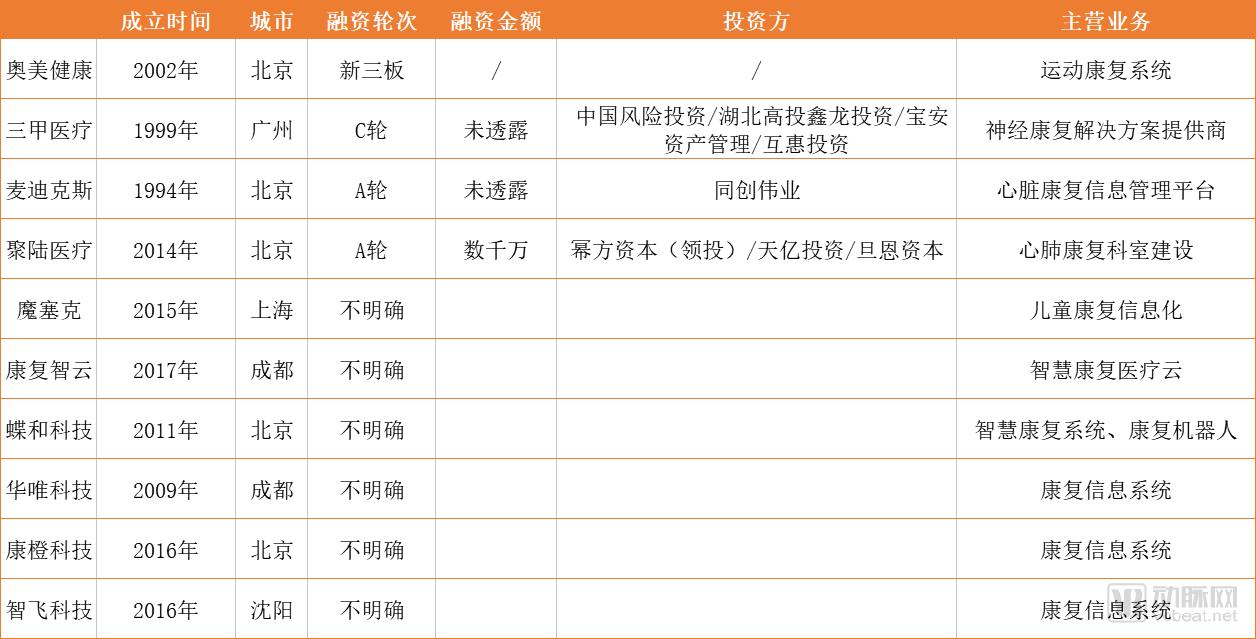
Some Companies Involved in Rehabilitation Informatics (Data Sources: VCBeat Knowledge Base, IT Juzi)
Rehabilitation Hospital Information System (RHIS) is an information management system that covers the entire rehabilitation process. It is built upon CARF standards, guided by documents such as the Basic Standards for Rehabilitation Hospitals, and tailored to the operational characteristics of rehabilitation hospitals. The system objectively evaluates rehabilitation outcomes, supports multimedia recording of patient rehabilitation data, and specifically addresses weaknesses in the informatization of assessment and treatment within specialized rehabilitation hospitals. It achieves seamless information integration among physicians, therapists, nurses, patients, and administrators, thereby filling the gap in specialized information systems for rehabilitation care.
China’s healthcare IT industry has reached a high level of maturity, giving rise to numerous listed companies specializing in this sector, such as Neusoft Xikang, Winning Health Technology Group, and Chuangye Software. Compared with traditional healthcare IT enterprises, there is no shortage of firms focusing on rehabilitation-specific informatics solutions.
According to Christensen’s theory, rehabilitation therapy represents a typical value-added service model. It is characterized by precise diagnosis and a clear correlation between treatment plans and outcomes. By integrating the diagnostic and therapeutic processes, treatment quality can be efficiently enhanced. Meanwhile, standardization in management and services enables low-cost expansion and the export of managerial capabilities.
Rehabilitation information systems in rehabilitation institutions serve to optimize rehabilitation processes and facilitate standardized management. Hospitals share rehabilitation patient data, enabling faster transfers. For discharged patients, various rehabilitation indicators are monitored in real time via remote methods to manage their rehabilitation training.
In such models, it is worth noting the functionalities of the rehabilitation information management system that are tailored to the distinctive characteristics of the rehabilitation market.
Huawei Technology: Covering HIS Operations While Highlighting Rehabilitation Specialties
Taking Huawei Technology as an example, its rehabilitation-focused Hospital Information System (HIS) features the following six characteristics:
1. Establish a patient-centric basic information system;
2. Enhance information presentation and interaction capabilities;
3. Establish a hospital management information system featuring an “integrated application” model with rehabilitation-specific characteristics;
4. Improve patient visit efficiency and enhance the quality of hospital services;
5. Strengthen supervision over medical service delivery processes;
6. Establish an efficient and reliable group-based medical collaborative service platform;
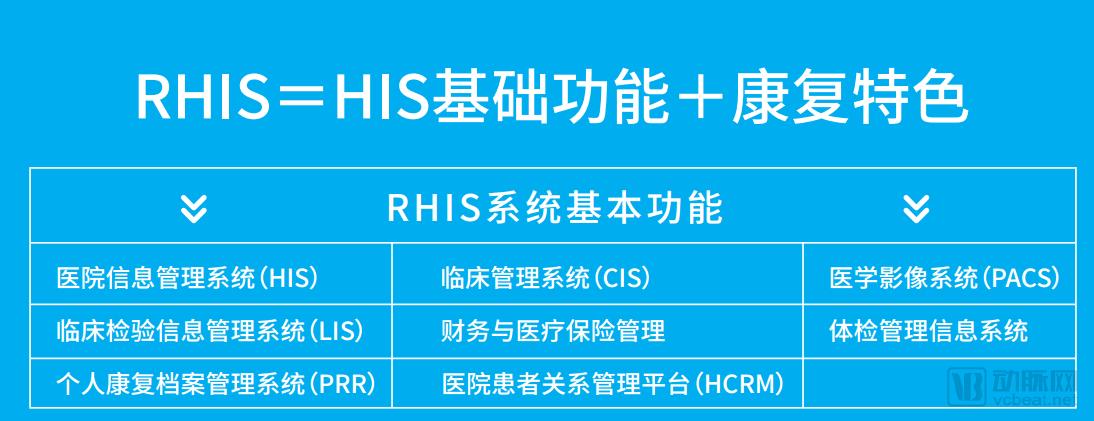
Huawei Technology Platform Features (Source: Huawei Technology Official Website)
Among these, in addition to the major business subsystems that support hospital-wide information applications commonly covered by rehabilitation information systems—such as basic HIS, CIS, LIS, PACS, rehabilitation treatment, rehabilitation assessment, rehabilitation documentation, and integrated health insurance management—the most important aspect is the embodiment of “collaboration.”
In terms of information sharing, the platform construction is by no means limited to addressing basic electronic medical record (EMR) sharing within individual hospitals; rather, it fully accounts for the needs of group-wide sharing. Through the collaborative platform, workspace owners can invite personnel from within their departments, their institutions, external relevant organizations, and customers (patients) to interact and collaborate on tasks, thereby expanding the scope of application and interaction within the information system.
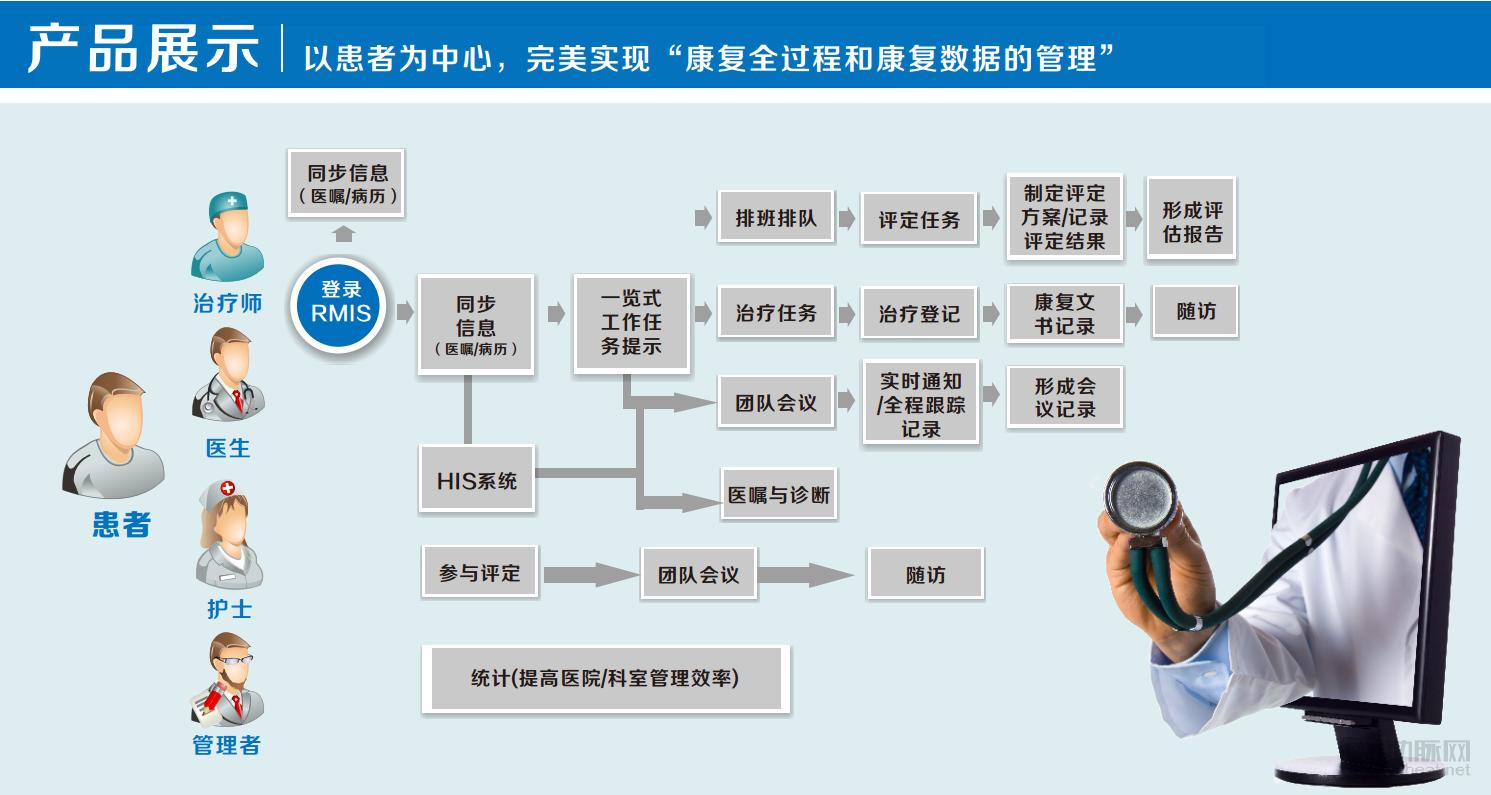
Product Schematic (Source: HuaWei Technology Official Website)
According to information from the official website of HuaWei Technology, the theme “Construction of a Rehabilitation Management Model for Stroke Patients in General Hospitals,” demonstrated by the Rehabilitation Medicine Center of the Chinese People’s Liberation Army General Hospital (301 Hospital) at the 5th National Hospital Quality Control Circle Competition held in 2017, was implemented with the aid of the intelligent rehabilitation management platform independently developed by HuaWei Technology.
Huawei Technology’s digital rehabilitation platform plays a role in establishing a stroke patient rehabilitation management model by providing modules such as a message center, team meetings, rehabilitation dashboard, and patient medical records folder, thereby building a platform for information exchange.
The “Functional Independence Measure” within its digital rehabilitation platform serves as an assessment tool for patient functionality. The platform’s assessment workstation not only provides the necessary rating scales and enables automated score calculation, but also stores all assessment data in a structured format, facilitating subsequent data extraction and analysis for research purposes. Furthermore, multiple assessments can be compared visually, allowing for an intuitive evaluation of the therapeutic efficacy of stroke rehabilitation.
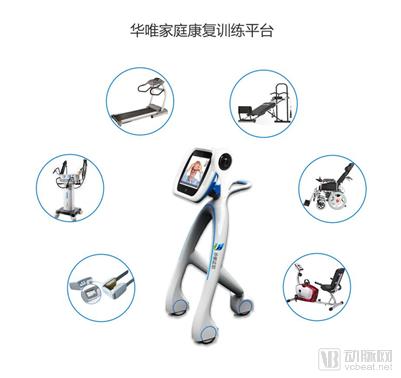
Huawei Home Rehabilitation Training Platform (Source: Huawei Technology Official Website)
Furthermore, the “Home Rehabilitation Training Platform” subsystem establishes personalized home-based training regimens for each patient and utilizes tablets (portable devices) provided to patients to facilitate self-directed rehabilitation within hospital wards. This approach maximizes the use of leisure time and enhances the effectiveness of rehabilitation for stroke patients.
Rehabilitation Platform for Doctors and Individual Users
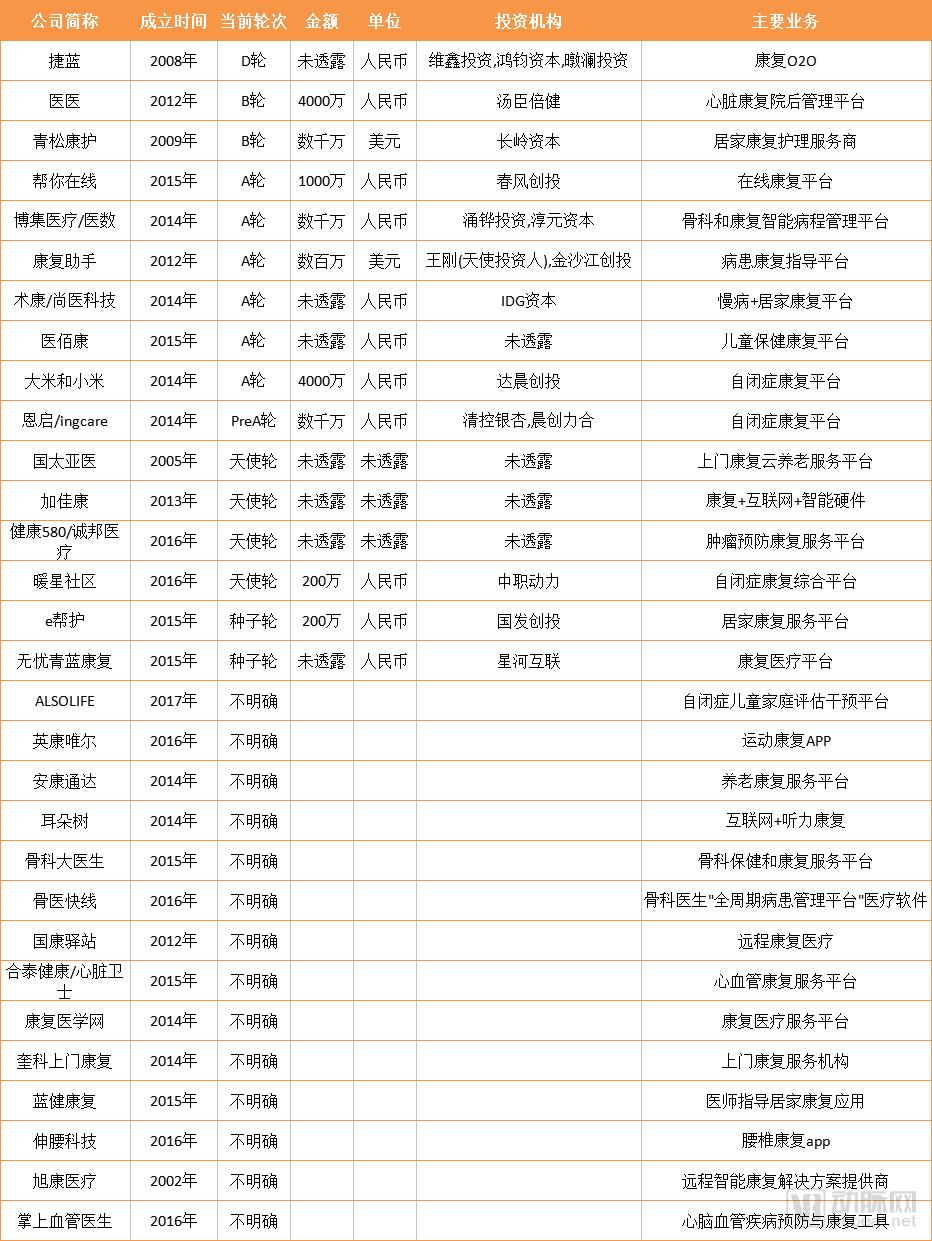
Selected Online Rehabilitation Platform Companies (Data Source: VCBeat Knowledge Base, IT Juzi)
In the landscape of digital rehabilitation, internet-based rehabilitation platforms are the most widely adopted. Their service offerings span several specialized areas, including pediatric rehabilitation, geriatric care and rehabilitation, orthopedic rehabilitation, hearing rehabilitation, and autism rehabilitation. These online platforms primarily leverage internet or mobile internet technologies to provide remote guidance for home-based rehabilitation training. They enable timely and flexible adjustments to training plans and allow for real-time monitoring of training adherence and progress.
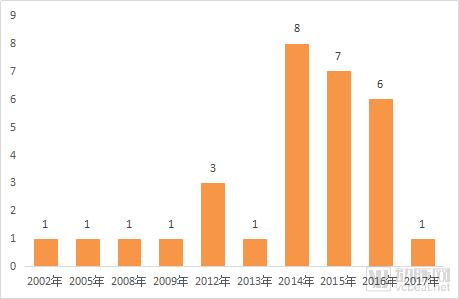
Statistics on the Establishment Dates of Online Rehabilitation Platforms
From the perspective of establishment dates, online rehabilitation platforms have predominantly emerged since 2014, when internet healthcare was experiencing a boom. According to the aforementioned statistics, 22 such companies were founded after 2014. Similar to the wave of failures seen among internet healthcare startups, rehabilitation O2O services and platforms that rushed to capitalize on the trend have undergone an industry “shakeout.” The difference is that while regulatory policies had already been introduced for general internet healthcare platforms, internet-based rehabilitation platforms remained in a phase of unregulated, rapid expansion. Consequently, mitigating service-related risks and exploring standardized service processes are critical issues that every company in this sector must address.
By leveraging internet-based approaches, the primary issue addressed is actually the accessibility of rehabilitation services. Apart from specialized platforms for conditions such as autism, online services mostly focus on child assessments and online education models. Other rehabilitation platforms still need to integrate with offline medical institutions, serving as an extension of clinical services provided by rehabilitation facilities, and playing a role in community-based or home-based rehabilitation.
On the other hand, China faces a significant shortage of rehabilitation professionals. While a single rehabilitation therapist can typically serve 10–20 patients per day, maximizing the utilization of rehabilitation physicians’ resources through a hybrid model—combining offline periodic assessments with online remote rehabilitation guidance for patients in the later stages of recovery—can help alleviate this workforce shortage to some extent.
However, for O2O rehabilitation services, demand for home-based care is heavily skewed toward nursing. Consequently, key challenges include standardizing services, acquiring customers in core scenarios, and building patient trust. In this regard, while sports rehabilitation and autism rehabilitation enjoy relatively high industry recognition, companies such as Shukang, Bangni, and Qingsong Kanghu are transitioning from asset-light online services to establishing offline rehabilitation centers or service stations, thereby creating synergy between online and offline operations.
Use HIS in-hospital, and “Yi Yi” post-discharge
The YiYi Patient Post-Discharge Management Platform operates on a “software + hardware + services” model, providing comprehensive cardiac rehabilitation solutions for physicians and patients.
On the software side, the system comprises an Internet Hospital platform, a physician-facing mobile app, and a WeChat Service Account. The physician app provides doctor-patient communication tools to facilitate patient management, while patients and their families use the WeChat Service Account to access rehabilitation plans, medication reminders, and other services.
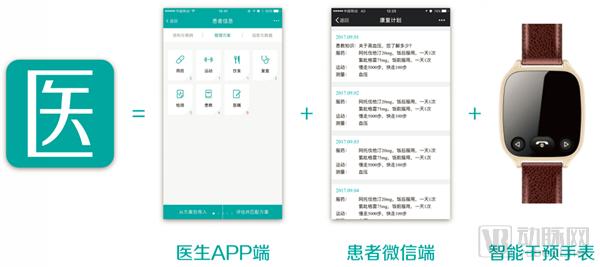
In terms of hardware, YiYi develops hardware products, including smartwatches, blood pressure monitors, and glucometers, through in-house R&D and collaborations. These devices collect patient data on blood pressure, blood lipids, blood glucose, and physical activity, which serve as indicators for formulating rehabilitation plans.
In terms of services, Yiyi introduces the internationally recognized “Five Prescriptions” for cardiac rehabilitation, including medication, exercise, nutrition, psychological support, and smoking cessation prescriptions, providing authoritative, tailored solutions for cardiac rehabilitation.
The specific workflow is as follows: patients scan a QR code, or physicians add patients via their mobile phone numbers. After the physician enters the patient’s information into the system, the system generates assessment results and provides personalized management plans based on the patient’s actual condition. Patients can view medication, exercise, and dietary reminders via the WeChat interface, and utilize the WeChat platform for follow-up visits and appointment scheduling.
The Yiyi Post-Discharge Cardiac Rehabilitation Platform was launched in August 2017 and has since been implemented in more than 20 hospitals, including the Department of Cardiology at Fuwai Hospital (National Center for Cardiovascular Diseases), the Department of Cardiology at Peking University People’s Hospital, and the Department of Cardiology at Beijing Xuanwu Hospital. Over 2,000 physicians and 5,000 patients have used the Yiyi platform.Project Coverage Details)
YiShu: An Intelligent Orthopedic Rehabilitation Course Management Platform Connecting Doctors and Patients
YiShu is a mobile health product specialized in orthopedics, creating an “Internet+” closed loop in the field of orthopedics and rehabilitation by integrating online and offline rehabilitation industries.
Currently, the Yishu APP serves orthopedic surgeons at over 3,800 hospitals across China, offering approximately 300 rating scales, 2,300 exclusive rehabilitation videos, and more than 2,000 customized professional rehabilitation plans for orthopedic patients.
The Development of Medical Data Has Undergone Three Stages:
The first phase involved the development of the Yishu APP, which serves as a patient management assistant. This tool is designed for orthopedic and rehabilitation physicians, enabling them to connect with patients conveniently, assign management plans, and automatically push patient education materials and assessment scales via the app. This facilitates self-guided rehabilitation for patients; once patients submit their completed scales, physicians can evaluate their recovery status. Additionally, physicians can participate in teams and projects through the platform and leverage intelligent analysis of multi-dimensional patient data. Due to its practicality and innovation, the product was rapidly adopted by orthopedic surgeons during its pilot program at Ruijin Hospital and established a partnership with Pfizer Pharmaceuticals. In 2016, Yishu secured millions in angel funding from CareRay, a publicly listed company specializing in the research, development, production, and sales of minimally invasive surgical systems for orthopedic interventions.
The second phase is an intelligent disease management platform that provides physicians with patient follow-up tools, while also offering patients rehabilitation plans and high-quality medical content. Through standardized process design and scheduled patient management timelines, the tools automatically generate patient reminders, helping physicians improve work efficiency. Yishu offers orthopedic and rehabilitation protocol templates designed by department heads and physician teams from renowned Chinese Grade-A tertiary hospitals for physicians’ use. Attending physicians can further provide customized follow-up and rehabilitation plans to support patients’ recovery. Leveraging its expertise in orthopedics, Yishu rapidly established the industry’s largest repository of orthopedic rehabilitation protocols, assessment scales, and educational materials on its platform. In March 2016, Yishu secured tens of millions of RMB in Series A financing, led by Yonghua Investment of Guojin Securities, with participation from Chunyuan Capital and other investors.
In the third phase, after expanding from the physician side to the patient side, Yishu began to lay out offline clinics. This was Sun Xiaoyi’s original intention when she started her business: to identify commercial opportunities in the orthopedic rehabilitation industry by addressing the lack of community-based rehabilitation clinics. During this phase, Yishu will also generate revenue by offering paid rehabilitation programs and assistive rehabilitation hardware.(Project Coverage Details)
Other digital applications developed for service delivery include Ruihua Xinkang’s cardiac rehabilitation solutions. In April 2017, the Beijing Ruihua Xinkang Clinic and the Beijing Ruihua Cardiac Rehabilitation Research Center were officially unveiled. Prior to this, they had spent nearly two years developing China’s first personal cardiac rehabilitation mobile app and a hospital-based cardiac rehabilitation management system.
Another company specializing in cardiovascular rehabilitation is Hai Ao Kang, which has developed a “Pocket Vascular Doctor.” The company’s independently developed smart hardware devices can monitor vascular elasticity, blood viscosity, pulse pressure, and heart rhythm data, while the platform also integrates remote physician consultation services.
Rehabilitation Robots Applying Digital Technologies
Rehabilitation medicine employs therapeutic modalities such as electricity, light, heat, and sound to diagnose, treat, and prevent disabilities and diseases (including pain). Its goal is to achieve comprehensive rehabilitation for patients with illnesses, injuries, or disabilities across physical, psychological, social, and vocational domains, thereby eliminating or alleviating functional impairments, helping them maximize their residual functions, and restoring their capacity for daily living and work. Nearly every rehabilitation therapy modality has corresponding rehabilitation equipment.
Rehabilitation robots constitute an important branch of medical robotics, with their research and development spanning numerous disciplines, including rehabilitation medicine, biomechanics, mechanics, electronics, materials science, computer science, and robotics. Currently, rehabilitation robots are widely applied in rehabilitative nursing, prosthetics, and rehabilitation therapy.
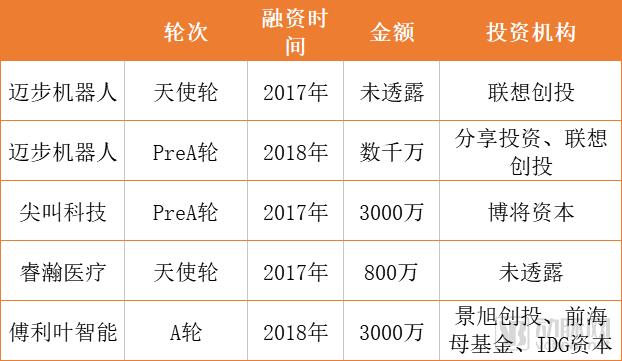
Financing Events for Rehabilitation Robots in China from 2017 to Present (Data Source: VCBeat Database)
From the perspective of financing in the rehabilitation robotics sector in recent years, the performance of domestically produced exoskeleton robots is rapidly catching up with foreign counterparts, aided by AI. For instance, due to shorter R&D cycles, Chinese products are expected to be priced at only half that of foreign alternatives. Additionally, the R&D cycle for rehabilitation robots is relatively shorter compared to surgical robots, and market entry into hospitals requires only Class II medical device certification, resulting in a lower barrier to entry.
In terms of policy support, in March 2016, the National Health and Family Planning Commission, jointly with five other departments, issued the "Notice on Including Additional Medical Rehabilitation Services in the Basic Medical Insurance Payment Scope." Building upon the nine medical rehabilitation services already covered, this notice added 20 new rehabilitation services, including "Comprehensive Rehabilitation Assessment," to the medical insurance payment scope. This is the only policy relevant to rehabilitation robots; in the future, medical insurance may support the use of rehabilitation robots that incorporate comprehensive rehabilitation assessment.
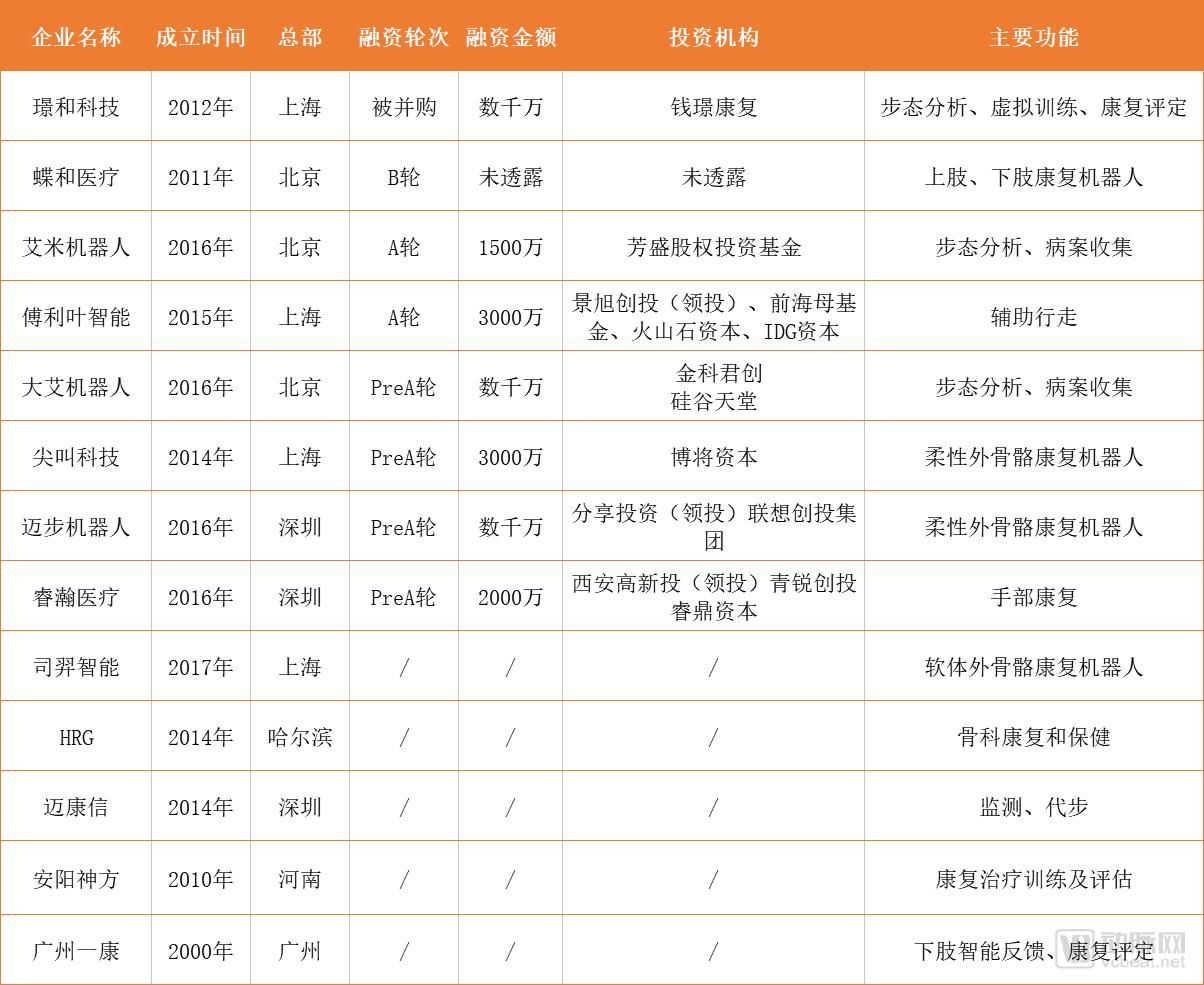
Major Domestic Rehabilitation Robotics Companies (Incomplete List) Data Source: VCBeat Database and Public Information
In recent years, exoskeleton robots, designed based on bionics and ergonomics, have demonstrated superior therapeutic efficacy and user experience in late-stage patient rehabilitation and assistance for individuals with disabilities. According to a research report by Huatai Securities, the market potential for exoskeleton robots in the United States is estimated at approximately $18.9 billion.
Exoskeletons are not only suitable for institutional users such as rehabilitation centers, but also demonstrate significant potential for widespread adoption among individual consumers: 1) ReWalk and EKSO have successively obtained FDA clearance; 2) The application of mechanical exoskeletons in the field of rehabilitation has received authoritative recognition from the U.S. military and is expected to be covered by veterans’ insurance; 3) The first U.S. insurance company has announced the inclusion of robotic exoskeletons in its coverage, paving the way for their comprehensive integration into medical insurance plans.
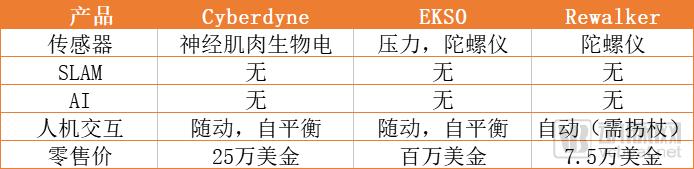
Detailed Technical Comparison of Mainstream International Exoskeleton Robots (Compiled by EDN China)
Xing Liping, Partner in Management Consulting for the Healthcare Industry at PwC China, categorized the applications of rehabilitation robots into three types at the World Medical Robot Congress: The first type is ReWalk, which enables users to stand and walk through sensors and monitors; the second type utilizes bioelectric sensors, emphasizing integration with the human body; the third type comprises three models, namely FirstStep, ActiveStep, and ProStep.
FirstStep refers to rehabilitation exercises assisted by a therapist; ActiveStep allows users to independently control the rehabilitation robot during use, facilitating more effective rehabilitation training; ProStep primarily relies on automatic sensing, detecting the user’s body movements to adjust and trigger subsequent actions.
Unlike the widespread application of AI technology in China, the reason why exoskeleton robots achieve real-time human-machine interaction is:
Human Behavior Sensing: A combination of gyroscope, accelerometer, and electromyography (EMG) signals;
Drive Method: Utilizes advanced behavior-driven approach;
Laser + ultrasound perception of the external environment can prevent wall collisions.
Compared with mature technologies abroad, domestic robots are still in the early stages of basic gait analysis and motion capture. The realization of human-machine real-time interaction through artificial intelligence and deep learning technologies remains at the laboratory stage, with weak real-time interaction functional modules. Furthermore, rehabilitation robots during this period are primarily deployed in rehabilitation institutions, whereas foreign exoskeleton robots can be used both in institutional settings and for home-based rehabilitation. Consequently, compared to foreign markets, China’s rehabilitation robot market lacks individual users as a payer segment.
Global Leader in Civilian Exoskeleton Systems: Israel's ReWalk
ReWalk Robotics is an Israeli company listed on the NASDAQ. The company develops exoskeleton devices that assist paralyzed individuals in walking, offering the possibility of “walking again” for those who have lost lower-limb mobility.
The company offers two products: ReWalk Personal, designed primarily for individual users and suitable for use in home, work, or social settings. Equipped with sensors and monitors, it enables patients to stand, walk, and climb stairs. ReWalk Rehabilitation is targeted at institutional users for clinical rehabilitation, providing physical therapy options for paralyzed patients. These benefits include alleviating limb pain and muscle spasticity caused by paralysis, supporting bowel and digestive function, and accelerating metabolism.
ReWalk Robotics' products are primarily intended for individuals with spinal cord injuries, stroke, cerebral palsy, and multiple sclerosis.
ReWalk enables users to walk independently and control their gait, just like individuals with normal limb function. By leveraging computers and motion sensors, ReWalk detects subtle shifts in the center of mass to regulate movement, mimicking a natural walking pattern and providing an appropriate walking speed, thereby allowing individuals with quadriplegia to walk independently.
In addition, its product received FDA clearance in the United States and CE marking in the European Union in 2014, and the system has undergone long-term testing in Israel, the United States, and Europe. Clinical studies have shown that, beyond enabling users to stand and walk independently, the ability to exert self-control over the device fosters a more positive self-image, yielding significant mental health benefits for individuals with limb impairments.
Based on historical data, ReWalk’s primary revenue came from individual users, with sales volumes of 109 and 103 units in 2016 and 2017, respectively, generating $5.869 million and $7.753 million in revenue. Revenue from rehabilitation institutions accounted for a relatively small proportion, and sales volume declined slightly in 2017.
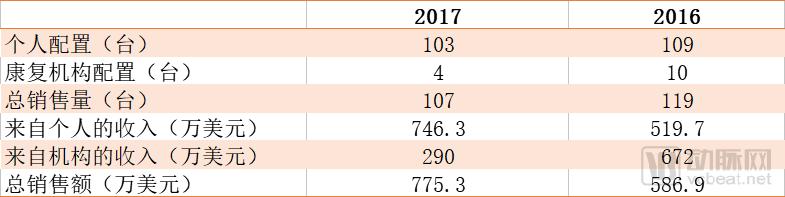
ReWalk Sales Data for 2016 and 2017 (Source: ReWalk 2017 Annual Report)
It was precisely because it obtained certification from key regulatory bodies, thereby validating its auxiliary therapeutic effects, that ReWalk went public on the NASDAQ stock exchange in September 2014, raising over USD 50 million. On its first day of trading, the share price surged from USD 13.6 to USD 25.6, representing a gain of 113.33%, and the company’s market capitalization climbed to USD 200 million. In reality, however, ReWalk’s sales have been experiencing a continuous slight decline in recent years. Due to annual losses amounting to tens of millions of dollars, ReWalk’s share price stood at only USD 0.98 as of the date of this article, marking a precipitous drop from its peak market capitalization of USD 200 million to its current value of just USD 29.9 million.
Thus, it is evident that enterprises exploring technological innovation in the field of digital rehabilitation may still encounter the so-called “innovator’s dilemma.” Since digitalization in the rehabilitation sector is predominantly manifested through devices, systems, and other means that support rehabilitative services, three obstacles may arise:
First, technological maturity requires time;
Second, whether the product meets consumer needs;
Third, regulatory and health insurance reimbursement barriers.
Taking rehabilitation robots as an example, although they are favored by securities firms and listed companies, they are still in the laboratory stage. To achieve commercialization, the three aforementioned obstacles must be “cleared.” Ultimately, “who will pay” is the core issue that all products must address during commercialization.