

Taikang's $306 Million Investment in BoBo Dental: Can It Break Through the Integration of Insurance Payment and Dental Care?
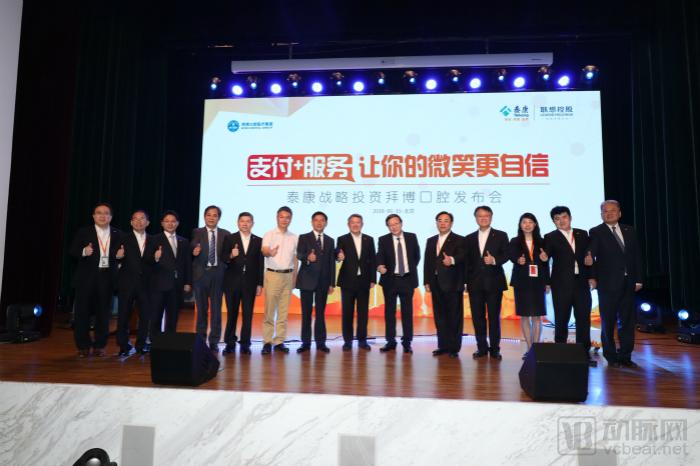
June 15: Taikang Strategic Investment in ByBo Dental Press Conference, First Official Public Announcement of Partnership
(Image provided by the company)
Taikang Life Insurance invested RMB 2.06236 billion to acquire a 51.56% equity stake in ByBo Medical, marking a major event in the dental industry this year.
On June 15, the press conference on Taikang’s strategic investment in ByBo Dental was held at Taikang Business School. Both parties publicly announced the successful completion of this strategic investment for the first time, marking a new stage in the development of ByBo Dental.
Taikang’s strategic investment and equity stake marks a significant convergence between the insurance industry and the dental healthcare sector, with both parties enjoying natural synergies in capital, products, and customer bases. ByBo Dental’s network layout, scale, and business positioning are highly aligned with Taikang’s customer foundation, creating synergistic effects with Taikang’s life and health insurance offerings.
In subsequent remarks to the media, Chen Dongsheng, Chairman and CEO of Taikang Insurance Group; Liu Jinglun, President and COO of Taikang Insurance Group; Liu Tingjun, Vice President of Taikang Insurance Group, CEO of Taikang Healthcare Industry Investment Holdings, and Chairman of ByBo Oral Medical Group; Qiu Xichun, Vice President of Taikang Group and General Manager of Taikang Health Management Company; and Zhu Zhenghong, Vice President of Taikang Healthcare Industry Investment Holdings and CEO of ByBo Oral Medical Group, all provided their interpretations of this collaboration.
With the two parties joining hands to integrate healthcare service providers and payers, can seamless coordination between medical services and insurance payments be achieved? What is the promising strategy for the future? VCBeat (WeChat: vcbeat) has outlined the context of this strategic partnership by examining the background and current state of the oral care industry, as well as insights from senior executives on both sides.
Industry Background 1: Insurance Coverage + Dental Services Are Still in Their Infancy in China
The United States has a population of approximately 320 million, with about 200 million people covered by dental insurance (including commercial plans such as Delta Dental and government programs like Medicaid). Among these, roughly 150 million individuals hold commercial dental insurance, accounting for the vast majority. Delta Dental is the largest dental insurance provider in the U.S., having rapidly expanded during policy gaps to serve 67 million insured members. Collaboration between dental clinics and insurance providers ensures a stable patient base, representing one of the most reliable sources of clinic traffic.
Commercial insurance payments typically cover a significant portion of costs, but insurance coverage in China’s dental market remains in its early stages. What changes will the partnership between Taikang and ByBo bring to the market? What innovations are emerging in the coordination of medical expense payments?
Qiu Xichun, Vice President of Taikang Group and General Manager of Taikang Health Management Co., Ltd., and Liu Tingjun, Vice President of Taikang Insurance Group, CEO of Taikang Health Industry Investment Holdings, and Chairman of ByBo Oral Medical Group, provided their interpretations.
Qiu Xichun: Three Directions, Covering All Stages from Prevention to Treatment
Taikang’s investment in ByBo reflects a critical strategic consideration: the integration of dental healthcare services with insurance payment mechanisms. Currently, insurance accounts for only a small proportion of dental care payments. The core issue lies in the fact that statutory medical insurance does not cover dental treatments, particularly complex procedures. Due to this limitation, several companies have attempted to develop specialized dental insurance products over the past few years, but all have encountered significant challenges.
In contrast to the international landscape, where most commercial insurance is paid through group plans as an ancillary employee benefit—thus offering relatively limited choice—the Chinese market is still in its early stages. Here, commercial insurance is primarily purchased by individuals, giving rise to high-end medical insurance products. The primary challenge and conflict lie between dental care providers and insurers: the former tend to maximize fees, while the latter strive to keep pricing as low as possible.
Challenges and opportunities coexist. The integration of Taikang and ByBo represents a significant innovation and endeavor with substantial prospects, aiming to truly lead the dental market with a full-cycle medical service model. Our shared objective is to effectively treat patients’ oral diseases and maintain their oral health. Below are some background information and reflections:
First, ByBo Oral Medical Group possesses extensive promotional resources within the corporate sector, enabling it to offer enterprises new services. Furthermore, as a viable strategy to attract the attention of large corporate clients to oral health, providing complimentary basic preventive products is a feasible approach.
Second, we are closely monitoring whether consumers can forge a distinctively Chinese path in individual insurance enrollment, how to effectively integrate products, and how to identify niche sectors. Given the characteristics of China’s insurance market, which places particular emphasis on pediatric populations, one potential direction is to promote healthy oral care among Chinese children.
Third, awareness of oral health education and patient self-care remains relatively low, while dental chain clinics require a large customer base.
Taikang’s product development strategy in the dental sector is to, in the long run, establish comprehensive dental service products that cover all aspects from prevention to medical treatment. Currently, there are no suitable mainstream products on the market, and we aim to take the lead. Previously, two companies primarily targeted high-end clients; overall, Taikang and ByBo also position themselves in the mid-to-high-end market. In the high-end segment, for instance, consumers have significant concerns about the quality of dental implants and are uncertain about which hospitals and doctors to choose. The middle-class market will also be a focus. In the future, we will concentrate expert resources at several high-end clinics in large and medium-sized cities to provide the best possible services.
In pediatric dentistry, China has distinct characteristics. We will develop new products spanning from preventive care to comprehensive downstream services. Furthermore, regarding promotional strategies, we focus on serving large, medium, and small enterprises as well as group clients, which facilitates more effective product promotion.
Liu Tingjun: Patient-Centered Approach: Dental Institutions Enhance Management Efficiency and Standards
In fact, our understanding of "payment + services" comprises two levels:
First, it serves as a significant catalyst for consumer lifestyles and oral healthcare consumption. In developed Western countries, the oral care market is mature, where having beautiful, clean, and well-aligned teeth is a symbol of middle-class status and a decent life. However, China’s oral health market is still in its early stages of development. The treatment rates for dental caries, orthodontic correction of malocclusions, and tooth loss among the elderly remain very low—under 5%—indicating substantial room for growth.
Particularly after the introduction of insurance, with insurers covering the costs—much like how universal health insurance coverage in China over the past few years has enabled the control and treatment of many conditions that were previously unaffordable, or for which people were reluctant to seek prevention or care—the integration of dental insurance with dental services has generated its first major stimulatory effect.
The second major function extends beyond merely facilitating payments for dental insurance; more importantly, it leverages the insurer’s extensive customer base and operational management capabilities—including advantages in IT, supply chain, customer service, and call centers—to help chained dental clinics enhance their management efficiency and standards.
ByBo has expanded rapidly in recent years, basically completing its nationwide layout across China. However, it also faces certain pressures and challenges. How can refined operations be achieved? The most fundamental factor is that with customer referrals from insurance companies, doctors gain greater confidence. Meanwhile, we empower the organization by enhancing management and operational capabilities, thereby improving operational efficiency and making risks more controllable.
In the private healthcare market, a prevalent debate centers on whether to pursue short-term profits or to genuinely adopt a patient- and consumer-centric approach. Traditionally, there has been a greater emphasis on high-value-added services such as dental implants, while insufficient attention has been paid to routine oral prevention, teeth cleaning, and basic treatments. With the entry of Taikang, whose core competency undoubtedly lies in prioritizing patients’ interests, driving quality improvement through internal incentive mechanisms, I believe the market landscape will gradually evolve.
Industry Background II: Kaiser Permanente as a Benchmark and Learning Model
According to 2015 U.S. statistics, oral healthcare expenditures amounted to $110 billion, accounting for 4.5% of total healthcare spending. Commercial insurance covered 45%-50% of oral healthcare costs, representing a market worth over $50 billion.
There are nearly 400 dental insurance providers in the United States, whereas the sector is still in its early stages in China. Taikang’s investment in ByBo enables the integration of payment and service systems, creating a model that combines commercial insurance with dental care. Furthermore, health insurance not only addresses patients’ treatment needs but also has a positive impact on their psychological well-being.
A reference model is Kaiser Permanente, whose innovative integrated care model—combining insurance with physical healthcare delivery—enables members to enjoy comprehensive, integrated medical services. This model provides portfolio companies with access to an extensive healthcare network and builds strategic partnerships between these companies and other authoritative institutions, offering opportunities to engage with world-class investment partners such as Tufts Health Plan and the Hospitals Contribution Fund of Australia (HCF).
Will Taikang + ByBo Dental achieve new breakthroughs in building a closed-loop payment system and enhancing convenience? Chen Dongsheng, Chairman and CEO of Taikang Insurance Group, provided his insights.
Chen Dongsheng: Learning from the Kaiser Model to Build a Closed-Loop Insurance Payment System
Taikang customers can receive medical treatment at our clinics without any additional payment. Taikang has partnered with Tencent to launch WeSure (Wei Yi Bao). We have already implemented an online appointment system for chain-store customers for services such as dental cleaning, and the operational framework is fully established. All appointments are made online, and payment processes are seamlessly integrated, achieving full integration between treatment and insurance coverage.
Why build this closed loop? To reduce costs. In the United States, Kaiser Permanente is essentially a health insurance company that also operates hospitals and owns physician groups. This integrated model can lower healthcare expenses by approximately 20%. Therefore, with ByBo Dental and Taikang’s dental insurance, integrating these two services can significantly enhance convenience for customers.
Our products are now distributed through multiple channels, with sales conducted entirely online. Paper insurance policies have become obsolete, as all processes are completed via WeChat on mobile devices. The widespread adoption of internet technology has eliminated previous barriers; payments, claims settlements, policy loans, and policy-pledge loans are all handled through mobile platforms. Thus, this system is fully established.
It is imperative to establish a closed-loop business model. Taikang’s vision or ideal is encapsulated in six Chinese characters: “Health, Longevity, and Affluence.” How should this be interpreted? By purchasing Taikang’s health insurance, policyholders will gradually receive medical treatment within our healthcare service ecosystem. Although this system is not yet fully established, it is taking shape. For instance, we have strategically acquired a controlling stake in ByBo Oral Medical Group, and we are the second-largest shareholder in Hemei Medical and Parkway MediCentre.
Pediatrics, dentistry, high-end clinics, and other specialties, along with Xianlin Gulou Hospital and hospitals affiliated with Wuhan Tongji Hospital, are all part of the Taikang healthcare system. Therefore, by purchasing our health insurance, you can strive to receive comprehensive treatment entirely within the Taikang medical network in the future.
Not to mention Taikang’s pension insurance offerings. We have already established four large-scale chain senior living communities, with a presence in 12 core cities across China, and will continue to roll out more projects in the future. We have become China’s largest chain provider of senior care and rehabilitation services.
In addition to the aforementioned advantages, Taikang also offers investment and wealth management products. We assist you in managing your investments to accumulate greater funds for future elderly care and medical expenses. Therefore, Taikang is committed to enabling people to live healthy, long, and prosperous lives.
But how can we effectively promote health, longevity, and prosperity? The answer lies in six key principles: convenience, affordability, and peace of mind. Convenience is paramount, which naturally entails embracing the internet, big data, and cloud computing. In addition to Taikang’s own network of over 200 dental institutions, more than 2,000 other dental clinics utilize Taikang’s public cloud services. We provide these medical institutions with our services free of charge. Looking ahead, Taikang is poised to become a major integrated entity combining healthcare, medical services, and insurance.
With over 100 million customers, numerous partner institutions, and government-backed reimbursement insurance programs already implemented across many cities, all these entities utilize Taikang’s public cloud for their medical information systems. In the realm of dental reimbursement systems, we are at the forefront of leveraging big data and cloud technologies, fully embracing technological innovation to enhance convenience.
Affordability means reducing costs and is the core of building a closed-loop system. It is not about creating a moat to squeeze out competitors; rather, the primary goal is to enable consumers to purchase higher-quality products and services at more affordable prices. The Kaiser Permanente model is widely popular in the United States, with many seeking to learn from Kaiser Foundation Health Plan, precisely because its completed closed-loop system can reduce costs by 20% compared to other systems. In the insurance sector, establishing a closed loop aims to make insurance more affordable, lower costs, and enhance service competitiveness.
Peace of mind is even clearer and more important, because life insurance and health care are concerned with people's health and lives. I think it is more important than food safety. In the field of medical health, professionalism is 1, and everything else is 0. Without professionalism, everything equals zero.
These 12 characters encompass the entire enterprise. They represent the distilled experience formed over 22 years of exploration and progress, and constitute a valuable legacy accumulated by our 700,000 employees. All actions at Taikang are guided by these 12 characters.
Industry Background III: Integrated Healthcare, Time-Driven Need to Create Synergy
The big health industry has been extremely hot in recent years, but the integration of healthcare and services requires gradual accumulation through sustained effort, making it a time-driven sector. Beyond insurance, Taikang boasts comprehensive service systems in medical care, elderly care, rehabilitation, and end-of-life care. Following its investment in ByBo Oral Medical Group, Taikang will drive patient traffic flow and provide multi-dimensional empowerment in information technology, customer service, and human resources, thereby creating synergies. How will the two parties unfold their future cooperation? Liu Tingjun, Vice President of Taikang Insurance Group, CEO of Taikang Health Industry Investment Holdings, and Chairman of ByBo Oral Medical Group; Chen Dongsheng, Chairman and CEO of Taikang Insurance Group; and Zhu Zhenghong, Vice President of Taikang Health Industry Investment Holdings and CEO of ByBo Oral Medical Group, offered their insights on this matter.
Liu Tingjun: The Synergy Between Medical-Nursing Communities and Insurance
In terms of synergies, the integration of insurance and payment services has demonstrated clear benefits. Currently, 40% of the residents in our elderly care communities are referred by our insurance sales teams. Each of our campuses receives 100,000 visits annually, representing substantial real-world traffic. While many emphasize internet-driven user acquisition, the internal traffic within the Taikang ecosystem is even more powerful than that of the internet.
This is one aspect: integrating insurance services with physical medical and elderly care entities. We have also initiated small-scale pilots with ByBo Oral. While we have not yet rolled out a systematic approach, our insurance business team has been directing clients to ByBo’s clinics for health experiences, such as complimentary dental examinations and teeth cleaning. Consumers have responded positively; during the cleaning process, professional advice provided by dentists often leads to client conversion.
On the other hand, from a reverse perspective, tangible entities such as medical-nursing communities offer a realistic lifestyle that enables insurance agents to transform traditional paper-based policies and virtual sales approaches into visible, tangible products, thereby more effectively stimulating customers’ desire to purchase pension insurance.
A management consulting firm has conducted research indicating that pension savings are insufficient in China and many other countries worldwide, as people fail to recognize the substantial costs associated with future elderly care. The United States holds $26 trillion in pension reserves, whereas China, with a population of 1.3 billion, has accumulated nearly RMB 5 trillion.
In fact, after insurance clients visit our senior living community and see, for example, that a one-bedroom unit carries a monthly fee of approximately RMB 6,000, we can estimate the following: eight years in the independent living area, two years in the assisted living area, and a final two years in the skilled nursing area. Based on this trajectory, the required premium would be around RMB 2 million, which could accumulate to a basic sum of approximately RMB 8 million over ten years.
"We have revolutionized the previous sales approach, which used to be abstract. Now, with a simple calculation, we can clearly determine our income and assess whether it will suffice for our future lifestyle, making it much more concrete. Therefore, we believe there is still continuous room for improvement in this aspect."
In terms of efficiency, the integration of insurance operations with physical healthcare services primarily reduces sales costs. Currently, sales expenses account for at least 10%–20% of revenue across most private medical institutions. However, by integrating with the Taikang system, we establish a unified IT infrastructure that not only serves medical institutions to enhance operational efficiency but also integrates into Taikang’s Medical-Elderly Care Cloud and Stomatology Cloud systems, ultimately creating synergistic effects.
Chen Dongsheng: Empowering Through Information Technology Systems, Customer Service Systems, and Human Resources
Following Taikang’s entry, it can first empower ByBo Dental in multiple areas, including its information technology infrastructure, customer service systems, and human resources. In the future, ByBo’s managers and employees can receive training here, leveraging world-class teaching facilities and services to enhance their service proficiency.
Next, the most critical aspect is empowering both our products and customers. After product development, we distribute them through our entire sales system for commercialization. Patients seeking treatment for oral diseases can visit ByBo Oral Medical Group; meanwhile, our insurance products also cover other dental hospitals, which in turn drives the sales of our insurance offerings.
ByBo is China’s largest dental care chain, with 200 service centers across 50 cities. This substantial scale can rapidly drive the sales of Taikang Insurance products, while ByBo’s customer base can be directed to Taikang’s affiliated institutions. For patients who purchase dental insurance, receiving dental care will undoubtedly be more affordable than paying out-of-pocket without insurance.
As for Taikang Holding’s original intention and purpose in acquiring ByBo, many people believe that the elderly care or broader health industry is currently a hot sector. However, the broad health sector is a field combining healthcare and services, which requires long-term accumulation; it typically takes 5 to 8 years to become truly profitable. This is a slow-burn endeavor, unlike the fast-moving consumer goods (FMCG) industry. For food and beverage companies, aggressive advertising can rapidly boost sales volumes. In contrast, in the broad health sector, the more products are sold following advertising campaigns without adequate service capacity, the poorer the service quality becomes, thereby increasing the likelihood of failure.
Therefore, Taikang must comprehensively empower and integrate its operations, while continuously enhancing our professional and service capabilities to build a strong reputation, thereby establishing leadership. Focusing on and serving our core business is a fundamental principle that has guided Taikang’s journey over the past 22 years.
Zhu Zhenghong: Focusing on Super Experience
How does medical and elderly care services also have synergy with dental chains? In fact, they are related.
First, within Taikang’s broader healthcare ecosystem, Xianlin Drum Tower Hospital and Wuhan International Hospital will serve as training centers for dental professionals. This is critically important, as other chain institutions lack this capacity, thereby ensuring a continuous pipeline of highly skilled dentists. China faces a severe shortage of dentists, with approximately one dentist per 10,000 people, compared to one per 100 people in Japan—a disparity that remains significant even by Japanese standards. This represents an enormous gap. Such integration and synergy constitute a vital component of our strategy.
Second, we are now emphasizing the concept of “super experience.” Taikang’s 750,000 agents have been directing clients to our dental chain. Shortly after entering this space, Taikang held 58 product presentation seminars, attracting 3,000 patients to ByBo Dental clinics, which in turn boosted our insurance business—thus demonstrating clear synergistic effects.
Third, and more importantly, from a long-term perspective, commercial health insurance—specifically the U.S. HMO and PPO models—serves as a viable benchmark. Under an HMO plan, an annual premium of $200–$400 covers basic dental treatments. Additionally, since these plans require members to seek care at designated providers, products could be readily designed around networks such as ByBo’s 200 clinics.
The second component is the PPO model. We can also design our own PPO network. While other dental chains may appear to be competitors in theory, they are not in practice; there is a substantial need for a broad network of oral health service providers to serve customers. Patients have the freedom to choose between ByBo and other clinics, with the decision resting entirely with the consumer. ByBo maintains relatively lower costs, and patient referral through insurance channels plays a critical role.
China’s current dental insurance market remains dormant, as the majority of the population does not seek dental care; only 5% of people in China receive dental treatment. Why has this market not been unleashed? There are several fundamental reasons. First, the treatment experience at public hospitals is poor, with long waiting times for each visit. Meanwhile, individuals who opt for high-end private dental services lack coverage from commercial medical insurance. Currently, dental implants and orthodontic treatments are expensive, and without payment support from commercial health insurance, this demand cannot be stimulated.
The oral healthcare market is poised for explosive growth, but this hinges on one prerequisite: the development of payment mechanisms through commercial dental health insurance. Such insurance coverage will drive demand in the high-end dental treatment market.
How Can Elderly Care Synergize with Dental Chains? A New Specialty, Geriatric Dentistry, Has Emerged in the United States but Not Yet in China. Geriatric dentistry has many unique characteristics. For example, while dental implants in younger patients are expected to last 60 years or more, such longevity is not necessary for elderly patients. Moreover, some elderly individuals suffer from dementia or functional disabilities and cannot visit hospitals, necessitating home-based dental care services.
Therefore, the emerging model is the dental mobile clinic. ByBo Oral Medical Group operates 26 such vehicles, which will significantly unlock the potential of the oral care market. Some elderly individuals use wheelchairs, necessitating that dental clinics—even those located within senior communities—have wide entrances to ensure accessibility. Additionally, services assisting elderly patients in transferring from wheelchairs to dental chairs are required. This segment holds substantial market potential.
Industry Background 4: Consumer Healthcare Services, with Increasing Emphasis on Patient Experience
As a relatively mature sector in consumer healthcare, dentistry enjoys relatively high patient awareness. According to the results of the Fourth National Oral Health Epidemiological Survey conducted in 2017, residents’ oral health literacy and health-related behaviors have improved to varying degrees compared with those a decade earlier. Specifically, the awareness rate of oral health knowledge among residents was 60.1%, and 84.9% of respondents held positive attitudes toward oral health care. Patient experience is therefore of paramount importance.
What new changes can Taikang bring to ByBo Dental in terms of building and upgrading its service system? Liu Jinglun, President and Chief Operating Officer of Taikang Insurance Group, and Chen Dongsheng, Chairman and Chief Executive Officer of Taikang Insurance Group, provided their insights.
Liu Jinglun: Unifying into Taikang Group’s Health Cloud System
On its 22nd anniversary, Taikang designated customer experience as its “No. 1 Project.” Over the past 22 years, Taikang has consistently upheld its values and maintained a customer-centric approach, a commitment that has remained unwavering.
Taikang’s business, which originated in and remains centered on insurance, has now expanded to cover insurance, asset management, and its rapidly growing medical and elderly care segments. As Taikang has invested in ByBo and become its largest shareholder, ByBo, as part of the medical and elderly care portfolio, must naturally integrate its services into the Taikang ecosystem.
First, regarding service content, Taikang has already begun integrating ByBo into its overall service framework. Second, service process standards must be unified. Third, Taikang possesses a comprehensive service evaluation system. Finally, standards must be established for the timely resolution of service issues. Previously, consumers encountering problems could only visit the clinic; now, they can call Taikang’s dedicated service hotline to receive one-on-one assistance.
Due to historical reasons, ByBo’s systems were previously fragmented. They are now being consolidated into Taikang Group’s Health Cloud, enabling comprehensive data sharing. Consequently, we have established a unified standard system encompassing service standards, service content, service processes, and the handling of service-related issues. I am confident that the collaboration between ByBo and Taikang will lead to significant improvements in service quality in the future.
Chen Dongsheng: Expand Payment Services and Build a Service System
Returning to the company’s strategy, it centers on health, longevity, and prosperity. The current core can be summarized in two sentences:
The first is to expand payment services and scale up the insurance business, such as life insurance, health insurance, pension insurance, including internet insurance, focusing on insurance in the big health sector, covering more customers.
The second pillar is to build our service ecosystem. We have a saying: “Medical Care, Elderly Care, Rehabilitation, and Palliative Care—Covering the Entire Lifecycle.” This involves creating a closed-loop system encompassing medical services, elderly care services, rehabilitation services, and end-of-life care services. When consumers are young, they purchase insurance from Taikang; in their later years, Taikang continues to provide integrated medical, elderly care, rehabilitation, and palliative care services. This may span a long-term process of 20, 30, or even 50 years.
Kaiser Permanente in California, USA, has gradually grown to serve 7 million members today. Similarly, Taikang’s strategic framework has been developed incrementally, with its current “Elderly Care, Healthcare, and Longevity” (Yang-Kang-Ning) segment leading the way in China. What is “Yang-Kang-Ning”? It refers to elderly care and rehabilitation. This type of migratory, chain-based elderly care and health system was previously nonexistent in China. A decade ago, Taikang made a strategic decision to learn from international models while integrating its own innovations.
Business models are derived from the process of economic development. To be sustainable, a business model must first meet customer needs, provide convenience, reduce costs, and enhance competitiveness.
In addition to the Kaiser Group, the UK has the Bupa Group, which also integrates hospitals and insurance. Its healthcare enterprises include nursing homes, rehabilitation hospitals, and dental clinics. This model provides insurance coverage for doctors and hospitals, thereby reducing costs and granting it strong competitiveness today.
Why is Taikang committed to covering dental clinics? About four years ago, I visited Spain, where Bupa’s local branch operated 50 dental clinics. Why can insurers integrate with dental clinics? Because public health insurance does not cover dental care, commercial insurance has flourished.
"Our strategy is clear: we will continue to invest, and if opportunities are not available, we will build them ourselves. Taikang must establish a comprehensive service system integrating medical care, elderly care, rehabilitation, and wellness—this is a century-long strategic vision."
In the field of elderly care and wellness, Taikang is at the forefront in China. By the end of this year, we will expand our projects to more cities. These projects are large-scale communities with 1,000 beds, serving 1,500–3,000 seniors. In the future, we aim to build a comprehensive system of services and products that support seniors in pursuing a happy and fulfilling lifestyle.
In the United States, a visionary named Weber pioneered a retirement model centered around golf and leisure clubs in suburban areas during the 1960s. This model has gained widespread popularity across the country over the past five decades, evolving from the original Sun City to the present day, with approximately half of the elderly population now residing in institutional care facilities.
Certainly. The strategy currently advocated by our country is to prioritize home-based care, supplemented by community-based care, with institutional care serving as a complement; this is the national strategy. Mr. Ford’s statement that he wanted his workers to be able to afford Ford cars inspired me. Therefore, my colleagues at Taikang Management Group share an ideal: to enable all Taikang employees to reside in Taikang’s senior living communities. This will bring about a great revolution in elderly care.
Senior living communities have evolved from the 1.0 to the 3.0 model, with continuously decreasing operational costs. Fixed costs remain stable, primarily involving renovations every five to ten years. While labor costs are projected to rise significantly in the future, the advent of the AI era presents an opportunity to integrate technology into elderly care. Our goal is to foster active aging by encouraging seniors to engage in dynamic activities—such as paper-cutting, doll-making, and ballet clubs—rather than remaining isolated at home. Taikang Insurance Group upholds two core principles: “Let insurance radiate the brilliance of humanity” and “Make the journey of life vibrant and colorful.” These represent our ultimate aspirations.
Industry Background V: Returning to the Essence of Healthcare and Building a Human-Centered Medical Service System
In the field of dentistry, the shortage of qualified dentists is a widespread phenomenon. Additionally, social media marketing and patient experience are becoming increasingly important, which is a visible trend at present. After Taikang invested in ByBo Oral Medical Group, how will the quality of medical services be improved? Zhu Zhenghong, Vice President of Taikang Health Industry Investment Holdings and CEO of ByBo Oral Medical Group, provided an interpretation on this matter.
Zhu Zhenghong: Multiple Measures to Ensure the Implementation of Returning to the Essence of Healthcare
After Taikang invested in ByBo, the first concept it proposed was to return to the essence of healthcare. Although some other enterprises had made similar claims before, there was often a significant gap between their words and actions.
Returning to the Essence of Healthcare: What We Truly Need to Do Is Put Patients at the Center. As a dentist myself, I previously practiced in the United States. There, it was not uncommon to see a dentist kneel on one knee for 40 minutes just to get a child to open their mouth. At ByBo, we are committed to promoting this service philosophy—serving patients with genuine sincerity and focusing not merely on the affected tooth, but on the patient as a whole person.
In China, many current treatments are performed with pain, although superior painless methods are available. ByBo’s surgical protocol involves applying topical anesthesia first, followed by local infiltration anesthesia, and finally general anesthesia, ensuring that patients remain completely insensate throughout the procedure.
For pediatric patients, we have introduced some of the most advanced sleep dentistry protocols from the United States. This approach is suitable for children aged four and above. A nasal device is used to induce a state of moderate sedation, ensuring a positive experience without the need for physical restraint. This helps prevent children from developing fear of dentists and dental treatments.
We have directly recruited a U.S. expert to serve as our Chief Medical Officer, with the aim of establishing an advanced American-style healthcare system to ensure greater patient safety at ByBo Oral.
In the past, we placed significant emphasis on dental implants and high-end services for critical illnesses. However, since the majority of the general population requires basic care, ByBo Oral established the General Dentistry Professional Committee to advocate for greater attention to foundational oral health across society. With the entry of insurance providers into the dental sector, we must prioritize preventive oral healthcare, such as addressing dental caries in children.
Currently, ByBo Oral has established specialized Periodontal Treatment Centers and Pediatric Dental Treatment Centers in Shanghai, with the latter experiencing robust growth. Four of ByBo’s dental hospitals offer pediatric dental treatment under general anesthesia, allowing for comprehensive care in a single session to ensure maximum comfort for young patients. Last month, the Shanghai facility performed five such procedures. However, due to the high cost, broader health insurance coverage is essential to enhance affordability and accelerate development.
Regarding service quality, ByBo has established a monitoring system for service satisfaction, while Taikang’s retirement communities utilize an NPS (Net Promoter Score) system. Upon joining ByBo, my first priority was to focus on customer service satisfaction surveys. Additionally, a mandatory reporting system is in place for all adverse events: those who report such incidents receive a reward ten times the standard amount, whereas failure to report incurs a penalty one hundred times the standard amount.
We also prioritize customer privacy and advocate for compassionate care. Merely providing the services patients request achieves only satisfaction; true, emotionally resonant service anticipates and addresses the myriad issues that may arise during medical consultations, including those the patient has not even considered.
To ensure quality control across the entire ByBo system, we have moved away from the previous practice where dentists would begin performing dental implant procedures as soon as they obtained the necessary qualifications. This approach carried significant risks. Similarly, some physicians, driven by high fees and commissions, would start offering orthodontic services, raising questions about whether they possessed sufficient experience—a matter that remained uncertain. In contrast, the United States enforces strict credentialing requirements for specialists in implantology and orthodontics. Accordingly, we have established specialized committees for orthodontics, implantology, and periodontology. Only upon recognition by these respective professional committees are practitioners authorized to perform related surgical procedures.
We are required to undergo new clinical skills training annually and accumulate a certain number of continuing education credits; only then can we continue practicing as physicians in the following year. The United States has a well-established management system for this purpose. Having practiced as a dentist in the U.S. for three years, I aim to replicate this mature, quality-controlled healthcare system in China.