

The 2026 Future Healthcare and Medicine Conference was held in Shanghai, bringing together government, industry, academia, research, medicine, and investment to explore a new landscape for the healthcare industry
On May 19, 2026, the Opening Ceremony and Main Forum of the "2026 Future Healthcare and Medicine Conference," hosted by VCBeat, was grandly held at the Platinum Hanjue Hotel in Minhang District, Shanghai. Centered around the theme "Innovation, Trends, and Collaboration," the conference focused on cutting-edge directions such as brain-computer interfaces, medical AI, synthetic biology, and medical device/pharmaceutical global expansion. The event brought together distinguished guests from government, academia, industry, investment, and clinical sectors to collectively assess the future development trajectory of China's healthcare industry.
During the Main Forum on the first day, several industry leaders delivered insightful presentations. Below are the key highlights from the guest speeches and panel discussions.
In the morning forum "Trend Section," healthcare industry leaders from across China delivered insightful presentations from a comprehensive industrial perspective on the development trends and transformative directions of the global healthcare industry.
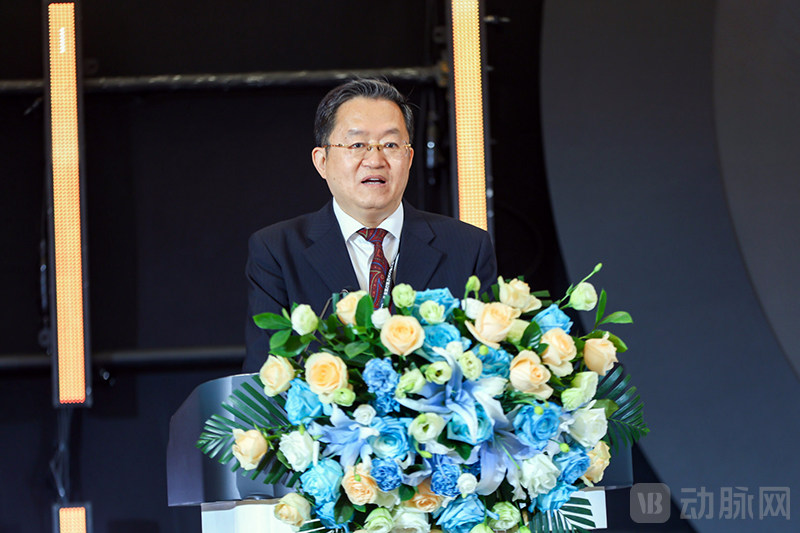
Distinguished Professor of Shanghai Jiao Tong University, Dean of China Hospital Development Institute, Former Director of the System Reform Department of the National Health Commission
Xu Shuqiang
Xu Shuqiang, Chair Professor of Shanghai Jiao Tong University, Dean of China Hospital Development Institute, and Former Director of the System Reform Department of the National Health Commission, pointed out in his opening speech that the current global technological revolution and industrial transformation are deeply converging. Frontier technologies such as artificial intelligence, synthetic biology, and brain-computer interfaces are profoundly impacting the healthcare landscape.
He particularly emphasized that no matter how technology advances, the essence of healthcare lies in clinical practice, health, and people's livelihood. The ultimate goal of all innovations and reforms must be to genuinely alleviate patients' suffering and effectively enhance the accessibility and equity of healthcare. By adhering to this core principle, China's healthcare industry can gain true vitality and move toward a new phase of higher quality and greater international competitiveness.
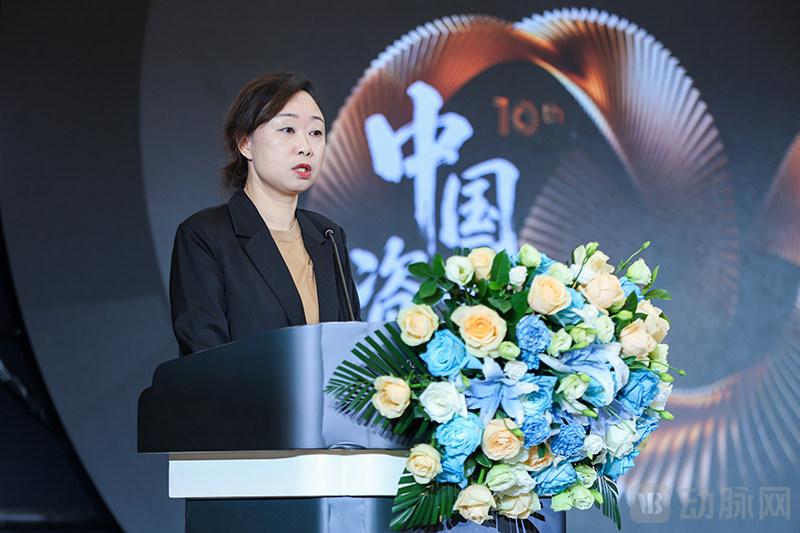
Han Liyan, Deputy Director of the Science and Technology Commission of Minhang District
Han Liyan, Deputy Director of the Science and Technology Commission of Minhang District, provided a detailed introduction to the development blueprint of Minhang District as a key area for Shanghai's biomedical industry. Currently, Minhang District has basically formed a development pattern of "One River, Two Bays, Three Parks in Collaboration," covering three key areas: Hongqian Qianwan Park in the north, Dalinghang Bay Park in the south, and Lingang Pujiang Park in the east. By 2025, the scale of Minhang District's biomedical industry had reached RMB 48.2 billion, with over 1,000 biomedical companies gathered, ranking second in the city in terms of industrial scale.
In terms of policy support, Minhang District has established a "1+2" biopharmaceutical industry policy system. The "1" refers to a new round of inclusive industrial policies covering the entire biopharmaceutical chain, focusing on key areas such as R&D innovation, clinical support, industrialization implementation, and product application promotion, providing up to 1:1 matching support for municipal-level policies. The "2" refers to specialized support policies targeting two niche sectors: brain-computer interfaces and elderly care technology, which precisely focus on cultivating industrial clusters, driving technological and product innovation, and supporting the full-cycle ecosystem. Adhering to the strategy of "full-chain coverage + precise irrigation + ecological empowerment," Minhang District continues to improve its industrial ecosystem, assisting enterprises throughout their entire development process from R&D and clinical trials to industrialization, while providing robust policy support and growth backing for enterprises.
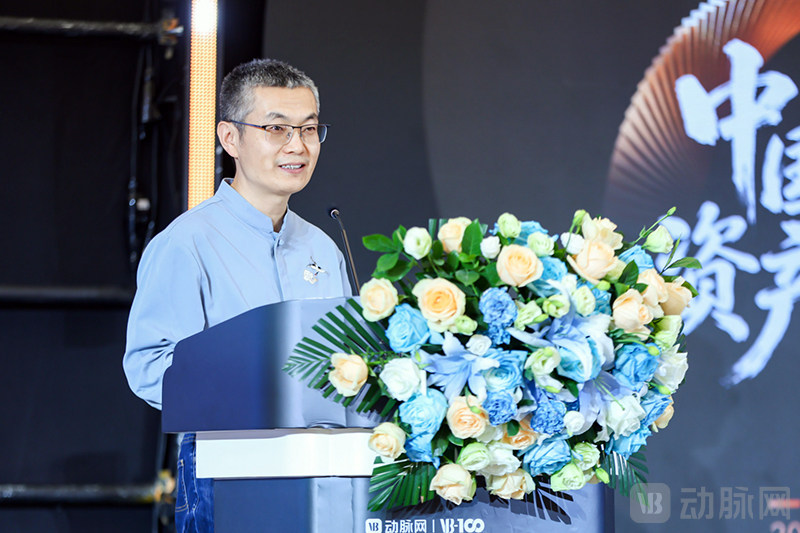
Founder of VCBeat, Li Datao
Li Datao, Founder of VCBeat, pointed out from a media perspective that one of the core challenges faced by Chinese medical companies going global lies in the lack of branding. He stated that although the total value of out-licensing deals for innovative Chinese drugs has exceeded USD 100 billion, and products are sold worldwide, Chinese companies and entrepreneurs remain largely "invisible" in the global public opinion arena. This absence of "symbolic capital" stems from a development path historically rooted in imitation and contract manufacturing, with an emphasis on quick returns.
He called on enterprises to take the initiative to define themselves, especially as systematic source innovations are emerging today, by building a narrative system that combines executive IP with corporate branding—upgrading the perception of "Made in China" to "Global Brands Born in China"—thereby gaining a voice in the global industry.
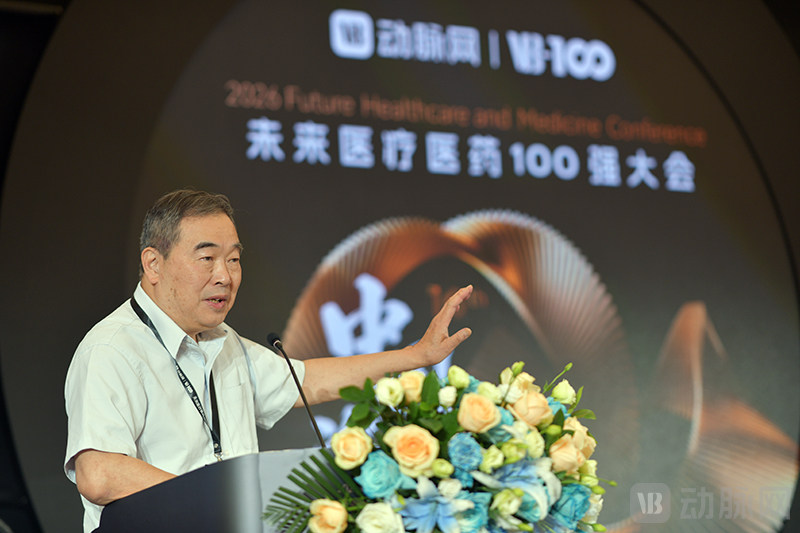
Muming Poo, Researcher at the Center for Excellence in Brain Science and Intelligence Technology, Chinese Academy of Sciences
Muming Poo, a researcher at the Center for Excellence in Brain Science and Intelligence Technology of the Chinese Academy of Sciences, started from the basics of neuroscience and explained the technical principles and future directions of brain-computer interfaces in an accessible yet insightful manner. He pointed out that the plasticity of brain networks is the foundation for neuromodulation and the functioning of brain-computer interfaces. Currently, invasive, non-invasive, and semi-invasive brain-computer interfaces each have their own advantages, and China has reached the most advanced level globally in the field of flexible wireless invasive brain-computer interfaces.
In the future, the development of brain-computer interfaces will focus on real-time feedback optimization of brain stimulation, multi-target collaborative treatment, and the combined application of invasive and non-invasive technologies. At the same time, he envisioned the integration of artificial intelligence and brain science, noting that Artificial General Intelligence (AGI) may soon approach human-level cognitive intelligence, but achieving emotional and social intelligence will still require a long period of exploration.
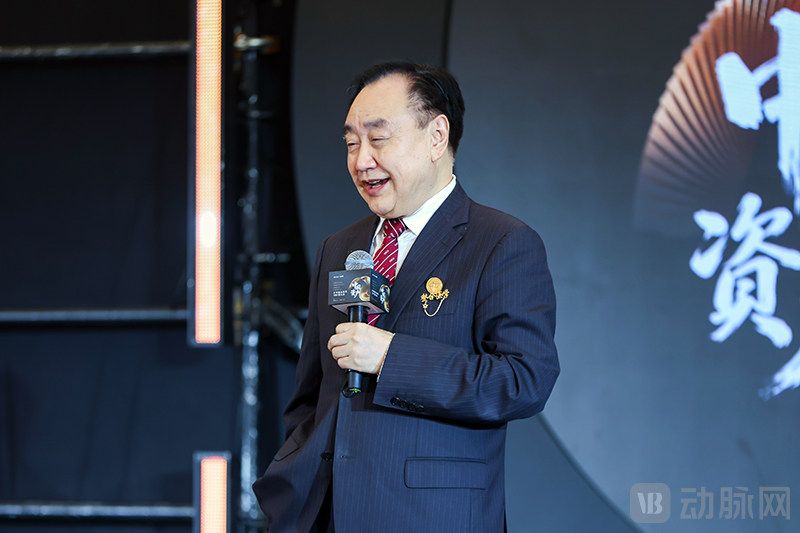
Fan Daiming, President of the Chinese Anti-Cancer Association, President of the Asian Oncology Society, and President of the World Association for Integrative Oncology
Fan Dai-Ming, President of the Chinese Anti-Cancer Association, President of the Asian Oncology Society, and President of the World Association for Integrative Oncology, focused on the major disease of cancer and shared the practice of building an integrated cancer prevention and control system in China.
He emphasized that directly adopting foreign guidelines cannot solve all the problems faced by Chinese patients. To address this, the Chinese Anti-Cancer Association organized experts to create the "CACA Guidelines for Holistic Integrative Management of Cancer," which align with national conditions. This has increased China's five-year cancer survival rate by 10% over the past decade, benefiting more than 500,000 patients annually.
The guidelines have been translated into 16 languages and promoted globally through online conferences and other formats, reaching hundreds of millions of people cumulatively. Academician Fan believes that this signifies that China's integrative medicine concepts and practices are influencing the ideas and direction of global medical development. In the future, the achievements of integrative medicine will be transformed into popular science films, poetry, songs, and other cultural products through familiar and accessible formats to benefit the public, continuously sharing China's philosophical wisdom.
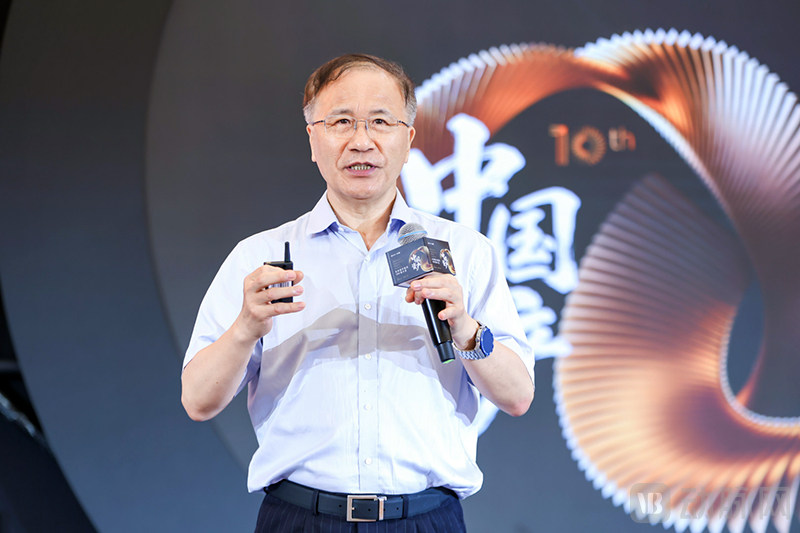
Distinguished Professor and Honorary Dean of the School of Life Sciences and Biotechnology, Shanghai Jiao Tong University, Director of the State Key Laboratory of Microbial Metabolism
Deng Zixin
Deng Zixin, Chair Professor and Honorary Dean of the School of Life Sciences and Biotechnology at Shanghai Jiao Tong University, and Director of the State Key Laboratory of Microbial Metabolism, proposed that synthetic biology serves as a new quality productivity engine driving the upgrading of the broader health industry. He stated that this "engineering construction" at the microscopic level enables the directed design, heterologous synthesis, and quality optimization of natural products. Through synthetic biology, it is possible to overcome the limitations of natural resources, achieve the economical and scalable manufacturing of complex high-value compounds such as pharmaceuticals, and fundamentally address environmental pollution issues associated with specific drug production processes.
Currently, his team has established a proprietary patent pool for gene editing and nucleic acid detection technologies based on sulfur modification development, driving domestic biomanufacturing from imitation toward original innovation, while providing new approaches for cancer therapy and green manufacturing.
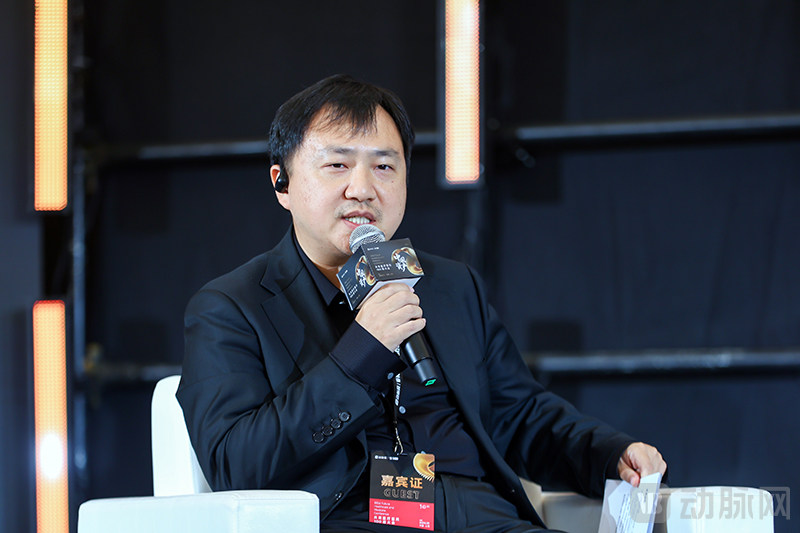
Qi Fei, Executive Director of Legend Capital
During the roundtable session titled "The Next Generation of Healthcare Innovation Through the Eyes of Young Scientists," moderated by Qi Fei, Executive Director of Legend Capital, three leading scholars born in the 1980s shared their cutting-edge perspectives.
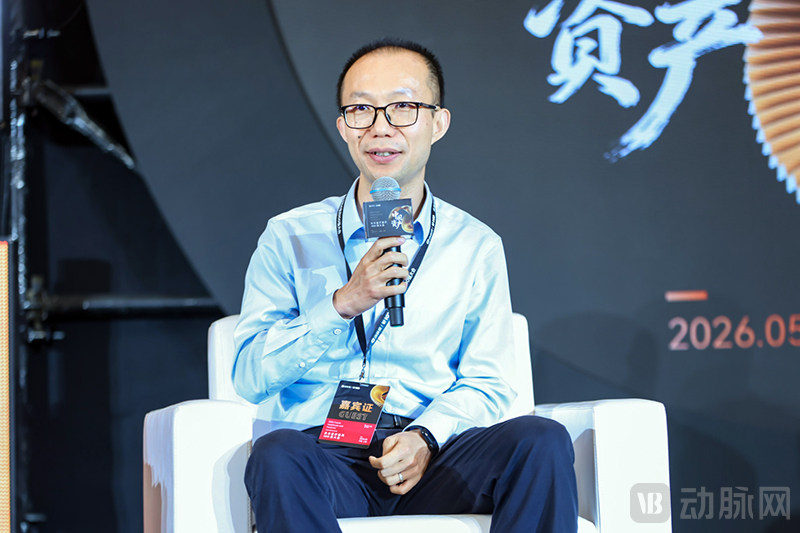
Chen Jia, Professor at the School of Life Science and Technology, ShanghaiTech University, and Director of the Gene Editing Center
Chen Jia, Professor at the School of Life Science and Technology at ShanghaiTech University, and Director of the Gene Editing Center, believes that the key to next-generation innovation lies in solving the challenge of delivering gene-editing tools in vivo, especially to hard-to-target tissues such as muscles and the brain. He pointed out that AI could play a revolutionary role in target screening and treatment optimization, significantly improving R&D efficiency.
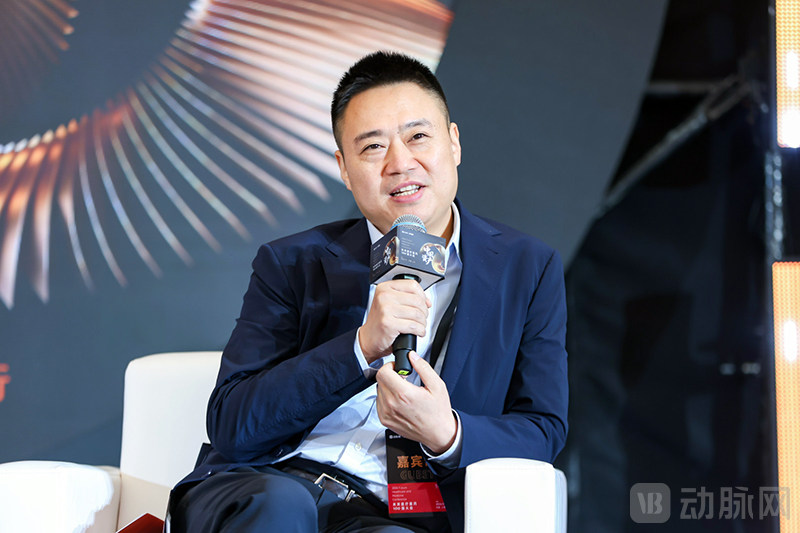
Ren Shancheng, Director of the Department of Urology, Second Affiliated Hospital of Naval Medical University, Chief Physician, Professor
Ren Shancheng, Director of the Department of Urology, Chief Physician, and Professor at the Second Affiliated Hospital of Naval Medical University, envisions the future of smart surgery and proactive health. He foresees that remote surgery, AI-assisted diagnosis and treatment, and training will become commonplace, with the focus of medicine shifting from disease treatment to proactive health interventions based on genetic information.
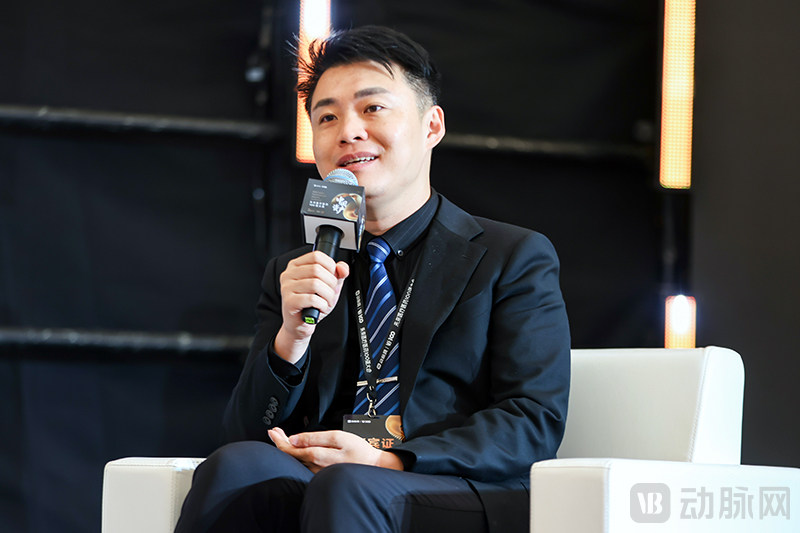
Director of Ophthalmology at Beijing Chaoyang Hospital, Dr. Tao Yong
Dr. Tao Yong, Chief Physician of Ophthalmology at Beijing Chaoyang Hospital, pointed out that "model disruption" and "rapid iteration" will become the key terms in healthcare. Ophthalmic diagnosis and treatment will shift towards a home-based, convenient chronic disease management model, and the iteration cycle of treatment technologies will also be significantly shortened, requiring doctors and the industry to maintain continuous learning. In addition, drawing from his own entrepreneurial experience, he emphasized that scientists need to substantially change their existing mindset in the process of translating research results.
The main forum's "Trend Section" concluded with insights from multiple industry leaders and the visions of young scientists. Participants generally agreed that the window for transformation in the global healthcare industry has opened, and the focus of China's medical industry is shifting from scale to a new phase that emphasizes both quality and globalization.
In the "Innovation Section" of the afternoon forum, the agenda mainly focused on "innovation implementation" and "paradigm transformation." Multiple leaders from fields such as medical artificial intelligence, payment systems, nuclear medicine, brain-computer interfaces, corporate strategy, and investment engaged in in-depth discussions on core topics including technology commercialization, payment reform, and global competition, mapping out specific pathways for industrial innovation.
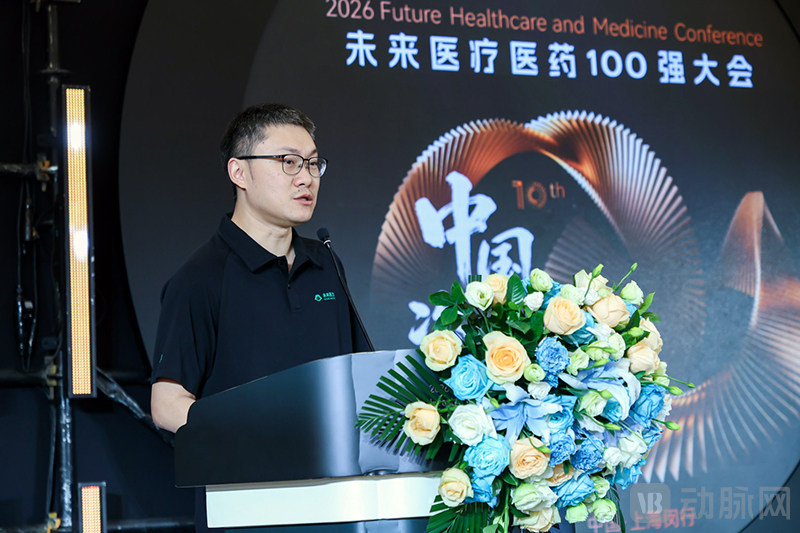
Future Doctor CEO, Wang Shirui
Wang Shirui, CEO of Future Doctor, proposed in his speech that the true watershed for medical AGI is not the ability to answer questions, but the capacity for responsibility—whether it can be accountable for medical outcomes is the core criterion defining medical AGI. He pointed out that current AI has fundamental limitations in embodied operational capabilities and deep empathetic abilities that are difficult to overcome, making human-machine collaboration the inevitable form of medical AGI.
Future Doctor's goal is to align AI capabilities with the level of top committee chair-level experts, achieving a breakthrough of multiplying the medical wisdom of these experts by 100 times in efficiency. By building a dual-system decision-making foundation that combines fast and slow thinking, and establishing multi-level collaboration with real human experts alongside traceable accountable workflows, this approach has been practically validated. It aims to make the diagnostic and treatment capabilities of top-tier experts accessible, efficient, and scalable for widespread benefit.
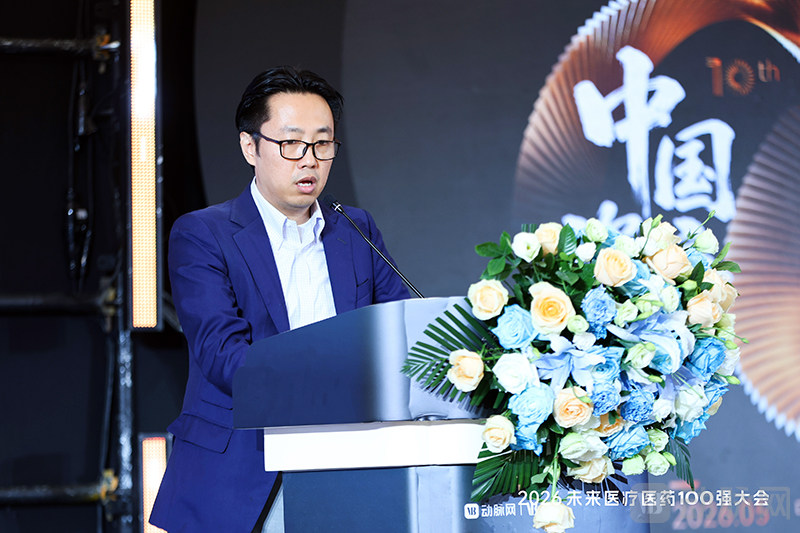
Qi Lei, Chief Financial Officer of MediTrust Health
Qi Lei, Chief Financial Officer of MediTrust Health, shared his insights on the current status of China's innovative drug industry development. He pointed out that China's biopharmaceutical industry is currently characterized by a strong momentum in R&D innovation, while market-oriented payment systems still need improvement. He proposed that diversified payment methods are an important approach to breaking through the bottlenecks in industrial development.
He stated that the true realization of both clinical and market value for innovative drugs relies not only on continuous breakthroughs in cutting-edge pharmaceutical technologies but also, more importantly, on a robust and well-developed multi-layered medical payment security system as a solid support.
Based on industry development trends, MediTrust Health leverages AI digital capabilities to build a B-end collaboration platform, efficiently connecting pharmaceutical companies with insurance institutions. Meanwhile, it provides convenient and beneficial services for the C-end, such as one-code direct payment.
The company focuses on addressing practical issues in the development of commercial health insurance, including insufficient scenario integration and the need to enhance user service experience. It is fully committed to deeply integrating commercial health insurance into the entire chain of innovative pharmaceuticals and medical devices, helping it gradually become an important payment force in this sector, thereby fully unleashing the vast market potential of the pharmaceutical and health industry.
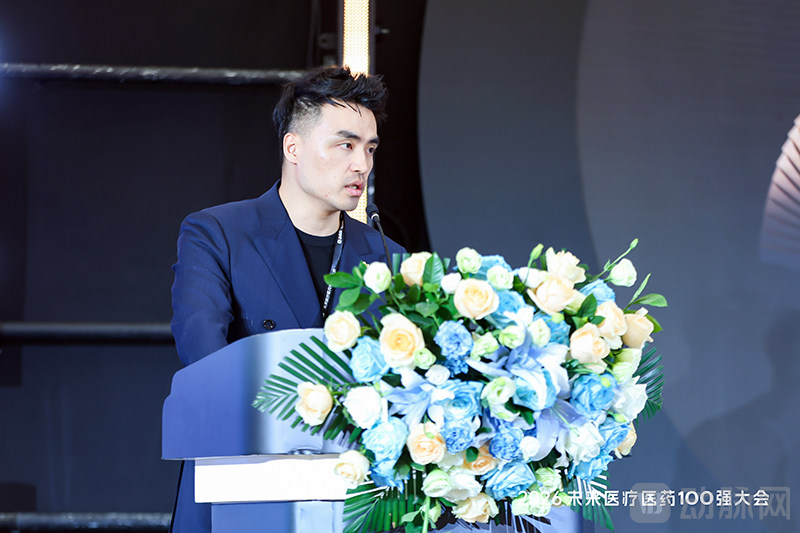
Ma Xiaowu, Executive Vice President of Qingsong Health
Ma Xiaowu, Executive Vice President of Qingsong Health Group, stated that with the rapid improvement in large model capabilities, the competitive focus of medical AI is shifting from "whether it can answer questions" to "whether it can make credible judgments based on medical evidence." What medical scenarios require is decision-support capability that is traceable, explainable, and verifiable.
Based on this judgment, Qingsong Health Group launched the evidence-based medicine AI agent "Zheng Yuanfang," which effectively connects medical evidence, clinical problems, and the reasoning process by constructing an evidence-based logic system, promoting AI to further evolve from a mere information provider into an auxiliary decision-maker in medical scenarios.
It is reported that "Zheng Yuanfang" has passed the special evaluation of the Medical Health Intelligent Assistant (MedClaw) under the Intelligent Assistant Agent (Claw) Evaluation System of the China Academy of Information and Communications Technology (CAICT), becoming the first medical health intelligent assistant product in China to pass this authoritative evaluation.
In the future, its goal is to help clinical medicine transition from a traditional model that relies more heavily on personal experience to a new stage of "evidence-based decision-making" based on real-time evidence, precise reasoning, and evidence-based support.
In the afternoon forum, well-known domestic healthcare investors and startup healthcare companies jointly presented five fascinating roundtable discussions, engaging in a collision of ideas on key industry directions.
In the first roundtable discussion, Yang Yunxia, Partner of HSG, and Shan Bo, CEO of BoomRay Pharmaceuticals, delved into the industrial prospects of radiopharmaceutical conjugates (RDC).
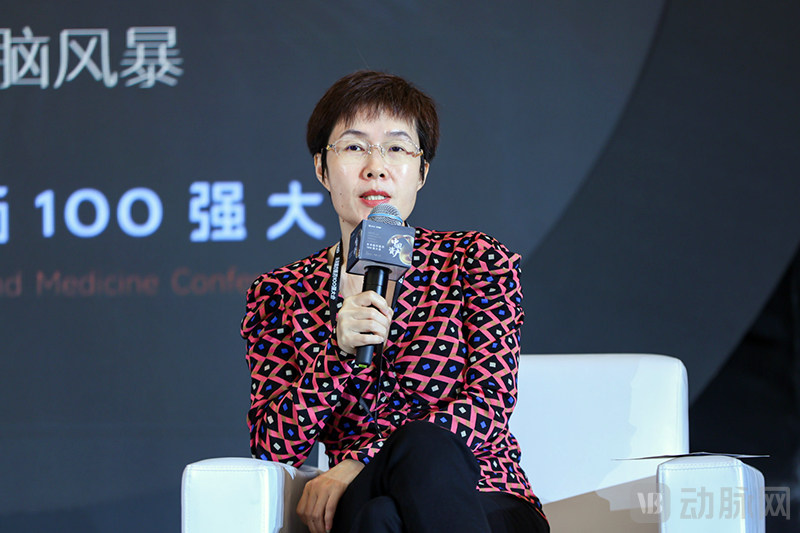
Partner of HSG, Yang Yunxia
Yang Yunxia believes that radiopharmaceuticals have become a highly sought-after innovative track in the healthcare field, with investment institutions having already made early investments. This track has a high entry threshold, and industry competition has not yet reached a fever pitch. China's radiopharmaceuticals industry is steadily rising, but the sector still faces practical issues such as a scarcity of upstream resources and a lack of professional talent. The industrys development still requires multi-party collaboration to advance steadily.
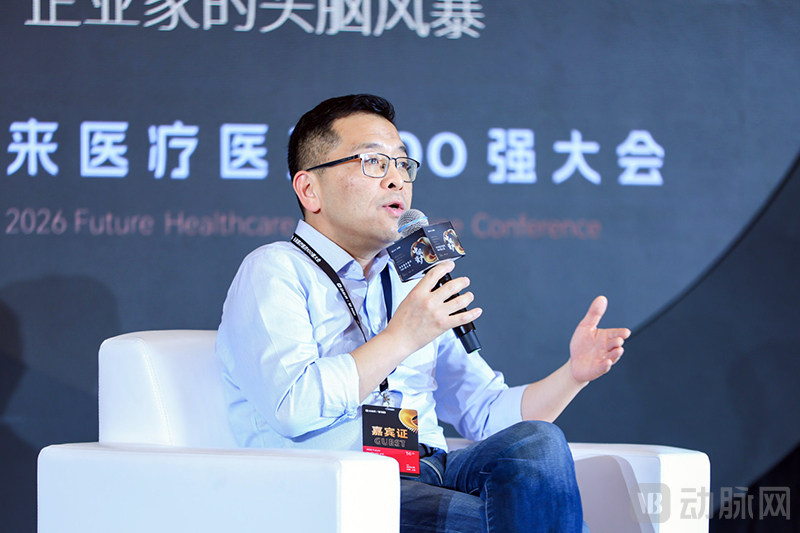
CEO of BoomRay Pharmaceuticals, Shan Bo
Shan Bo stated that the clinical efficacy and commercial market of radiopharmaceutical conjugates have been fully validated. They can revolutionize traditional tumor radiotherapy models and adapt to combination treatment scenarios, offering significant market growth potential. Chinese companies excel in technical optimization and improvement, possessing localized development advantages. As clinical demand expands, challenges in upstream radionuclide supply will be gradually resolved, and China's domestic radiopharmaceutical industry is poised to reach the global forefront.
In the second roundtable discussion, Sun Shanshan, Partner of Proxima Capital, and Huang He, Founder and CEO of Intellizon, analyzed the investment landscape and industry status of brain-computer interfaces (BCI).
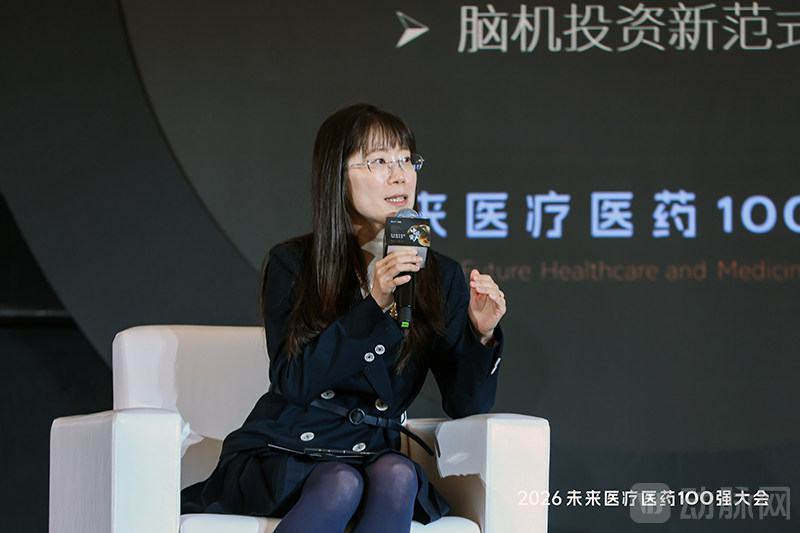
Proxima Capital Investment Partner, Sun Shanshan
Sun Shanshan stated that brain-computer interface is the only medical field that offers the possibility of human enhancement, and currently, the industry, clinical applications, and capital are all in a phase of rapid development. With the collaborative efforts of policy, capital, and the industry, the potential of China's domestic BCI industry continues to be unleashed, and it is poised to lead global industry development in the future.
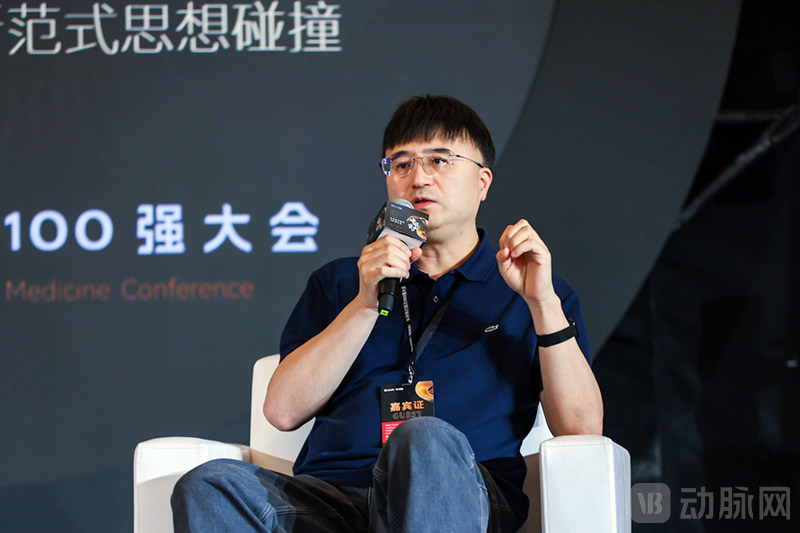
Huang He, Founder and CEO of Intellizon
Huang He mentioned that AI is the core technology of brain-computer interfaces, and both non-invasive and implantable technologies have their own track advantages. The key to healthy industry development is to focus on essential patient needs, avoid innovation risks, and achieve industrial breakthroughs step by step. Only by starting from essential needs can the industry form a positive cycle, leading to boundless opportunities ahead.
The third roundtable discussion featured Wu Chenyang, Director of Pivotal bioVenture Partners, and Hu Haidi, Founder and CEO of Arctic Vision, focusing on pharmaceutical licensing transactions. They emphasized that licensing should not be regarded as a one-time deal but rather as a core strategic tool and essential capability throughout the lifecycle of a biotech enterprise.
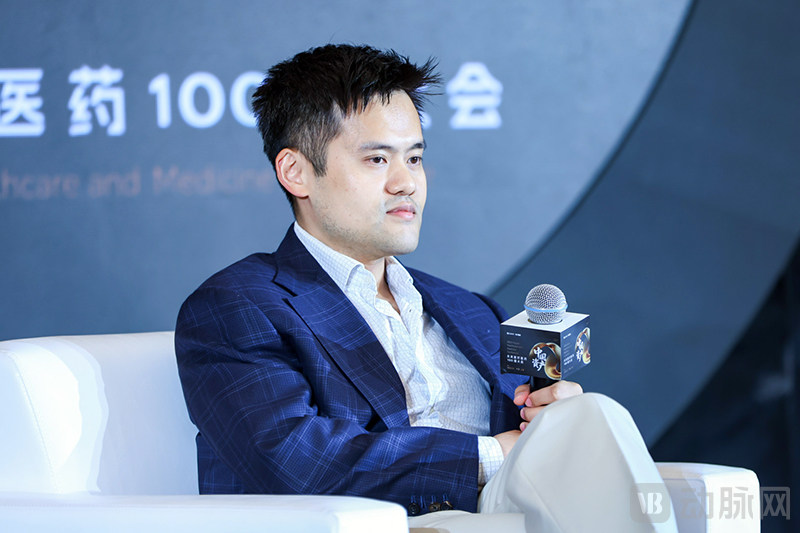
Pivotal bioVenture Partners Director, Wu Chenyang
Wu Chenyang stated that BD collaborations in the pharmaceutical industry have now become bidirectionally globalized. Investment institutions can provide credit endorsement and industrial resources for startup companies, significantly lowering the barriers to cross-border partnerships. The ophthalmology sector possesses both essential medical and consumer-driven attributes. When making strategic moves in this space, one should keep a close eye on unmet clinical needs and prioritize innovative projects that can be rapidly clinically validated and have strong long-term growth potential.
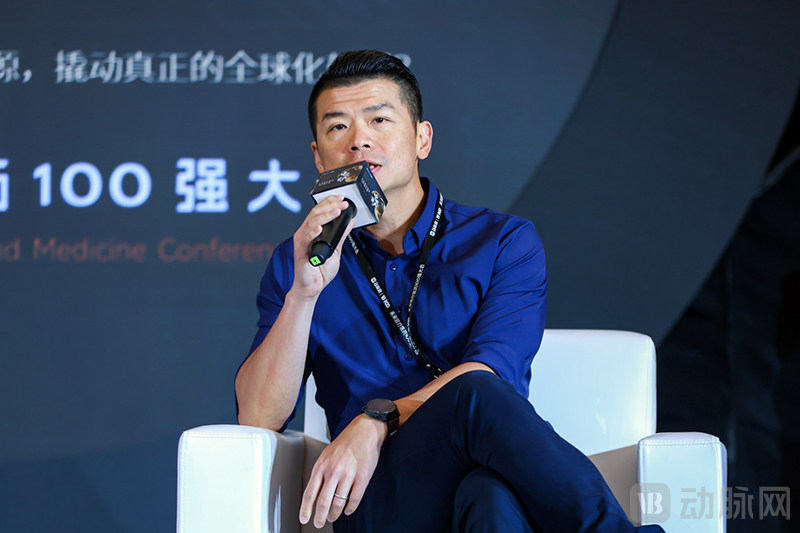
Founder and CEO of Arctic Vision, Dr. Hu Haidi
Hu Haidi used the example of Arctic Vision's success in building its business through licensing transactions in the ophthalmology sector to illustrate how licensing can help companies quickly build a product pipeline, enter the market, and create value. Successful licensing requires a global perspective, a deep understanding of technology and the market, and the ability to build a long-term win-win ecosystem, serving as a key pillar for companies to navigate cycles and achieve sustainable development.
The fourth roundtable discussion featured Xing Jing, Founder of Renascence Insurtech, and Shen Yuhui, Chief Physician of the Department of Orthopedics at Ruijin Hospital, Shanghai Jiao Tong University School of Medicine, focusing on the collaboration between commercial health insurance and medical services.
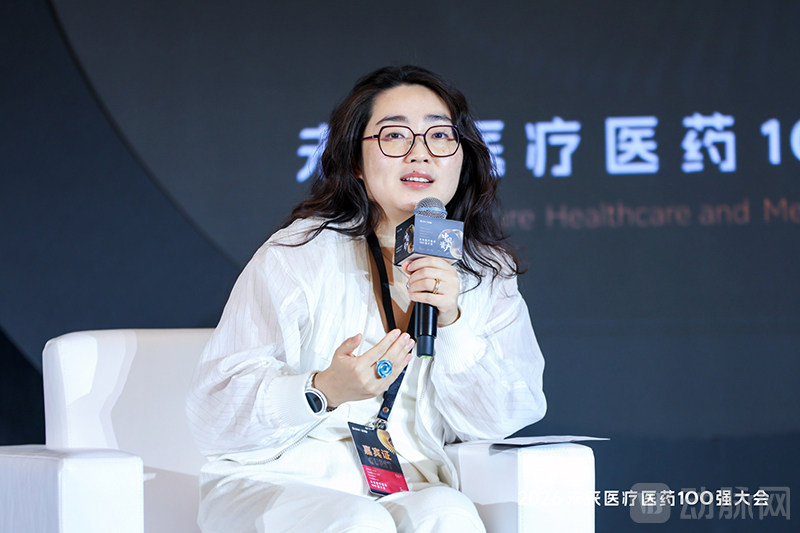
Founder of Renascence Insurtech, Xing Jing
Xing Jing stated that commercial health insurance is an important payment support for medical innovation, and is by no means a simple cost settlement tool. To address pain points such as new drug pricing deviations, high treatment advance funding, and the difficulty of cross-hospital diagnosis and treatment risk control, it is necessary to move beyond the mindset of interest competition among parties. Focusing on patients' essential needs, relying on big data risk control and full-process disease management, hospitals, pharmaceutical companies, and insurance institutions should form a symbiotic ecosystem. High-quality value-based payments will provide long-term support for the implementation of medical innovations.
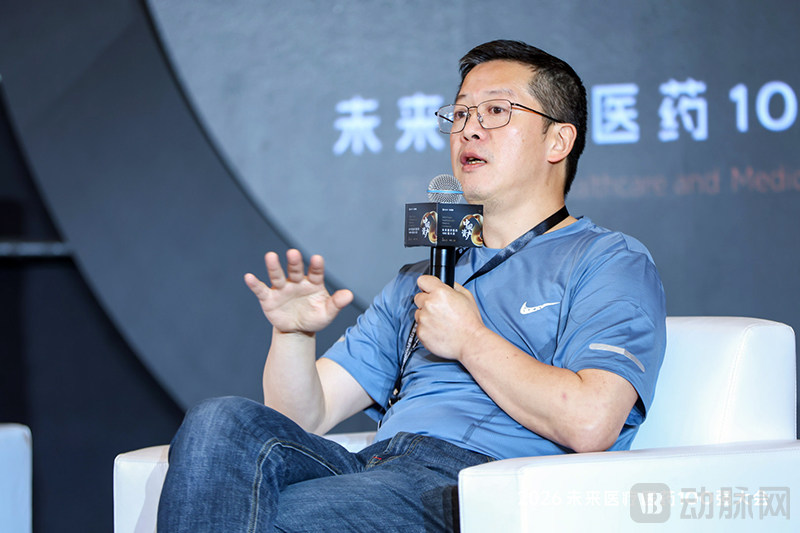
Shen Yuhui, Chief Physician of the Department of Orthopedics, Ruijin Hospital, Shanghai Jiao Tong University School of Medicine
Shen Yuhui believes that the core of commercial health insurance is altruism—only when it benefits patients, doctors, and society as a whole can the system function in a positive cycle. Based on this philosophy, the integration of medical insurance and commercial insurance does not require mandatory controls. Instead, it should uphold the principles of equality, respect, and mutual benefit, leveraging a combination of AI and human oversight to flexibly guide medical practices, break away from cutthroat competition and zero-sum games, and achieve win-win outcomes for all parties.
The fifth and final roundtable discussion featured Feng Peigen, Founder of Haihu Health, and He Mingke, CEO of Ping An Healthcare and Technology, focusing on internet healthcare and corporate health management.
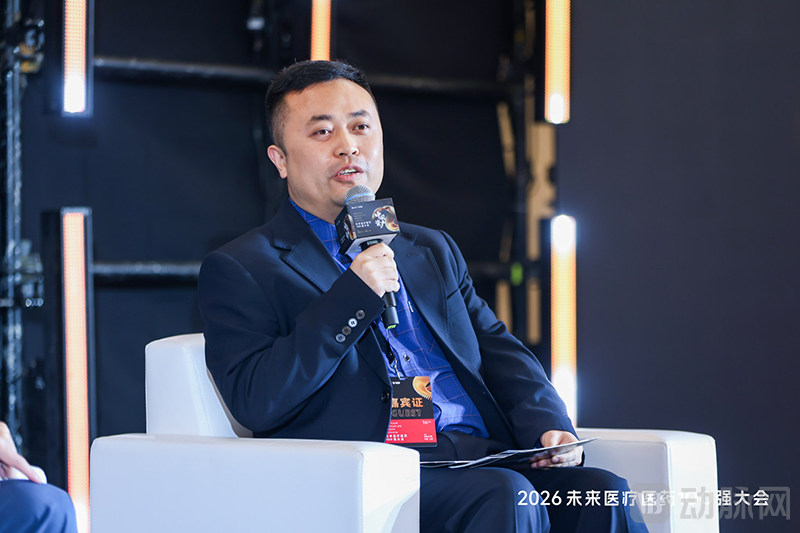
Founder of Haihu Health, Feng Peigen
Feng Peigen noted that digital healthcare has entered a new phase in which "scenarios replace products," with corporate health management representing the core incremental market at present. There is no oligopolistic monopoly in the industry. Moving forward, stakeholders should embrace openness and symbiosis, collaborating with leading platforms and all parties to deeply cultivate full-scenario health services, thereby safeguarding the health of the entire population.
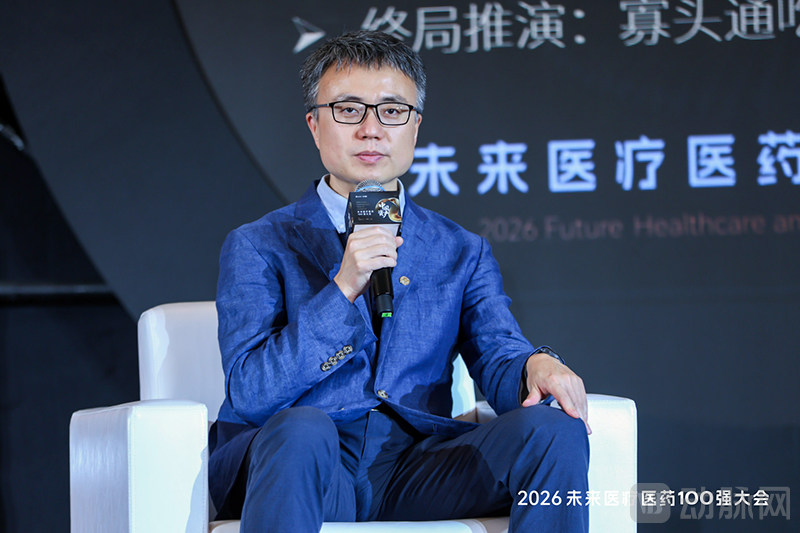
CEO of Ping An Healthcare and Technology, He Mingke
He Mingke stated that the medical service process is complex and highly non-standardized, making full-chain integration inseparable from a mature and comprehensive multi-payment system. Commercial insurance and corporate health management are becoming core payment forces, driving the industry into a virtuous cycle of "investing in people." He emphasized that AI is not merely a cost-reduction tool but a key enabler for empowering doctors and expanding service depth. The future of digital healthcare will move towards technological inclusiveness and open symbiosis.
The "Innovation Section" of the conference concluded with pragmatic and forward-looking discussions. The attendees unanimously agreed that innovation in China's healthcare industry has entered the "deep water zone," and the competition in the next phase will be a comprehensive contest of technology, payment, ecosystem, and global capabilities.
The main forum on the first day of the 2026 Future Healthcare and Medicine Conference completed an in-depth scan of the entire chain of China's healthcare industry, ranging from macro trend analysis to the implementation paths of niche sectors. It not only clarified the global competitiveness coordinates of technology tracks such as brain-computer interfaces, synthetic biology, and medical AI, but also identified breakthrough directions for industry pain points including payment system reform, licensing globalization, and medical-engineering transformation.
The multi-party consensus among government, industry, academia, research, medicine, and investment has become clear: China's healthcare industry needs to leap from imitative innovation to original innovation combined with ecosystem output. As many guests have noted, when the dividends of technology, policy, and demand resonate in sync, China's healthcare industry will carve out a development path with Chinese characteristics in global competition, ultimately making cutting-edge medical achievements truly accessible to the public.