

MicroCyto secures 1.5B RMB, acquires world's No. 2 xylitol maker, driving sugar alcohol industry's shift from chemical to biomanufacturing

MicroCyto
Synthetic Biology Technology Developer
Recently, MicroCyto announced the completion of a 1.5 billion RMB new financing round, which consists of both equity financing and long-term bank loans. The equity financing includes participation by Zhang Qibin, Tan Ruiqing, and CIB Financial Assets Investment, while the long-term bank loan is provided by the Beijing branch of Industrial Bank. This financing round will be primarily used for the acquisition of Yusweet and the large-scale production of multiple commodity products.
Synthetic biology manufacturing is a heavy asset industry based on hard technologies, and production capacity is an inevitable threshold. Yusweet has already established production capacity of hundreds of thousands of tons of sugar alcohols and related products, while MicroCyto possesses multiple globally pioneering synthetic biology technologies for sugar alcohol production. This acquisition will accelerate the transition of multiple products, including xylitol, from small-scale production to large-scale manufacturing, promoting the transformation and upgrading of the sugar alcohol industry from chemical synthesis to biomanufacturing.
Globally, millions of tons of sugar alcohol products are consumed annually, widely used in food, pharmaceuticals, and daily chemicals. Current production methods are highly dependent on chemical synthesis, which suffers from poor selectivity and generates large amounts of low-value by-products. Meanwhile, many sugar alcohol products are affected by unstable raw material supply, leading to significant fluctuations in production costs. Synthetic biology manufacturing brings a brand-new technological approach to the sugar alcohol industry. Empowered by MicroCyto's PoseX and other AI biocomputing platforms, the boundaries of biomanufacturing capabilities can be infinitely expanded. By designing novel metabolic networks and enzyme components, and engineering microbial strains, precise fermentation can be achieved to produce sugar alcohols such as xylitol efficiently and environmentally friendly, while significantly reducing production costs compared to chemical processes.

As the world's second-largest xylitol manufacturer, Yusweet was founded in 1996 and has focused on the sugar alcohol industry for nearly three decades. It has now grown into a comprehensive manufacturer of sugar alcohol products, including xylose, xylitol, erythritol, maltitol, L-arabinose, and blended sugars (sugar alcohols), with an annual revenue of approximately 1 billion RMB.
Yusweet currently operates a 130,000-square-meter production facility, backed by years of industry experience in the sugar alcohol sector and a mature, well-established manufacturing system, enabling the production of hundreds of thousands of tons of various sugar alcohol products. The company's engineer team, cultivated and developed over the past three decades, provides strong support for the industrial implementation of novel synthetic biology products and technologies.
Yusweet's products reach all major consumer markets worldwide and have established long-term, stable partnerships with numerous domestic and international brands in the food, health product, pharmaceutical, daily chemical, and pet food sectors.
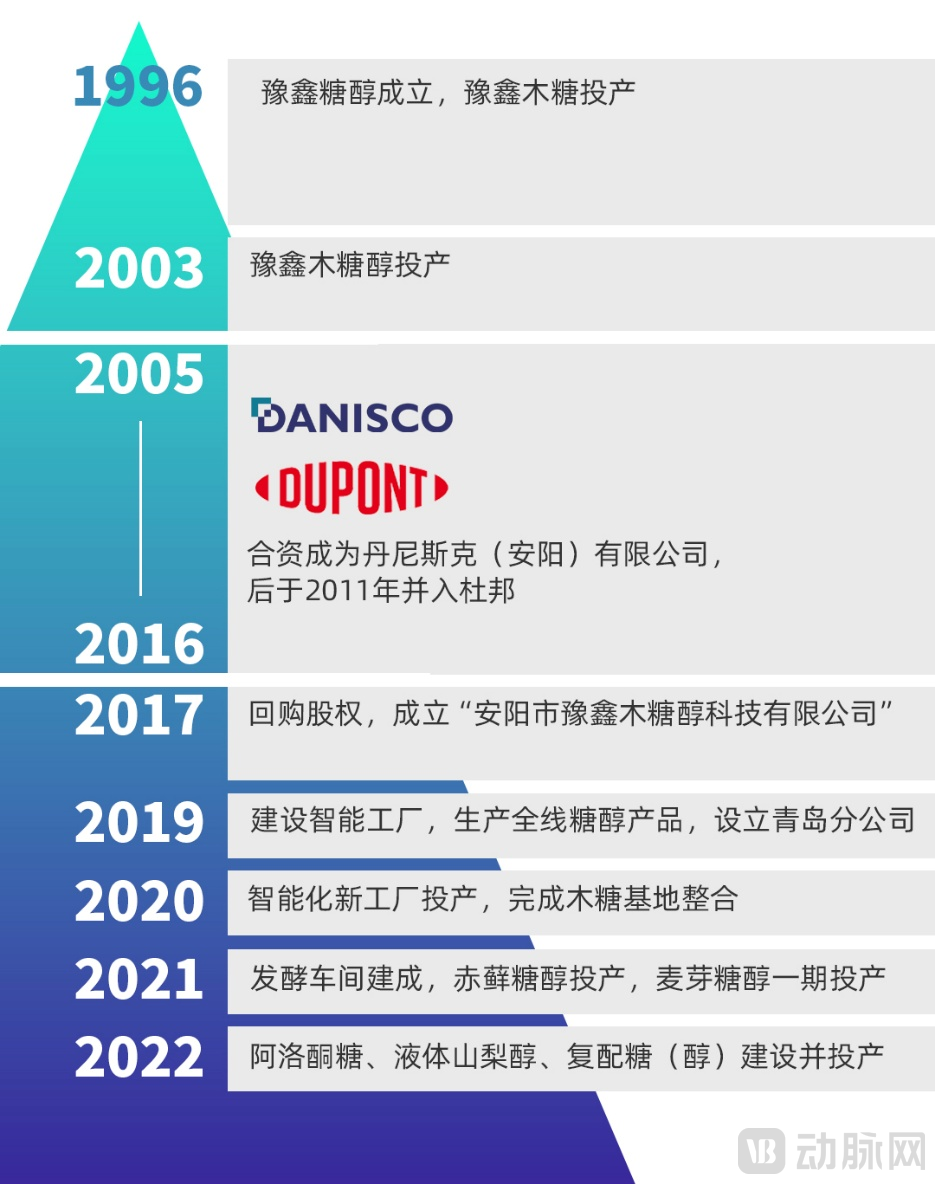
Yusweet Sugar Alcohol Development History
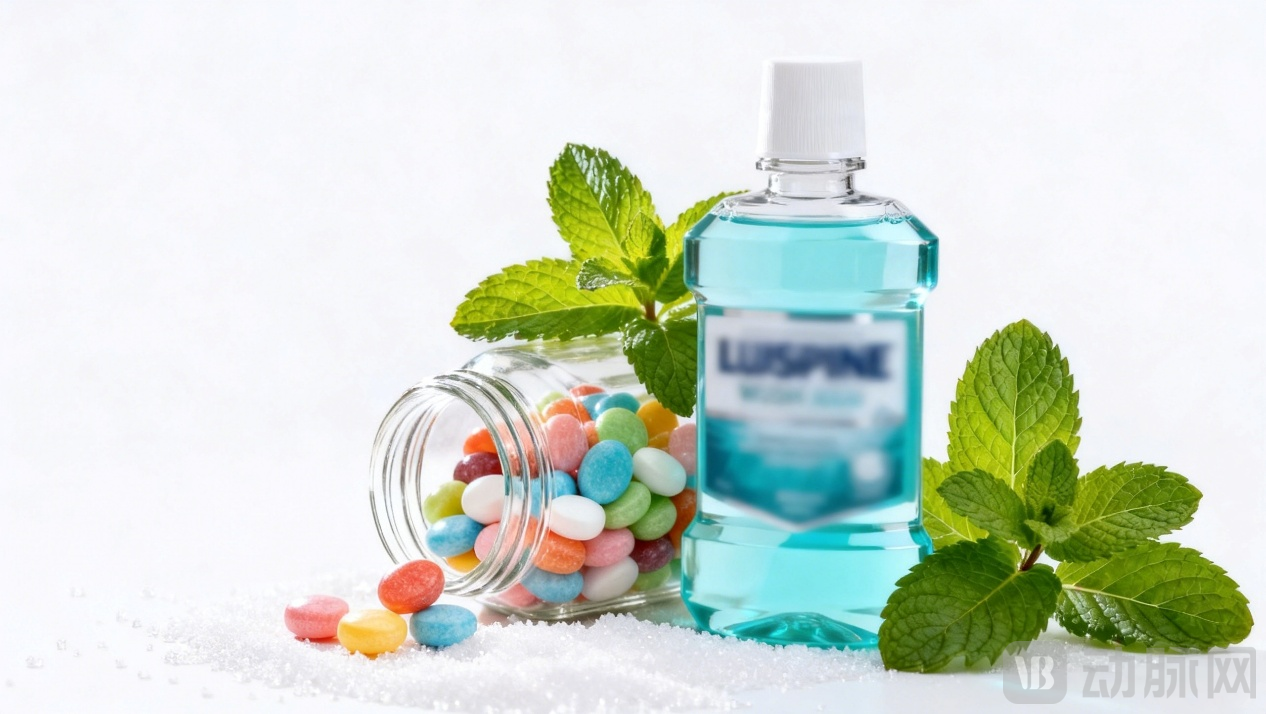
As a well-known substitute for sucrose, xylitol is widely used in food products such as chewing gum and candy. Its sweetness is 1 to 1.2 times that of sucrose, its caloric value is approximately 60% that of sucrose, and its glycemic index (GI) ranges from 7 to 13. Xylitol has the characteristics of low calories and being non-cariogenic, and can be added to products such as oral cleansing sprays, mouthwashes, and toothpaste. In addition, as a pharmaceutical excipient, infusion vehicle, and pharmaceutical raw material, xylitol is also widely used in medical fields such as tablet coating and diluents.
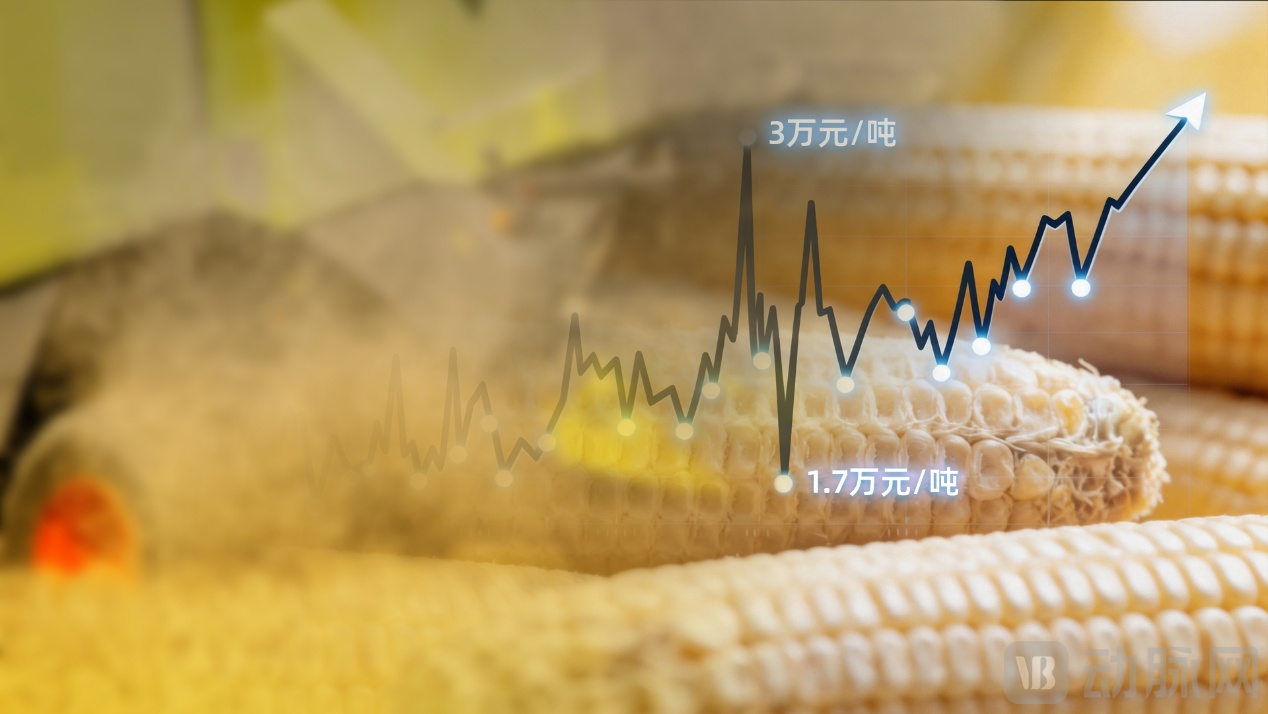
Currently, the mainstream chemical synthesis route is heavily dependent on a single raw material—corncob. Constrained by the raw material collection, storage, and transportation system, the supply stability is insufficient, and production capacity expansion is limited. Additionally, the periodic fluctuations in raw material prices are significant, directly driving up production costs. Coupled with the high energy consumption and significant environmental pressure associated with traditional processes, the industry faces clear bottlenecks in its development. Moreover, due to excessive cost volatility, downstream customers have shown limited willingness to invest in application development, which restricts the market potential of xylitol.
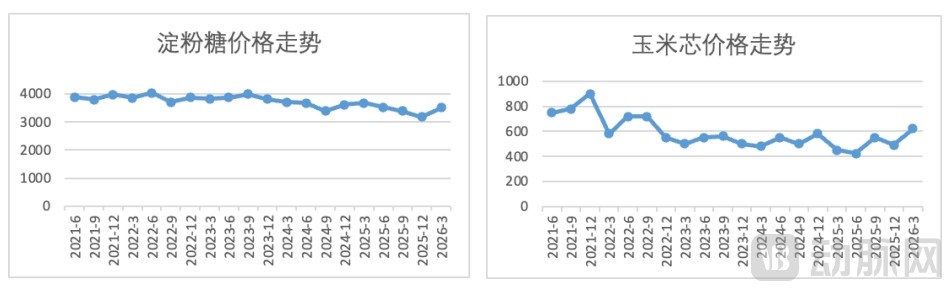
The biomanufacturing route uses inexpensive, readily available, and stably priced starch-derived sugars as raw materials, breaking free from the constraints of traditional raw material sources and offering vast potential for production capacity expansion, thereby enabling large-scale and price-stable supply of xylitol. Relying on a mild biological fermentation process, this route achieves higher product purity and quality, while maintaining low pollution and low energy consumption throughout the entire process. It aligns with the trend toward green and low-carbon development, simultaneously enhancing both economic and environmental benefits.