

Over 10,000 clinical cases, approved in both China and the US: How did Puli ark's bronchoscopy robot catch up from behind?

VCBeat
Internet Medical Health Media
In the field of surgical robots, a dark horse in the bronchoscope robot sector has emerged. From approval to rapid growth, it took less than three years —
In March 2023, it received approval from the U.S. FDA. Since then, the number of surgeries has surged: 500 surgeries were completed in the U.S. in 2023, exceeding 5,000 by March 2025, and surpassing 10,000 cases globally by March 2026. As of April 2026, installations have covered top medical institutions in the U.S. and Australia, including the University of Chicago Medicine, Inova Fairfax Hospital, CHI Memorial, Macquarie University Hospital, and Long Island Jewish Medical Center.
Business developments have been equally rapid. In April 2023, the company completed a $150 million financing round, with top-tier institutions such as SoftBank Vision Fund, Prosperity7 Ventures, Tiger Global, Hillhouse Capital, and HSG all participating.
Whether it is "immediate market release upon approval" or such a steep commercial growth curve, it is indeed rare and quite "abnormal" in the global surgical robotics field——
A horizontal comparison of the commercialization status of global surgical robots shows that endoscopic robots covering major departments such as general surgery, urology, gynecology, and thoracic surgery should theoretically have a larger market space and faster growth. However, the reality is that, except for a few giants like Intuitive Surgical, most newcomers are deeply mired in losses. This enterprise, which focuses on the highly specialized field of interventional pulmonology, has instead made rapid progress in commercialization, turning a "narrow door" into a broad path.
From the perspective of the vertical bronchoscopy robot track, Intuitive Surgical's Ion has installed 995 units globally by the end of 2025, making it the largest bronchoscopy robot system in terms of publicly available data; Johnson & Johnson's Monarch has not yet disclosed its specific installation scale. Both have benefited to varying degrees from their existing hospital networks, service systems, and brand accumulation during the promotion process, rather than starting completely from scratch. In contrast, this startup and its product, "without a mature ecosystem to rely on," have nonetheless achieved rapid scaling and late-mover breakthroughs by leveraging the technological generational advantage of "real-time imaging confirmation + fully disposable consumables + compact size," becoming the world's only robotic platform currently offering a disposable bronchoscope.
The research published in CHEST 2025 further supports the underlying logic of this "narrow gate burst": In community hospitals outside of academic centers, this bronchoscopy robot still achieved an 89% diagnostic output rate, with cost-benefit ratios of 1.5 for the endoscopy room and 1.1 for the operating room (a ratio greater than 1 is considered financially viable),proved that the bronchoscope is clinically feasible and economically sustainable in the community hospital environment.
The product, which has stunning performance, is named Galaxy, and the company behind it is Noah Medical, founded by Dr. Zhang Jian. This marks Zhang Jian's fourth venture as a founder with Noah Medical. Currently, Noah Medical's Chinese subsidiary, Puli Ark Medical Technology Co., Ltd. (hereinafter referred to as "Puli Ark"), has localized Galaxy into the "Puli Baichuan Bronchoscope Robot" (hereinafter referred to as "Puli Baichuan").
Currently, Puli Baichuan and its supporting disposable consumables have both obtained NMPA approval for market launch.
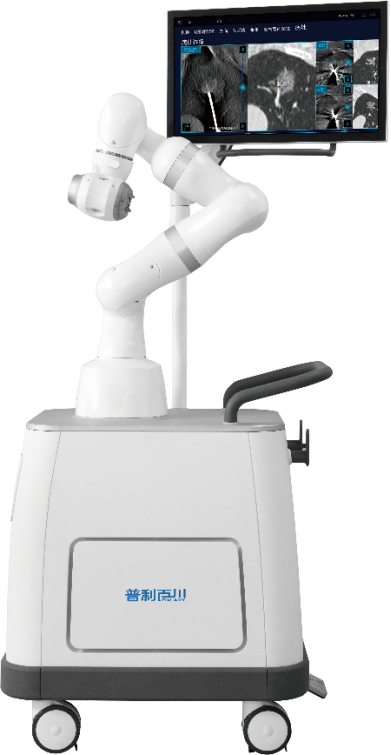
Next-Generation Bronchoscope Robot Pulibaitchuan
"I wanted to make robots when I was in high school." This thought has run through Zhang Jian's more than twenty years of study and career path.
After graduating from Nankai High School in Tianjin, he entered the Department of Automatic Control and Engineering at Harbin Institute of Technology, and later went to Columbia University to pursue a Ph.D. in surgical robotics. After completing his Ph.D. in 2010, he joined Intuitive Surgical, where he was responsible for the mechanical design of the fourth-generation Da Vinci laparoscope; later, he was recruited by Fred Moll, the father of surgical robotics, becoming the second employee at Auris Health. He was deeply involved in the first four years of product development for the Monarch bronchoscopy robot and left in 2015.(Auris was acquired by Johnson & Johnson for $3.4 billion in 2019, setting a record for the highest pre-IPO acquisition in the medical device industry at that time).

Noah Medical, Founder of Puli Ark Zhang Jian
Since then, Zhang Jian has embarked on a continuous entrepreneurial journey: founding the industrial robot company Robot Phoenix (which has passed the Hong Kong Stock Exchange listing hearing), and the disposable hysteroscope company Acuvu (Chinese name: Akuyu). Noah Medical is his third venture as a founder.
Zhang Jian told VCBeat that in the autumn of 2018, he founded Noah Medical with the intention of creating a disposable endoscope platform covering multiple departments. However, several American pulmonary doctors informed him that after using Monarch for a year on more than 200 patients, the biopsy rate was only 76%, far below the over 90% initially promised during its design. Meanwhile, clinical trial results of Ion in Australia showed that its biopsy detection rate also remained in the 70% range.
Why do the bronchoscopy robots, developed by two industry giants with top engineering teams and years of effort, have a biopsy rate stuck at around 75%? This made Zhang Jian, an engineer, very curious. He spent months "peeling the onion" and finally clarified the essence of the problem: the first-generation bronchoscopy robot emphasizes "navigation" but lacks "real-time positioning."
Specifically, Monarch and Ion enable flexible catheters to reach the peripheral areas of the lungs that are difficult to access with traditional manual bronchoscopes, theoretically increasing the number of reachable nodules significantly (the number of peripheral small nodules is approximately twice that of the central region). However, the lungs are a dynamic environment, precise navigation ≠ precise positioning.Peripheral small nodules (typically referring to lesions with a diameter <2cm, largely concentrated around 1cm) are located at the edge of the lung lobe and can shift 3-4 cm with the patient's breathing. For solid nodules with a diameter over 3cm, doctors can still rely on small C-arm fluoroscopy to determine their position. But once the lesion shrinks to 1 centimeter or even smaller, especially for low-density lesions such as ground-glass nodules, the C-arm simply cannot visualize such tiny and dynamic targets.
More critically, the first-generation robots heavily rely on preoperative CT for path planning, with only "Gaode Map-like" navigation guidance during the surgery. However, the patient's breathing, changes in body position, and variations in lung volume during the operation can cause the lesion to shift, leading to a mismatch between the preoperative map and the real-time anatomical structure—doctors, relying on navigation prompts to determine they have "reached the target," may mistakenly believe that the biopsy needle has accurately entered the lesion. But what the navigation shows is merely the position of the catheter on the preoperative CT virtual map; due to displacement caused by respiratory movements, the actual lesion has already deviated from this coordinate, meaning the biopsy needle hasn't truly entered the tumor, making it naturally difficult to improve the biopsy success rate.
"Navigation is not the same as confirmation. Take driving as an example. Navigation is about 'driving home from the office,' while localization is about determining 'whether the car is actually in the garage.'" Zhang Jian illustrated vividly. "When you use navigation to drive home, it will say, 'You have arrived near your destination.' But to accurately target a one-centimeter nodule, being 'near' is not enough. You need to precisely locate it, like parking the car exactly inside the garage." This is the core motivation behind his determination to redesign the next-generation bronchoscopy robot, Galaxy (Puli Ark).
As mentioned earlier, the first-generation bronchoscopy robot allowed the catheter to reach the distal lung, but due to the lack of real-time intraoperative image fusion and calibration capabilities, doctors were unable to accurately confirm the lesion location in a dynamic environment, resulting in biopsies missing the target.
As a new generation of bronchoscopy robot, Puli Baichuan (Galaxy) has achieved fundamental breakthroughs in two aspects: the first is to let doctors truly "see" the biopsy process. It is equipped with a bronchoscope featuring a high-definition camera, combined with a four-way adjustable joint, which not only ensures stable access to the farthest periphery of the lungs but also allows real-time visualization of the entire airway navigation. Through the real-time imaging 3D Imaging DT technology, it provides "real-time positioning" guidance for biopsy procedures, enabling doctors to visually confirm the biopsy needle entering the tumor and avoiding repeated punctures. It offers particular advantages in ground-glass nodules and small-sized peripheral nodules. Secondly, it uses all-in-one disposable consumables with complete supporting consumables. All the required accessories for biopsy, lavage, and treatment are available, eliminating cross-infection at the source while significantly improving the efficiency of operation room turnover.
The core of the above-mentioned visualization capabilities lies in Puli Baichuan's core patents 3D Imaging DT Technology. This technology deeply integrates digital tomosynthesis 3D reconstruction, enhanced fluoroscopy, and navigation, enabling real-time updates and correction of lesion positions during surgery while confirming whether biopsy tools are within the lesion. It effectively overcomes CT-body discrepancies caused by breathing and positional changes.
Additionally, the system enables enhanced fluoroscopy (generating an enhanced fluoroscopic blue ring on the C-arm fluoroscopic image to intuitively overlay and display the target area) and distance quantification (real-time measurement of distance and angle from the tool to the lesion), assisting physicians in precisely adjusting their maneuvers while avoiding repeated exposures and significantly reducing radiation dose. This combination acts like equipping the bronchoscope with "precise navigation plus a real-time sight," demonstrating high diagnostic yield and low complication risk when diagnosing peripheral pulmonary nodules (especially ground-glass nodules).
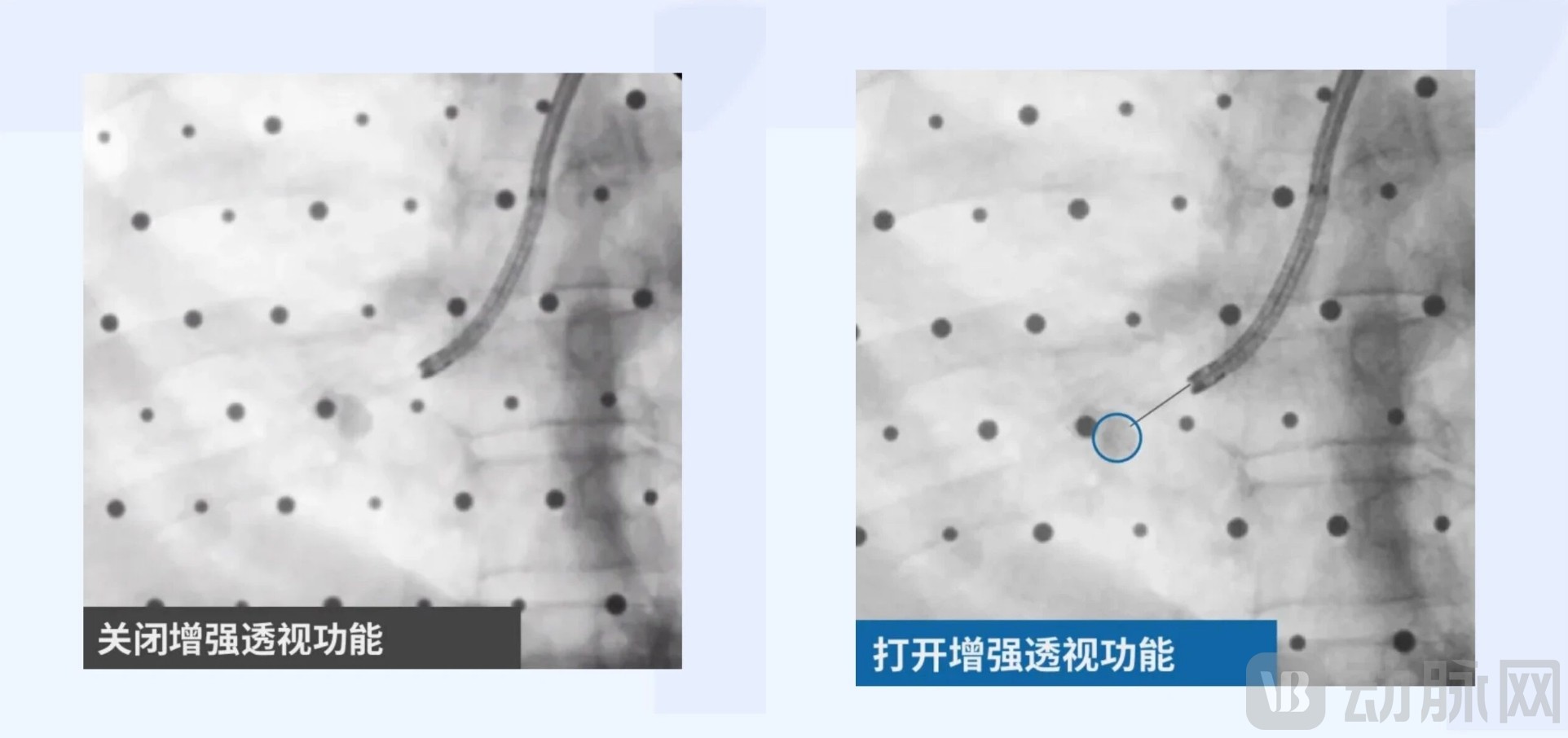
Enhanced fluoroscopy technology can overlay real-time lesion locations onto two-dimensional fluoroscopic images, making lesions that are difficult to visualize with conventional fluoroscopy clearly visible.
The clinical reliability of this technology has been empirically validated. In a clinical study (Match 2 Study) involving 31 subjects, the Galaxy system equipped with 3D Imaging DT achieved a 100% success rate in navigation and biopsy procedures. The confirmation rate of biopsy tools within the lesion (TIL) reached 93.5%, with a 96.7% consistency compared to CBCT confirmation results——This means that the lesion location "seen" by doctors during the surgery is almost consistent with the gold standard, fully demonstrating the stability and reliability of its dual-core capabilities of "reaching + real-time positioning."
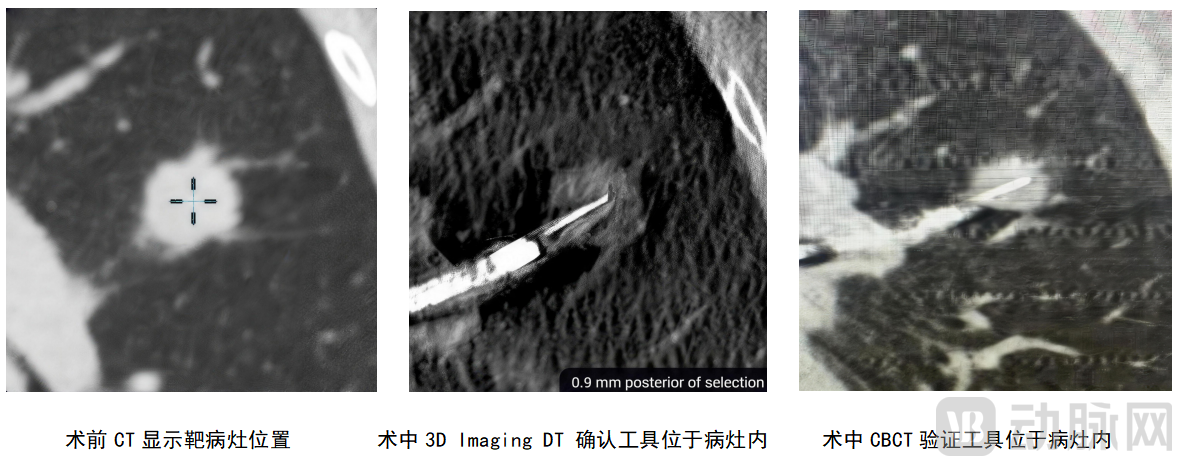
3D Imaging DT technology offers high reliability for real-time lesion localization, avoiding sampling errors that could lead to "a miss is as good as a mile."
In terms of product form factor, the main unit of Puli Baichuan occupies only 0.58 square meters on a single cart, allowing it to be easily accommodated in endoscopy rooms with compact space constraints in China. Its supporting fully disposable consumables (bronchoscope, biopsy needle, etc.) are independently sealed and sterilized, ready for immediate use and disposal after the procedure, eliminating the need for cleaning, disinfection, and maintenance. This not only fundamentally eliminates the risk of cross-infection but also significantly reduces pre-procedural preparation and post-procedural turnover time, thereby improving operating room throughput. As a result, community hospitals and primary care facilities can also rapidly perform high-precision diagnosis of pulmonary nodules.
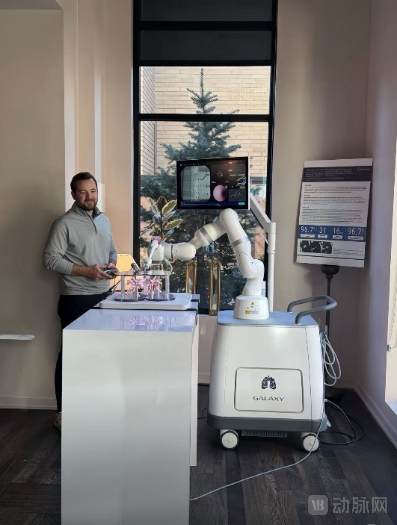
Two points warrant special mention here. First, Puli Baichuan is not a "laboratory product" that started from scratch. Its overseas counterpart, the Galaxy system, has undergone extensive clinical validation in markets such as the United States and Australia, with over 10,000 clinical and commercial procedures completed globally as of March 2026. Multiple studies have confirmed its rigorous diagnostic yield exceeding 96%. In November 2025, Puli Baichuan received NMPA approval as a domestically manufactured product, fully retaining the technical capabilities of Galaxy's latest global imaging platform while leveraging local supply chains in China for cost optimization, offering greater competitiveness in both pricing and quality control.
Second, Puli Baichuan is a natural orifice transluminal surgical robot. It enters through the respiratory tract without the need for incisions or skin puncture. This technological approach offers inherent advantages for patients with ground-glass lesions, deeply located nodules, multiple nodules, recurrence after prior surgery, poor cardiopulmonary function making them intolerant to conventional surgery, as well as those with special aesthetic needs or requirements for rapid recovery.
Technical parameters can be imitated, but the underlying product decision logic is difficult to replicate.
During the interview, Zhang Jian repeatedly emphasized that "clinical value (weight 100) is greater than clinical efficiency (weight 10), which is greater than clinical cost (weight 1)." This is not only the essence of his product philosophy but also the key to understanding Puli Ark's differentiated advantages.
This seemingly simple weighted logic happens to explain an "anomalous" phenomenon of the Galaxy system: its pricing is not cheap, and its disposable consumables are even more expensive than certain foreign competitors, yet it continues to gain rapid market share; meanwhile, most later entrants imitating the first-generation products, despite significantly lowering prices, still struggle to make headway.
"If a product can solve clinical problems that others cannot, then it is something worth 100 points." Zhang Jian believes that clinical efficiency (such as increased operating room turnover rate) and clinical cost (such as lower equipment prices) are merely icing on the cake, and one must never sacrifice the former for the sake of the latter two, because "what doctors are purchasing is the ability to solve problems, not cheapness."
He took the Da Vinci surgical robot as an example. When the Da Vinci surgical robot was first introduced, it was extremely expensive and its operational efficiency was not higher than traditional laparoscopy. However, it solved the clinical challenge of "precise operation under minimally invasive conditions." Therefore, despite sacrificing efficiency and cost, it was still accepted by the market. Similarly, the fundamental reason Galaxy could achieve rapid commercial use in the United States is that it addressed the pain point of the "invisibility" issue in the first-generation products, increasing the biopsy detection rate from 75% to over 90%. This represents a clinical value with a weight of 100 and also forms the moat of clinical value that Galaxy has established.
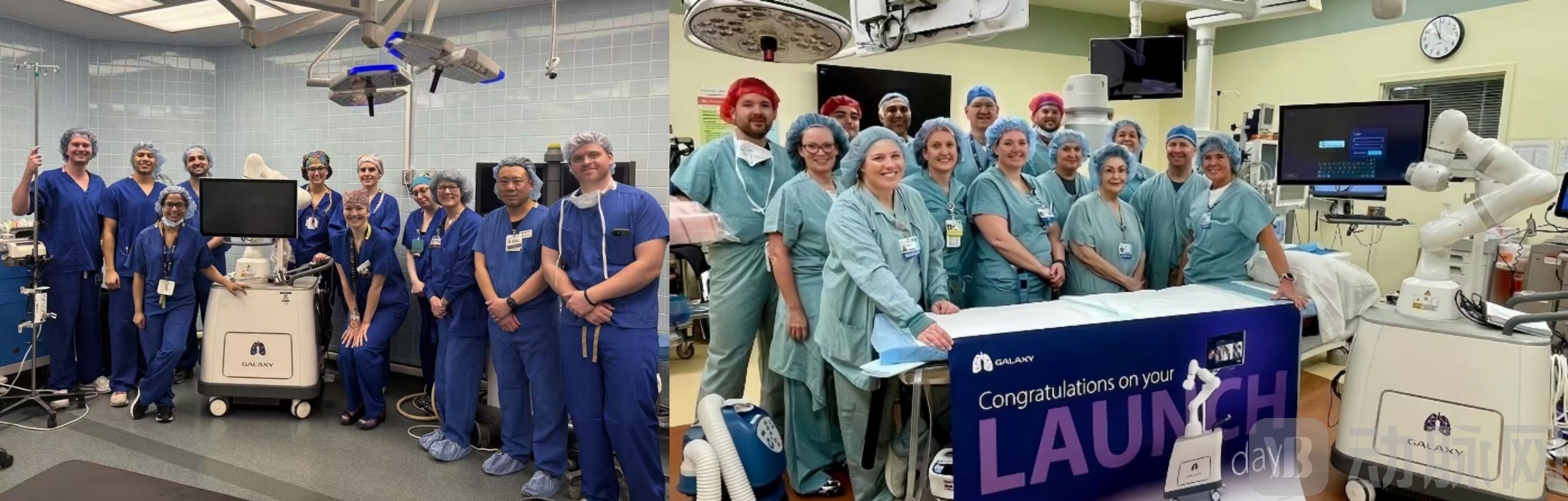
Galaxy's fully disposable consumables design not only increases the turnover rate of surgeries by 15% to 20%, reducing the burden on medical staff, but also "boosts optimism in the operating room." Zhang Jian admitted: "In foreign markets, we are not cheaper than anyone else; in fact, we might even be more expensive. But if we get the first two aspects right (clinical value and clinical efficiency), we can charge a bit more for price." However, he does not intend to engage in a price war in the Chinese market. Instead, he hopes to find a "price that fits the Chinese market" through the optimization of local supply chains, lowering the threshold for hospitals while maintaining a reasonable gross profit margin.
In Zhang Jian's vision, Puli Ark is not a company with a single geographic identity, but rather a dual-structure of "Silicon Valley innovation plus China implementation." The U.S. arm is responsible for technological innovation, patent portfolio development, and clinical pathway validation, while the China arm leverages local supply chains and engineering capabilities to achieve scalable manufacturing and enhanced clinical accessibility of the products.
This allows Puli Ark to capture the advantages of both sides — with a commercial model validated in the U.S. market and financing capabilities proven by capital markets, as well as the top-tier product quality, cost control, and production efficiency brought by its Chinese engineering team. As Zhang Jian put it, "Compared with American companies, we have the lowest cost, the highest quality, and the highest efficiency. Compared with Chinese companies, we have U.S. patents, can make more money in the U.S., and can also lay a solid foundation for future commercialization in Europe and South America."
The year 2026 marks the first year of Puli Ark's commercialization in the Chinese market. However, Zhang Jian is not rushing to scale up. Instead, he is prioritizing the identification of "Center of Excellence" pilot hospitals, using benchmark cases to establish demonstration effects before gradually penetrating the market. "We want to unfold the value of our products like a painting scroll," he said.
And the next stroke on that scroll is the integration of diagnosis and treatment. Puli Ark's core value lies not only in helping physicians accurately diagnose lung cancer but also in completing treatment during the same procedure, under the same anesthesia, at the moment of diagnosis. "Who wants to hear, 'The good news is I've confirmed you have cancer, but the bad news is I've confirmed you have cancer'?" Zhang Jian said. "What we want is: the bad news is you've been diagnosed with cancer, but the good news is I've cured you."
This is not just a technological validation, but also an elevation and closed-loop of the business model. When biopsy and treatment are completed in the same procedure, the hospital's revenue structure extends from "upstream screening" to "downstream treatment," while patient trauma and waiting time are minimized.
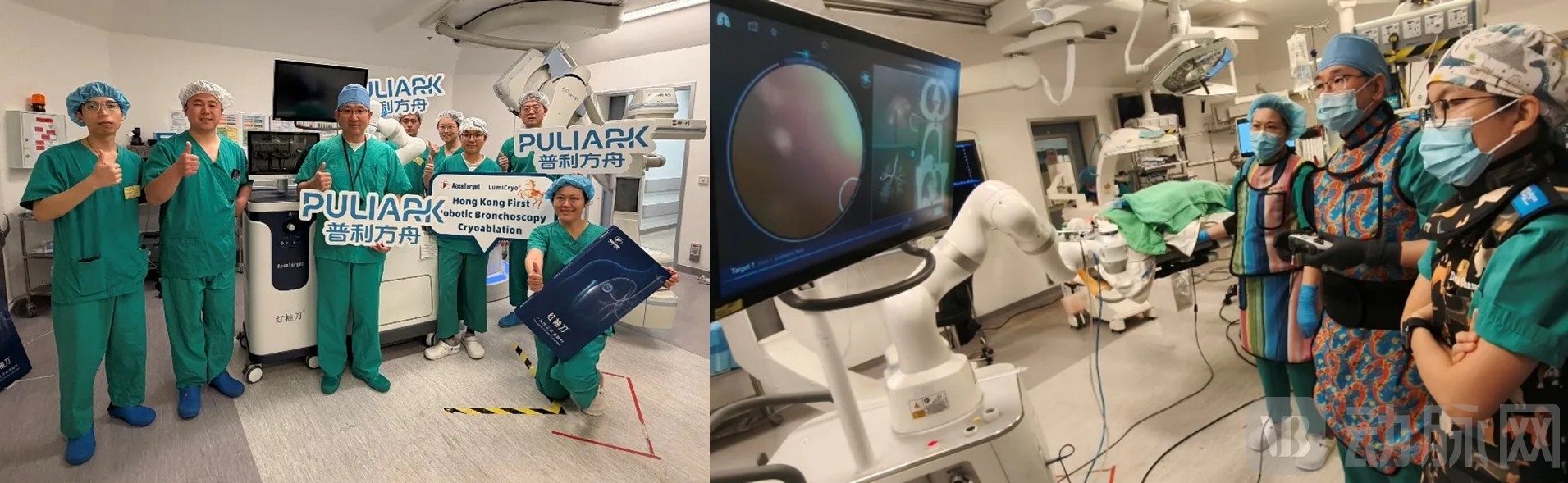
From March 3 to 4, 2026, Professor Calvin Ng's team from Prince of Wales Hospital, The Chinese University of Hong Kong, successfully performed three robotic bronchoscopy-guided cryoablation procedures for pulmonary nodules using the Puli Baichuan Bronchoscopy Robot. This fully demonstrated the significant value of Puli Baichuan in interventional ablation of pulmonary nodules. (Image source: Puli Ark Official Account)
The potential of Puli Ark, however, extends far beyond the single market of lung cancer. The underlying logic of its technology system lies in building a common pathway centered around natural orifices: entering the human body through natural orifice systems such as the respiratory tract, without the need for incisions, leaving no scars, and enabling same-day surgery. This technology system, anchored in flexible access, real-time imaging localization, and non-invasive diagnosis and treatment, has been fully validated in the lungs. The path to platform-based replication into other natural orifice departments is now clear. Moving forward, Puli Ark will gradually build a multi-department natural orifice surgical robot platform.
From "reaching" to "seeing," from "diagnosis" to "treatment," from "lungs" to "whole-body natural orifices." The story of Puli Ark has only just begun.