

Sports BCI that computes brain state: Nanoloop closes Seed+ round led by Nanshan SEI Investment

Nanoloop
Non-invasive brain-computer interface technology developer

Nanshan SEI Investment
Industrial Investment Institutions
Recently, Nanoloop announced the completion of a tens of millions of RMB seed+ financing round. This round was led by Nanshan SEI Investment. Previously, the company received seed round investment from MiraclePlus in 2024. The proceeds from this round will be primarily used for core technology iteration, product engineering implementation, and market expansion, accelerating the large-scale commercial adoption of non-invasive brain-computer interface (BCI) wearable devices for motion scenarios.

Most mainstream players in the current brain-computer interface field focus on medical-grade applications, which come with high barriers, long cycles, and complex regulatory requirements. Nanoloop has chosen a differentiated path — bringing non-invasive brain-computer interface technology to the consumer motion and fitness health scenario.
Behind this lies a fundamental re-examination of the underlying principles of sports science.
Sports performance has never been solely about physical fitness. Research shows that the physical gaps among top athletes are often minimal; what truly makes the difference is the state of the brain. Distracted focus, pre-competition anxiety, and accumulated training fatigue — these "invisible" cognitive variables often determine the outcome more than muscle strength at critical moments.
The professional sports community has long recognized this. Sports psychologists have become a standard component of high-level teams. However, the problem is that this service system relies on manual assessment, which is costly, lacks timeliness, cannot be quantified, and even less so can be extended from the professional realm to the broader population of everyday athletes.
The issue lies primarily on the tool side. Current sports wearable devices on the market — smartwatches, heart rate monitors, and sports earphones — already cover physiological dimensions such as heart rate, blood oxygen, and cadence reasonably well. But when it comes to the brain dimension, there is almost nothing available. No consumer-grade device can tell you in real time: "Your focus is declining," "Your current fatigue level is impairing your judgment," or "If you continue training, your risk of injury is increasing."
This is not because the demand does not exist, but because the technical barriers are too high, and a suitable product has never emerged. From professional athletes to fitness enthusiasts, from competitive training to daily running, the need for "visualizing the overall state of the brain" is real and has long been suppressed. This is precisely the problem Nanoloop aims to solve, and it is the logic underlying the essential demand for its product.
As founder Zhang Haotian put it, "Sports brain-computer interfaces are not about moving laboratory EEG devices onto the training field. It is about transforming complex brain signals into a product that users are truly willing to use during their workouts."
Currently, the application of non-invasive brain-computer interface technology in the sports monitoring field faces core barriers such as low EEG signal accuracy, strong motion artifact interference, lack of data annotation, and a disconnect between decoding and real-world scenarios. These challenges have long constrained the large-scale implementation of the industry.
Nanoloop's innovation lies in its end-to-end solution that integrates AI models, brain-computer interface technology, customized motor imagery paradigms, and high-precision motion data annotation. At the same time, it introduces biomechanical capture and biochemical technologies as core labels, completely breaking through industry bottlenecks and reshaping a new paradigm for sports monitoring.
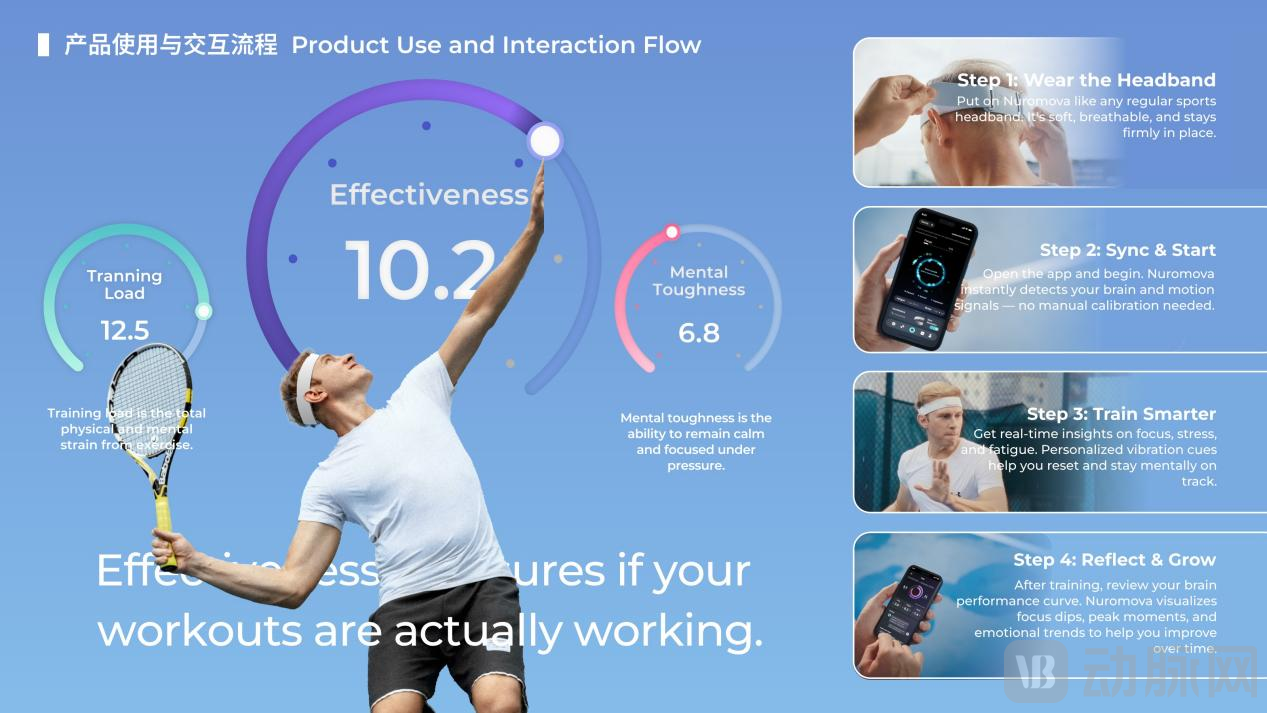
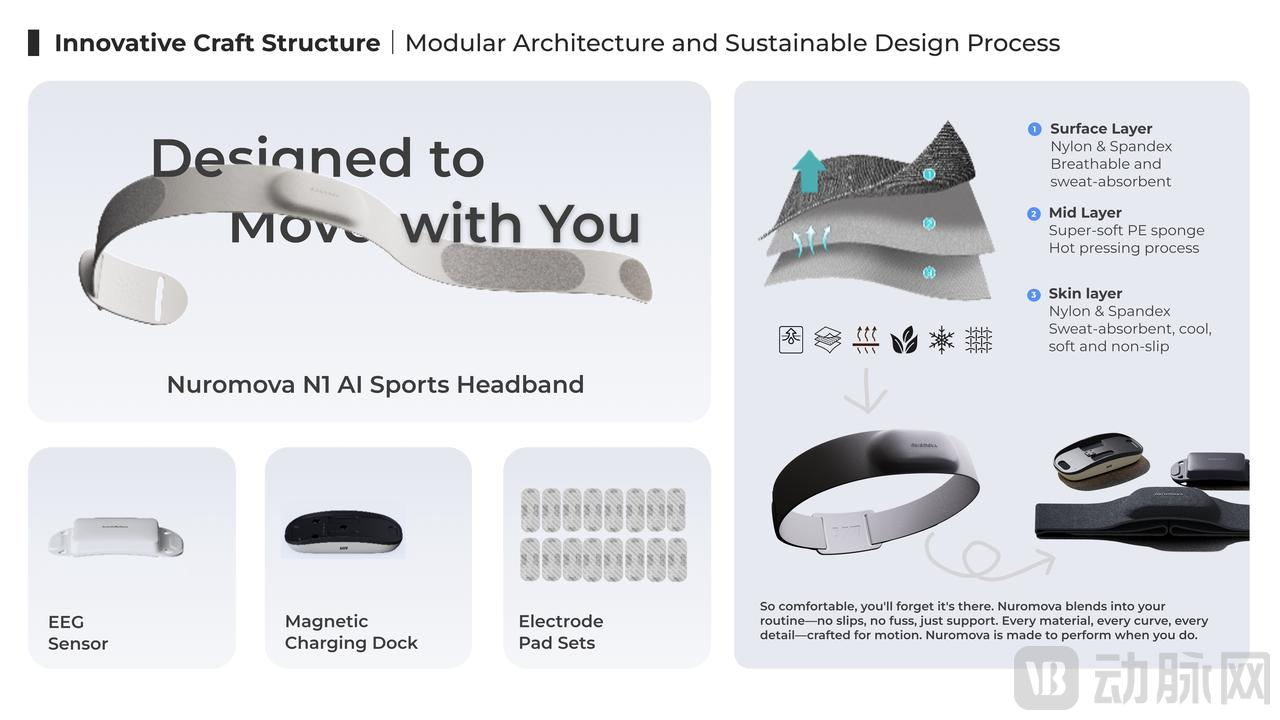
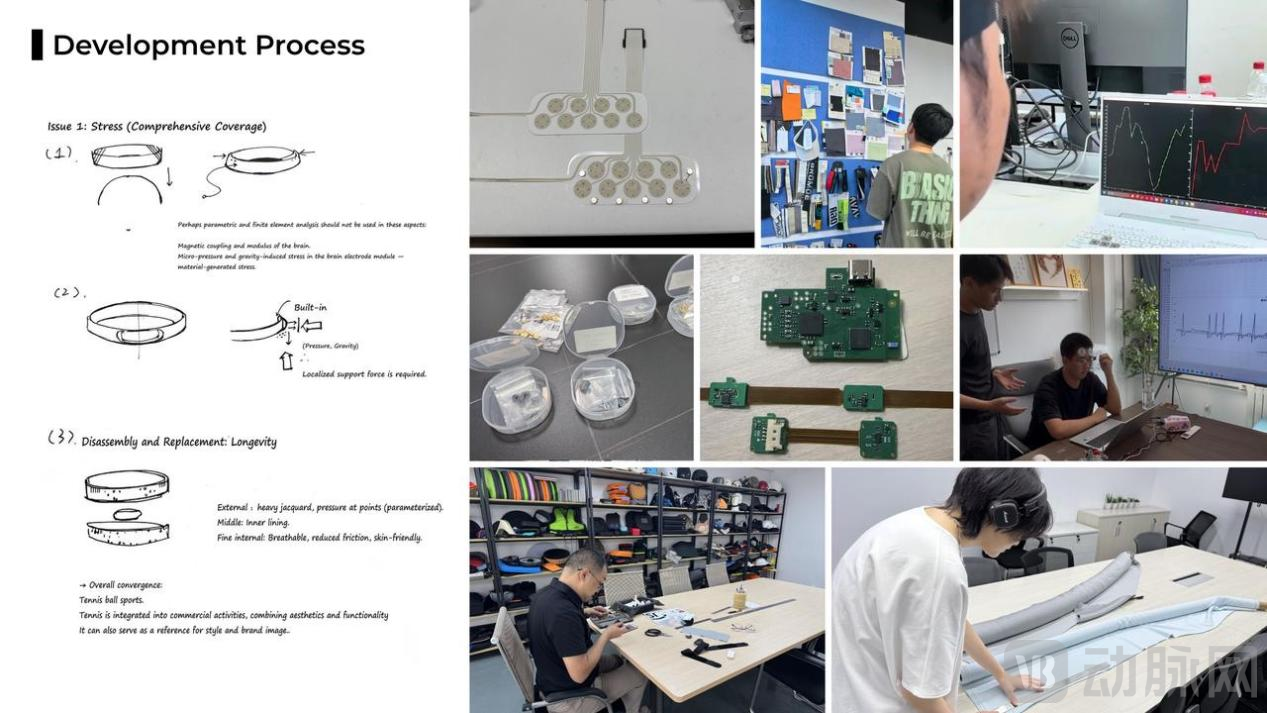
Specifically, Nanoloop places AI models at its core. It relies on a standardized motion data annotation system to provide high-quality samples for model training, thereby improving EEG decoding accuracy. Combined with customized motor imagery paradigms, it achieves precise synchronization of EEG signals and motion behaviors, effectively reducing artifact interference. Through the integration of multiple technologies, the system can rapidly interpret motion state and cognitive health information, generate comprehensive assessment reports and personalized improvement prescriptions, and achieve a complete closed loop of "monitoring, assessment, and guidance."
This technological breakthrough is driving motion brain-computer interfaces from the laboratory toward practical, large-scale applications, providing an entirely new technical pathway for fields such as sports health and sports psychology.
As an interdisciplinary systemic endeavor, the technological innovation and implementation of brain-computer interfaces rely on the support of a diverse team.
Nanoloop's founder, Zhang Haotian, received his bachelor's and master's degrees in industrial design from Tsinghua University, where he was awarded the university-level Outstanding Graduate Design recognition. During his graduate studies, he focused on brain-computer interaction and the translation of innovative products. He served as President of Tsinghua University Makerspace and Vice President of the Business Association of Tsinghua Entrepreneurial Students, contributing to the development of Tsinghua's entrepreneurial ecosystem. Co-founder Zhao Zhilong also graduated from Tsinghua University. He has long engaged in cross-disciplinary exploration with a focus on brain-computer interface application implementation. He previously worked as an engineer at a leading smart hardware company, where he was responsible for product development, hardware engineering, and system deployment. On the algorithmic precision front, core team members with backgrounds in computer science from Shanghai Jiao Tong University, biomedical engineering from Tsinghua University, and sports science from Imperial College London work closely together, collectively solidifying the core of product accuracy. This diverse range of professional backgrounds provides a solid foundation for technological breakthroughs.
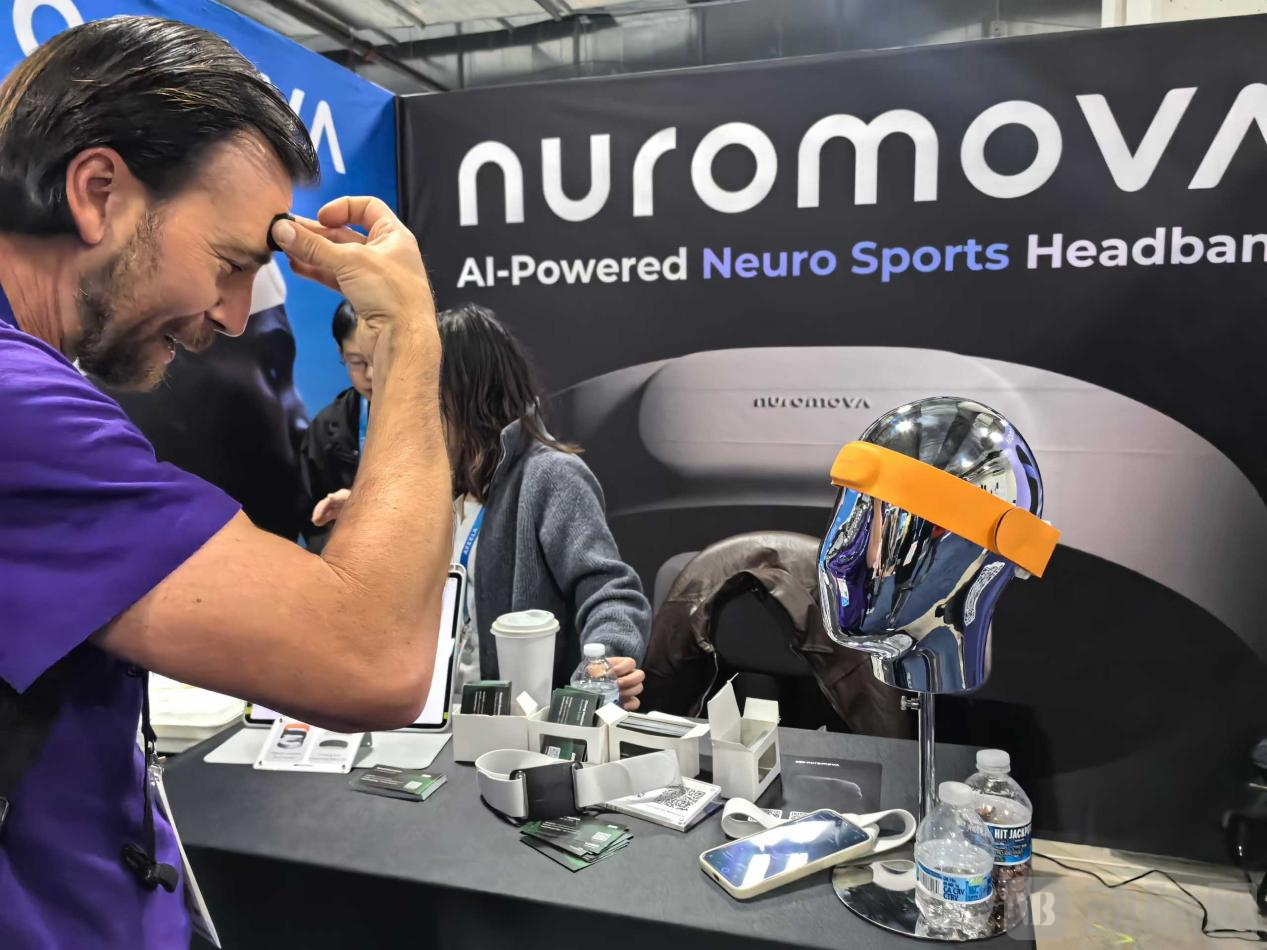
Nanoloop has currently launched its first product, the Nuromova N1 smart headband prototype. The product features a non-invasive design that balances wearing comfort with data acquisition accuracy in motion scenarios, and has completed initial functional validation. In early 2026, the product made its debut at CES 2026 and won the Golden Pin Design Award for its innovative design. Moving forward, the Nanoloop team will leverage the funds from this financing round to accelerate its iteration and mass production.
On the commercialization front, Nanoloop has developed a clear market entry strategy and a tiered revenue model. The company is advancing the large-scale penetration of its products in phases, tailored to the differentiated needs of various user groups. Currently, Nanoloop is actively pursuing in-depth collaborations with organizations and enterprises in the sports sector to expand diverse application scenarios, while continuously strengthening its professional moat and brand influence. At the same time, initial steps for global market expansion have been set in motion. With the proceeds from this financing round in place, the global commercialization process for its products will be further accelerated.
2025 is regarded by the industry as the first year of China's brain-computer interface industry development. The sector has officially entered an unprecedented period of activity marked by policy support, technological iteration, and capital inflow. Founded in 2024, Nanoloop emerged precisely during the window of opportunity at the beginning of this field. Although young and emerging, its sense of strategic positioning and execution efficiency within its niche segment are worth noting, as evidenced by its financing pace and technological progress. With the funds from this round in place, product mass production and market validation will be the key focus areas for the next stage.
For BCI to move toward the consumer market, sports and fitness may be one of the most pragmatic entry points.