

Mindtrix secures 150 million RMB Series Angel funding as China's first human-validated visual restoration BCI company

Mindtrix
Invasive Brain-Computer Interface Technology Developer
Mindtrix Technology, a leading company in the brain-computer interface (BCI) field, has completed consecutive Series Angel, Angel+, and Angel++ financing rounds, with cumulative funding reaching 150 million RMB. As the first BCI company in China to achieve human validation for visual restoration, Mindtrix has accomplished multiple global-first milestones within just one and a half years of its founding, positioning itself in the first tier of global visual restoration BCI companies.
With the completion of this financing round, Mindtrix has built a diversified shareholder base spanning top-tier venture capital, industry-backed capital, state-backed capital, and strategic investment capital. These investors include Casstar, Lynnovest, Haibei Capital, Huafang Capital, Delian Capital, Highlight Capital, Hengxu Capital, Rising Investments, and Banfei Incubation.
Among these, Huafang Capital has ties to the Holley Group, a top 500 private enterprise in China that controls multiple listed and unlisted companies in the pharmaceutical and technology sectors. Delian Capital manages the Delian Bojian Brain Science Fund, which has backing from Sanbo Brain Hospital, the Shanghai Future Industry Fund, and others. Highlight Capital has previously invested in quality brain hospital chains including LanSheng Brain Hospital and Donglei Brain Hospital.
Specifically, within the series of financing rounds, the lead investor in the Series Angel round was Casstar; the co-lead investors in the Series Angel+ round were Huafang Capital, Delian Capital, and Highlight Capital; and the Series Angel++ round saw further follow-on investments from Delian Capital, Highlight Capital, Hengxu Capital, Rising Investments, and Lynnovest. Nearly all fund shareholders actively increased their participation in each successive round. Notably, Lynnovest added investment in every round starting from the Series Angel round. Unlike many companies in the market that typically rely on an exclusive financial advisor to facilitate transactions, Mindtrix's financing process was unique: most fund institutions identified and approached the company directly after conducting in-depth industry analysis and market research on the BCI sector, before completing their investments.
According to Mindtrix, the proceeds from this financing round will be primarily used to accelerate the advancement of its visual restoration BCI technology toward a clinically validated product stage, establish a solid technical and clinical data foundation for initiating registrational clinical trials, and further consolidate Mindtrix's leading position in the visual restoration field.
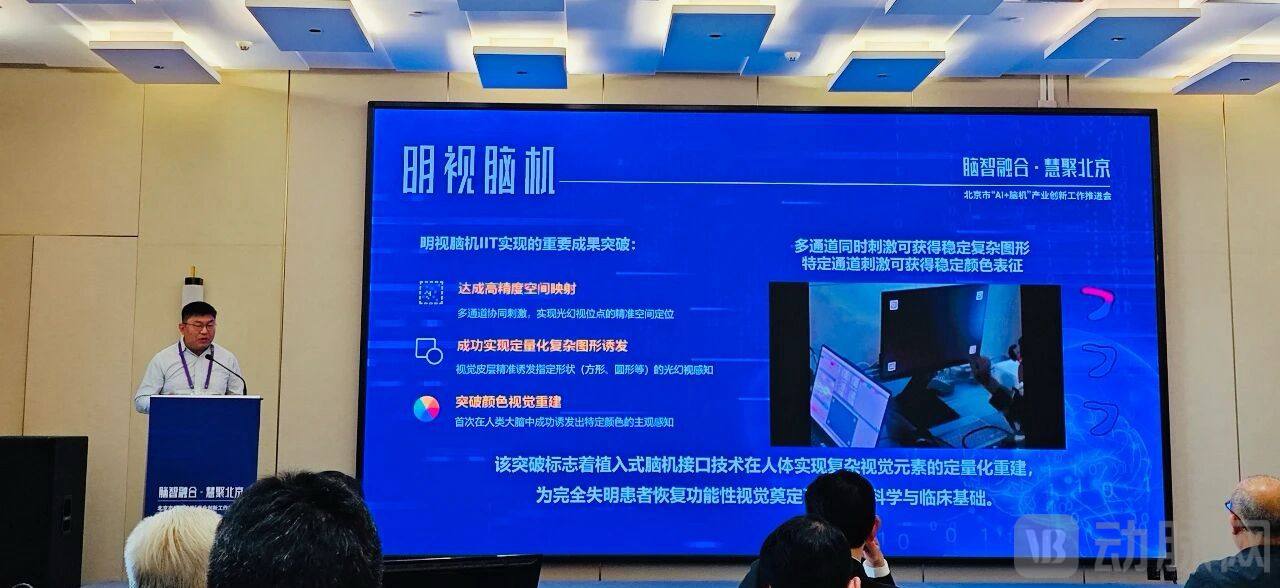
Under the "15th Five-Year Plan," brain-computer interface (BCI) has been designated as one of six major future industries. With the approval of China's first invasive BCI medical device for marketing in March of this year, the BCI field is now transitioning from exploratory frontier technology into a critical phase of clinical value validation. Supported by favorable policies, capital backing, and technological advancement, the industry is poised for a new stage of development.
As a deep-tech enterprise founded by a team of doctoral returnees from leading overseas BCI laboratories, Mindtrix Technology has, since its inception, chosen a highly challenging niche: focusing on "visual restoration BCI." Analogous to how cochlear implants restore hearing, visual restoration uses implantable BCI technology to reconstruct functional vision for totally blind patients who have suffered complete optic nerve damage and cannot be cured by traditional medicine. Visual restoration BCI technology has completed mechanistic validation globally and is now at the stage of engineering development. There is an urgent, significant unmet clinical need among blind patients. However, visual restoration is regarded as the "crown jewel of the BCI field," given its high technical difficulty. In the eyes of founder and CEO Dr. Liu Bing, scientists should pursue "difficult but right endeavors."
Leveraging the deep expertise of founder Dr. Liu Bing and chief scientist Dr. Zhang Li in the fields of BCI and visual neuroscience, Mindtrix has achieved a series of innovative breakthroughs over the past year:
In November 2025, Mindtrix completed the world's first functional validation of visual restoration achieving "complex patterns plus multiple colors." This study used electrical stimulation of the visual cortex to achieve a leap in visual perception—from simple light points to complex patterns and then to color perception. The research results provide clinical-grade data for visual restoration, mark breakthrough progress for China in the high-end BCI technology field, and establish an ethical practice paradigm that integrates diagnostics and treatment with cutting-edge exploration.
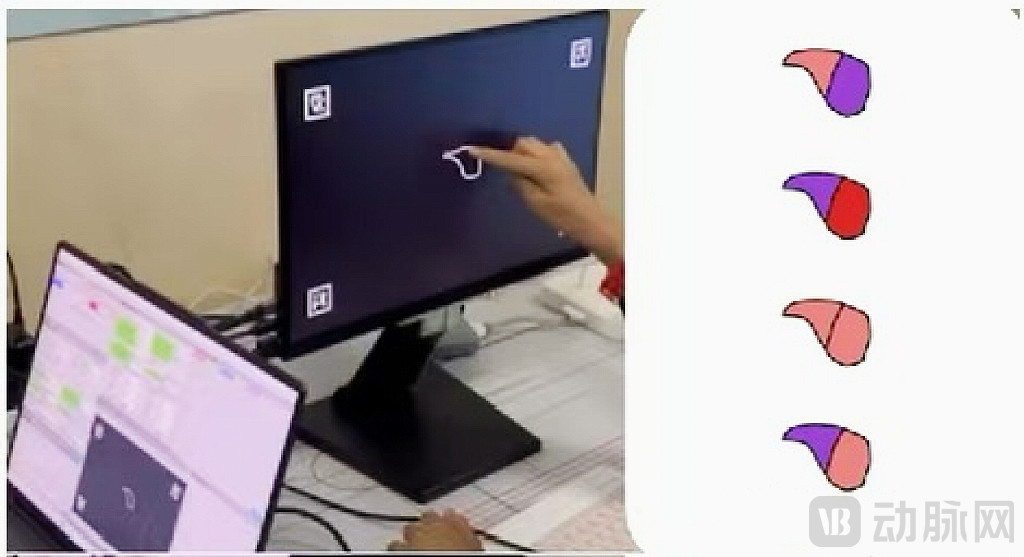
Stimulating the Visual Cortex to Generate Complex Color and Pattern Perceptions
In February 2026, Mindtrix completed the first quantitative encoding and reconstruction of grayscale information in China. This milestone signifies that Mindtrix has achieved the reconstruction of three fundamental information types—shape, color, and grayscale—using implantable BCI visual restoration technology, laying a solid foundation for ultimately achieving realistic functional vision.
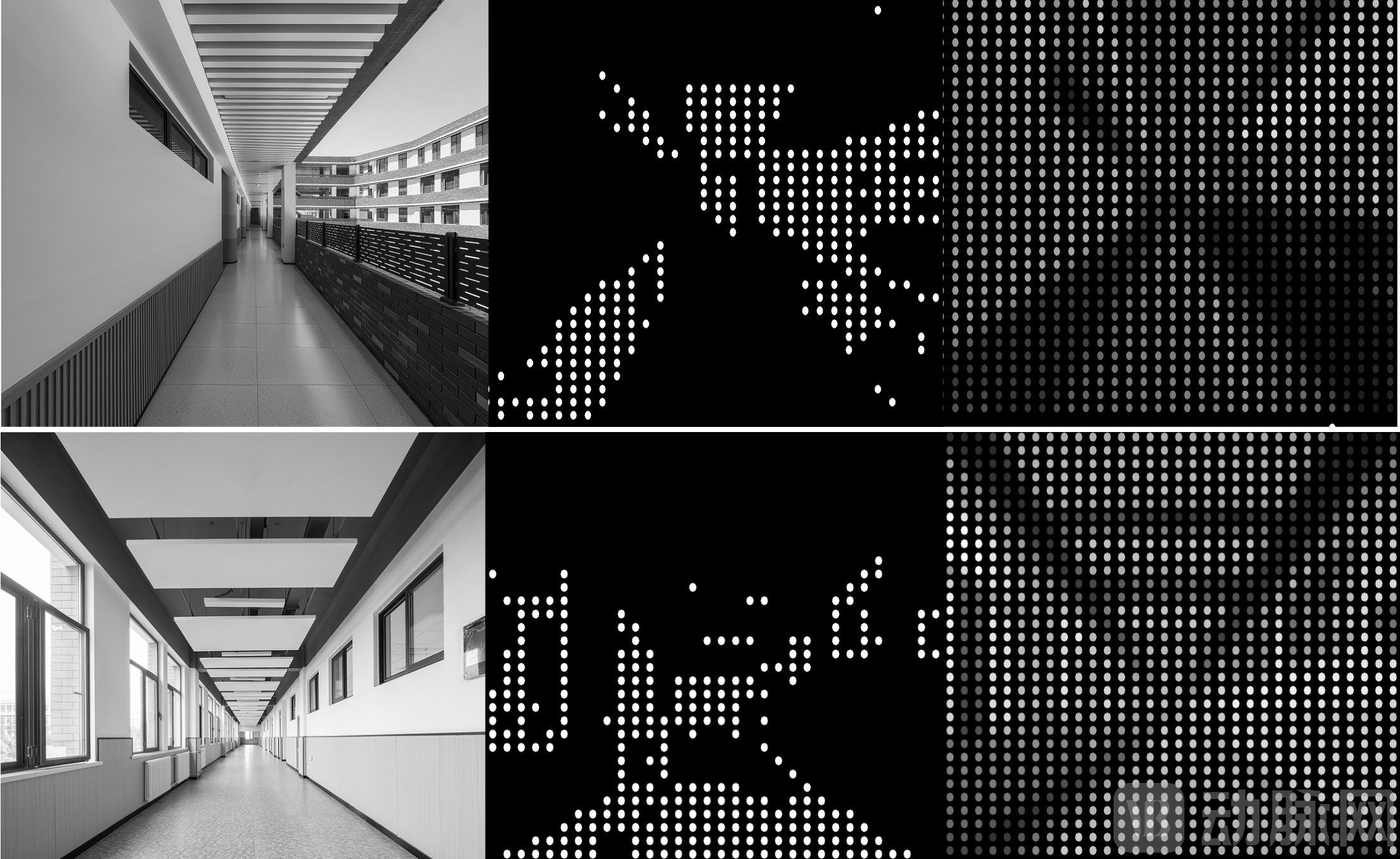
Grayscale Reconstruction Enables Visual Information to Transcend Simple 2D Outlines, Delivering More Textured and Realistic 3D Visual Experiences
In March 2026, at the Technology for Disability Forum of the ZGC Forum, co-hosted by the China Disabled Persons' Federation and the Beijing Municipal Government, Mindtrix was recognized for its "visual restoration technology for complex patterns and multiple colors" as a key achievement in assistive technology released by the China Disabled Persons' Federation, becoming the benchmark in the visual restoration category on this list.
Mindtrix is accelerating the vision of "restoring sight" for visually impaired patients, bringing it closer to reality. Looking ahead, this is not only a starting point for visual rehabilitation but also a key to a broader future of "human-machine integration." As the brain and machines achieve deeper two-way understanding and adaptation through this technology, future brain-computer interfaces are expected to move beyond functional restoration toward a new era of sensory enhancement and interactive transformation, ultimately realizing harmonious coexistence between humans and technology.