

Where will the next wave of cardiovascular device growth come from? The answer is AI

Boston Scientific
Medical Device Manufacturer
Cardiovascular disease is the leading cause of death globally.
The long-standing need for prevention and treatment of cardiovascular disease has spurred a series of groundbreaking innovative medical devices: examples include the artificial heart acquired at a staggering $16.6 billion, the pulsed field ablation system achieving over $1 billion in global revenue in its first year post-launch, coronary stents and heart valves that have supported the public listing of several Chinese companies, and IVUS (intravascular ultrasound) driving the precision of interventional procedures...
This substantial market demand has fostered a trillion-yuan cardiovascular device therapy market. Within this market, artificial intelligence (AI), as a frontier technology with comprehensive impact, is introducing new developmental possibilities for the entire field. Currently, AI is already sparking a wave of innovation in the cardiovascular device sector, bringing disruptive breakthroughs to long-standing clinical challenges in the cardiovascular treatment industry.
It is possible that the next growth driver in the cardiovascular market will be led by AI-integrated cardiovascular products.
The rise of AI technology is injecting new momentum into the field of cardiovascular interventional therapy.
Currently, innovative applications of AI in the cardiovascular market are primarily concentrated in segments such as coronary intervention, electrophysiology (EP), and structural heart disease. Within these subfields, the deep integration of AI technology with cardiovascular medical devices has given rise to a series of milestone, phenomenon-level products, driving continuous evolution in diagnosis and treatment models.
AI-enhanced IVUS represents a flagship product of AI-enabled cardiovascular intervention, reshaping precision medicine in Percutaneous Coronary Intervention (PCI) and bringing revolutionary changes to the treatment of coronary artery disease.
As the primary interventional procedure for coronary artery disease in cardiology, PCI is typically guided by coronary angiography. However, conventional coronary angiography has significant limitations: it utilizes X-rays and contrast agents to assess the degree of coronary occlusion and stenosis but cannot accurately evaluate the internal vessel structure, determine whether it causes myocardial ischemia, or adequately reflect vessel wall conditions, plaque burden, and plaque type. Consequently, it increasingly fails to meet the demand for precision medicine from both physicians and patients.
Against this backdrop, Boston Scientific, a leader deeply entrenched in the vascular intervention field, pioneered the launch of the world's first commercial IVUS system. This product, based on catheter technology and ultrasonic imaging, delivers a miniaturized ultrasound transducer into the vascular lumen, enabling ultrasonic imaging of the vascular structure.
Compared to traditional coronary angiography, IVUS not only visualizes the morphology, nature, and distribution of vessel wall lesions for precise assessment of stenosis severity but also identifies pathologies like calcification, fibrosis, and lipid pools. It can detect early-stage vessel lesions not visible on coronary angiography and recognize intravascular structures and devices such as thrombi, stents, and guidewires.
To date, numerous clinical studies have demonstrated that using IVUS to guide PCI significantly reduces major adverse cardiovascular events. From a long-term perspective, IVUS-guided PCI also alleviates the economic burden on both hospitals and patients, offering substantial advantages in health economics.
Given the breakthrough capabilities and proven clinical value of IVUS, it has received strong recommendations in major international guidelines as an essential guiding tool for PCI in complex coronary artery disease.
Despite its significant technical advantages and guideline endorsements, the current clinical penetration rate of IVUS in China remains relatively low. According to data released by Frost & Sullivan, while IVUS penetration exceeds 90% in Japan and South Korea and stands at approximately 23.9% in the United States, it reaches only 15.4% in China. This indicates a significant gap compared with developed markets and highlights substantial room for growth.
A key factor underlying the low penetration rate is the insufficient proficiency among physicians in primary care hospitals in China for IVUS image interpretation, coupled with the technology's high learning threshold and prolonged learning curve. Additionally, image analysis predominantly relies on individual experience, introducing significant subjective variability that impacts procedural precision.
Addressing this industry challenge, Boston Scientific has again demonstrated its innovation leadership by pioneering the AI-enhanced IVUS system—AVVIGO+. This system leverages AI technology to enable intelligent intravascular image analysis for clinicians. The product has received approvals from the US FDA, European CE, and China's NMPA.
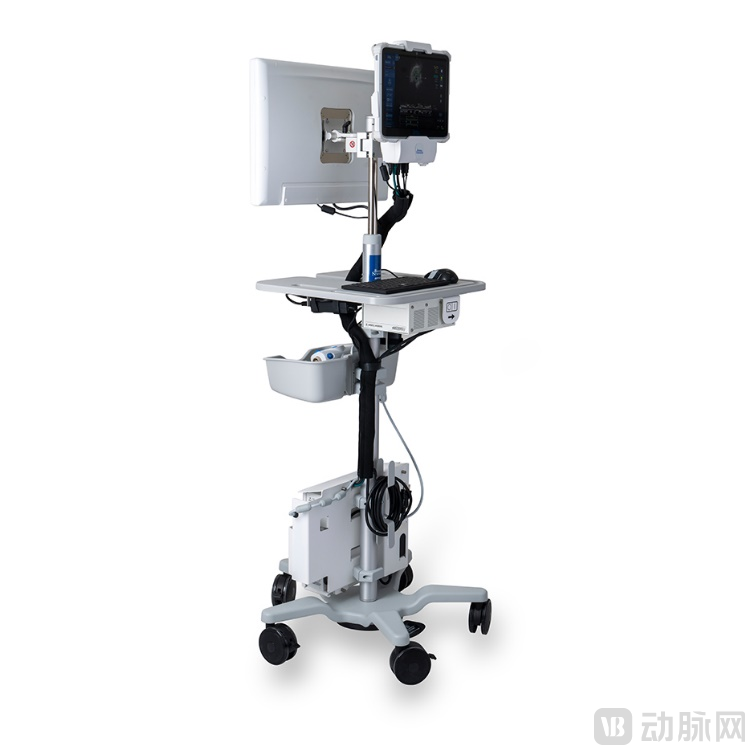
A core advantage of the AVVIGO+ system lies in its deep integration of AI technology. Its innovative Automated Lesion Assessment (ALA) feature automates key procedural steps and delivers intuitive, precise vessel measurements. Compared to previous-generation IVUS systems, AVVIGO+ reduces operational time by 62%, significantly enhances procedural efficiency, and substantially shortens the skill acquisition curve for primary care physicians.
Powered by AI technology, the AVVIGO+ system delivers dual improvements in procedural efficiency and diagnostic precision: each procedure can be shortened by 15-20 minutes on average, enabling each catheterization lab to perform one additional procedure per day. This effectively expands diagnostic capacity in primary care settings and enhances overall hospital operational efficiency.
In terms of accuracy, the system's AI capabilities assist physicians in precisely evaluating the severity of coronary obstructions and stenosis, providing scientific evidence for treatment planning. Furthermore, the AVVIGO+ system integrates both Fractional Flow Reserve (FFR) and Diastolic Flow Ratio (DFR) measurement functions, significantly strengthening its precision assessment capabilities.
Notably, Chinese teams played a substantial role in the AVVIGO+ system's development, contributing to extensive image training and expert data validation while making prominent contributions to core hardware and software components. To better meet the needs of primary care facilities in China, the product also features a fully customized Chinese interface.
With the expanding adoption of the AVVIGO+ system, IVUS penetration in the Chinese market is projected to increase substantially, thereby advancing the widespread implementation of precision PCI.
Heart failure (abbreviated as HF) is widely recognized as the "final frontier" in cardiovascular disease, with a five-year mortality rate exceeding 50%.
For heart failure management, scientific comprehensive care represents the critical pathway for extending patient survival and improving quality of life. However, advancing this pathway faces a fundamental bottleneck: effective monitoring serves as the prerequisite for heart failure management, yet early signals of HF deterioration are highly concealed. Traditional healthcare settings also lack monitoring capabilities that can accurately capture subtle physiological changes. This makes it difficult for physicians to detect early disease fluctuations, often missing the optimal intervention window and allowing further disease progression.
The integration of AI technology with innovative HF treatment devices is now breaking through the limitations of traditional management models, offering new hope for precision monitoring and proactive intervention. Exemplified by Boston Scientific's innovatively developed HeartLogic HF monitoring algorithm, this system consolidates data from six sensors—including heart sounds and thoracic impedance—processed through intelligent algorithms to generate an intuitive, quantifiable heart failure index. This serves as an early warning signal for HF deterioration, transforming management from reactive treatment to proactive preventive intervention, thereby enhancing patients' quality of life and improving long-term outcomes.
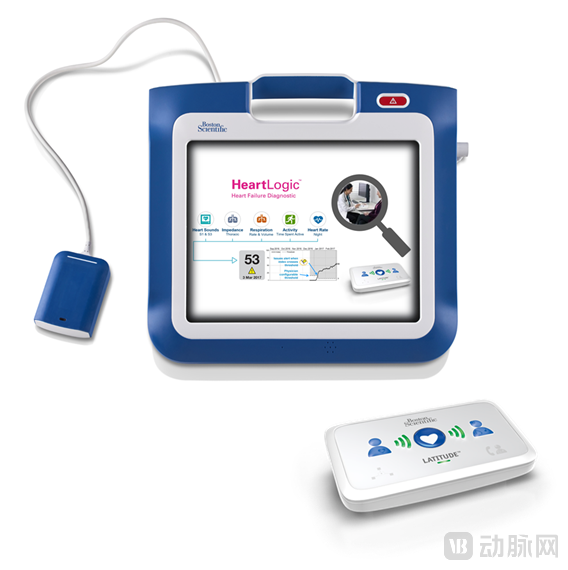
As the first heart failure early warning system to receive FDA approval, HeartLogic has been nominated multiple times for the Prix Galien USA Award for "Best Medical Technology" and has been utilized in global evidence-based practice for nearly a decade. Clinical evidence demonstrates that the HeartLogic system provides a median 34-day early warning of impending heart failure events with 70% detection sensitivity, reduces heart failure hospitalization rates by 67%, and significantly improves both patient outcomes and quality of life.
The introduction of the HeartLogic system not only delivers a precision tool for heart failure monitoring but also represents a milestone in comprehensive management and risk stratification for heart failure patients. Through personalized risk assessment, physicians can develop more targeted treatment and follow-up strategies, thereby enhancing patients' quality of life and clinical outcomes. The quantitative data further enables clinicians to effectively communicate anticipated results to patients and their families, ultimately improving treatment adherence.
Beyond heart failure monitoring, innovative companies are exploring the application of AI technology to ventricular assist devices (artificial hearts) for heart failure treatment. Unlike traditional artificial hearts that operate based on preset parameters to deliver fixed blood volumes, AI-enhanced artificial hearts function as "thinking pumps." These devices utilize AI algorithms to analyze the patient's physiological status in real-time, automatically adjusting their operational mode and blood output.
Furthermore, some enterprises are implementing AI technology for postoperative health management of artificial heart recipients, significantly reducing the human resource costs associated with postoperative care.
From intelligent heart failure monitoring to precision regulation of smart artificial hearts, and through comprehensive postoperative health management, AI technology is thoroughly penetrating every critical aspect of heart failure diagnosis and treatment. With continuous breakthroughs in "AI + heart failure devices," the survival period of heart failure patients is expected to be further extended, while their prognosis continues to improve.
In the field of cardiovascular disease, AI technology is also being deeply applied in areas such as Intracardiac Echocardiography (ICE) and cardiac valve interventions.
Intracardiac Echocardiography represents an innovative diagnostic technique in echocardiography. It involves positioning an ultrasound transducer within the cardiac chamber to transmit and receive ultrasound signals, enabling real-time imaging of cardiac anatomy, hemodynamics, and function. To date, ICE has been utilized in various cardiovascular interventional procedures including radiofrequency ablation for atrial fibrillation, left atrial appendage closure, atrial septal defect closure, and mitral valve valvuloplasty.
Compared to traditional X-ray guided interventions, ICE catheters can directly access the heart's interior without interference from other organs, providing superior image quality. The technology enables precise localization of interventional catheters, offers accurate guidance for cardiac procedures, and enhances both success rates and safety profiles. Additionally, ICE significantly reduces radiation exposure for both physicians and patients while improving procedural efficacy.
Currently, most intracardiac echocardiography (ICE) systems primarily rely on 2D imaging, unable to achieve real-time 3D reconstruction comparable to Transesophageal Echocardiography (TEE) during procedures such as Left Atrial Appendage Closure (LAAC)—indicating significant unmet market needs. In this context, companies like Boston Scientific are developing 4D (real-time 3D) intracardiac ultrasound guidance technologies enhanced with AI integration.
AI-enhanced ICE systems are expected to enable automatic identification of catheters and cardiac structures, rapid 3D modeling, and surgical pathway planning—thereby improving both safety and efficiency in complex interventional procedures.
Meanwhile, Boston Scientific is also developing next-generation Transesophageal Echocardiography (TEE) systems. When combined with AI technology, these upcoming products are projected to further streamline quality assessment, optimize image acquisition, and enhance procedural outcomes and efficiency.
Furthermore, in the field of cardiac valve disease, several companies recognize the substantial potential of AI-enabled ECG interpretation technology for screening valvular heart disease. AI-powered imaging-assisted diagnostic systems are being deployed for morphological and functional evaluation of valvular disorders, creating new possibilities for precision diagnosis.
Beyond screening and diagnosis, AI is also being utilized in the treatment of valvular heart disease. Taking the classic transcatheter aortic valve replacement (TAVR) procedure as an example, preoperative precise assessment of the aortic root is crucial for procedural success. Traditional assessment methods rely on manual measurements by physicians, which are time-consuming, inefficient, and prone to variability. Addressing this limitation, innovative teams from several companies have developed AI algorithms that enable automated identification and quantitative assessment of the aortic root anatomy, thereby streamlining the procedure and enhancing both efficiency and accuracy.
In summary, AI technology has achieved deep integration within the cardiovascular therapeutic field and continues to expand its applications. The convergence with AI is creating new development opportunities for cardiovascular treatment devices, ultimately enabling superior diagnostic and therapeutic solutions for patients.
While AI technology is accelerating innovation in cardiovascular therapeutic devices, its commercialization remains a significant industry challenge. Currently, most medical AI products have not yet established sustainable business models, with only a limited number achieving widespread clinical adoption and scalable revenue.
Two major bottlenecks hinder progress. First, AI applications in cardiovascular therapy predominantly target surgical settings, which demand extremely high reliability for real-time perception and decision-making in complex environments. Many newly approved products remain in validation phases and are not yet suitable for large-scale deployment. Second, clinicians maintain reservations about fully trusting AI technology, citing concerns about its accuracy and potential deviation from established clinical pathways.
However, Boston Scientific has successfully overcome these commercialization barriers through more than a decade of technological accumulation and long-term clinical training programs. This sustained commitment has enabled the company to integrate AI technologies broadly across clinical applications.
On one hand, through long-term technological accumulation and substantial R&D investment, Boston Scientific has introduced highly competitive AI products. These are integrated with innovative medical devices and marketed as comprehensive solutions. For instance, the company's BeatLogic cardiac algorithm platform* employs AI technology and deep learning models to automatically interpret vast volumes of patient ECG data. It accurately identifies various types of arrhythmic events, delivers more timely and precise reports, and assists clinicians in optimizing treatment strategies.
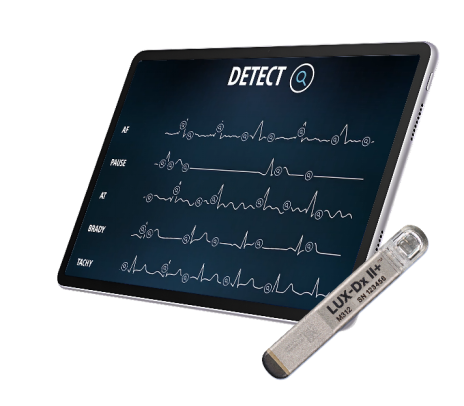
A recent study comparing AI-based classification with manual interpretation of arrhythmic events demonstrated that the BeatLogic cardiac algorithm achieved diagnostic accuracy comparable to cardiac electrophysiology experts[1]. These study results confirm both the diagnostic precision of the BeatLogic algorithm and its clinical utility in delivering efficient, high-accuracy diagnostics.
Leveraging its inherent clinical utility and the competitive advantage enabled by BeatLogic, the algorithm has been deployed across 125,000 patients worldwide, processing more than 7.5 million cases while gaining broad market acceptance.
Furthermore, Boston Scientific addresses clinical trust through systematic training programs and large-scale clinical evidence generation. In August 2024, the company's HeartLogic-enabled 3T MRI-compatible cardiac resynchronization therapy defibrillator received NMPA approval. The system has already completed initial deployments across multiple Chinese hospitals, with its HeartLogic functionality earning unanimous endorsement from clinical experts.
The rapid clinical adoption and recognition of the HeartLogic system can be largely attributed to its nearly decade-long global evidence-based application, which has thoroughly validated its safety and efficacy profile.
Overall, AI-enabled cardiovascular devices demonstrate significant competitive advantages over conventional products, accelerating both market penetration and clinical acceptance. This trend clearly indicates that AI-driven cardiovascular therapies are emerging as the mainstream direction for industry development. Looking ahead, AI technology will continue to advance cardiovascular devices toward intelligent and precision-oriented solutions, effectively reducing the technical complexity of sophisticated procedures. Simultaneously, AI is poised to become a core engine for product innovation in cardiovascular medicine, with early adopters of AI technology positioned to capture market leadership and achieve accelerated commercial returns.
Note: *This product is not yet commercially available in Mainland China.
References:
[1] Andrade JG,Stucky MJ,Wold N,et al.Ce-499645-004 Artificial Intelligence Versus Electrophysiologist Adjudication of Atrial Arrhythmias: A Validation Study.Heart Rhythm.2025;22(4):S31. doi:10.1016/j.hrthm.2025.03.065