

With RMB 8 billion invested in four years: is Changchun High-Tech's innovative drug research finally paying off?
CHANGCHUN HIGH-TECH
Pharmaceutical R&D Developer
After a long period of downturn in the capital market, the stock price of High-Tech Industries (Group) Co., Ltd. (Changchun High-Tech) has become active again.
Recently, the share price of Changchun High-Tech has continued to strengthen, breaking through the nearly one-year fluctuation range and hitting a new high. As the core subsidiary of Changchun High-Tech and the source of almost 100% of its profits, the development of GenSci plays a decisive role for Changchun High-Tech. Since the news of GenSci's growth hormone products being included in the centralized procurement was released in 2021, the share price of Changchun High-Tech began to fall continuously, and its high growth trend also shifted.
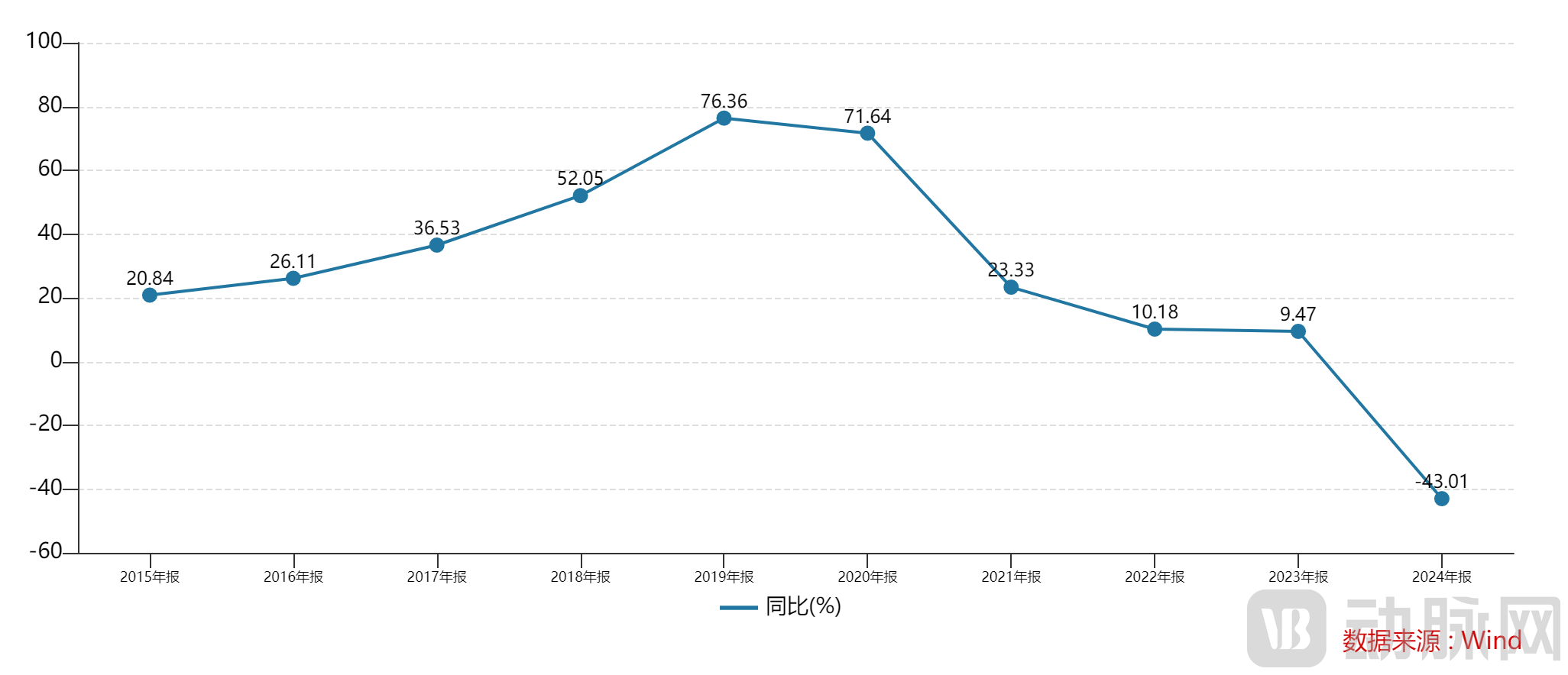
Figure 1. Year-on-Year Growth Rate of Changchun High-Tech's Net Profit Attributable to Shareholders (Source: Wind)
As the carrier of Changchun High-Tech's innovative drug business, over the past four years, GenSci has increased its investment in the innovative drug field, with total R&D expenditure nearing 8 billion yuan, in order to find another performance growth point beyond growth hormone products. Now, as the innovative drug pipeline gradually expands, GenSci's layout in the innovative drug field is finally beginning to be recognized by the market, and the stock price of Changchun High-Tech has also started to strengthen.
1GenSci's Growth Hormone Demand Weakens, Competition Intensifies
GenSci's growth hormone products have been in a state of sluggish growth in recent years, leading to the company's revenue growth rate declining from 41.27% in 2021 to -3.73% in 2024, and the net profit growth rate attributable to shareholders dropping from 33.48% in 2021 to -40.67% in 2024.
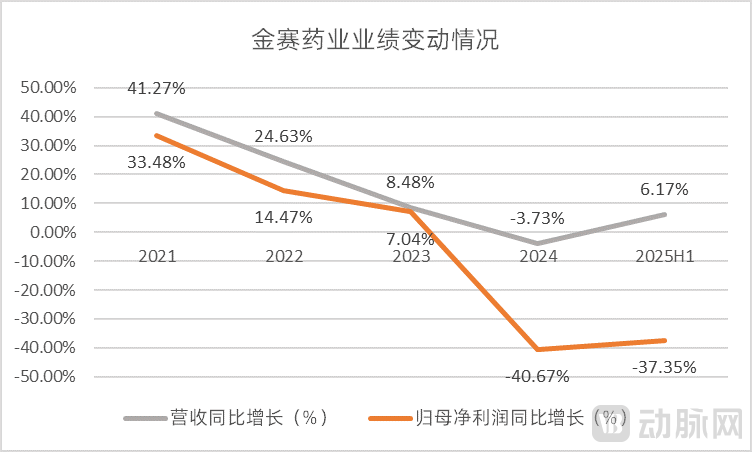
Figure 2. Revenue and Net Profit of GenSci (Source: VCBeat)
Grey indicates year-over-year revenue growth. The orange color indicates the year-over-year growth of net income attributable to the parent company's shareholders.
The reason behind this is that the core product of GenSci, growth hormone,has faced significant challenges in recent years. Both its powder injection and water-based injection products have been affected by bulk procurement, leading to a decline in product prices. Moreover, growth hormone has a certain consumer attribute. Against the backdrop of macroeconomic downward pressure and reduced household spending power, downstream demand for growth hormone products has also been weak.
Moreover, the competitive pressure among peers in the growth hormone product market is also increasing. In May this year, Xiamen Amoytop Biotech's long-acting growth hormone, Inpegsomatropin Injection (Pegpesen®) was approved for marketing. The listed price for the 5mg specification is 1,798 yuan per vial, which is significantly lower than the price of GenSci' long-acting growth hormone (approximately 3,500 yuan per vial). VISEN Pharmaceuticals’s long-acting product, Lonapegsomatropin, is expected to be approved in the second half of 2025, and market competition is anticipated to become even more intense. Some investors expect that GenSci will appropriately reduce the price of its long-acting growth hormone in the future to enhance market competitiveness.
We also do not believe that the sales scale of GenSci's growth hormone products will experience a cliff-like decline. From the perspective of industry space, with 5 million patients with short stature, the current total penetration rate of growth hormone products is about 2%, which is extremely low, and the needs of patients have not been met. Although the number of children is decreasing, GenSci can still focus on improving penetration rate. In addition, adult indications are also a direction that can be vigorously expanded.
Compared with other competitors, GenSci has very strong channel capabilities. The sales channels of GenSci can reach core pediatric hospitals and experts. For pediatricians who are relatively unfamiliar with growth hormone, GenSci has also achieved doctor education through platform training, thereby helping doctors achieve localized treatment.
In addition, GenSci also excels in patient management. Patients can be integrated into the company's management system in real time during the treatment process, and issues related to medication or even the use of injectors can be promptly resolved. Patient retention is very high.
GenSci' growth hormone product will not collapse quickly, "it will become GeneScience Pharmaceuticals' cash cow product," a secondary market investor who has been tracking Changchun High-Tech for a long time is not pessimistic about the future prospects of growth hormone products.
However, stability alone is not enough. Investors expect GenSci to use the cash flow generated by growth hormone to expand its innovative drug portfolio, thereby achieving the company's transformation. In this regard, GenSci has long been prepared and is now entering the harvest period.
2Innovative Drug Business Enters Harvest Period
Since the rumor about growth hormone being included in the centralized procurement began to ferment in 2021, GenSci has been rapidly increasing its investment in the innovative drug field. As the business scale of Changchun BCHT Biotechnology and Huakang Pharmaceutical, subsidiaries of Changchun High-Tech, still has a certain gap compared to GenSci, the changes in R&D expenditure of Changchun High-Tech can roughly reflect the investment intensity of GenSci.
Financial reports show that Changchun High-Tech's R&D expenditure increased from 680 million yuan in the previous year to approximately 1.1 billion yuan in 2021, and has continued to grow since then, reaching 2.69 billion yuan in 2024, nearly tripling over four years. The proportion of R&D expenditure also grew from 7.95% in 2020 to 19.97%.
From the perspective of business layout, GenSci's innovative drug business focuses on endocrine and metabolic diseases, oncology, immunology and respiratory, and women's health fields, and has established advanced technology platforms such as ADC, small nucleic acids, multi-functional molecules, and long-acting sustained release.
As the first domestically developed anti-interleukin-1β (IL-1β) monoclonal antibody, GenSci's self-developed Class 1 innovative drug Jinbeixin (Firsekibart) was officially approved for marketing on June 30. This product is regarded as a significant achievement in GenSci's innovative drug research and development field. Firsekibart has been approved for the indication of gouty arthritis, with one injection every six months to prevent recurrence, showing good patient compliance.
IL-1β is a key inflammatory factor in both the acute and intercritical phases of gout. Firsekibart can precisely target the binding of IL-1β to its receptor, reducing inflammatory cascade reactions. Clinical data shows that Firsekibart can take effect quickly after a single dose, with analgesic effects comparable to hormones within 6-72 hours. Moreover, Firsekibart has the characteristic of long-term control. After administration, the risk of gout recurrence in patients is reduced by 90% at 12 weeks and by 87% at 24 weeks, effectively alleviating patient pain and reducing the risk of recurrence. This product has already passed the formal review for national medical insurance negotiations and is expected to achieve sales exceeding 500 million yuan.
There are currently very few companies involved in the IL-1β target. Novartis' injectable Canakinumab, indicated for acute gout, has already terminated its Phase III clinical trial. 3SBio's SSGJ-613 injection for acute gouty arthritis has submitted its marketing application and it has been accepted, but there is still some time before it reaches the market. GenSci's Jinbeixin is expected to enjoy a period of market exclusivity.
Another product, Megaxia (Megestrol Acetate Oral Suspension), is used for the treatment of cancer anorexia-cachexia syndrome. This product addresses the issues caused by traditional formulations for anorexic patients, significantly improving clinical efficacy and compliance. According to the management of Changchun High-Tech, this drug is expected to generate approximately 100 million yuan in sales this year. National negotiations are also underway, and if it successfully enters the medical insurance catalog, its usage will increase rapidly.
The continuous launch of new drug products will contribute new growth points to GenSci, reducing its previous reliance on growth hormone products.
In addition to these marketed products, GenSci's R&D pipeline also has several highlights.
3Value Reassessment Brought by BD
Currently, most of the products in GenSci's R&D pipeline are in the early stages of drug discovery and IND. According to GenSci's plan, projects will be transferred after advancing to Phase II/III clinical trials (to confirm drug potential), which can better ensure high-value returns for the projects.
Currently, the highlights of GenSci's R&D pipeline are concentrated in the fields of endocrine and metabolic diseases, oncology, immunology, and respiratory diseases.
1) Endocrine Metabolism
GenSci098 Injection is a TSHR (thyroid-stimulating hormone receptor) antagonistic monoclonal antibody independently developed by GenSci for the treatment of Graves' disease. Graves' disease is an autoimmune disorder where the pathogenic mechanism involves autoantibodies acting as agonists to activate TSHR, leading to thyroid cell proliferation and hyperfunction.
GenSci098 specifically binds to TSHR, blocking the release of inflammatory factors and hyaluronic acid (HA) production caused by the binding of TSHR on orbital fibroblasts with their autoantibodies. Through this blocking effect, it can inhibit the synthesis and release of thyroxine and block the proliferation of thyroid cells, thereby improving thyroid-associated ophthalmopathy (TED) and Graves' disease (GD).
Clinical data preliminarily indicate that GenSci098 has good safety. Moreover, GenSci098 demonstrates rapid and sustained improvement in proptosis for TED patients, with a dose-dependent trend. GenSci098 has a long half-life, supporting a dosing regimen of once every 8 weeks, far exceeding the dosing intervals of currently available targeted therapies for TED. GenSci098 Injection is currently in Phase I clinical trials domestically.
2) Immunity and Respiration
GenSci136 is a dual inhibitor of APRIL&BAFF. Currently in the IND application stage, the indications under development include IgA nephropathy, myasthenia gravis, lupus nephritis, and other diseases mediated by autoantibodies. GenSci136 is designed with a molecular structure of BCMA trimer fusion protein, which can capture BAFF and APRIL molecules with high affinity and block their binding to receptors. In vitro data show that GenSci136 exhibits excellent blocking effects on endogenous APRIL in humans, offering promise as a better therapeutic drug for IgA nephropathy.
GenSci136 has been designed for extended duration, which can prolong the half-life in the body and support a dosing interval of at least once every four weeks in humans. Compared to the marketed drug targeting the same point, Telitacicept (administered once a week), patient compliance will be improved.
3) Tumor
GenSci's oncology pipeline is divided into two categories: large molecules and small molecules. Its large-molecule anti-tumor drugs focus on the novel bispecific ADC drug field.
GenSci139 is a Bispecific ADC Targeting EGFR and HER2, for the treatment of urothelial carcinoma, colorectal cancer, lung cancer, breast cancer, and gastric cancer, submitted an IND application in August this year. This product employs a proprietary, highly stable, and hydrophilic cleavable linker covalently attached to a topoisomerase I inhibitor payload. GenSci139 specifically identifies and binds to tumor cells expressing EGFR/HER2, releases the payload, and inhibits tumor cell growth.
GenSci140 is a Dual-epitope ADC Targeting FRα, used for FRα-expressing advanced solid tumors such as ovarian cancer, is currently in the IND application stage. This product employs a cleavable linker and is loaded with a TOPOⅠ inhibitor payload. GenSci140 can simultaneously bind to different epitopes of the FRα antigen on tumor cells. After entering the cell via endocytosis, GenSci140 releases its payload to block DNA replication and repair, triggering apoptotic mechanisms, thereby inhibiting tumor cell proliferation.
GenSci143 is a B7-H3 and PSMA Targeted Dual-Antibody ADC, for the treatment of various advanced solid tumors such as prostate cancer and lung cancer, is currently in the IND application stage. The dual-target design of GenSci143 enables the synergistic effect of B7-H3 and PSMA, which can overcome tumor heterogeneity and drug resistance caused by reduced expression of a single target, thereby covering more patients and producing longer-lasting anti-tumor efficacy.
At the earnings communication meeting held this year for the semi-annual report, Changchun High-Tech's management highlighted the unique ADC technology platform of GenSci and stated that the existing ADC pipeline has attracted the attention of MNCs such as Novartis, Johnson & Johnson, and Pfizer. The company expects the upfront payment for the BD deal to reach over 200 million US dollars.
In addition to large-molecule anti-tumor drugs, GenSci is also developing small-molecule anti-tumor drugs.
GenSci128 is a selective reactivator targeting the TP53 Y220C mutation. It selectively binds to the pocket of the TP53 Y220C mutant protein, restoring its normal conformation and thereby reinstating transcription and tumor suppression functions. GenSci128 covers multiple cancer types including non-small cell lung cancer, small cell lung cancer, breast cancer, ovarian cancer, and endometrial cancer. Preclinical data indicate that GenSci128 demonstrates favorable efficacy and safety at lower exposure levels (1/10 to 1/4 of the competing product PC14586). GenSci128 has entered Phase I clinical trials in Chinese patients with advanced solid tumors and has received FDA IND approval in the United States.
GenSci122 is a KIF18A inhibitor that covers various cancer types, including ovarian cancer, non-small cell lung cancer, colorectal cancer, esophageal cancer, and breast cancer. GenSci122 selectively inhibits KIF18A, leading to mitotic delay in tumor cells with chromosomal instability, the formation of multipolar spindles, and ultimately resulting in cell death. Currently, this product has entered Phase I clinical trials in Chinese patients with advanced solid tumors, demonstrating better safety and tolerability data as well as linear pharmacokinetic characteristics; it has also received FDA IND approval in the United States.
GenSci145 is a new generation of selective PI3Kα allosteric inhibitor intended for the treatment of solid tumors with PIK3CA mutations (including breast cancer, colorectal cancer, non-small cell lung cancer, squamous cell carcinoma of the head and neck, etc.), currently in the IND application preparation stage. GenSci145 shows approximately 30 times greater selectivity for mutant PI3Kα compared to the wild type, demonstrating BIC potential among the new generation of PI3Kα inhibitors.
VCBeat found that most of GenSci's core pipelines are still in the early stages. Although R&D results have started to show, there is still some time before they can be fully realized. The capital market has already priced in these expectations.
At the earnings communication meeting of this year's semi-annual report, the management of Changchun High-Tech revealed that GenSci plans to add 10-15 INDs annually from 2025 to 2030, with an overseas licensing revenue target of 5-8 billion yuan by 2030. By then, GenSci will truly enter a period led by research and development.